Eavestrough Repair vs. Replacement in Calgary: How to Make the Right Call

Concrete removal cost Calgary may seem like an odd place to start when talking about eavestroughs, but both topics come down to the same smart homeowner question: repair what you can, replace what you must, and know where your money is going. In Calgary, eavestrough problems often show up after hail, freeze-thaw cycles, heavy rain, or years of clogged gutters. A small leak can look simple, but it may point to sagging, poor slope, weak fascia, or undersized downspouts. That is why choosing between repair and replacement matters. White Knight Contracting helps homeowners look at the full picture before spending money. The goal is not just to stop water today, but to protect your roof, siding, foundation, and yard for years.

Table of Contents

History of Eavestroughs in Calgary Homes

Eavestroughs have always had one basic job: move water away from the home. Older Calgary homes often used simpler metal gutter systems that worked well enough during light rain, but modern storms can be harder on them. Today, homeowners expect eavestroughs to handle sudden downpours, melting snow, and ice buildup. Over time, materials have also changed. Aluminum became popular because it is light, affordable, and resists rust better than older steel options. Seamless eavestroughs also became common because fewer joints mean fewer leak points.

In Calgary, the freeze-thaw cycle is a big part of the story. Water can sit in a low spot, freeze overnight, expand, and slowly pull the system apart. Then, when spring arrives, that same weak spot may leak or overflow. This is why a problem that starts small can grow quickly. A dripping corner may seem harmless, but over time it can damage fascia boards, stain siding, and send water toward the foundation. In simple terms, eavestroughs are like the home’s drainage highway, and when one lane is blocked, water finds its own path.

Eavestrough Repair vs. Replacement: The Main Difference

Repair is usually the right choice when the system is mostly sound. This may include sealing a joint, re-sloping a section, replacing a damaged bracket, or fixing a loose downspout. If one corner leaks but the rest of the eavestrough is straight and strong, repair can be a smart and affordable move. It is like patching one tire instead of buying a full new set. However, repairs only make sense when the main structure still works properly.

Replacement is often better when the eavestroughs are badly bent, rusted, cracked, pulling away from the roofline, or too small for the amount of water they need to carry. Homeowners should also consider replacement if they keep paying for the same repair again and again. According to the Government of Canada, homeowners should consider larger eavestroughs or downspouts when systems keep overflowing during rainstorms even with regular maintenance. That matters in Calgary, where hail and fast weather changes can push old systems past their limit. If water is repeatedly spilling over the edge, the issue may not be dirt, it may be design.

Concrete removal cost Calgary and Home Exterior Planning

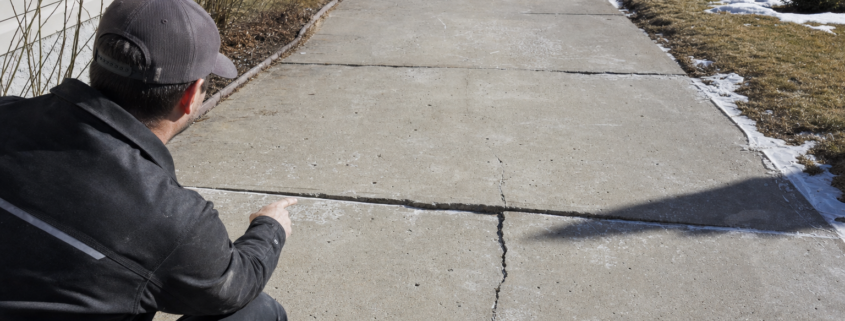
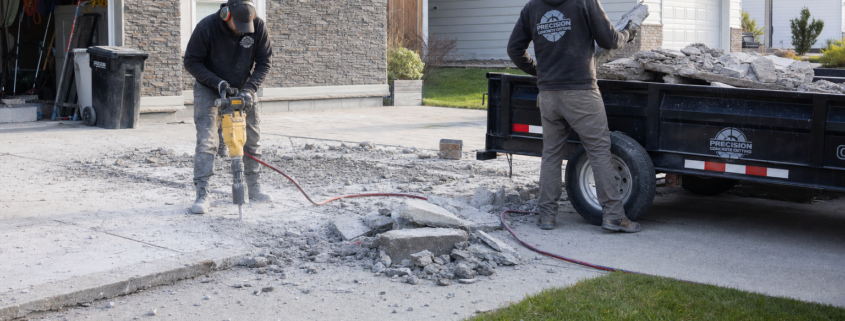
Concrete removal cost Calgary comes up often when homeowners are doing several exterior upgrades at once. For example, a family may replace eavestroughs, repair grading, remove a cracked walkway, and improve drainage all during the same project. While concrete removal is not the same trade as eavestrough work, both affect how water moves around your property. If a downspout empties onto a sunken concrete pad, water may pool near the foundation instead of draining away. That means replacing eavestroughs without fixing the ground below may only solve half the problem.

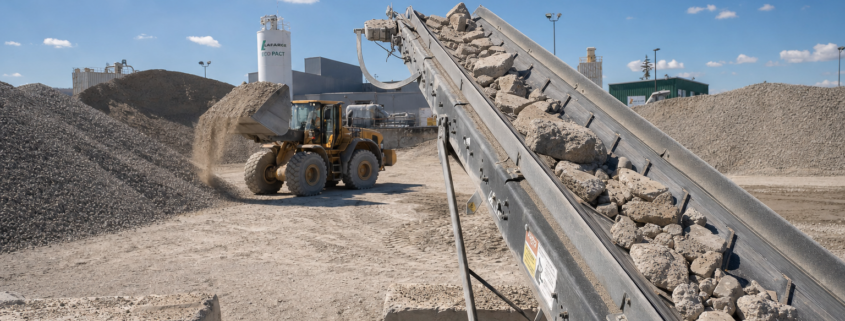
Good planning can also lower waste. Many homeowners now ask about concrete recycling Calgary because they want their old concrete reused instead of dumped. In many cases, concrete disposal involves hauling broken concrete to a facility where it can be crushed into aggregate. Aggregate means small crushed stone used under roads, driveways, and construction areas. This fits with the growing interest in eco-friendly demolition, where materials are sorted and reused when possible. So, while you are deciding between eavestrough repair and replacement, it is also wise to think about where the water lands and whether nearby concrete is helping or hurting drainage.

One major trend is the move toward larger downspouts and better water flow. Many older homes have systems that were fine years ago but now struggle during sudden rain. Another trend is seamless aluminum eavestroughs, which reduce leaks because they have fewer joints. Homeowners are also asking for colours that match soffit, fascia, siding, and trim. This matters because exterior repairs are no longer just about function; curb appeal is part of the decision too.

Gutter guards are another popular option, but they are not a magic fix. They can reduce leaves and debris, but they still need checking, especially after windstorms. Some homeowners also add extensions to downspouts so water drains farther from the house. As a general rule, water should be directed away from the foundation, not onto walkways, low spots, or basement window wells. Compared with basic patch repairs, these upgrades can cost more upfront, but they often reduce future maintenance and water damage risk.

Common Challenges Homeowners Face

The biggest challenge is knowing whether damage is cosmetic or serious. A dent from hail may look minor, but if it changes the slope of the eavestrough, water can stop flowing properly. Another challenge is hidden wood damage behind the gutter. If fascia boards are soft or rotting, simply attaching a new eavestrough will not solve the problem for long. This is why a proper inspection matters before any decision is made.

Cost is another concern. Repairs are usually cheaper at first, but repeated service calls can add up. Replacement costs more at the start, but it may be the better value if the whole system is near the end of its life. Homeowners should compare the age of the system, the number of problem areas, and the chance of future leaks. A simple rule is this: repair isolated damage, replace widespread failure. Also, remember that poor drainage can lead to bigger costs, including landscaping issues, basement moisture, and foundation stress.

Company Highlight

The team has been in business since 2011 and brings practical experience to exterior home repairs in Calgary. One major strength is that they can handle many connected parts of the job, including siding, without homeowners needing to hire a second contractor. This is helpful because eavestrough issues often affect more than one area. A damaged gutter can mark siding, weaken fascia, and change how water runs down the wall. Having one team look at the full exterior can make the project smoother and reduce delays.

Another strength is their experience with storm-related damage, especially hail. Calgary homeowners know how fast hail can damage eavestroughs, siding, roofing edges, and trim. A contractor who understands how these systems work together can spot problems that are easy to miss. For example, replacing a dented eavestrough without checking the downspout outlet or nearby siding may leave water problems behind. A full-property view helps homeowners make better choices and avoid paying twice for work that could have been planned together.

Future Prospects and What to Expect

In the future, homeowners should expect more focus on water control and durable materials. Severe weather is already a major cost driver across Canada, with insured damage from storms reaching billions of dollars in recent years according to insurance industry reporting. That does not mean every home needs the most expensive system. It means homeowners should choose materials and designs that fit Calgary’s weather instead of only picking the lowest price.

Expect more people to combine exterior projects. Eavestrough replacement may happen at the same time as siding repair, roof edge work, grading changes, or concrete disposal. This makes sense because water management is a system, not a single part. Homeowners may also see more eco-friendly demolition options, including better sorting of metal, concrete, and other materials. If concrete recycling Calgary continues to grow, more removed concrete can be reused locally instead of treated as waste.

FAQ

If your eavestroughs keep overflowing during heavy rain even after regular cleaning and maintenance, replacement or an upgrade may be the smarter long-term choice than another repair.

Q&A

Question

Where does all the concrete go after it’s removed from a Calgary property?

Answer

Concrete removed in Calgary is hauled to recycling facilities where it’s crushed into aggregate and reused in road base and construction projects.

Question

Is recycled concrete from Calgary homes reused locally or shipped elsewhere?

Answer

Most concrete recycled from Calgary residential projects is processed locally at facilities like Inland Aggregates and reused as road base and fill material.

What to Do Before You Decide

Start with a simple visual check after rain. Look for overflowing sections, leaks at corners, water marks on siding, and pooling near the foundation. Next, check whether the eavestrough is pulling away from the fascia or sagging in the middle. If the problem is only one small leak, repair may be enough. If there are several weak points, replacement may save money over time.

Also, think about the ground below. If downspouts empty onto cracked concrete or a low walkway, drainage may still fail even with new eavestroughs. In that case, planning around concrete removal cost Calgary, grading, and downspout extensions can help protect the whole property. To learn more and view our other blogs, click here,

Conclusion

Choosing between eavestrough repair and replacement in Calgary comes down to age, damage, water flow, and long-term value. A small isolated issue may only need a repair, while repeated leaks, sagging, overflow, or storm damage may point to replacement. It also helps to look beyond the gutter itself and think about siding, fascia, grading, and nearby concrete. When water is managed properly from roofline to ground, your home has a much better chance of staying dry and protected. With smart planning, homeowners can avoid repeat repairs and make exterior upgrades that work together.

The photo used in this blog are for demonstration purposes only.

Calgary Rebates For Spray Foam

Unlocking Calgary Rebates For Spray Foam: Mistakes To Avoid & Smart Savings

Calgary rebates for spray foam can help homeowners lower energy costs while benefiting from local incentives and government programs—if approached correctly. Too often, people miss out on valuable cost savings by making avoidable mistakes during the rebate process. With White Knight Contracting, a trusted local expert since 2011, you can maximize your insulation project’s value and avoid common pitfalls.

Table of Contents

The History Of Calgary Insulation Rebates

Rebates for insulation upgrades in Calgary have been around for over a decade. Initially, government programs encouraged energy efficiency through small tax credits or one-time rebates for upgrades like attic insulation. As energy prices rose and climate concerns grew, rebate amounts increased and expanded to cover newer technologies such as spray foam insulation.

In the early 2010s, the City of Calgary responded to rising heating bills and climate targets by launching more robust local incentives for retrofit projects. These have included:

  • Federal ecoENERGY and Greener Homes programs
  • Municipal grants and homeowner incentives
  • Provincial rebates for major upgrades including spray foam

This historical support is the backbone for today’s homeowners to access cost-saving rebates while improving home comfort.

In recent years, Calgary insulation rebates have shifted focus toward high-efficiency upgrades like spray foam. Homeowners are choosing spray foam more often because it offers better air sealing and moisture resistance than traditional batts. The government programs now reward projects that slash energy use the most—which puts spray foam in a great position for larger rebate payouts.

  • Homes completing a deep energy retrofit (multiple upgrades at once) can stack rebates for bigger returns.
  • Spray foam in attics, walls, and basements are often eligible for the maximum local incentives.
  • Some rebates even cover assessment costs when you document before-and-after energy usage.

Keeping up with changing rebate rules ensures you don’t miss out on extra cost savings available right now.

Common Mistakes In Claiming Rebates

Even though Calgary rebates for spray foam are appealing, many homeowners make mistakes that cost them money. These frequent errors can lead to lost incentives and frustrating delays:

  • Not getting a pre-retrofit energy audit (which most rebates require)
  • Choosing unlicensed or inexperienced contractors who aren’t familiar with rebate paperwork
  • Missing deadlines by waiting too long to submit your completed application
  • Assuming “all insulation” qualifies when only certain spray foams or R-values do
  • Not keeping receipts, photos, or job documentation

Avoiding these mistakes is simple if you work with an experienced team that can guide you through every step and ensure all documentation is properly handled.

Step-By-Step Guide: How To Claim Calgary Rebates For Spray Foam

  • Step 1: Schedule a pre-retrofit EnerGuide or Home Energy Assessment by a certified professional
  • Step 2: Review which areas of your home qualify for cost-boosting upgrades—focus on spray foam for high-impact savings
  • Step 3: Get competitive quotes from licensed, reputable contractors who understand local incentives
  • Step 4: Complete the work—keep thorough documentation and before/after energy info
  • Step 5: Submit your post-retrofit assessment and rebate application on time
  • Step 6: Await confirmation and enjoy your rebate while tallying up annual energy savings

Some programs allow you to combine Calgary insulation rebates with other government incentives, multiplying your return.

What’s Next For Calgary’s Spray Foam Rebates?

The future of government programs supporting energy upgrades looks bright. Experts predict that, as energy standards tighten, rebates for high-efficiency products like spray foam will become even more generous. New provincial and federal policies could introduce further local incentives by prioritizing deep retrofits and high-R-value technologies.

There’s also a growing push for smart home integration, renewable-ready insulation, and bundled contractor solutions—making it likely that Calgary rebates for spray foam will continue to expand in scope and value.

Spray Foam vs. Other Insulation: Which Gets Bigger Rebates?

When it comes to securing the largest cost savings, spray foam insulation commonly receives bigger rebate amounts compared to traditional batt or loose-fill insulation. Spray foam’s ability to air-seal and provide remarkable thermal performance leads most government programs to prioritize it.

  • Higher R-value per inch = bigger energy reductions = bigger rebates
  • Closed-cell spray foam improves moisture protection and structural integrity—two rebate boosters
  • Some rebates pay more if you upgrade multiple zones (attic, basement, crawlspace) at once

Generally, the more effective your insulation in slashing energy waste, the easier it is to access the top tier of Calgary insulation rebates.

Interesting FAQ

Accufoam highlights closed-cell foam options with enhanced moisture resistance and thermal performance. Learn more here.

  • Q: Do I have to use a certified installer for rebate eligibility?
    Yes, most Calgary insulation rebate programs require licensed contractors who follow strict application processes.
  • Q: How long does it take to get government rebate approval?
    Timelines range from a few weeks to a few months, depending on program demand and application accuracy.
  • Q: Can I stack local incentives with national rebates?
    Often, yes. Always check program rules but many homeowners find they can combine rebates for maximum cost savings.
  • Q: Is there a deadline for applying after installation?
    Definitely. Submitting your documents within the required window is crucial or you risk losing your rebate.
  • Q: What other services does White Knight Contracting offer?
    In addition to spray foam, they can handle siding, repairs, and a full range of home upgrades—no need to hire a second contractor!

Conclusion & Next Steps

Claiming Calgary rebates for spray foam doesn’t have to be complicated. When you avoid common application mistakes and work with experienced professionals, you can tap into some of the most valuable insulation rebates, local incentives, and government programs for real cost savings. To learn more and view our other blogs, click here.

Spray Foam And Property Resale

Introduction

If you’re searching for a costcomparison that highlights the influence of spray foam on property resale value, you’ve landed in the right place. Homeowners everywhere want the best return on investment (ROI) for any home upgrades, especially those affecting property resale value. White Knight Contracting knows all about how choices like foam insulation can make a property stand out in today’s competitive market. Whether you’re planning to sell soon or simply want your home’s value to grow, learning about spray foam’s impact can give you a crucial market advantage.

A Quick Look at Spray Foam’s History in Home Upgrades

Spray foam insulation first came onto the residential scene in the 1970s, when rising energy costs pushed many homeowners to look for better ways to keep their houses comfortable year-round. It started out as a premium option but gradually morphed into a leading contender for energy efficiency upgrades. Unlike fiberglass batts or loose-fill, spray foam expands and seals every crack, boosting its reputation for lowering heating and cooling costs and enhancing property resale value.

Over time, more people realized the added insulation pays for itself—not just in bill savings, but by ticking boxes on buyer wish lists. A well-insulated home means potential owners can expect lower costs and worry less about drafts or moisture. This shift has made spray foam a star performer among home upgrades with high ROI.

Today, homebuyers are increasingly energy conscious. Features such as spray foam insulation are often promoted in listings to advertise better efficiency and comfort. Real estate agents report that homes with modern, efficient insulation attract both more interest and higher offers, especially in markets with rising energy prices. According to Remodeling Magazine’s Cost vs Value Report, energy efficient upgrades like insulation can deliver a resale ROI of 80% or more—sometimes outperforming cosmetic renovations.

Another significant trend is local municipalities and governments offering incentives or rebates for energy-wise upgrades like foam insulation. This not only lowers the initial cost of installation but adds perceived value for buyers seeking energy savings and environmental stewardship.

Challenges to Keep in Mind

While spray foam offers impressive benefits, it comes with a few hurdles for property owners. First, its upfront price is higher than traditional options—a challenge that makes the costcomparison important when planning home upgrades ROI. Some older homes might also need extra prep work to ensure spray foam goes in safely and effectively, which can slow down the process.

Potential buyers with allergies or concerns about chemicals might ask about the type of foam used. The good news is that most modern spray foam meets strict safety regulations, and professional installers are highly trained. Still, homeowners should keep installation records handy to answer questions and reassure future buyers that the work was done right.

The Future Outlook for Homeowners and Sellers

The demand for insulated, energy-efficient homes only looks set to grow. With climate considerations on every buyer’s mind, and building codes getting stricter every year, spray foam insulation is gaining greater spotlight. Forward-looking sellers will benefit from this, as appraisers and agents start to factor energy scores more heavily into property value calculations.

It’s safe to say that investing in quality spray foam strengthens your home’s market advantage and helps you stand out from similar listings. Improvements like these can be a deciding factor, especially in colder climates such as Calgary, where energy efficient features translate directly into livability and lower costs through tough winters.

CostComparison: Spray Foam Versus Other Common Upgrades

If you’re weighing where to spend renovation dollars for the best property resale value, here’s how spray foam insulation stacks up to other upgrades:

  • Replacing windows ($8,000–$15,000): ROI 68–72%
  • Upgrading kitchen ($15,000–$50,000): ROI 60–80%
  • Spray foam insulation ($2,000–$8,000): ROI 70–80%
  • Finishing basement ($25,000+): ROI 63–75%

Unlike other upgrades that can become outdated (like kitchens or baths), foam insulation’s benefits last for decades. The costcomparison shows spray foam as one of the lower-cost/high-return improvements. Plus, its impact is often instantly noticeable—buyers feel the comfort as soon as they walk through the door.

Step-by-Step Guide for Boosting Home Upgrades ROI with Spray Foam

  • Get a thorough assessment of your current insulation and energy loss.
  • Choose a reputable, experienced contractor for the spray foam installation—preferably one like White Knight Contracting, able to handle add-ons such as siding for true one-stop convenience.
  • Ask for clear records and certifications to show the work meets modern energy and safety standards.
  • List these details when selling—the type of foam, the R-value, and proof of professional installation helps showcase the house as a modern, upgraded property.
  • Request before-and-after utility usage to demonstrate the upgrade’s impact in real numbers.

Interesting FAQ

  • What should I look for in a spray foam installer?

    The Canadian Urethane Foam Contractors Association provides ongoing training and resources for installers. Check that your professional is accredited and experienced.
  • Will foam insulation home value improvements hold up over time?

    Yes! Spray foam maintains its performance for decades, offering long-term benefits that rarely degrade or need replacement.
  • Can spray foam be added to any home?

    Most homes can benefit, but some older houses may require extra prep. A trusted contractor will assess your property and explain options.
  • Does spray foam help in warmer climates?

    Absolutely—it prevents both heat loss in winter and heat gain in summer, making it invaluable across Canada and beyond.
  • Is spray foam worth the investment for rental properties?

    Yes, as it increases rental appeal, lowers utility bills, and adds longevity to the home—raising both rental and property resale value.

Our Calgary Location

To learn more and view our other blogs, click here.

What Are Eavestrough and Why Every Calgary Home Needs Them

Concrete driveway removal Calgary may sound like a different topic, but it connects to one big home issue: water must move away from your house, not toward it. Eavestroughs are the channels along your roofline that catch rain and melting snow, then send that water through downspouts to a safer spot. In Calgary, where hail, wind, snow, freeze-thaw cycles, and sudden summer storms are common, they are not just a nice add-on. They help protect siding, landscaping, basements, walkways, and foundations from costly water damage. White Knight Contracting works with Calgary homeowners who need exterior systems that stand up to local weather. Think of eavestroughs like traffic lanes for water: without clear lanes, water goes wherever it wants.

Table of Contents

What Are Eavestroughs?

Eavestroughs, also called gutters, are troughs attached along the lower edge of a roof. Their job is simple: collect water from the roof and move it into downspouts. A downspout is the vertical pipe that carries water down to the ground and away from the home. Without this system, roof runoff can pour straight down beside the foundation, splash dirt onto siding, flood garden beds, or create icy patches on walkways. One millimetre of rain on a 100-square-metre roof can create about 100 litres of water. That means even a short storm can send a surprising amount of water toward your home. When eavestroughs are installed with the right slope and outlets, they quietly do an important job every season.

A Short History of Eavestroughs

Eavestroughs have been around in different forms for a very long time. Ancient builders used stone channels and clay drains to move water away from homes, temples, and public spaces. Later, wood and metal troughs became common on houses because people saw how much damage standing water could cause. In older neighbourhoods, you may still see simple metal systems that were installed decades ago and repaired many times. Today, most homes use aluminum, steel, vinyl, or copper eavestroughs. Aluminum is popular because it is light, does not rust easily, and can be shaped into seamless lengths. The goal has stayed the same through history: protect the building by controlling water.

Why Every Calgary Home Needs Them

Calgary weather puts homes through a lot. Snow can melt during a Chinook, freeze again overnight, and then melt once more a few days later. That repeated freeze-thaw cycle can push water into small gaps, then expand when it freezes. Over time, this can damage fascia boards, siding edges, and foundation areas. Eavestroughs help reduce that risk by moving water away before it has time to pool. They also help protect basements, especially where grading slopes toward the house. In simple terms, a good eavestrough system gives water a planned path instead of letting it choose the weakest spot.

Concrete driveway removal Calgary and Drainage Planning

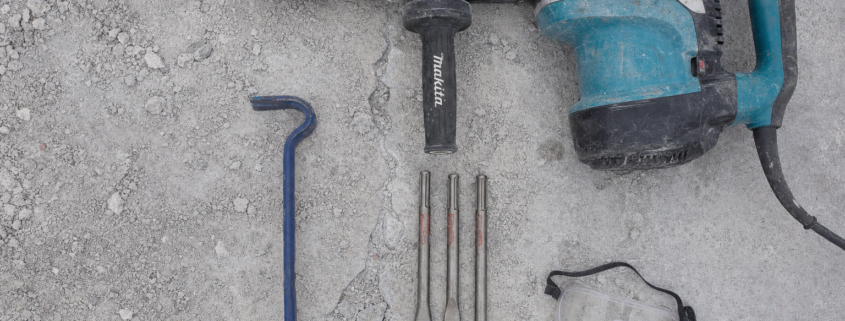
Concrete driveway removal Calgary often becomes part of a bigger home improvement plan when drainage has been ignored for years. For example, if a downspout dumps water onto a driveway, that water can freeze, crack concrete, and create a slip hazard. In some cases, poor drainage can lead to heaving, where concrete shifts because water freezes under or beside it. This is where eavestroughs and hard surfaces work together. A driveway, walkway, patio, and eavestrough system should all guide water away from the house. If the concrete is already damaged, contractors may use concrete breaking tools, jackhammer rental options, or professional demolition equipment to remove it. However, preventing water damage in the first place is usually cheaper than fixing concrete, grading, and foundation problems later.

Modern eavestroughs are not all the same. Seamless aluminum systems are popular because they have fewer joints, which means fewer spots that may leak. Leaf guards are also common, especially for homes near mature trees. These covers help keep leaves, twigs, and roof grit out of the trough, though they still need occasional checks. Larger downspouts are another trend because they move water faster during heavy rain. Some homeowners also choose darker colours to match modern siding and trim. Others add rain barrels to collect roof runoff for gardens during dry spells. The best choice depends on roof size, tree cover, budget, and how much water the property needs to handle.

Common Challenges Calgary Homeowners Face

The biggest eavestrough problems are clogs, leaks, poor slope, loose fasteners, and short downspout extensions. A clog may look small, but it can make water overflow behind the trough and soak the fascia. Poor slope means the trough does not angle properly toward the downspout, so water sits in place. In winter, standing water can freeze and add weight, pulling the system away from the house. Hail can also dent eavestroughs or knock them out of alignment. If you see water spilling over the front edge during rain, that is a warning sign. Homeowners should also watch for soil washing away near the foundation, basement dampness, peeling paint near roof edges, or ice forming under downspouts.

Company Highlight

White Knight Contracting has been in business since 2011 and serves Calgary homeowners with exterior services such as eavestroughs, roofing, siding, soffit, and hail damage repair. A major strength is that they can handle many related jobs, like siding, without forcing homeowners to hire a second contractor. That matters because exterior problems often overlap. For example, a hailstorm may damage the roof, dent eavestroughs, crack siding, and loosen soffit at the same time. Having one team look at the full exterior can make the repair process smoother. The company is known for workmanship, customer service, and experience with Calgary storm damage. For homeowners, that means fewer moving parts and a clearer plan from inspection to repair.

Future Prospects and What to Expect

In the future, more homeowners will likely treat drainage as part of full home protection, not just roof maintenance. As heavy rain events become a growing concern in many Canadian cities, better water control will matter more. Expect to see more oversized downspouts, stronger gutter hangers, gutter guards, and systems designed to connect with rain gardens or water storage. Smart home tools may also play a role, such as moisture sensors near foundations or alerts for basement dampness. Still, the basics will remain important: clean troughs, proper slope, safe discharge points, and regular inspections. A simple yearly check in spring and fall can prevent major headaches. If your home has old eavestroughs, damaged siding, or drainage issues near concrete, it is smart to look at the full picture instead of fixing one piece at a time.

FAQ

According to the Government of Canada, properly installed and maintained eavestroughs help direct roof runoff away from exterior walls and foundations, reducing the risk of water damage around the home.

Q&A

Question

What tools do Calgary concrete removal pros use and why shouldn’t you DIY it?

Answer

Pros use electric jackhammers, hydraulic breakers, skid steers, and dump trailers — equipment that is expensive, heavy, and dangerous without training. While a jackhammer rental may seem simple, the work can involve flying debris, noise, dust, buried utilities, and heavy concrete pieces. Professional crews also understand how to remove material without damaging nearby siding, eavestrough downspouts, garage slabs, or landscaping. This is why professional demolition equipment should be handled with care and experience.

Question

Can a Calgary homeowner legally rent and operate concrete removal equipment themselves?

Answer

Homeowners can legally rent equipment in Calgary, but without training, operating a jackhammer or skid steer risks injury, utility damage, and property liability. Even if the equipment is available, that does not mean it is safe for every person or property. Concrete breaking tools can be hard to control, especially near foundations, driveways, gas lines, or drainage systems. When water issues and concrete damage are connected, it is often safer to get expert advice before starting demolition.

To learn more and view our other blogs, click here,

Conclusion

Eavestroughs may not be the most exciting part of a home, but they are one of the most useful. They protect against water pooling, foundation stress, basement dampness, siding stains, icy walkways, and early concrete damage. In Calgary, where weather can change quickly, a strong drainage system is a smart investment. Whether you are planning repairs, replacing old gutters, or thinking about how water affects your driveway and landscaping, the key is to guide runoff safely away from the home. With the right materials, proper installation, and regular care, your eavestroughs can help your house stay dry, stable, and better protected for years.

The photo used in this blog are for demonstration purposes only.

Insulating Mixed-use Properties Effectively

Introduction

Achieving an airtight environment in mixed-use properties has become a top priority for building owners who want comfort, efficiency, and flexibility. These buildings combine residences with storefronts, offices, or workshops, so their insulation needs are unique. The experts at White Knight Contracting have experience delivering smart mixed-use insulation solutions that adapt to these demands.

Table of Contents

A Brief History of Mixed-Use Insulation

Mixed-use buildings have been part of city life for centuries, but modern mixed-use insulation is a recent development. Traditionally, simple materials like wool, straw, or basic fiberglass were used to separate commercial and residential areas. However, these materials often failed to create an airtight barrier or address the demands of multi-functional spaces.
The rise of spray foam and rigid boards in the late 20th century changed the game. These solutions delivered better R-values, tighter seals, and improved sound blocking between living and working areas. Over time, codes and consumer expectations have pushed the industry toward insulation that adapts to shifting floorplans and uses.

Today’s property owners demand flexible, energy-efficient, and resilient insulation strategies. Leading trends in insulating these spaces include:

  • Commercial residential foam: These spray foam products are engineered to serve both office and home needs, controlling noise and temperature equally well.
  • Hybrid systems that combine blown-in cellulose with rigid foam for superior airtight performance.
  • Advanced air and vapor barriers that prevent leaks without trapping moisture.
  • Insulation that can be applied to unusual layouts and high-traffic zones in multi-functional spaces.

On top of these, many builders now choose products that are both environmentally friendly and long-lasting, reducing costs over time and keeping spaces adaptable as needs change.

Challenges in Insulating Mixed-Use Buildings

Insulating mixed-use properties is rarely straightforward. Building owners must consider:

  • Different regulations for business and residential zones within the same property
  • Noise transfer between work and living areas
  • Keeping systems like HVAC airtight while maintaining fresh air flow
  • Space limitations, especially for older or converted buildings

Additionally, improperly installed insulation can lead to moisture problems, mold growth, or high utility bills. This is why mixed-use insulation projects often require an adaptable insulation plan and skilled installation.

Looking Ahead: Future Prospects in Insulation

The future of mixed-use insulation is all about smart technology. Expect more:

  • Insulation products with built-in sensors to monitor airtightness and moisture
  • Eco-friendly materials that perform as well as (or better than) traditional foam
  • Systems that can be easily modified as the function of each space changes

As cities add more multi-story buildings with ground-floor businesses and upper-floor homes, demand for commercial residential foam and other advanced systems will keep increasing. Building science innovations mean customers can expect even higher comfort, energy savings, and safety in the future.

Step-by-Step Guide: Achieving Airtight Mixed-Use Insulation

If you’re planning to insulate your mixed-use building, follow these simple steps:

  • Assess each space’s use: Is it residential, commercial, or a blend? Note special needs like sound reduction or moisture control.
  • Choose the right products: Commercial residential foam offers flexibility for a variety of spaces and layouts, while hybrid systems can fill oddly shaped areas effectively.
  • Seal all leaks and gaps: Use caulk or spray foam around electrical outlets, windows, doors, and penetrations.
  • Apply vapor and air barriers where needed, ensuring every zone remains airtight but healthy.
  • Hire professionals experienced in mixed-use insulation to guarantee lasting results.
  • Test the space after installation. Check for airtightness and make sure temperature and sound transfer meet your needs.

Interesting FAQ

Spray Foam Alliance certifies industry best practices for quality and safety in spray foam application.

  • What is commercial residential foam?
    A versatile spray insulation solution that works in both homes and business areas, offering excellent airtightness and noise control in mixed-use settings.
  • How does adaptable insulation benefit a multi-functional space?
    Adaptable products adjust to new layouts, renovations, or changing building codes—ensuring lasting comfort and energy savings.
  • What makes a mixed-use property harder to insulate?
    Multiple uses, high foot traffic, different code requirements, and the need for both quiet and active zones increase complexity.
  • Can one contractor handle both spray foam insulation and upgrades like siding?
    Absolutely—White Knight Contracting has been in business since 2011 and can handle many upgrades, reducing the need for multiple contractors.

Contact & More Information

To learn more and view our other blogs, click here.

Our Location

Concrete Driveway Removal in Calgary: Everything Homeowners Need to Know Before Booking

Concrete retaining wall removal Calgary may be the focus for many property upgrades, but driveway removal is often part of the same bigger plan when old concrete is cracked, sinking, or blocking a better layout. If you are getting ready to remove old driveway areas, it helps to know what affects cost, timing, cleanup, and the next steps. White Knight Contracting works with Calgary homeowners on concrete removal projects and can help make the process easier from start to finish. A driveway may look simple from the surface, but below it can be gravel, clay, rebar, drainage issues, or years of patchwork. Because of that, planning ahead can save money and reduce surprises. This guide explains what homeowners should know before booking driveway demolition Calgary services in 2026.

Table of Contents

History of Concrete Driveways in Calgary

Concrete driveways became common in Calgary because they handle heavy vehicles, cold weather, and daily use better than many older surface options. In older communities, many driveways were poured decades ago when trucks were lighter and drainage standards were different. Over time, freeze-thaw cycles can cause concrete to crack, lift, and break apart. Freeze-thaw means water gets into small cracks, freezes, expands, and makes the cracks larger. This is one reason Calgary driveways often age faster than driveways in warmer cities. According to climate data, Calgary experiences many winter days where temperatures move above and below freezing, which puts stress on exterior concrete. As a result, many homeowners eventually choose to remove old driveway sections instead of patching them again and again.

Concrete Retaining Wall Removal Calgary and Driveway Projects

Concrete retaining wall removal Calgary often connects with driveway work because walls, steps, sidewalks, and parking pads are sometimes tied into the same concrete layout. For example, a sloped front yard may have a retaining wall beside the driveway to hold soil in place. If the wall is failing, removing only the driveway may not solve the bigger problem. In other cases, a homeowner may want to widen a driveway, improve access to a garage, or prepare for new landscaping. This can mean removing both flat concrete and vertical concrete features. The key is to look at the whole area before demolition starts. That way, the crew can plan equipment access, hauling, disposal, and grading in one clear process.

One major trend in driveway demolition Calgary projects is better sorting and disposal of materials. Instead of treating everything as general waste, concrete is often separated so it can be recycled or disposed of properly. Homeowners are also asking for cleaner job sites, faster timelines, and better preparation for the next contractor, such as a paving, landscaping, or concrete pouring crew. Another trend is removing damaged concrete before water problems spread to the garage or foundation. This is especially important when the driveway slopes toward the house. More homeowners are also replacing oversized hard surfaces with better drainage designs, gravel sections, or modern concrete layouts. These choices can reduce puddling and improve curb appeal. In simple terms, removal is no longer just breaking concrete; it is part of a smarter property plan.

Concrete Driveway Cost Factors

The concrete driveway cost for removal in Calgary usually depends on size, thickness, access, reinforcement, disposal, and whether grading is needed afterward. In 2026, many Calgary driveway removal projects fall between $1,200 and $3,500. A small single-car driveway with easy access will usually cost less than a large double driveway with thick concrete and rebar. Rebar is steel reinforcement inside the concrete, and it makes removal slower because crews must cut and separate it. Disposal also matters because heavy concrete loads require proper hauling and landfill or recycling fees. If the driveway is badly sunken, there may also be extra work to clean up soft soil or uneven gravel below. For the most accurate price, homeowners should ask for an on-site review instead of relying only on a square-foot estimate.

What Usually Affects the Final Price

  • Driveway size and total square footage
  • Concrete thickness and age
  • Whether rebar or wire mesh is inside the slab
  • Access for machines, bins, and trucks
  • Disposal and hauling costs
  • Grading, cleanup, or gravel preparation after removal

Common Challenges Homeowners Should Expect

Driveway removal can look loud and messy, but a planned job should feel controlled. One common challenge is hidden thickness. A driveway may look like four inches of concrete at the edge, but it could be thicker near the garage or apron. Another issue is poor subgrade, which means the base under the concrete may be soft, wet, or uneven. If the subgrade is weak, the new driveway may fail unless it is repaired before replacement. Homeowners should also think about parking, access to the garage, and where equipment can safely move. In tight Calgary lots, fences, trees, and nearby homes may limit machine access. Because of this, it is smart to clear vehicles, bins, planters, and personal items before the crew arrives.

How to Prepare Before Booking

  • Take photos of the driveway before work begins
  • Move vehicles away from the work area
  • Check if nearby sidewalks, curbs, or utilities may be affected
  • Ask how concrete disposal is handled
  • Confirm whether grading is included after removal
  • Plan where you will park during the project

Company Highlight

White Knight Contracting has been in business since 2011 and brings broad hands-on experience to concrete removal and exterior renovation projects. One strength is that they can handle many related jobs, like siding, without homeowners needing to hire a second contractor. This is helpful when a driveway project touches other parts of the home, such as steps, exterior walls, garage edges, or drainage areas. Instead of trying to coordinate several crews, homeowners can work with one team that understands how each part connects. Their services are especially useful for homeowners dealing with storm damage, aging exterior materials, and concrete that needs to be removed safely. For many families, that means fewer delays, clearer planning, and less stress. A contractor who can see the full project, not just the broken slab, can make better decisions from day one.

Future Prospects for Concrete Removal

The future of concrete removal in Calgary will likely focus on better recycling, cleaner equipment, and stronger planning before demolition begins. Across Canada, construction and demolition waste makes up a large share of landfill material, so cities and contractors are paying closer attention to where heavy materials go. Concrete can often be crushed and reused as base material for roads, pathways, or new construction projects. This does not mean every driveway can be fully recycled, but it does mean disposal choices matter more than they used to. Homeowners should expect more questions about access, sorting, hauling, and environmental responsibility. Technology may also improve quoting, with contractors using photos, measurements, and mapping tools to estimate jobs more clearly. However, an on-site look will still be important because hidden rebar, bad base material, and tight access are hard to judge from pictures alone.

FAQ

Before booking concrete driveway removal, Calgary homeowners should factor disposal into the project plan, since the City of Calgary advises that large loads of concrete and cinder blocks must be taken to a City landfill where disposal charges apply.

Q&A

Question

What do Calgary homeowners need to know before booking a driveway removal?

Answer

Homeowners need to understand permit requirements, timelines, disposal costs, what happens to the subgrade, and how to prepare the space after removal. They should also ask if grading is included, where the concrete will be taken, and whether the crew can protect nearby surfaces. If the driveway connects to a garage slab, sidewalk, or retaining wall, those details should be reviewed before work begins. This is especially true for concrete retaining wall removal Calgary projects where soil support and drainage may be involved.

Question

How much does concrete driveway removal cost in Calgary in 2026?

Answer

Calgary driveway removal typically costs $1,200–$3,500 depending on size, thickness, rebar content, and whether grading is included after removal. A simple driveway with open access may be near the lower end, while a thick reinforced driveway with difficult hauling may cost more. Homeowners should also budget for the next step, such as new gravel, concrete, asphalt, or landscaping.

What to Expect on Removal Day

On removal day, the crew will usually confirm the work area, protect nearby features where possible, and begin breaking the concrete into manageable sections. Machines may be used for larger areas, while saws or handheld tools may be used near edges, garages, or tight spaces. The broken concrete is then loaded for hauling. After that, the area is cleaned and, if included, rough graded so it is safer and easier to prepare for the next stage. Most standard driveway demolition Calgary jobs can be completed in one to three days, depending on size and complexity. Weather, access, and disposal schedules can also affect timing. To avoid delays, homeowners should confirm details in writing before work begins.

To learn more and view our other blogs, click here,

Conclusion

Concrete driveway removal is easier when homeowners understand the full picture before booking. Cost, disposal, access, subgrade condition, and future plans all play a role in how the project should be handled. Whether you are planning to remove old driveway concrete, update a parking pad, or include concrete retaining wall removal Calgary work, the best results come from clear planning and the right crew. Ask questions early, confirm what is included, and think about what happens after the concrete is gone. With the right approach, driveway removal can be the first step toward a safer, cleaner, and better-looking property.

The photo used in this blog are for demonstration purposes only.
Avoid Spray Foam Installation Mistakes

Introduction

If you’re dreaming of a comfortable, energy-smart home, understanding the impact of thermalbridge issues and how to avoid spray foam installation mistakes is critical. Spray foam insulation can make a world of difference—if installed correctly. At White Knight Contracting, we’ve seen firsthand how proper knowledge and technique can eliminate common foam errors and help you enjoy your space all year long. Let’s explore the journey of spray foam and the simple steps that lead to flawless results!

Table of Contents

A Brief History of Spray Foam Insulation

Spray foam has been around since the 1940s but wasn’t widely used in home construction until the 1980s. Originally developed for aircraft, the blend of chemicals used in spray foam made its way into North American attics and walls as builders searched for higher energy efficiency. The foam’s unique ability to expand and seal—even around tricky shapes—created a revolution in tackling thermalbridge problems in homes and businesses alike. By closing off those energy-leaking gaps, early adopters saw their comfort soar and energy bills shrink.

Today, spray foam products are safer and more effective than ever. Innovations include:

  • Low-VOC and eco-friendly formulas for healthier indoor air
  • Smart mixes that better stop moisture and mold growth
  • Advanced application tools for more precise coverage, especially at edges where thermalbridge losses are common

As energy codes become stricter, more homeowners are choosing spray foam to pass inspections and improve resale values. The trend is clear: people want insulation that goes the extra mile—not just any basic blanket solution.

Understanding Common Installation Mistakes

The benefits of spray foam are clear—but only if you sidestep the most frequent installation mistakes. Here are some classic pitfalls:

  • Failing to address thermalbridge leaks around framing, floors, and roof penetrations
  • Poor mixing, which leads to uneven or sticky foam
  • Rushing the job, causing gaps and cold spots
  • Applying foam to dirty, icy, or damp surfaces (so it doesn’t stick)
  • Spraying too thick, which creates unsafe or shrunken layers
  • Not controlling ventilation, allowing fumes or excess moisture to linger

Many of these common foam errors happen when folks try a DIY route or hire poorly trained crews. The quickest way to wreck your insulation investment is to overlook careful surface prep or skip the practice runs. Remember, a small mistake can lead to big headaches—and major energy loss—down the road.

Step-by-Step Guide: What a Proper Install Should Look Like

To avoid spray foam installation mistakes, follow these professional spray foam tips:

  1. Clear and clean the work surfaces thoroughly, removing dust, frost, and debris.
  2. Protect any surfaces you don’t want covered, including windows and mechanicals.
  3. Test the spray system (including temperature and mix) before starting wider coverage.
  4. Apply foam in thin, even layers—waiting for each to cure before adding more.
  5. Pay special attention to spaces where thermalbridge leaks might appear, such as along wall plates and rim joists.
  6. Inspect all areas for missed spots, unevenness, or thin “flash” coats.
  7. Finish with careful trimming and proper ventilation until all odors disappear.

Professional spray foam installers always double-check their work and can catch issues with quality control before they become permanent mistakes.

Professional Spray Foam Tips & Quality Control Coaching

The difference between an okay job and a great one comes down to quality control. Expert contractors rely on careful inspections and a few tricks of the trade:

  • Thermal imaging cameras spot hidden gaps and “cold bridges” early on
  • Moisture meters check that surfaces are dry enough for strong adhesion
  • Trim tests guarantee foam density and expansion match manufacturer specs
  • Ventilation strategies protect indoor air quality during and after the work

When you trust an experienced company, you gain insights that go beyond basic installation. Since 2011, White Knight Contracting has helped clients deal with spray foam and siding jobs without juggling multiple trades. That’s the peace of mind that comes with choosing the right partner from the start.

Looking Ahead: Spray Foam and Future Prospects

As Canadians become more aware of energy use (and the cost of comfort), demand for top-shelf insulation is booming. Expect the next wave of foam products to get even smarter—adjusting to humidity or controlling air quality in real time. Thermalbridge science is moving forward too, with new tools designed to spot and block heat loss at a micro level.

Homeowners who understand how to avoid spray foam installation mistakes today are in the best position to benefit from tomorrow’s technology. Whether renovating an older home or building new, attention to detail will set your insulation project apart—for comfort, savings, and peace of mind.

Interesting FAQ

Tiger Foam reviews the benefits of spray foam options for various building insulation needs.

FAQs

  • What is a thermalbridge, and why does it matter?
    A thermalbridge is any spot where heat escapes through the building envelope due to poor insulation or gaps. Effective spray foam blocks these, boosting comfort and savings.
  • How can I spot installation mistakes after the foam is done?
    Look for spongy, sticky, or uneven areas. If rooms feel drafty or colder than expected, there may be missed gaps or thin layers.
  • Are all spray foams the same?
    No. Different foams have unique expansion rates, uses, and safety requirements. Professional advice helps you pick what’s best for your home.
  • Can my contractor do siding, too?
    Yes! We’ve been in business since 2011 and handle it all—insulation, siding, and more—so you don’t have to call multiple companies.

To learn more and view our other blogs, click here.

Removing Concrete Retaining Walls in Calgary: What Makes It Different from Regular Slab Removal

Concrete removal time Calgary can change a lot when the project is a retaining wall instead of a flat slab, because the wall may be holding back soil, water, and nearby structures. If you are planning concrete removal with White Knight Contracting, it helps to know why retaining walls need a slower, safer plan than a driveway, patio, or garage pad. A slab usually sits on the ground. A retaining wall, however, works more like a brace. It may support a yard, fence, walkway, driveway edge, or even part of a building’s landscaping. That is why crews must think about access, drainage, soil pressure, permits, and cleanup before the first cut is made.

Table of Contents

History of Concrete Retaining Walls in Calgary

Concrete retaining walls became common in Calgary as neighbourhoods grew into sloped areas and tighter lots. Many homes needed more usable yard space, so builders used walls to hold soil in place and create flat outdoor areas. In older communities, some walls were poured concrete. In newer areas, you may also see concrete blocks, reinforced walls, and walls with tiebacks or drainage stone behind them. A tieback is a support that helps anchor a wall into the ground behind it.

Calgary’s freeze-thaw weather also shaped how these walls were built. Water can get behind the wall, freeze, expand, and push against the concrete. Over time, that pressure may cause cracks, leaning, or bowing. This is one reason retaining wall demolition is not the same as breaking up a sidewalk. A failing wall may look simple from the front, but the real issue is often hidden behind it in the soil, drain pipe, or backfill.

Concrete removal time Calgary: Why Walls Take Longer

Concrete removal time Calgary depends on size, thickness, access, rebar, disposal needs, and whether the wall is still holding back soil. A small slab can often be cut, broken, loaded, and hauled away in a more direct process. A retaining wall usually needs staged removal, which means taking it down in sections instead of all at once. This lowers the chance of soil spilling forward or nearby ground shifting suddenly.

Think of a retaining wall like the side of a bookshelf holding heavy books upright. If you remove the side too quickly, the books fall over. In the same way, soil behind a wall may move if crews remove the concrete without planning. For example, a backyard wall beside a fence may need temporary bracing before demolition starts. If there is a garden bed, gas line, drain line, or neighbour’s property close by, the project timeline can grow even more.

Modern concrete wall removal Calgary projects are more planned than they used to be. Contractors now often use smaller machines, compact loaders, concrete saws, and dust control tools instead of only heavy breakers. This helps in tight Calgary yards where access is limited by fences, garages, and narrow side paths. It also helps reduce damage to nearby landscaping.

Another trend is separating materials for disposal. Concrete is very heavy, with typical normal-weight concrete around 2,300 to 2,400 kilograms per cubic metre. That means even a short wall can create a large hauling load. Rebar, which is steel reinforcement inside concrete, may also need to be cut and sorted. In many cases, clean concrete can be taken to recycling facilities, where it may be crushed and reused as base material for roads or construction projects.

Homeowners are also asking more questions about drainage. That is a good thing. A removed retaining wall often reveals poor drainage, clogged weeping tile, or soil that was placed incorrectly. Fixing those issues during the replacement stage can help prevent future wall failure.

Challenges with Concrete Wall Removal Calgary

The biggest challenge with concrete wall removal Calgary is that the wall has a job. It is not just sitting there. It may be resisting sideways soil pressure, water pressure, and frost movement. If crews ignore that, removal can become unsafe. This is why planning matters before any machine touches the concrete.

Access is another major issue. A front driveway slab may be easy to reach with equipment, but a retaining wall in a backyard may require hand work or smaller tools. Narrow gates, stairs, mature trees, and overhead wires can slow the job. Noise and dust control also matter in residential areas. Crews may use wet cutting, careful breaking patterns, and scheduled work times to reduce disruption.

There is also the question of what happens after removal. If the wall was holding back a raised yard, you may need a new wall, grading work, slope repair, or erosion control. Grading means shaping the ground so water drains away safely. Without this step, rainwater can wash soil into sidewalks, alleys, window wells, or neighbouring yards.

Retaining Wall Cost: What Changes the Price?

Retaining wall cost is affected by more than the amount of concrete you can see. Wall height, length, thickness, rebar, machine access, soil removal, disposal fees, and permit needs all play a role. A low garden wall may be simple, while a tall reinforced wall beside a driveway can be much more involved. If the wall supports a load, such as parked vehicles or a raised patio, the removal plan may need extra review.

For a real-world example, imagine two walls that are both 20 feet long. One is 2 feet high and easy to reach from a back lane. The other is 5 feet high, reinforced with steel, and located behind a house with only a small side gate. The second project will usually take more labour, more cutting, more hauling, and more safety planning. So even when the wall length is the same, the price can be very different.

To keep costs under control, homeowners should gather basic details before requesting a quote. Helpful information includes wall height, wall length, photos, access points, visible cracks, nearby fences, drainage outlets, and whether the wall is leaning. These details help the contractor estimate equipment needs and project timing more accurately.

Company Highlight

Since 2011, this Calgary team has helped homeowners with exterior and concrete-related work that often connects to bigger property repairs. One strength is that they can handle many parts of a project, including siding, without needing a second contractor for every related task. That matters because retaining wall work can sometimes affect nearby exterior finishes, drainage areas, steps, fencing, or other parts of the home.

Their broader experience with roofing, siding, eavestroughs, soffit repairs, and hail damage work also helps them look at the full property, not just one broken piece of concrete. For homeowners, that can mean fewer delays and clearer communication. Instead of trying to coordinate several separate companies, you can often get a more complete plan from one team. That is especially helpful when demolition, cleanup, drainage, and exterior repairs overlap.

Future Prospects: What to Expect Next

In the future, retaining wall demolition will likely become even more careful and data-driven. More homeowners are becoming aware of drainage, soil movement, and permit rules. At the same time, cities are paying closer attention to stormwater management and safe construction near property lines. This means retaining walls may receive more review before removal or replacement.

You can also expect more use of compact equipment and better recycling. Smaller machines help crews work in tight spaces with less impact on yards. Better recycling keeps heavy concrete out of landfills and supports reuse in base materials. For homeowners, the best approach is to plan early. Before removing a wall, ask what it supports, where water goes, whether permits are needed, and what the finished grade will look like after demolition.

FAQ

Unlike regular slab removal, concrete retaining wall removal requires extra planning because the wall may be holding back lateral soil and water pressures, which can affect excavation safety and demolition sequencing.

Q&A

Question

Why is removing a retaining wall different from standard slab removal in Calgary?

Answer

Retaining walls involve structural load, drainage systems, and soil pressure, making removal more complex and potentially requiring engineering review. A slab is usually flat on the ground, while a retaining wall may be stopping soil from moving. That means crews may need to remove it in stages, watch for drainage problems, and protect nearby areas during the work.

Question

Do you need an engineer or permit to remove a retaining wall in Calgary?

Answer

Retaining walls over 1 metre in height in Calgary typically require a permit and may need a structural engineer’s sign-off before removal begins. Smaller walls may still need careful review if they support a driveway, slope, fence, walkway, or nearby structure. When in doubt, it is smart to check permit rules before starting the project.

To learn more and view our other blogs, click here,

Conclusion

Removing a concrete retaining wall in Calgary is different from regular slab removal because the wall may be part of a larger support and drainage system. Concrete removal time Calgary can increase when crews must manage soil pressure, rebar, access limits, hauling weight, permits, and safe sequencing. However, with the right planning, the process can be handled in a cleaner and safer way. Start by checking the wall height, taking photos, noting drainage issues, and asking whether engineering or permits may apply. Then, choose a contractor who understands both demolition and the surrounding property details. That way, the wall can come down without creating bigger problems behind it.

The photo used in this blog are for demonstration purposes only.

Cost Comparison Spray Foam Insulation

Introduction

Looking for honest insights into commercialhvac and how it ties into insulation expenses? If you’re managing a business or large property, comparing the cost comparison foam insulation options can feel overwhelming. That’s where White Knight Contracting steps in. As a trusted service provider, in business since 2011, they guide clients through every detail, whether you need insulation, siding, or a full-package solution—all without hiring a second contractor.

Table of Contents

The History of Spray Foam and Cost Comparison Foam

Spray foam insulation changed the commercialhvac world decades ago. It first appeared in the 1940s for airplane construction, but quickly found its way into home and business insulation. Originally, cost comparison foam was expensive due to limited production and know-how.

By the 1980s and 1990s, the costs dropped as manufacturers improved formulas and spraying equipment. Today, spray foam is known as a top choice for energy cost analysis and building comfort.

Rising energy prices have every property owner rethinking insulation expenses. Modern commercialhvac systems are highly sensitive to air leaks and temperature swings. This is where advanced foam solutions shine; closed-cell and open-cell foams both keep indoor conditions stable, reducing heater and AC strain.

  • Open-cell foam: Lower up-front cost, solid soundproofing
  • Closed-cell foam: Higher cost, but better moisture seal and insulation
  • Hybrid approaches mix foam with batts or rigid board, balancing budget and performance
  • Building codes now often require higher R-values in commercial projects

Many businesses today compare the cost of insulating with spray foam versus traditional fiberglass or cellulose—not just the initial price, but long-term heating and cooling bill savings. Best value insulation for commercialhvac projects is rarely just the cheapest upfront.

Common Challenges: What Impacts Your Insulation Budget?

A big part of cost comparison foam decisions comes down to conditions at your site and usage patterns. Here’s what plays a part in total insulation expenses:

  • Building age and existing insulation—retrofitting costs can add up
  • Size and shape—odd angles or hard-to-reach spots may increase labor
  • Local climate—extreme cold or heat make high-performance foam more valuable
  • Material costs—prices rise and fall with global markets

The key point: energy cost analysis isn’t one-size-fits-all. Every commercialhvac upgrade should be customized and weighed for long-term savings.

Future Prospects: Where Is Energy Cost Analysis Heading?

Experts predict the best value insulation will focus more on sustainability and smarter commercialhvac integrations. Many new foams use renewable ingredients or recycled content. Some innovations even include sensors that help building managers track energy leaks in real time.

  • Greener chemicals reduce emissions
  • Automated HVAC systems adjust to insulation performance
  • Tax credits are often available for high-efficiency upgrades

Expect more bundled solutions—like insulation projects that include siding or other exterior improvements, making it easier and cheaper to get everything done at once.

Step-by-Step: How to Make the Best Value Insulation Choice

Choosing between foam and other insulation types for your commercialhvac can be simple and stress-free:

  1. Schedule an energy audit—pinpoint where you’re losing heat or cold air.
  2. Get cost comparison foam quotes—factor in not only material but labor, timeline, and waste hauling if replacing old insulation.
  3. Ask for energy cost analysis—request predictions of utility bill savings over 5–10 years.
  4. Check for incentives—look up local rebates for going green.
  5. Partner with experienced contractors—licensed experts like White Knight Contracting can handle everything from estimate to final walkthrough.

Cost Comparison Foam vs. Other Insulation Types

Wondering how cost comparison foam stacks up? Here’s a quick breakdown:

  • Spray Foam: Higher upfront insulation expenses, biggest long-term savings
  • Fiberglass Batts: Lowest up-front costs, but less energy efficient over time
  • Cellulose: Eco-friendly and moderate cost, but heavier and may settle
  • Rigid Board: Offers high R-values, but tricky for complex shapes and joints

Most commercialhvac professionals agree: spray foam is the best value insulation for stopping air leaks and keeping climate control costs down, especially in older or unique buildings.

Facts, Stats, and Expert Opinions

Data shows spray foam reduces HVAC energy costs by up to 30% annually in many business settings. Studies from the U.S. Department of Energy highlight that commercial buildings with upgraded foam insulation often pay for the upgrade via lower utility bills in as little as three years.

Experts like HVAC consultant Mike Peterson say, “Foam is the gold standard for custom builds and retrofits. If your energy cost analysis covers a 10-year period, foam nearly always wins the best value insulation race.”

If you need more details about energy efficiency, talk to a certified commercialhvac contractor for customized advice.

Interesting FAQ

Accufoam discusses spray foam application under cold weather conditions for optimal results.

  • Can spray foam be added over old insulation?
    Yes, but a professional energy cost analysis can determine if removing old layers is a smarter investment.
  • How long does spray foam last?
    Most products have a lifespan of 20–30 years—longer than fiberglass alternatives.
  • Is spray foam safe for all building types?
    Absolutely, as long as it’s installed correctly following building codes and ventilation needs.
  • Can one contractor handle both insulation and siding?
    Yes! White Knight Contracting offers both services, saving you time and coordination headaches.

Conclusion

Choosing the right insulation for your commercialhvac system boils down to total value, not just up-front insulation expenses. With careful cost comparison foam reviews, thorough energy cost analysis, and help from professionals, you can find the best value insulation tailored to your business needs. To learn more and view

How Long Does Residential Concrete Removal Take in Calgary? A Job-by-Job Breakdown

Pool demolition Calgary projects often lead homeowners to ask the same big question: how long will this take from start to finish? If you are planning concrete removal for an old pool pad, patio, driveway, walkway, or backyard slab, the timeline depends on size, access, thickness, weather, and disposal needs. In Calgary, freeze-thaw cycles can also make concrete crack in odd ways, which may change how crews break and haul it away. White Knight Contracting helps homeowners plan these jobs with a clear residential concrete schedule so there are fewer surprises. A small patio may be gone before lunch, while a large driveway or pool area can take one to several days. The key is knowing what type of job you have before setting your expectations.

Table of Contents

Pool Demolition Calgary Timeline: The Basic Breakdown

For Pool demolition Calgary work, timing can vary more than a simple patio or walkway because pool areas often include thicker concrete, hidden reinforcement, drains, coping, and tight backyard access. In simple terms, concrete removal means breaking existing concrete into smaller pieces, loading it, hauling it away, and preparing the area for the next step. A small slab may only need hand tools and a compact machine, while a larger pool surround may need saw cutting, jackhammering, skid steer work, and multiple disposal trips. Most residential jobs are planned in half-day, full-day, or multi-day blocks. However, it is smart to leave some room in your schedule for weather or hidden site issues. In Calgary, cold ground, wet soil, and older construction methods can all affect the concrete removal timeline.

History: Why Concrete Removal Has Changed

Years ago, many homeowners removed small concrete areas with sledgehammers, pry bars, rented bins, and a lot of hard labour. That worked for thin slabs, but it was slow, messy, and often unsafe. Today, residential concrete removal is much more planned and equipment-based. Crews may use compact excavators, concrete saws, jackhammers, skid steers, and dump trailers to speed up the job. This has changed how long demolition takes because the right machine can do in hours what used to take a weekend. Still, older Calgary homes can bring surprises, such as extra-thick slabs, buried steel mesh, or concrete poured over old concrete. That is why a site check is still one of the best ways to build a realistic schedule.

Job-by-Job Residential Concrete Schedule

Driveway removal

A standard residential driveway usually takes 1 to 2 days to remove. The first day often includes saw cutting edges, breaking the slab, lifting pieces, and loading concrete for disposal. A larger driveway, shared driveway, or driveway with thick edges can take longer. If there is heavy rebar, which means steel bars placed inside concrete for strength, crews may need extra cutting time. Access also matters because a wide front driveway is much easier to reach than a narrow side yard. As a general rule, driveways are one of the most predictable concrete removal jobs when the site is open and easy to reach.

Patio removal

A basic backyard patio often takes 4 to 8 hours, depending on size and access. If equipment can reach the patio, the job may be done quickly. If crews must move broken concrete by wheelbarrow through a gate, the work can take longer. Patios are sometimes poured thin, but older ones may be uneven or reinforced. Another common issue is a patio that slopes toward the house, which may require careful work near siding, steps, or doors. For homeowners, the best move is to clear furniture, planters, and grills before the crew arrives.

Steps, walkways, and small slabs

Concrete steps, walkways, shed pads, and small front slabs may take only a few hours. However, steps can be surprisingly tough because they are often thick and may be tied into the house or landing. Walkways are usually easier, especially when they are thin and cracked already. A small slab may look simple, but if it was poured with heavy wire mesh, breaking it into clean pieces can take extra time. These jobs are often finished in the same day. Even so, safe cutting and careful removal near landscaping or foundation walls should not be rushed.

Pool areas and full yard clearance

Pool demolition Calgary projects and full yard concrete clearances can take several days. A pool surround may include concrete decking, buried lines, old drains, coping stones, and compacted base material. Full yard clearance may involve patios, walkways, stairs, garden curbs, and leftover chunks from past projects. This is where a clear residential concrete schedule matters most. Crews may remove concrete in stages so the yard stays safer and easier to manage. Disposal can also add time, especially if there are several loads to haul away.

One major trend is better sorting and recycling. According to the U.S. Environmental Protection Agency, construction and demolition debris reached about 600 million tons in 2018, and concrete made up a large share of that material. Because of this, many contractors now try to send clean concrete to recycling facilities instead of treating everything as waste. Another trend is using smaller machines that fit through tighter spaces, which helps Calgary homeowners with narrow lots. More people are also removing old concrete to make room for low-maintenance landscaping, better drainage, or new outdoor living spaces. At the same time, homeowners are asking for clearer timelines before work starts. This has made planning, access checks, and disposal estimates more important than ever.

Challenges That Affect How Long Demolition Takes

Several things can stretch a concrete removal timeline beyond the first estimate. Rebar density is one of the biggest factors because steel slows down breaking and loading. Buried utilities, such as gas, electrical, irrigation, or drainage lines, also require extra caution. Poor access can turn a fast machine job into a slower hand-carry job. Wet or frozen ground may make equipment movement harder and can create cleanup issues. Oversized slabs, hidden footings, or concrete poured thicker at the edges can also add time. In simple terms, the more unknowns under or around the slab, the more flexible the schedule should be.

  • Mark irrigation lines, lighting wires, and drain areas before work starts.
  • Move vehicles, patio furniture, planters, and outdoor items away from the work zone.
  • Ask whether disposal and cleanup are included in the timeline.
  • Leave room in your calendar for weather delays, especially in spring and winter.
  • Share old renovation details if you know the concrete was poured in layers.

Company Highlight

White Knight Contracting has been in business since 2011 and brings a practical, local approach to residential exterior and concrete-related projects. One of their strengths is that they can handle many connected parts of a job, such as siding, without needing a second contractor. That matters when concrete removal is close to the house, garage, steps, or exterior walls. Homeowners do not want to manage several trades if one reliable team can plan the work more smoothly. The company is known for strong communication, quality workmanship, and helping Calgary homeowners deal with projects tied to weather, wear, and property updates. For a homeowner, that can make the process feel less like a guessing game and more like a planned project.

Future Prospects: What Homeowners Can Expect

Looking ahead, concrete removal will likely become more efficient, cleaner, and easier to schedule. Better compact equipment will help crews work in tight Calgary backyards with less damage to lawns and fences. Recycling options may also keep improving, which can reduce waste and support more responsible disposal. Homeowners should expect more detailed quotes that explain the likely timeline, disposal plan, access needs, and possible delay points. Digital photos and simple site measurements may help contractors give faster first estimates, but an in-person check will still be useful for bigger projects. If you are planning Pool demolition Calgary work, expect the best contractors to ask about utilities, drainage, access, and your plans for the space after removal.

FAQ

For a typical residential project, most concrete slabs take 1 to 2 days to remove, though the exact timeline depends on size, thickness, reinforcement, and site accessibility.

Q&A

Question

How long does a typical residential concrete removal job take in Calgary?

Answer

A driveway takes 1–2 days, a patio 4–8 hours, steps a few hours, and a full yard clearance can take several days depending on volume.

Question

What factors make a Calgary concrete removal job take longer than expected?

Answer

Factors include unexpected rebar density, poor equipment access, buried utilities, oversized slabs, and wet or frozen ground conditions.

To learn more and view our other blogs, click here,

Conclusion

Most residential concrete removal jobs in Calgary are measured in hours or days, not weeks. A patio may be finished in a single day, while a driveway often takes 1 to 2 days and a full yard or pool area can take several days. The biggest time factors are slab size, thickness, reinforcement, access, weather, and disposal needs. A clear plan helps protect your property and keeps the work moving safely. If you are comparing timelines, remember that the fastest option is not always the best one. A careful crew that checks access, utilities, and cleanup needs can save you stress later.

The photo used in this blog are for demonstration purposes only.