
Introduction
Looking for honest insights into commercialhvac and how it ties into insulation expenses? If you’re managing a business or large property, comparing the cost comparison foam insulation options can feel overwhelming. That’s where White Knight Contracting steps in. As a trusted service provider, in business since 2011, they guide clients through every detail, whether you need insulation, siding, or a full-package solution—all without hiring a second contractor.
Table of Contents
- The History of Spray Foam and Cost Comparison Foam
- Current Trends in CommercialHVAC and Insulation Expenses
- Common Challenges: What Impacts Your Insulation Budget?
- Future Prospects: Where Is Energy Cost Analysis Heading?
- Step-by-Step: How to Make the Best Value Insulation Choice
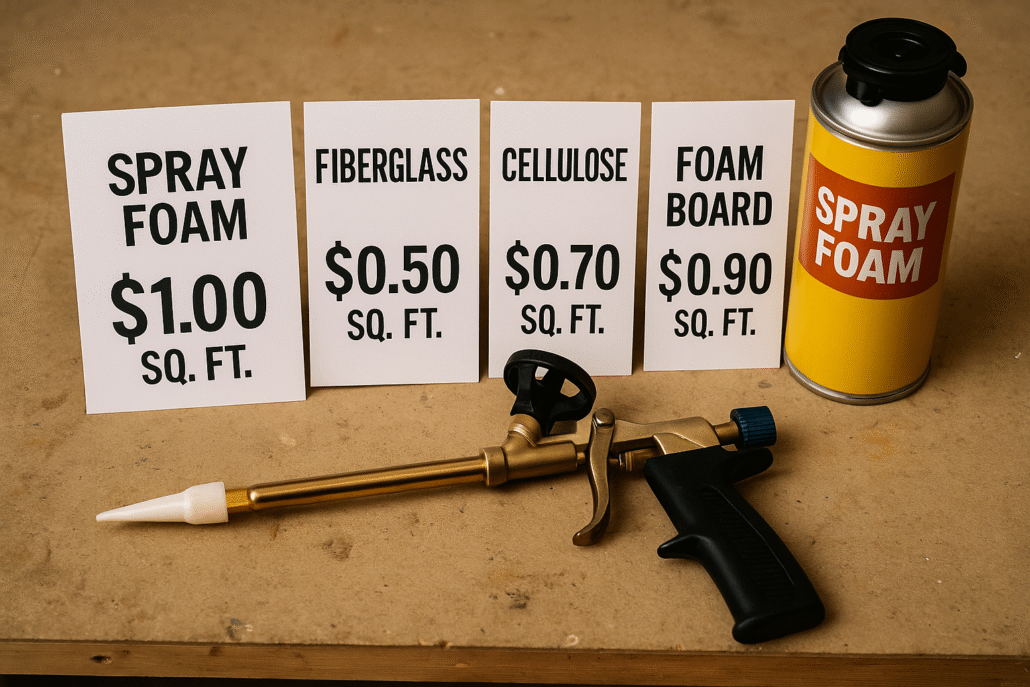
- Cost Comparison Foam vs. Other Insulation Types
- Facts, Stats, and Expert Opinions
- Interesting FAQ
- Conclusion
The History of Spray Foam and Cost Comparison Foam
Spray foam insulation changed the commercialhvac world decades ago. It first appeared in the 1940s for airplane construction, but quickly found its way into home and business insulation. Originally, cost comparison foam was expensive due to limited production and know-how.
By the 1980s and 1990s, the costs dropped as manufacturers improved formulas and spraying equipment. Today, spray foam is known as a top choice for energy cost analysis and building comfort.
Current Trends in CommercialHVAC and Insulation Expenses
Rising energy prices have every property owner rethinking insulation expenses. Modern commercialhvac systems are highly sensitive to air leaks and temperature swings. This is where advanced foam solutions shine; closed-cell and open-cell foams both keep indoor conditions stable, reducing heater and AC strain.
- Open-cell foam: Lower up-front cost, solid soundproofing
- Closed-cell foam: Higher cost, but better moisture seal and insulation
- Hybrid approaches mix foam with batts or rigid board, balancing budget and performance
- Building codes now often require higher R-values in commercial projects
Many businesses today compare the cost of insulating with spray foam versus traditional fiberglass or cellulose—not just the initial price, but long-term heating and cooling bill savings. Best value insulation for commercialhvac projects is rarely just the cheapest upfront.
Common Challenges: What Impacts Your Insulation Budget?
A big part of cost comparison foam decisions comes down to conditions at your site and usage patterns. Here’s what plays a part in total insulation expenses:
- Building age and existing insulation—retrofitting costs can add up
- Size and shape—odd angles or hard-to-reach spots may increase labor
- Local climate—extreme cold or heat make high-performance foam more valuable
- Material costs—prices rise and fall with global markets
The key point: energy cost analysis isn’t one-size-fits-all. Every commercialhvac upgrade should be customized and weighed for long-term savings.
Future Prospects: Where Is Energy Cost Analysis Heading?
Experts predict the best value insulation will focus more on sustainability and smarter commercialhvac integrations. Many new foams use renewable ingredients or recycled content. Some innovations even include sensors that help building managers track energy leaks in real time.
- Greener chemicals reduce emissions
- Automated HVAC systems adjust to insulation performance
- Tax credits are often available for high-efficiency upgrades
Expect more bundled solutions—like insulation projects that include siding or other exterior improvements, making it easier and cheaper to get everything done at once.
Step-by-Step: How to Make the Best Value Insulation Choice
Choosing between foam and other insulation types for your commercialhvac can be simple and stress-free:
- Schedule an energy audit—pinpoint where you’re losing heat or cold air.
- Get cost comparison foam quotes—factor in not only material but labor, timeline, and waste hauling if replacing old insulation.
- Ask for energy cost analysis—request predictions of utility bill savings over 5–10 years.
- Check for incentives—look up local rebates for going green.
- Partner with experienced contractors—licensed experts like White Knight Contracting can handle everything from estimate to final walkthrough.
Cost Comparison Foam vs. Other Insulation Types
Wondering how cost comparison foam stacks up? Here’s a quick breakdown:
- Spray Foam: Higher upfront insulation expenses, biggest long-term savings
- Fiberglass Batts: Lowest up-front costs, but less energy efficient over time
- Cellulose: Eco-friendly and moderate cost, but heavier and may settle
- Rigid Board: Offers high R-values, but tricky for complex shapes and joints
Most commercialhvac professionals agree: spray foam is the best value insulation for stopping air leaks and keeping climate control costs down, especially in older or unique buildings.
Facts, Stats, and Expert Opinions
Data shows spray foam reduces HVAC energy costs by up to 30% annually in many business settings. Studies from the U.S. Department of Energy highlight that commercial buildings with upgraded foam insulation often pay for the upgrade via lower utility bills in as little as three years.
Experts like HVAC consultant Mike Peterson say, “Foam is the gold standard for custom builds and retrofits. If your energy cost analysis covers a 10-year period, foam nearly always wins the best value insulation race.”
If you need more details about energy efficiency, talk to a certified commercialhvac contractor for customized advice.
Interesting FAQ
Accufoam discusses spray foam application under cold weather conditions for optimal results.
- Can spray foam be added over old insulation?
Yes, but a professional energy cost analysis can determine if removing old layers is a smarter investment. - How long does spray foam last?
Most products have a lifespan of 20–30 years—longer than fiberglass alternatives. - Is spray foam safe for all building types?
Absolutely, as long as it’s installed correctly following building codes and ventilation needs. - Can one contractor handle both insulation and siding?
Yes! White Knight Contracting offers both services, saving you time and coordination headaches.
Conclusion
Choosing the right insulation for your commercialhvac system boils down to total value, not just up-front insulation expenses. With careful cost comparison foam reviews, thorough energy cost analysis, and help from professionals, you can find the best value insulation tailored to your business needs. To learn more and view


Leave a Reply
Want to join the discussion?Feel free to contribute!