
Concrete removal cost Calgary may seem like an odd place to start when talking about eavestroughs, but both topics come down to the same smart homeowner question: repair what you can, replace what you must, and know where your money is going. In Calgary, eavestrough problems often show up after hail, freeze-thaw cycles, heavy rain, or years of clogged gutters. A small leak can look simple, but it may point to sagging, poor slope, weak fascia, or undersized downspouts. That is why choosing between repair and replacement matters. White Knight Contracting helps homeowners look at the full picture before spending money. The goal is not just to stop water today, but to protect your roof, siding, foundation, and yard for years.
Table of Contents
- History of Eavestroughs in Calgary Homes
- Eavestrough Repair vs. Replacement: The Main Difference
- Concrete removal cost Calgary and Home Exterior Planning
- Current Trends in Eavestrough Work
- Common Challenges Homeowners Face
- Company Highlight
- Future Prospects and What to Expect
- FAQ
- Q&A
History of Eavestroughs in Calgary Homes
Eavestroughs have always had one basic job: move water away from the home. Older Calgary homes often used simpler metal gutter systems that worked well enough during light rain, but modern storms can be harder on them. Today, homeowners expect eavestroughs to handle sudden downpours, melting snow, and ice buildup. Over time, materials have also changed. Aluminum became popular because it is light, affordable, and resists rust better than older steel options. Seamless eavestroughs also became common because fewer joints mean fewer leak points.
In Calgary, the freeze-thaw cycle is a big part of the story. Water can sit in a low spot, freeze overnight, expand, and slowly pull the system apart. Then, when spring arrives, that same weak spot may leak or overflow. This is why a problem that starts small can grow quickly. A dripping corner may seem harmless, but over time it can damage fascia boards, stain siding, and send water toward the foundation. In simple terms, eavestroughs are like the home’s drainage highway, and when one lane is blocked, water finds its own path.
Eavestrough Repair vs. Replacement: The Main Difference
Repair is usually the right choice when the system is mostly sound. This may include sealing a joint, re-sloping a section, replacing a damaged bracket, or fixing a loose downspout. If one corner leaks but the rest of the eavestrough is straight and strong, repair can be a smart and affordable move. It is like patching one tire instead of buying a full new set. However, repairs only make sense when the main structure still works properly.
Replacement is often better when the eavestroughs are badly bent, rusted, cracked, pulling away from the roofline, or too small for the amount of water they need to carry. Homeowners should also consider replacement if they keep paying for the same repair again and again. According to the Government of Canada, homeowners should consider larger eavestroughs or downspouts when systems keep overflowing during rainstorms even with regular maintenance. That matters in Calgary, where hail and fast weather changes can push old systems past their limit. If water is repeatedly spilling over the edge, the issue may not be dirt, it may be design.
Concrete removal cost Calgary and Home Exterior Planning
Concrete removal cost Calgary comes up often when homeowners are doing several exterior upgrades at once. For example, a family may replace eavestroughs, repair grading, remove a cracked walkway, and improve drainage all during the same project. While concrete removal is not the same trade as eavestrough work, both affect how water moves around your property. If a downspout empties onto a sunken concrete pad, water may pool near the foundation instead of draining away. That means replacing eavestroughs without fixing the ground below may only solve half the problem.
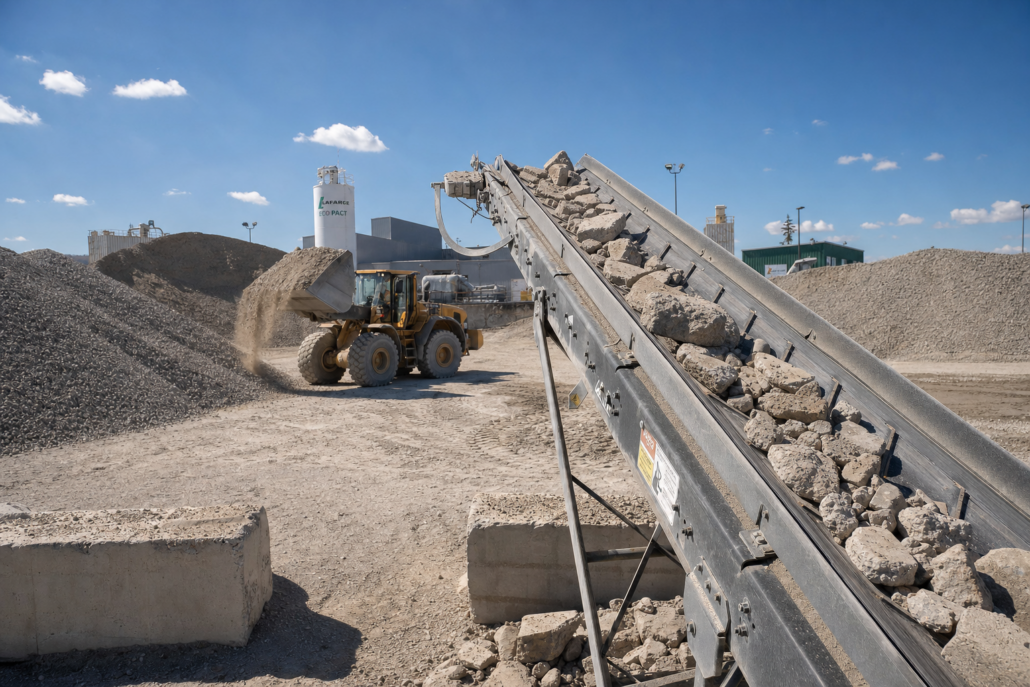
Good planning can also lower waste. Many homeowners now ask about concrete recycling Calgary because they want their old concrete reused instead of dumped. In many cases, concrete disposal involves hauling broken concrete to a facility where it can be crushed into aggregate. Aggregate means small crushed stone used under roads, driveways, and construction areas. This fits with the growing interest in eco-friendly demolition, where materials are sorted and reused when possible. So, while you are deciding between eavestrough repair and replacement, it is also wise to think about where the water lands and whether nearby concrete is helping or hurting drainage.
Current Trends in Eavestrough Work
One major trend is the move toward larger downspouts and better water flow. Many older homes have systems that were fine years ago but now struggle during sudden rain. Another trend is seamless aluminum eavestroughs, which reduce leaks because they have fewer joints. Homeowners are also asking for colours that match soffit, fascia, siding, and trim. This matters because exterior repairs are no longer just about function; curb appeal is part of the decision too.
Gutter guards are another popular option, but they are not a magic fix. They can reduce leaves and debris, but they still need checking, especially after windstorms. Some homeowners also add extensions to downspouts so water drains farther from the house. As a general rule, water should be directed away from the foundation, not onto walkways, low spots, or basement window wells. Compared with basic patch repairs, these upgrades can cost more upfront, but they often reduce future maintenance and water damage risk.
Common Challenges Homeowners Face
The biggest challenge is knowing whether damage is cosmetic or serious. A dent from hail may look minor, but if it changes the slope of the eavestrough, water can stop flowing properly. Another challenge is hidden wood damage behind the gutter. If fascia boards are soft or rotting, simply attaching a new eavestrough will not solve the problem for long. This is why a proper inspection matters before any decision is made.
Cost is another concern. Repairs are usually cheaper at first, but repeated service calls can add up. Replacement costs more at the start, but it may be the better value if the whole system is near the end of its life. Homeowners should compare the age of the system, the number of problem areas, and the chance of future leaks. A simple rule is this: repair isolated damage, replace widespread failure. Also, remember that poor drainage can lead to bigger costs, including landscaping issues, basement moisture, and foundation stress.
Company Highlight
The team has been in business since 2011 and brings practical experience to exterior home repairs in Calgary. One major strength is that they can handle many connected parts of the job, including siding, without homeowners needing to hire a second contractor. This is helpful because eavestrough issues often affect more than one area. A damaged gutter can mark siding, weaken fascia, and change how water runs down the wall. Having one team look at the full exterior can make the project smoother and reduce delays.
Another strength is their experience with storm-related damage, especially hail. Calgary homeowners know how fast hail can damage eavestroughs, siding, roofing edges, and trim. A contractor who understands how these systems work together can spot problems that are easy to miss. For example, replacing a dented eavestrough without checking the downspout outlet or nearby siding may leave water problems behind. A full-property view helps homeowners make better choices and avoid paying twice for work that could have been planned together.
Future Prospects and What to Expect
In the future, homeowners should expect more focus on water control and durable materials. Severe weather is already a major cost driver across Canada, with insured damage from storms reaching billions of dollars in recent years according to insurance industry reporting. That does not mean every home needs the most expensive system. It means homeowners should choose materials and designs that fit Calgary’s weather instead of only picking the lowest price.
Expect more people to combine exterior projects. Eavestrough replacement may happen at the same time as siding repair, roof edge work, grading changes, or concrete disposal. This makes sense because water management is a system, not a single part. Homeowners may also see more eco-friendly demolition options, including better sorting of metal, concrete, and other materials. If concrete recycling Calgary continues to grow, more removed concrete can be reused locally instead of treated as waste.
FAQ
Q&A
Question
Where does all the concrete go after it’s removed from a Calgary property?
Answer
Concrete removed in Calgary is hauled to recycling facilities where it’s crushed into aggregate and reused in road base and construction projects.
Question
Is recycled concrete from Calgary homes reused locally or shipped elsewhere?
Answer
Most concrete recycled from Calgary residential projects is processed locally at facilities like Inland Aggregates and reused as road base and fill material.
What to Do Before You Decide
Start with a simple visual check after rain. Look for overflowing sections, leaks at corners, water marks on siding, and pooling near the foundation. Next, check whether the eavestrough is pulling away from the fascia or sagging in the middle. If the problem is only one small leak, repair may be enough. If there are several weak points, replacement may save money over time.
Also, think about the ground below. If downspouts empty onto cracked concrete or a low walkway, drainage may still fail even with new eavestroughs. In that case, planning around concrete removal cost Calgary, grading, and downspout extensions can help protect the whole property. To learn more and view our other blogs, click here,
Conclusion
Choosing between eavestrough repair and replacement in Calgary comes down to age, damage, water flow, and long-term value. A small isolated issue may only need a repair, while repeated leaks, sagging, overflow, or storm damage may point to replacement. It also helps to look beyond the gutter itself and think about siding, fascia, grading, and nearby concrete. When water is managed properly from roofline to ground, your home has a much better chance of staying dry and protected. With smart planning, homeowners can avoid repeat repairs and make exterior upgrades that work together.
The photo used in this blog are for demonstration purposes only.

Leave a Reply
Want to join the discussion?Feel free to contribute!