
Concrete driveway removal Calgary may sound like a different topic, but it connects to one big home issue: water must move away from your house, not toward it. Eavestroughs are the channels along your roofline that catch rain and melting snow, then send that water through downspouts to a safer spot. In Calgary, where hail, wind, snow, freeze-thaw cycles, and sudden summer storms are common, they are not just a nice add-on. They help protect siding, landscaping, basements, walkways, and foundations from costly water damage. White Knight Contracting works with Calgary homeowners who need exterior systems that stand up to local weather. Think of eavestroughs like traffic lanes for water: without clear lanes, water goes wherever it wants.
Table of Contents
- What Are Eavestroughs?
- A Short History of Eavestroughs
- Why Every Calgary Home Needs Them
- Concrete driveway removal Calgary and Drainage Planning
- Current Trends in Eavestrough Systems
- Common Challenges Calgary Homeowners Face
- Company Highlight
- Future Prospects and What to Expect
- FAQ
- Q&A
- Conclusion
What Are Eavestroughs?
Eavestroughs, also called gutters, are troughs attached along the lower edge of a roof. Their job is simple: collect water from the roof and move it into downspouts. A downspout is the vertical pipe that carries water down to the ground and away from the home. Without this system, roof runoff can pour straight down beside the foundation, splash dirt onto siding, flood garden beds, or create icy patches on walkways. One millimetre of rain on a 100-square-metre roof can create about 100 litres of water. That means even a short storm can send a surprising amount of water toward your home. When eavestroughs are installed with the right slope and outlets, they quietly do an important job every season.
A Short History of Eavestroughs
Eavestroughs have been around in different forms for a very long time. Ancient builders used stone channels and clay drains to move water away from homes, temples, and public spaces. Later, wood and metal troughs became common on houses because people saw how much damage standing water could cause. In older neighbourhoods, you may still see simple metal systems that were installed decades ago and repaired many times. Today, most homes use aluminum, steel, vinyl, or copper eavestroughs. Aluminum is popular because it is light, does not rust easily, and can be shaped into seamless lengths. The goal has stayed the same through history: protect the building by controlling water.
Why Every Calgary Home Needs Them
Calgary weather puts homes through a lot. Snow can melt during a Chinook, freeze again overnight, and then melt once more a few days later. That repeated freeze-thaw cycle can push water into small gaps, then expand when it freezes. Over time, this can damage fascia boards, siding edges, and foundation areas. Eavestroughs help reduce that risk by moving water away before it has time to pool. They also help protect basements, especially where grading slopes toward the house. In simple terms, a good eavestrough system gives water a planned path instead of letting it choose the weakest spot.
Concrete driveway removal Calgary and Drainage Planning
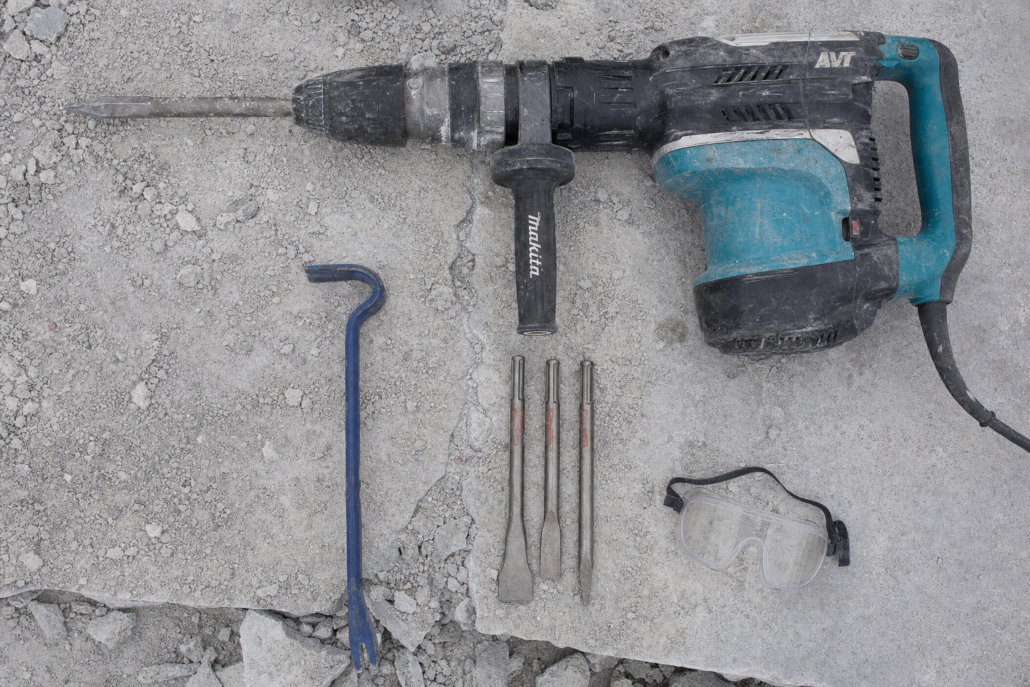
Concrete driveway removal Calgary often becomes part of a bigger home improvement plan when drainage has been ignored for years. For example, if a downspout dumps water onto a driveway, that water can freeze, crack concrete, and create a slip hazard. In some cases, poor drainage can lead to heaving, where concrete shifts because water freezes under or beside it. This is where eavestroughs and hard surfaces work together. A driveway, walkway, patio, and eavestrough system should all guide water away from the house. If the concrete is already damaged, contractors may use concrete breaking tools, jackhammer rental options, or professional demolition equipment to remove it. However, preventing water damage in the first place is usually cheaper than fixing concrete, grading, and foundation problems later.
Current Trends in Eavestrough Systems
Modern eavestroughs are not all the same. Seamless aluminum systems are popular because they have fewer joints, which means fewer spots that may leak. Leaf guards are also common, especially for homes near mature trees. These covers help keep leaves, twigs, and roof grit out of the trough, though they still need occasional checks. Larger downspouts are another trend because they move water faster during heavy rain. Some homeowners also choose darker colours to match modern siding and trim. Others add rain barrels to collect roof runoff for gardens during dry spells. The best choice depends on roof size, tree cover, budget, and how much water the property needs to handle.
Common Challenges Calgary Homeowners Face
The biggest eavestrough problems are clogs, leaks, poor slope, loose fasteners, and short downspout extensions. A clog may look small, but it can make water overflow behind the trough and soak the fascia. Poor slope means the trough does not angle properly toward the downspout, so water sits in place. In winter, standing water can freeze and add weight, pulling the system away from the house. Hail can also dent eavestroughs or knock them out of alignment. If you see water spilling over the front edge during rain, that is a warning sign. Homeowners should also watch for soil washing away near the foundation, basement dampness, peeling paint near roof edges, or ice forming under downspouts.
Company Highlight
White Knight Contracting has been in business since 2011 and serves Calgary homeowners with exterior services such as eavestroughs, roofing, siding, soffit, and hail damage repair. A major strength is that they can handle many related jobs, like siding, without forcing homeowners to hire a second contractor. That matters because exterior problems often overlap. For example, a hailstorm may damage the roof, dent eavestroughs, crack siding, and loosen soffit at the same time. Having one team look at the full exterior can make the repair process smoother. The company is known for workmanship, customer service, and experience with Calgary storm damage. For homeowners, that means fewer moving parts and a clearer plan from inspection to repair.
Future Prospects and What to Expect
In the future, more homeowners will likely treat drainage as part of full home protection, not just roof maintenance. As heavy rain events become a growing concern in many Canadian cities, better water control will matter more. Expect to see more oversized downspouts, stronger gutter hangers, gutter guards, and systems designed to connect with rain gardens or water storage. Smart home tools may also play a role, such as moisture sensors near foundations or alerts for basement dampness. Still, the basics will remain important: clean troughs, proper slope, safe discharge points, and regular inspections. A simple yearly check in spring and fall can prevent major headaches. If your home has old eavestroughs, damaged siding, or drainage issues near concrete, it is smart to look at the full picture instead of fixing one piece at a time.
FAQ
According to the Government of Canada, properly installed and maintained eavestroughs help direct roof runoff away from exterior walls and foundations, reducing the risk of water damage around the home.
Q&A
Question
What tools do Calgary concrete removal pros use and why shouldn’t you DIY it?
Answer
Pros use electric jackhammers, hydraulic breakers, skid steers, and dump trailers — equipment that is expensive, heavy, and dangerous without training. While a jackhammer rental may seem simple, the work can involve flying debris, noise, dust, buried utilities, and heavy concrete pieces. Professional crews also understand how to remove material without damaging nearby siding, eavestrough downspouts, garage slabs, or landscaping. This is why professional demolition equipment should be handled with care and experience.
Question
Can a Calgary homeowner legally rent and operate concrete removal equipment themselves?
Answer
Homeowners can legally rent equipment in Calgary, but without training, operating a jackhammer or skid steer risks injury, utility damage, and property liability. Even if the equipment is available, that does not mean it is safe for every person or property. Concrete breaking tools can be hard to control, especially near foundations, driveways, gas lines, or drainage systems. When water issues and concrete damage are connected, it is often safer to get expert advice before starting demolition.
To learn more and view our other blogs, click here,
Conclusion
Eavestroughs may not be the most exciting part of a home, but they are one of the most useful. They protect against water pooling, foundation stress, basement dampness, siding stains, icy walkways, and early concrete damage. In Calgary, where weather can change quickly, a strong drainage system is a smart investment. Whether you are planning repairs, replacing old gutters, or thinking about how water affects your driveway and landscaping, the key is to guide runoff safely away from the home. With the right materials, proper installation, and regular care, your eavestroughs can help your house stay dry, stable, and better protected for years.
The photo used in this blog are for demonstration purposes only.


Leave a Reply
Want to join the discussion?Feel free to contribute!