Effective Airsealing Using Spray Foam

Introduction

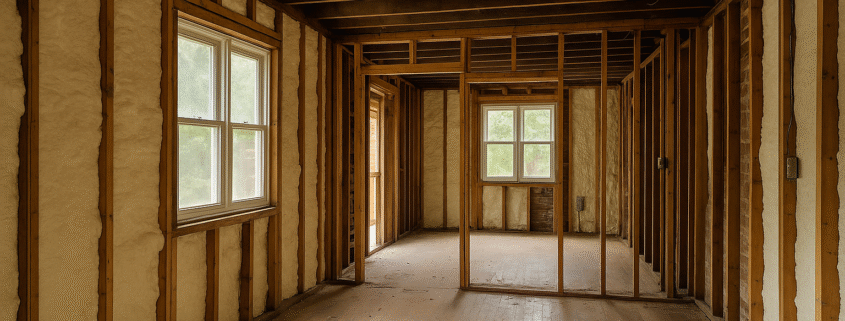
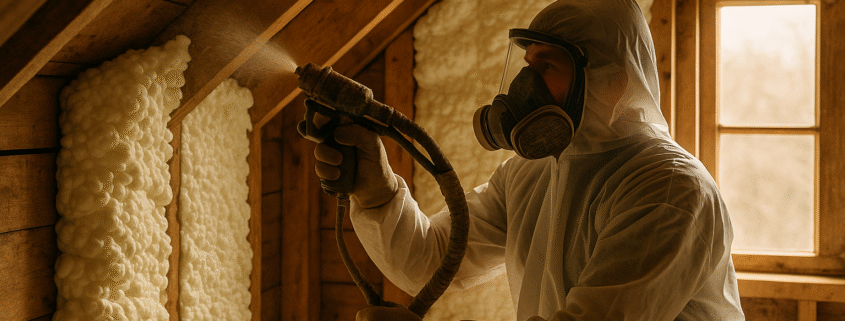
Airsealing with spray foam is a powerful solution for transforming your home into a comfortable, energy-efficient space, with proven benefits for households across Calgary and beyond. By working with White Knight Contracting, you can achieve an airtight home that drastically reduces energy loss and creates a more healthy living environment.

Table of Contents

A Brief History of Airsealing and Spray Foam

Airsealing as a concept began gaining attention in the late 20th century as energy efficiency standards tightened and homeowners became more aware of high energy bills. Traditional methods like weatherstripping and caulking paved the way for more advanced air sealing techniques. Spray foam insulation revolutionized the industry in the 1980s by providing a seamless, high-performance barrier that both insulates and seals—even in hard-to-reach spaces.

Today, the use of spray foam is widespread in both residential and commercial projects, enabling builders and renovators to achieve much tighter construction than ever before. This development aligns neatly with evolving building codes that demand improved energy loss reduction measures.

Modern air sealing techniques put a strong emphasis on whole-house approaches. Rather than simply plugging obvious gaps, industry leaders use a blend of advanced diagnostics and high-performance spray foam to address complex infiltration pathways. Some notable trends include:

  • Blower door testing to identify hidden leaks and measure airtightness
  • Use of closed-cell spray foam, which not only provides airsealing but also improves structural strength
  • Combining spray foam with other techniques, such as caulking and weatherstripping, for a layered defense
  • Smart home systems that monitor humidity, temperature, and airflow for ongoing performance tuning

Understanding Air Infiltration and Energy Loss

Air infiltration is the unwanted movement of outside air into your home through cracks, gaps, or joints. These leaks are often invisible, yet the cumulative effect can be dramatic. According to the U.S. Department of Energy, up to 40% of a home’s energy loss is due to air leakage—that’s money literally flying out the window!

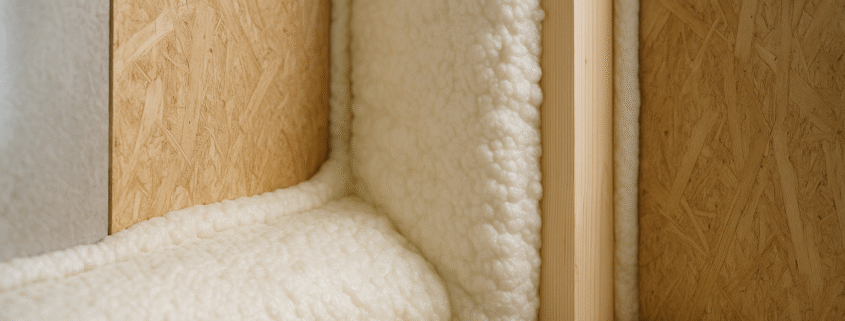
Effective airsealing using spray foam works by filling these gaps and creating a continuous barrier. This reduces draftiness, prevents moisture intrusion, and allows your heating and cooling systems to work far more efficiently. The result is a home that stays warmer in the winter, cooler in the summer, and healthier year-round.

Real-World Benefits of Airtight Homes

Let’s consider an example. A Calgary homeowner had a persistent problem with cold, drafty rooms. After a professional airsealing upgrade with spray foam, the family noticed:

  • Significantly reduced utility bills
  • More even interior temperatures
  • Improved air quality due to reduced outdoor pollution and allergens
  • No more icy drafts or excessive humidity

This story isn’t unique; airtight home upgrades have shown payback periods as short as 3–5 years, making spray foam airsealing an investment that pays for itself quickly.

Challenges and Considerations with Spray Foam

Spray foam insulation is highly effective, but like any solution, it comes with important considerations:

  • Application requires trained professionals for proper safety and performance
  • Ventilation must be managed to prevent indoor air quality issues in a tightly sealed home
  • Some situations call for hybrid approaches—spray foam combined with traditional air sealing techniques
  • Proper product selection (open-cell vs. closed-cell) ensures you achieve your airtight home goals without overspending

Choosing an experienced contractor, like White Knight Contracting (in business since 2011), helps ensure every detail is managed—from inspection to final testing.

Step-by-Step: Achieving Effective Airsealing

Here’s what to expect during a spray foam air sealing project:

  • Initial inspection to identify leaks and assess insulation needs
  • Blower door testing to create a baseline airtightness measurement
  • Preparation and protection of areas not receiving spray foam
  • Precise spray foam application to accessible and hidden gaps
  • Sealing of problem areas like attics, rim joists, and wall penetrations
  • Final post-installation testing to confirm airtight home performance

Clients can rest assured that experienced teams handle all aspects, including related tasks like siding, eliminating the need for multiple contractors.

Future Prospects in Air Leakage Control

The future of airsealing is bright, with a growing focus on sustainable buildings and tougher energy codes. Innovations such as low-VOC spray foam, improved installation robotics, and integrated smart controls are on the horizon. New government incentives are encouraging more homeowners and builders to adopt air sealing techniques for better energy loss reduction. As products get more efficient, the cost savings and comfort gains will only increase.

Expect to see air infiltration control become a standard, not a luxury, for every new build and retrofit project in Canada and beyond.

Interesting FAQ

Why Spray Foam publishes best practice guidelines for the installation of spray polyurethane foam that contractors and homeowners alike find useful.

Frequently Asked Questions

  • How long does spray foam airsealing last?
    Spray foam can last for decades, maintaining its airtight seal as long as the building structure is sound.
  • What areas of a home benefit most from airsealing?
    Attics, basements, rim joists, around windows and doors, and places where utilities enter are the best candidates.
  • Does airsealing with spray foam also address moisture concerns?
    Yes, especially closed-cell foam can act as a moisture barrier to help control humidity.
  • Is there a benefit to combining spray foam with other air sealing techniques?
    Definitely—hybrid approaches sometimes deliver the best results, especially in homes with complex layouts or older construction.
  • Can I upgrade my siding and insulation in the same project?
    With a versatile contractor like White Knight Contracting, yes—you can manage multiple improvements together for better value.

Our Location

Mold Prevention Using Spray Foam

Introduction

Mold is a common concern for homeowners, especially in areas where moisture can easily enter walls or ceilings. The need for mold growth prevention is one of the main reasons many people now choose spray foam insulation. At White Knight Contracting, we’ve seen how effective this solution can be in creating a healthier, safer environment. Mold can lead to allergies, structural damage, and ongoing maintenance headaches—discovering moisture-resistant insulation can make all the difference.

Table of Contents

History of Mold Growth Prevention in Homes

For decades, mold growth prevention has challenged builders and homeowners. Traditional homes used materials like fiberglass or cellulose, but these often absorbed moisture, leading quickly to mildew growth. Moisture combined with warmth provides the perfect environment for mold to thrive. In older properties, especially those built before the 1980s, there was little awareness of how critical proper insulation and vapor barriers were. Since then, the building industry has seen major changes aimed at better mildew control and increased fungal resistance.

How Spray Foam Delivers Fungal Resistance and Mildew Control

Spray foam is a liquid material that expands into a solid, filling even the smallest cracks and gaps. This method creates an airtight seal that blocks moisture from seeping into your walls and attic spaces. Because it’s both water-resistant and dense, spray foam makes it incredibly difficult for mold spores to land, stick, or take root. Unlike batt insulation, it doesn’t sag or leave hidden pockets for moisture to collect. The chemical structure of spray foam contains no food source for mold, offering enhanced fungal resistance.

Why Traditional Methods Fall Short for Mold Prevention

Batt insulation and blown-in cellulose are common, but neither offers true moisture-resistant insulation. If there’s even a tiny leak or humidity build-up, these materials soak up water and trap it against wood framing. Over time, this sets off a cycle of rot and persistent mold. Additionally, vapor barriers can be improperly installed or damaged, allowing water vapor to penetrate. Spray foam’s one-step air and vapor seal eliminates these issues and is much more durable in the long run.

In the past ten years, owners and builders have focused on holistic mold growth prevention. Spray foam insulation has become the go-to solution due to its unmatched mildew control and energy efficiency benefits. The up-front investment pays off over time—reduced mold risks mean fewer repairs and lower health-related costs. More building codes are now recommending or requiring moisture-resistant insulation in certain areas. Open-cell and closed-cell spray foam both offer benefits for homes, garages, or commercial spaces.

Real-World Success: Case Examples of Mold Control with Spray Foam

Homeowners in Calgary have reported fewer allergy issues and no musty odors after switching to spray foam for attic and basement renovations. In one notable case, a 1970s home with recurring basement mold saw complete resolution after old insulation was replaced with modern spray foam. The residents noticed improved air quality within weeks. Builders also appreciate the reduced callbacks for water damage and mold remediation after using spray foam in new construction.

The Future of Mold Growth Prevention and Spray Foam

Increasing climate volatility means homes face unexpected moisture threats more than ever. Advances in material science are creating spray foam blends with added anti-fungal properties. In years to come, it is likely that mold prevention, mildew control, and advanced moisture-resistant insulation will be included as standard in all modern homes. Building practices will continue to evolve, but the trend is clear: comprehensive moisture and mold solutions will be in higher demand.

Step-by-Step Guide to Mold-Resistant Insulation Installation

  1. Assessment: A professional inspects your space for signs of mold and moisture leaks.
  2. Preparation: All previous insulation and debris are removed for a clean start.
  3. Repairs: Any existing leaks, wood rot, or damage are fixed before spray foam is installed.
  4. Application: Spray foam is applied in uniform layers to build an airtight, moisture-resistant barrier.
  5. Inspection: The installation is checked to ensure full coverage and confirm no gaps are missed.
  6. Cleanup: Surplus material is trimmed, and the area is left tidy and ready for drywall or finishing.

You’ll benefit from immediate air sealing and long-term fungal resistance, greatly reducing the risk of mildew growth.

Interesting FAQ

Sensodesign highlights the thermal insulation benefits of spray foam in home renovations. Many people are surprised to learn that in addition to energy savings, spray foam dramatically enhances mold growth prevention by sealing out both air and water. Even in humid environments, properly installed spray foam maintains its barrier properties and controls mildew for years.

White Knight Contracting Location

Frequently Asked Questions

  • How does spray foam prevent mold growth? Spray foam forms an airtight and moisture-resistant barrier, blocking water and air leaks that would otherwise promote mold development.
  • Is spray foam better for mildew control than fiberglass or cellulose? Yes, spray foam does not absorb moisture and provides far better protection against mold and fungal growth compared to traditional insulation types.
  • Does spray foam contain chemicals that could cause mold? No, spray foam is inert once cured and contains no organic material that would fuel mold or mildew.
  • How long does mold prevention last with spray foam insulation? Properly installed spray foam can offer mold and mildew protection for the lifetime of your building, assuming no water intrusion occurs from severe damage.
  • Can White Knight Contracting help with other moisture issues like siding repairs? Absolutely. In business since 2011, they frequently combine insulation upgrades with siding and envelope repairs, so you don’t need a second contractor.

Conclusion

Mold prevention is a top concern for healthy homes. By choosing spray foam for mildew control and moisture-resistant insulation, you ensure reliable, long-lasting defense against fungal intruders. The science, case studies, and modern building trends all make one thing clear—spray foam is an investment in the comfort and value of your property. To learn more and view our other blogs, click here.

Stop Drafts with Spray Foam

Stop Drafts with Spray Foam: Your Guide to Draft Prevention and Comfort

If you’re tired of feeling a pesky draft sneak through your walls or windows, you’re not alone. Cold air seeping indoors can make your home uncomfortable and your energy bills soar. That’s where spray foam insulation steps in, delivering top-tier draft prevention, cold air sealing, and air leak insulation for homes of all types. At White Knight Contracting, we’ve seen firsthand how transformative creating a strong thermal envelope can be for clients across Calgary.

Table of Contents

A Brief History of Draft Prevention

People have battled drafts for centuries, stuffing cracks with cloth and sealing windows with wax or caulk. Early homes used basic materials, but as homes grew more complex, so did the challenges. In the past, most relied on fiberglass or mineral wool for air leak insulation. However, these options rarely provided a complete thermal envelope, meaning cold air still found its way in.

Spray foam insulation arrived on the scene in the 1970s, changing the game with its ability to expand, seal, and block even the smallest draft. Spray foam’s flexibility lets it be sprayed into hard-to-reach places where other insulation types simply can’t go, stopping cold air at its source.

Today’s homeowners want comfort and efficiency. Spray foam leads the way for cold air sealing thanks to its incredible air-tight seal. Unlike traditional batt insulation, spray foam forms a durable, continuous barrier. This helps:

  • Reduce heating and cooling costs up to 50%
  • Enhance indoor air quality by reducing outdoor pollutants
  • Control moisture, helping to thwart mold and mildew
  • Deliver a consistently comfortable temperature year-round

This shift toward spray foam is also evident in new construction. More builders specify spray foam because it extends a home’s lifespan by protecting the thermal envelope against weather extremes. Statistics from the Canadian Urethane Foam Contractors Association reveal that retrofitting with spray foam can cut draft complaints by as much as 70% within the first year.

Overcoming Challenges in Air Leak Insulation

Not every draft responds to the same fix. Gaps high in vault ceilings, rim joists in basements, and around window frames are notorious for letting in drafts. Fiberglass insulation often leaves gaps, while caulking can deteriorate. Spray foam, by entering these hard-to-reach cavities, eliminates weak spots.

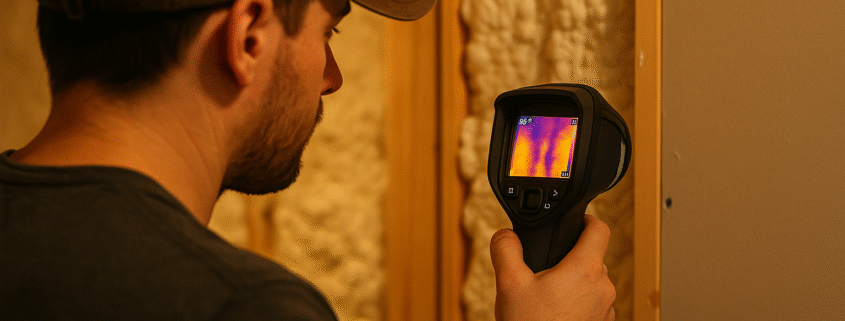
Another challenge is knowing where drafts hide. Professional assessments use infrared cameras to spot temperature changes that signal unwanted drafts. This approach allows targeted spray foam application, guaranteeing every source of cold air is sealed.

Occasionally, homeowners worry about spray foam’s safety or potential for trapping moisture. Yet, when installed by certified experts and with the right formulas, spray foam is safe and can even minimize moisture issues compared to older methods. For extra peace of mind, always choose an experienced contractor familiar with proper ventilation techniques and building codes.

The Future of the Thermal Envelope

Exciting advancements are emerging within the draft prevention industry. Modern spray foams are now produced with more eco-friendly ingredients and have lower emissions, supporting both health and the environment. Technology is evolving to create “smart” insulations that adapt to temperature fluctuations, enhancing the home’s overall thermal envelope.

Looking forward, building codes are expected to become stricter about air leak insulation, making products like spray foam essential for compliance. Professionals predict that investing in quality draft prevention today increases property value and guarantees long-term savings on energy. Homeowners can look forward to living in spaces that are not just comfortable but also resilient and energy smart.

Step-By-Step: What to Expect With Spray Foam Draft Sealing

  • Assessment: An insulation specialist inspects your home, mapping out areas with the worst drafts, including basements, attics, windows, and walls.
  • Preparation: Areas are cleared, and surfaces protected to ensure a clean workspace.
  • Application: Spray foam is applied directly into cracks, crevices, or joists, where it quickly expands to fill gaps for complete cold air sealing.
  • Trimming: Any excess foam is cut flush to ensure a seamless fit behind drywall or within cavities.
  • Final Check: The installer will verify that every draft has been addressed, ensuring your home’s thermal envelope is now secure.

By the end of this process, you’ll notice a more comfortable, quieter, and energy-efficient space.

Comparing Methods: Spray Foam vs. Other Solutions

While fiberglass and cellulose insulation are common, both leave gaps, degrade over time, and struggle with moisture. Spray foam’s major benefits in draft prevention include:

  • Superior air leak insulation by forming a tight, continuous seal
  • Added structural strength to walls and roofs
  • Resistance to pests and mold growth

Some homeowners use weather stripping or caulk as a quick fix, but these rarely deliver lasting results. For those battling ongoing drafts or repeated temperature swings, spray foam’s upfront investment pays off in fewer maintenance calls and lower energy bills.

Want expert input? A recent quote from energy consultant Paul Warren notes, “Sealing air leaks with spray foam is the most effective way to create a robust thermal envelope and stop drafts for good.”

Find White Knight Contracting

Interesting FAQ

VB Insulation reviews the waterproof and water-resistant properties of spray foam.

  • How long has White Knight Contracting been in business? Since 2011, White Knight Contracting has provided trusted spray foam insulation and can tackle additional projects, like new siding, without you needing to hire other contractors.
  • Is spray foam insulation safe for families and pets? Yes, once it cures, spray foam is non-toxic and safe for all home environments.
  • Can I combine spray foam with other draft prevention solutions? Yes, but spray foam alone often provides complete cold air sealing, outperforming most alternatives.
  • How quickly will I notice a difference in comfort? Most homeowners feel less draft and enjoy better temperature control within days of installation.
  • Does spray foam also block sound? Yes, it helps reduce outside noise, adding another layer of comfort to your space.

To learn more and view our other blogs, click here.

Alberta Building Code and Insulation

Introduction

Understanding the Alberta Building Code and insulation requirements is essential for anyone looking to renovate or build in Alberta. At White Knight Contracting, we know how crucial code compliance is—especially with insulation regulations, spray foam standards, and all the details unique to Alberta’s climate.

Table of Contents

History of Building Codes Alberta

The evolution of building codes in Alberta began back in the early 1900s, with the aim of protecting public safety and health. Over time, these codes have expanded to address fire risk, energy efficiency, and structural integrity. Insulation regulations first took shape in the late 1970s, largely as a response to the oil crisis—energy conservation suddenly mattered to everyone. The Alberta Building Code is updated every few years, reflecting new knowledge and technologies, making code compliance a moving target for contractors and homeowners.

Today, code that should be mentioned includes requirements for all types of habitable structures. As building science advances, so too do the rules—especially insulation-related sections. Proper insulation slows heat loss, lowers energy bills, and protects both your comfort and wallet. Throughout the decades, these regulations have shaped how builders and renovators operate across Alberta.

Lately, there’s been a clear push for higher energy efficiency. More homeowners want solutions that combine superior performance and long-term savings. This is all reflected in recent building codes Alberta has released. The 2023 edition, for instance, outlines minimum R-values for walls, ceilings, basements, and attics, and places a stronger emphasis on reducing heat loss, moisture problems, and air leaks.

Popular trends include:

  • Adoption of modern, eco-friendly insulation types.
  • Increased use of spray foam due to excellent sealing and insulation qualities.
  • Focus on continuous external insulation for walls.
  • Greater attention to air sealing—no more drafts!

Spray foam standards are constantly evolving, too, with regulations requiring proper thickness and fire-resistant barriers.

Did you know? According to Natural Resources Canada, effective insulation can reduce home energy costs by 15–30%.

Key Insulation Regulations and Spray Foam Standards

Insulation regulations under the Alberta Building Code are quite specific. Every habitable building must meet minimum R-values—these measure how well insulation resists heat flow. For example, exterior above-ground walls often need R20 or higher, while attics require R40 or more, depending on location within Alberta.

If you’re considering spray foam, here are the code compliance specifics:

  • Closed-cell spray foam offers the highest R-value per inch but must be installed at the correct thickness.
  • Open-cell spray foam is lighter, more flexible, and great for interior spaces.
  • Both types must be protected with fire-rated coverings in living spaces.
  • All insulating materials need to be installed free from gaps, voids, or compression to deliver their rated performance.

Spray foam standards include documentation of material types, application thickness, and certification that installers are trained—these are all inspected to make sure you stay compliant.

For clarity, R-value simply means “resistance value”—the higher the number, the better the insulation.

Common Challenges and Code Compliance Issues

Getting insulation right means you have to juggle a few challenges. The most common issues in building codes Alberta are:

  • Not reaching minimum R-value, especially in hard-to-reach spaces.
  • Gaps or compression of batt insulation (which ruins its effectiveness).
  • Using the wrong product in damp or wet areas (batt insulation won’t last like spray foam will).
  • Lack of adequate fire barriers for spray foam insulation.

City inspectors will check these details, and missed requirements mean delays, headaches, or expensive corrections. Keeping up to date with the Alberta Building Code and insulation rules takes professional know-how.

Work with experienced teams, and you’ll avoid nasty surprises down the road.

Future Outlook: Innovations and Green Standards

As energy codes tighten, expect more changes in how we insulate Alberta homes. The future focus will be on:

  • Higher minimum R-values in new and renovated buildings.
  • Net-zero ready standards (homes designed to produce as much energy as they use).
  • Wider adoption of “continuous insulation” concepts—no thermal breaks along exterior walls.
  • Eco-certified spray foams with fewer emissions.

Industry experts—including the Canada Green Building Council—predict that building codes Alberta will continue demanding greener materials, better airtightness, and advanced insulation solutions. For homeowners, this means more comfort, smaller energy bills, and a lower carbon footprint.

If you’re planning a project, it’s smart to aim above current minimums—your home will be future-proofed as new code compliance rules roll out.

How to Stay Compliant: Step-by-Step Guide

Worried about code that should be mentioned? Here’s how to keep on top of all insulation regulations and spray foam standards in Alberta:

  1. Work with a contractor who keeps up with the latest building codes Alberta publishes.
  2. Ask for proof of product certification and installation training—especially for spray foam jobs.
  3. Review your design and insulation plan before construction starts. Double-check R-values!
  4. Choose insulation that fits both your climate zone and budget—quality pays off over time.
  5. Schedule inspections at major project milestones to ensure code compliance is met throughout.
  6. Keep documentation of all materials and methods for your records and peace of mind.

A trustworthy contractor like White Knight Contracting (in business since 2011) can handle spray foam, building envelope details, and even siding—no need for separate trades. This streamlines projects, prevents miscommunication, and keeps everything up to code.

Interesting FAQ

Tiger Foam compares open-cell and closed-cell spray foam to help choose the best option.

  • What is the minimum R-value for exterior walls in Alberta? For most areas, R20 is the standard, but always check the latest Alberta Building Code for your climate zone.
  • How often does the Alberta Building Code update its insulation requirements? Updates usually
Renovation Benefits of Spray Foam

Introduction

If you’re planning a renovation, one upgrade that makes a huge difference is spray foam insulation. For homeowners seeking comfort, savings, and a smart investment, this material brings big advantages—especially when installed by experienced contractors like White Knight Contracting. Discover how home renovation insulation can transform your space and improve your quality of life with modern, energy efficient homes.

Table of Contents

History of Spray Foam in Renovation

Spray foam insulation has been used in home renovation projects since the 1970s. Originally developed for industrial applications, this revolutionary material soon caught the eye of homeowners and builders looking for a more efficient way to insulate. Traditional insulation methods like fiberglass batts and cellulose were common, but spray foam offered better sealing and a higher R-value—a measure of resistance to heat flow. Over time, foam for remodeling has become a trusted choice for creating energy efficient homes and keeping drafts firmly outside.

Today’s renovations are all about sustainability and long-term value. Homeowners increasingly seek spray foam benefits because they reduce utility bills, increase property value, and reduce carbon footprints. With airtight sealing, spray foam stops air leakage better than any other insulation. Recent trends highlight the rise of eco-friendly and health-conscious renovations, as spray foam also resists mold, dust, and allergens. More contractors are recommending home renovation insulation upgrades as a standard part of kitchen remodels, basement finishes, and full-home makeovers.

Overcoming Challenges with Foam for Remodeling

While spray foam insulation is a great choice, every renovation comes with its own set of challenges. Older homes can have tight spaces, uneven stud walls, and surprise obstacles behind the drywall. However, professional installers are trained to get the best results even in tricky spots. The most common concerns include cost upfront, the need to vacate the space during installation, and ensuring proper ventilation. With an experienced team, these challenges are easily managed, creating a smoother renovation with plenty of spray foam benefits.

Top Spray Foam Benefits for Your Renovation

  • Significant energy savings: By creating an airtight seal, spray foam keeps the heat in during winter and out during summer. This makes energy efficient homes truly possible.
  • Long-lasting insulation that doesn’t sag or lose effectiveness over time.
  • Excellent noise reduction, making your home quieter after a renovation.
  • Resistance to pests, moisture, and mold growth, protecting both your health and investment.
  • Higher resale value for your home, as buyers appreciate upgraded home renovation insulation.

The benefits multiply over time, making the initial investment well worth it for foam for remodeling projects.

Spray Foam vs. Other Insulation Methods

Comparing insulation options is key for any renovation. Fiberglass and cellulose are popular, but they don’t create an airtight seal. These materials can settle, lose R-value, and let air or moisture sneak through cracks. In contrast, spray foam expands on contact, filling every gap and forming a tight barrier. This means lower heating and cooling costs and fewer drafts. Spray foam is also more durable, saving money on replacement and repairs down the line. For the best home renovation insulation, many experts—and satisfied homeowners—choose spray foam for its clear advantages and ongoing spray foam benefits.

Future Prospects for Energy Efficient Homes

The future of renovation is green, comfortable, and cost-saving. With growing awareness of energy conservation and higher building standards, it’s only a matter of time before spray foam and similar innovative insulation materials become the baseline for every renovation. Builders and architects are designing with tight building envelopes in mind, which spray foam achieves better than traditional materials. This leads to fewer emissions, happier homeowners, and homes that are comfortable year-round. The prospects for foam for remodeling look bright, helping make energy efficient homes the new normal.

Step-by-Step: What to Expect with Spray Foam Insulation

  • Consultation: A professional will assess your renovation needs and recommend the right type of spray foam and coverage for your project.
  • Preparation: Rooms are cleared, and areas to be sprayed are masked to protect windows, fixtures, and floors.
  • Installation: Specialized technicians mix and apply the foam, which quickly expands and seals every opening.
  • Curing: The foam hardens in just a few hours, but it’s best to allow some ventilation before moving back in.
  • Finishing Touches: Drywall, trim, and finishes are applied over the insulated areas, completing the renovation upgrade.

With a reliable contractor overseeing the process, your renovation will be stress-free and ensure all the spray foam benefits are realized for years to come.

Interesting FAQ

EcoStar Insulation outlines the process and benefits of retrofitting older homes with spray foam.

  • Q: Is spray foam insulation safe for families and pets?
    A: Yes! Once cured, spray foam is inert and poses no risk. Always hire certified professionals to ensure proper installation and ventilation during the process.
  • Q: Can spray foam be used in every part of a home renovation?
    A: Spray foam is extremely versatile. It’s commonly used in attics, walls, basements, crawlspaces, and even around plumbing and electrical boxes. Your installer will identify the best areas during your consultation.
  • Q: How long does spray foam last after installation?
    A: Unlike traditional materials, spray foam doesn’t degrade, sag, or settle. It offers consistent weather and moisture protection for decades.
  • Q: What makes White Knight Contracting stand out for foam for remodeling?
    A: With over a decade in business (since 2011), White Knight Contracting offers the expertise not just to install spray foam but also manage related needs like siding, reducing the need for multiple contractors on your renovation.

Conclusion

Choosing spray foam insulation during your next renovation means a smarter, healthier, and more comfortable home. With improved energy efficiency, lasting performance, and comprehensive advantages, it’s no wonder homeowners across Canada are upgrading to spray foam. To learn more and view our other blogs, click here.

Understanding Insulation R-value Effectiveness

What is R-value and Why Does it Matter?

When you’re searching for effective ways to make your home cozier and save on energy bills, you’ll likely run into the term r-value. R-value measures how well insulation resists heat flow, making it a crucial factor in keeping your home comfortable year-round. At White Knight Contracting, we know every layer of insulation R-value impacts how much energy you use and how much you pay.

Table of Contents

History of Insulation R-value

The R-value system came about in the 1970s as energy costs began to rise and homeowners started demanding better ways to reduce heat transfer. Originally, insulation was just a matter of packing the walls, but soon builders realized that the energy efficiency rating of materials could be measured and compared. Materials began displaying insulation R-values, making it simpler to create standards and building codes for energy savings.

In earlier decades, fiberglass batts and rigid board insulation were common. These materials offered some thermal resistance, but as technology improved, so did expectations. Today, savvy homeowners recognize that higher R-values provide better heat flow resistance—helping keep warmth inside during winter and outside during summer. Understanding R-value has gradually turned from a builder’s secret into a household word.

How R-value Works: The Basics

The R in R-value stands for “resistance,” specifically thermal resistance. In simple terms, the higher an insulation’s R-value, the greater its ability to slow down heat moving through your walls, ceiling, or floor. For example:

  • An inch of fiberglass batt may have an R-value of 3.2
  • Spray foam insulation can deliver an R-value of 6 to 7 per inch
  • Dense materials like rigid foam board can offer up to R-8 per inch

Canada’s building codes may recommend R-20 to R-60 in different parts of the home, depending on the climate. Always remember, insulation R-value adds up when layers are stacked, so every improvement means a more energy-efficient, comfortable living space.

Homeowners and builders now look for materials with the best thermal resistance per dollar. Spray foam is gaining ground due to its high energy efficiency rating and air-sealing abilities. Many also opt for eco-friendly options like cellulose or recycled cotton, which provide solid R-values without harming the environment.

Smart home buyers are requesting full “R-value audits” before purchasing. EnerGuide ratings and green home certifications are placing extra pressure on builders to use quality insulation R-values throughout the building envelope. Today, improving insulation is one of the top methods used to reduce monthly energy bills—not to mention increasing home value.

Common Challenges in Heat Transfer Reduction

Achieving optimal insulation R-value isn’t always straightforward. Some homes have older, uneven walls, or limited space for new layers of insulation. Moisture is another big challenge; if insulation gets wet, its R-value drops dramatically. Gaps in installation can also reduce a material’s overall energy efficiency rating, allowing cold drafts and heat leaks.

For many homeowners, the challenge lies in balancing cost, available space, and the specific R-value needed for their region. Professional installers can help you avoid these issues by recommending thermal resistance products matched to your unique home.

Future Prospects for Thermal Resistance Innovation

Every year, material scientists develop new products to boost the R-value per inch. Aerogel-based insulation is starting to appear, with R-values exceeding 10 per inch—more than double traditional solutions. Another trend is vacuum insulated panels, which offer an ultra-thin profile with outstanding energy efficiency ratings.

Government incentives and rising energy prices are expected to continue driving demand for higher insulation R-values. As regulations evolve, it’s likely every new home in Canada will require even better heat transfer reduction techniques—meaning insulation choices will only become more important for property owners.

Step-by-Step: Choosing the Right Energy Efficiency Rating

  • First, identify which part of your home needs insulation—attic, basement, walls, or crawlspace.
  • Check your province’s recommended minimum insulation R-value for these locations.
  • Measure the depth of the area available for insulation. Remember, higher R-values may require thicker material.
  • Consider your budget and weigh the long-term energy savings versus upfront installation cost.
  • Contact a reputable contractor who can recommend products that offer the right mix of thermal resistance and affordability.

When in doubt, always err on the side of a higher R-value. The extra effort up front almost always pays off with lower bills and increased comfort.

Comparing Insulation Materials and R-value

There’s no perfect choice for every homeowner. Here’s how the most popular materials stack up:

  • Fiberglass batts: Inexpensive, easy to install, R-3.2 per inch on average.
  • Spray foam: Superior air sealing and R-value (R-6 to R-7 per inch), but higher cost.
  • Cellulose: Eco-friendly (recycled material), R-3.5 to R-3.8 per inch, effective but can settle over time.
  • Rigid foam board: High thermal resistance, R-5 to R-8 per inch, great in thin walls or challenging spaces.

Select based on where you’re insulating and the total energy efficiency rating desired. Local climate and building codes can influence your final decision.

Interesting FAQ

Jayson Global explains how to calculate proper insulation levels for Calgary homes.

    • How can I tell if my insulation R-value is too low?
      If you notice temperature swings, drafty rooms, or high utility bills, your home’s insulation R-value may not meet current energy efficiency standards. A quick energy audit can reveal heat leaks and underperforming areas.
    • Is a higher R-value always better?
      Generally yes, but there is a point of diminishing returns based on your climate and home design. Consult a professional to get the ideal balance.
    • Does adding more insulation increase R-value?

Yes, stacking layers increases thermal resistance. However, be cautious about moisture control and the practical thickness allowed within walls and ceilings.

  • Can White Knight Contracting help with other upgrades beyond insulation?


Absolutely! In business since 2011, we also handle siding, renovations, and more, so you don’t need to hire multiple contractors.

More Resources

To learn more and view our other blogs, click here.

Manage Moisture Using Spray Foam

Introduction

Dealing with moisture is a challenge every homeowner faces, especially when it comes to protecting crawl spaces, basements, and attics from dampness and potential mold. At White Knight Contracting, we understand the importance of using effective methods like spray foam insulation to maintain a strong moisture barrier and keep your home healthy and comfortable.

Table of Contents

History: How Moisture Barriers Have Evolved

Years ago, simple plastic sheets and fiberglass insulation served as the primary defense against moisture in homes. While these offered some protection, they often failed to provide a lasting moisture barrier, leading to damp crawl spaces and recurring mold issues. Spray foam insulation emerged as a game-changer in the past few decades. By forming a seamless, airtight vapor barrier, spray foam created a robust shield that helped keep moisture at bay—even in tricky areas like crawl spaces and attics.

Today, spray foam insulation is a top trend in moisture management. Homeowners and contractors alike prefer spray foam because it:

  • Acts as both an insulator and a moisture barrier
  • Prevents drafts and air leaks
  • Reduces the likelihood of mold growth
  • Improves energy efficiency, saving on utility bills

In many regions, especially humid climates, spray foam now leads the way for crawl space moisture control and mold prevention, replacing older, less reliable methods.

Common Crawl Space Moisture Control Challenges

Moisture problems often start in areas you can’t see, like below your floors or behind walls. The biggest barriers to crawl space moisture control include:

  • Poor drainage leading to standing water
  • Inadequate insulation trapped against cold surfaces
  • Mismatched vapor barriers that let water slip through seams

If unchecked, these issues can encourage mold, rot, and structural problems. Using spray foam keeps the crawl space dry and protected, offering a more reliable solution than plastic sheeting alone.

Future Prospects: Innovations in Vapor Barriers

Building science is constantly evolving. New types of closed-cell spray foam are designed to offer even better vapor barrier protection, allowing less moisture to penetrate. Some products also include antimicrobial agents to further reduce the risk of mold and mildew. In the future, smart moisture sensors may automatically trigger dehumidifiers or alert homeowners if levels get too high—an exciting prospect for keeping homes healthier and more comfortable for everyone.

Step-by-Step: Managing Moisture with Spray Foam

Wondering how the process works? Here’s a typical path to moisture protection with spray foam:

  1. Inspect your crawl space, attic, or basement for existing water or mold.
  2. Clean and dry the area thoroughly.
  3. Seal off gaps, vents, and cracks with the appropriate material.
  4. Apply spray foam insulation directly over joists, walls, and floors to create a continuous vapor and moisture barrier.
  5. Allow the foam to cure fully before use.

By following these steps, you greatly reduce the chances of future moisture problems or costly repairs.

Comparing Spray Foam to Other Methods

Some homeowners wonder how spray foam compares to options like fiberglass or rigid foam boards. The difference is clear:

  • Traditional fiberglass insulation is cheap, but tends to absorb and trap moisture, which encourages mold.
  • Plastic vapor barriers require precise installation and can be punctured easily.
  • Closed-cell spray foam works as both insulation and a vapor barrier, sealing out moisture even in hard-to-reach places.

For best-in-class crawl space moisture control and mold prevention, spray foam offers a level of protection traditional methods just can’t match.

Expert Insight: Why Mold Prevention Matters

According to building experts, over 60% of Canadian homes experience some type of moisture problem each year. Mold doesn’t just damage building materials—it also affects your health, causing allergies and respiratory issues. Spray foam insulation blocks both moisture and air, which means better mold prevention and less indoor air pollution over time.

Interesting FAQ

VB Insulation discusses critical safety tips and techniques for DIY spray foam installation.

FAQs

  • How long does spray foam last as a moisture barrier? Closed-cell spray foam is designed to last the life of the structure, often 30 years or more with proper maintenance.
  • Can spray foam help in flood-prone areas? Yes, it seals out water, helping limit the damage from minor floods and reducing drying time afterward.
  • Is mold prevention possible if my house already smells musty? Professional installation of spray foam can still prevent further growth by sealing moisture sources, but existing mold should be remediated first.
  • What other services does White Knight Contracting offer? In business since 2011, we can handle insulation and related jobs like siding—so you don’t need to hire a second contractor.
  • How does spray foam compare in cost to other insulation? While the upfront cost is higher, spray foam’s durability, moisture control, and energy savings often lower your long-term expenses.

Conclusion

Effectively managing moisture in your home is essential for comfort, health, and protecting your investment. Spray foam insulation remains one of the most efficient ways to create a reliable vapor barrier, offer superior crawl space moisture control, and provide long-term mold prevention.

To learn more and view our other blogs, click here.

Open-cell or Closed-cell Foam?

Introduction

Open-cell foam insulation is becoming a popular choice for homeowners seeking energy efficiency and comfort. If you’re in the Calgary area, White Knight Contracting has been serving the community since 2011, offering expert spray foam services and more. Understanding the difference between open-cell and closed-cell foam can help you make a smart investment in your property.

Table of Contents

History of Foam Insulation

Foam insulation made its debut in the 1940s. At first, closed-cell foam dominated the market, prized for its rigid structure and water resistance. Open-cell foam came onto the scene later and quickly gained popularity for its lightweight design and soundproofing qualities. As the need for eco-friendly and efficient buildings grew, spray foam options like open-cell and closed-cell foam became essential in modern construction.

Open-Cell Foam vs. Closed-Cell Foam: What’s the Difference?

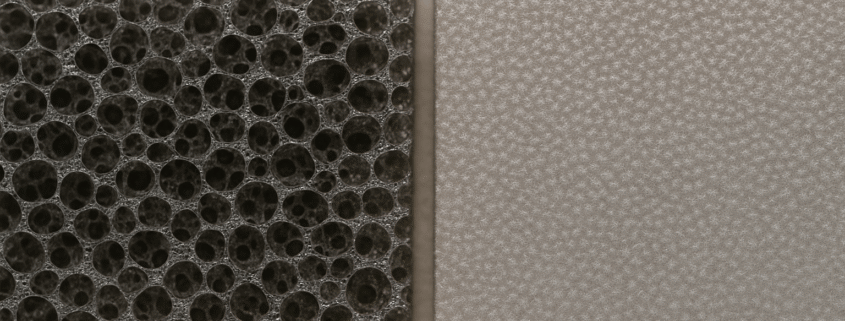
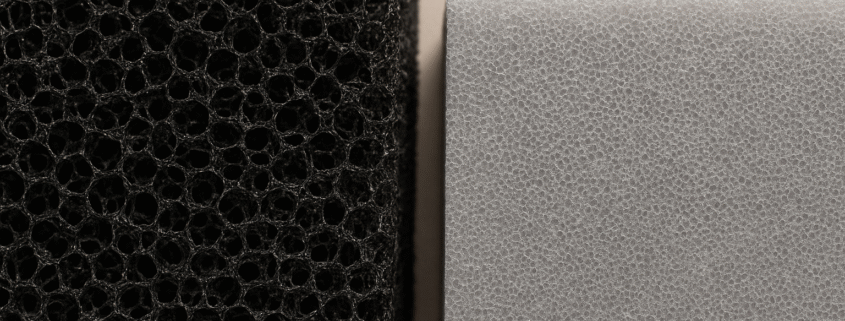
The main difference lies in the foam cell structure. Open-cell foam uses interconnected cells, creating a soft and spongy texture. Closed-cell foam uses cells that are completely sealed, resulting in a denser and more rigid structure.

  • Open-cell foam: Great for sound control and flexibility, with a lower foam density—usually about 0.5 pounds per cubic foot.
  • Closed-cell foam: Offers stronger moisture resistance, higher R-value, and greater foam density, sometimes exceeding 2 pounds per cubic foot.

Both foam types can be installed as spray foam insulation, but the right choice depends on your priorities: energy savings, soundproofing, strength, or moisture control.

Foam Cell Structure and Foam Density Explained

Foam cell structure describes whether the tiny bubbles (cells) inside the foam are open or closed. In open-cell foam, air easily passes through, making it excellent for interior walls where air and sound control are top priorities. Closed-cell foam’s sealed cells make it waterproof and highly insulative.

Foam density impacts everything from strength to insulation performance. Higher foam density, as found in closed-cell foam, boosts thermal performance but can make the product heavier and more expensive. Open-cell foam has lower density and is easier to trim or cut after installation.

Homeowners and builders are increasingly choosing open-cell foam for attic and wall applications because it’s cost-effective and environmentally friendly. Builders also love closed-cell foam for areas with moisture concerns or where a vapor barrier is needed. Today’s trends also include eco-friendly spray foam made with fewer chemicals, providing better indoor air quality than traditional insulation products.

Industry reports predict continued growth for spray foam insulation due to stricter energy codes and homeowners’ demand for better energy savings. According to Allied Market Research, the global spray foam insulation market could reach USD 3.9 billion by 2031.

Challenges of Choosing Open-Cell or Closed-Cell Foam

Selecting between open-cell foam and closed-cell foam brings some challenges. Open-cell foam can absorb moisture, making it unsuitable for basements or exterior walls without the right vapor barrier. Closed-cell foam is pricier up front and can sometimes make walls too stiff or hard to modify later on.

  • Moisture problems: Open-cell isn’t right for all areas—closed-cell may be a must for wet or flood-prone spaces.
  • Budget: Open-cell saves money, but closed-cell foam can deliver better energy savings over time.
  • Installation: Both types need professional handling to avoid gaps or over-spraying, but open-cell’s softer texture makes it easier to fit around obstacles.

Future Prospects of Foam Insulation

Looking forward, foam insulation innovation will focus on greener manufacturing, recycled content, and improving foam cell structure for even better efficiency. Smart home technologies—monitoring insulation performance through sensors—may also emerge. As energy prices keep rising, both open-cell and closed-cell foam will play a crucial role in construction and remodeling projects.

Real-World Scenarios: Open-Cell or Closed-Cell Foam?

Imagine you’re finishing a basement in Calgary where moisture is a concern—closed-cell foam’s higher density and sealed foam cell structure provide reliable vapor and moisture barriers. For an attic remodel, open-cell foam might be best, offering lower cost and outstanding sound dampening.

A local small business recently upgraded its historic office building using open-cell foam in walls for improved acoustics. In contrast, a lakeside cottage owner opted for closed-cell foam below-grade to keep moisture at bay.

What to Expect When Upgrading Your Insulation

Upgrading to spray foam insulation usually follows a simple process:

  • Inspection: A contractor evaluates the building and recommends open-cell foam or closed-cell foam based on needs and budget.
  • Preparation: Surfaces are cleaned and masked off.
  • Application: Foam is sprayed and allowed to expand in the space.
  • Finishing: Excess foam is trimmed; drywall or finishing materials are applied.

Step-by-step guidance and professional support make for a stress-free project—especially if you choose a contractor who can handle extras like siding without sub-trades.

Interesting FAQ

For those wanting to learn more about attic insulation, DAP’s blog offers a detailed DIY guide on attic insulation using spray foam.

  • Q: Is open-cell foam safe for homes with allergies?
    A: Yes. Open-cell foam doesn’t contain dust or loose fibers like some older insulations, making it a good choice for allergy-sensitive spaces.
  • Q: How does foam density affect energy bills?
    A: Higher foam density in closed-cell foam delivers stronger insulation, often resulting in lower energy costs because it reduces air leakage more effectively.
  • Q: What is the lifespan of spray foam insulation?
    A: When professionally installed, both open-cell foam and closed-cell foam can last for decades—often 20 years or more without serious loss of performance.
  • Q: Can one contractor handle my insulation and exterior work?
    A: If you work with a team like White Knight Contracting, you can tackle insulation and siding upgrades in one job, saving time and hassle.

Contact & Location

Ready to discuss open-cell foam or closed-cell foam? Here’s where to find White Knight Contracting in Calgary:

Retrofit Homes With Spray Foam

Introduction

If you’re considering a retrofit to maximize your home’s energy performance, retrofit insulation using spray foam could be your ideal home insulation upgrade. At White Knight Contracting, we’ve seen firsthand how spray foam retrofits are revolutionizing older homes and transforming energy-saving renovations for Calgary homeowners.

Table of Contents

A Brief History of Retrofit Insulation

Retrofit insulation became a focus in the 1970s during the energy crisis, as homeowners began to notice the direct link between their insulation and skyrocketing utility bills. At first, simple materials like fiberglass batts and cellulose were used for basic retrofits. But as energy codes evolved and more research emerged, home insulation upgrades grew more advanced. The spray foam retrofit is a newer solution that has gained major traction in the past decade, allowing for both air sealing and thermal performance in one go. This seamless energy-saving renovation was a game-changer for older homes dealing with drafty walls, attics, or crawlspaces.

Today’s retrofit insulation trends focus on maximizing efficiency and indoor comfort. Many homeowners are choosing spray foam retrofits because they simultaneously insulate and air-seal gaps that let conditioned air escape.

  • Closed-cell spray foam offers the best R-value per inch and resists moisture — key for our Calgary climate.
  • Open-cell spray foam provides soundproofing, which is valuable in busy neighborhoods.
  • Hybrid insulation systems, blending spray foam with traditional materials, can also be used for specific retrofit challenges.

Another popular trend is integrating smart home tech with energy-saving renovations, letting you monitor energy usage and see the real ROI of your retrofit insulation upgrade.

Challenges of Home Insulation Upgrades

Upgrading retrofit insulation in older homes comes with a few obstacles. For starters, existing wall or attic cavities might be irregular, cramped, or even contain outdated materials like vermiculite insulation. Removing these can take time and careful planning. It’s also essential to properly air-seal before injecting spray foam to avoid moisture issues. But when done right, a quality spray foam retrofit not only bypasses these challenges but can also become the cornerstone of an energy-saving renovation in older homes.

How Retrofit Insulation Benefits Homes

Retrofit insulation upgrades provide more than just lower utility bills. With a spray foam retrofit, you’ll notice:

  • Consistent indoor temperatures all year long, with fewer drafts and cold spots.
  • Reduced noise transmission and outside allergens.
  • Significant energy savings, often cutting heating and cooling costs by up to 50% in some cases.
  • Long-term durability as spray foam resists settling, pests, and mold growth.
  • Higher resale value — upgraded insulation is a selling point in Calgary’s competitive market.

This makes spray foam retrofit a smart choice for families wanting comfort, health, and savings from their energy-saving renovation.

Step-by-Step Spray Foam Retrofit Guide

Understanding the process makes tackling a retrofit insulation project less daunting. Here’s what a typical spray foam retrofit involves:

  1. Assessment: An expert reviews your home’s insulation, air leaks, and ventilation.
  2. Preparation: Outdated insulation is safely removed. Surfaces are cleaned and access points are created.
  3. Air Sealing: Gaps and cracks in attic floors, rim joists, or wall cavities are sealed.
  4. Application: Spray foam is applied in layers, expanding to fill every nook, sealing as it insulates.
  5. Finishing: Surfaces are checked for consistency and safety, with any necessary trims completed.

Expect a qualified team to complete a typical home insulation upgrade in one to two days, leaving minimal mess and maximum comfort.

Comparing Retrofit Insulation Methods

Not all retrofit insulation is the same. Traditional options like batting, blown-in cellulose, or rigid foam boards have downsides in older or oddly-shaped homes, often leaving gaps where air leaks persist. Spray foam retrofit, by contrast, adheres directly to every surface and expands to form an airtight, continuous barrier. While the initial cost of spray foam retrofit is higher, its long-term savings and durability usually match or exceed the investment.

  • Blown-in fiberglass: Lower upfront cost, but may settle and leave voids over time.
  • Rigid foam boards: Good for open areas, but difficult in retrofits without opening up walls.
  • Spray foam retrofit: Fills even hidden cracks, boosts structural strength, and delivers unmatched energy efficiency.

The Future of Energy Saving Renovation

As energy prices keep rising and building codes evolve, expert-driven retrofit insulation is only becoming more important for homeowners. Smart materials are arriving, promising even higher R-values and healthier indoor air. The future of energy-saving renovation is likely to see more integration of sensors, automation, and environmentally-friendly spray foam formulas. Homeowners who embrace early retrofit insulation upgrades will enjoy lower bills and greater comfort for years to come. And with a team like White Knight Contracting — in business since 2011 and able to handle siding and other upgrades without the hassle of multiple contractors — a spray foam retrofit is simpler and faster than you think.

Interesting FAQ

Johns Manville provides expert guidance on the proper installation of spray polyurethane foam.

  • What’s the difference between a retrofit insulation upgrade and new construction spray foam?
    Retrofitting means upgrading an existing building rather than installing insulation in a new build. Spray foam retrofit is tailored to work around finished walls, roofs, or crawlspaces without major demolition.
  • How long does it take for a spray foam retrofit to pay for itself?
    Most Calgary homeowners see a payback within 3-7 years, depending on the scope of the insulation upgrade and energy prices.
  • Will spray foam retrofit damage my existing walls?
    No, professional contractors use minimally invasive methods to inject or spray foam into cavities, leaving finished walls mostly untouched.
  • Can spray foam retrofits help with uneven heating and cooling?
    Yes! By sealing leaks and boosting insulation, retrofitting with spray foam leads to more consistent temperatures throughout your home.
  • Is spray foam insulation safe?
    Absolutely. When professionally installed, it is safe, long-lasting, and improves indoor air quality by reducing drafts and pollen entry.

Conclusion

A retrofit insulation project, especially with a spray foam retrofit, can turn an older, drafty property into a modern, energy-efficient home that saves money each year and feels comfortable every season. To

Calgary Climate and Insulation Needs

Introduction

When talking about climate, few places challenge homeowners quite like Calgary. Known for its wild weather shifts and icy winters, this Alberta city demands smart choices in home protection and energy efficiency. White Knight Contracting, in business since 2011, helps property owners address the unique challenges posed by Calgary insulation needs, cold climate insulation, and Alberta weather proofing. Let’s explore what makes Calgary’s environment unique, why the right insulation matters, and how you can make your home cozier all year round.

Table of Contents

A Brief History: Insulation in Calgary’s Harsh Climate

Calgary’s climate has always been extreme, with freezing winters and hot, dry summers. In the early days, homes were kept warm using layers of brick, stone, and wood—materials that didn’t always stand up to the chill. With the city’s rapid growth and advancement in building sciences, insulation technology became central to comfortable living.

Modern insulation began to improve in the 1970s as concerns about energy costs and efficiency grew. Homeowners saw a shift from sawdust and newspapers to fiberglass batts and spray foam. Today, Alberta weather proofing options focus on both warmth and managing dramatic temperature swings caused by Chinook winds, which can raise Calgary’s temperature by over 20°C in just hours.

The need for cold climate insulation drives ongoing innovation in Calgary. The latest trends include:

  • Use of spray foam for seamless air sealing and high R-value (a measure of insulation’s resistance to heat flow).
  • Eco-friendly cellulose products made from recycled materials.
  • Multi-layered systems combining rigid foam, batt, and blown-in options for superior protection.
  • Upgrades to attics and basements, two of the most common spots for heat loss and drafts.

Did you know? The Alberta Building Code now outlines strict standards for insulation to help reduce heat escape, making energy efficiency Calgary more attainable for every homeowner.

Challenges of Cold Climate Insulation & Alberta Weather Proofing

Insulating for Calgary’s climate isn’t just about keeping warm—it’s also about coping with the weather’s unpredictable behavior.

  • Freeze-thaw cycles can wreak havoc on siding and insulation, leading to moisture problems, mold, or even structural damage.
  • Chinook winds bring sudden warmth, causing ice to melt and refreeze later, stressing building envelopes.
  • Choosing the wrong type of insulation for the installation area might trap condensation or limit airflow, making things worse in the long run.

This is why a customized assessment is so valuable. Professionals look at your attic, walls, windows, and even your basement to determine the best mix of materials for energy efficiency Calgary needs.

Future Prospects: Energy Efficiency Calgary

The future looks bright for Calgary insulation as technology continues to advance. Expect to see:

  • Smarter home energy systems that monitor heat loss and HVAC usage in real-time.
  • Even stricter building codes for new construction, favoring advanced insulation and improved Alberta weather proofing.
  • Increased government incentives and rebates for energy-efficient renovations.
  • Development of “net-zero” homes, where energy needs are balanced out by renewable sources and ultra-high insulation.

Homeowners who stay ahead of the curve will enjoy greater comfort, better indoor air quality, and sharp drops in utility bills.

Practical Steps: Boost Your Home’s Comfort and Efficiency

So, what can you do to address Calgary insulation and weather proofing today? Here’s a simple step-by-step guide:

  • Schedule a professional energy audit to pinpoint leaks and heat escapes.
  • Add weather stripping to windows and doors to stop drafts.
  • Upgrade attic insulation—heat rises, and you can lose up to 25% through your roof.
  • Use spray foam or rigid foam panels in basements and crawlspaces for cold climate insulation.
  • Seal up cracks around foundations and siding to stop moisture and protect against freeze-thaw.

Little improvements add up. Over a single winter, you could see up to 30% energy savings—money back in your pocket and a more comfortable home.

Interesting FAQ

The Canadian Urethane Foam Contractors Association offers authoritative standards for spray foam insulation.

  • What R-value is recommended for homes in Calgary?
    Most experts suggest R-40 to R-50 in attics and R-20 to R-24 in walls for proper energy efficiency Calgary wide.
  • How often should insulation be checked or upgraded?
    Every 10–15 years, or after any major weather event or renovation, especially with changing climate in the region.
  • Can siding upgrades be combined with new insulation?
    Absolutely! Teams like White Knight Contracting can handle both jobs, removing the need for multiple contractors.
  • Is Alberta weather proofing worth the investment?
    Yes—curbing drafts and defending against moisture problems often pays for itself within several seasons.

Why Choose White Knight Contracting?

With over a decade in business, White Knight Contracting is trusted for Calgary insulation, siding, and weather proofing—reducing the need for multiple contractors on your project. Their team knows local code and climate, handling projects efficiently so homeowners stay comfortable and protected no matter the season.

Conclusion

Taking the climate into account isn’t just smart practice—it’s essential for comfort and savings in Calgary. Whether you’re upgrading aging insulation, adding new siding, or planning a complete energy efficiency overhaul, choosing the right mix of products and a local expert really pays off. To learn more and view our other blogs, click here.