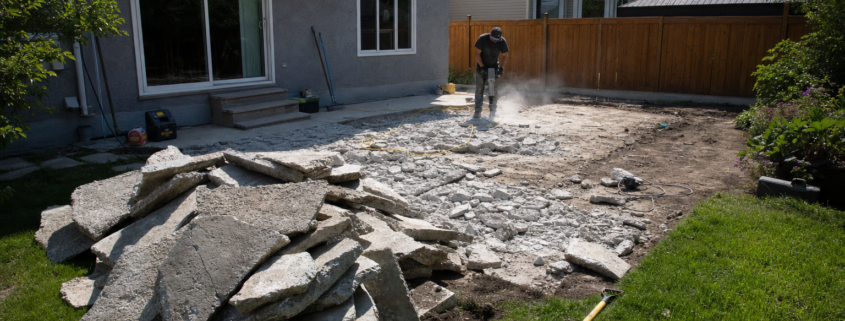
Concrete removal company Calgary work often starts with a simple cracked pad, but once the slab is opened, the real story begins. In older Calgary homes, crews may find rusted rebar, deep tree roots, soft gravel, old pipes, or slabs poured over poor base material years ago. Homeowners are often surprised because the top layer of concrete can look plain, while the area underneath is messy, hidden, and expensive to fix. That is why experienced removal matters, especially with Calgary’s freeze-thaw weather and shifting soil. White Knight Contracting has seen many of these surprises since opening in 2011, helping homeowners deal with concrete, siding, and other exterior needs without always needing a second contractor. When you understand what may be under old concrete Calgary properties, it becomes easier to plan your budget, timeline, and repair choices.
Table of Contents
- History of Old Concrete in Calgary Homes
- Concrete Removal Company Calgary: What Crews Often Find
- Current Trends in Concrete Removal
- Common Challenges Under Old Concrete
- Comparing Removal Methods
- Company Highlight
- Future Prospects and What to Expect
- FAQ
- Q&A
- Conclusion
History of Old Concrete in Calgary Homes
Many Calgary homes still have driveways, patios, garage pads, and walkways that were poured decades ago. In the past, concrete was often placed with less base preparation than what many contractors use today. Some slabs were poured over thin gravel, mixed fill, clay soil, or even construction debris. Over time, Calgary’s cold winters and warm chinook cycles caused the ground to expand, shrink, and move. This movement often leads to cracks, dips, and uneven edges. In simple terms, the slab may not fail only because of age; it may fail because the material below it was never strong enough. This is one reason concrete demolition findings can tell a homeowner so much about the past work done on the property.
Older slabs also reflect older building habits. Some homeowners added layers over old concrete instead of removing the first slab. Others patched cracks, added asphalt, or poured small sections around trees and fences. These quick fixes may have worked for a few years, but they often hide bigger problems. For example, a garage apron may look like one slab, yet it might be three different pours from three different decades. Once removal starts, every layer tells part of the home’s history. This is why crews approach old concrete Calgary projects with caution, not guesswork.
Concrete Removal Company Calgary: What Crews Often Find
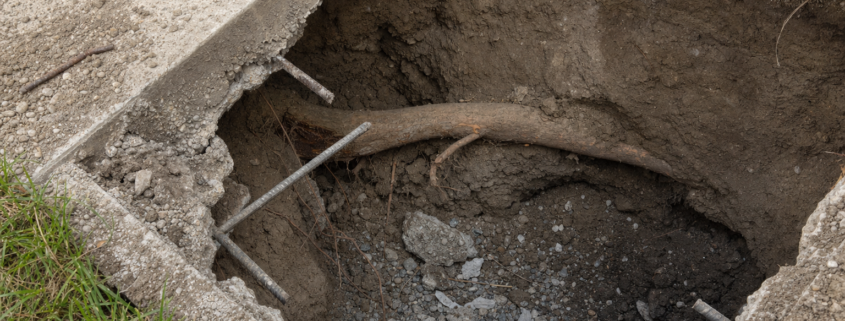
A skilled concrete removal company Calgary homeowners trust will look beyond the visible crack lines. One of the most common finds is old rebar, which is steel used to strengthen concrete. Rebar can help a slab last longer, but when it rusts, it expands and breaks the concrete from the inside. Crews may also uncover wire mesh, which is a thinner steel grid used in many slabs. These materials slow down demolition because they must be cut, separated, and handled safely. When we break into older Calgary slabs, surface cracks can be a warning sign because rusting reinforcement expands inside concrete and can lead to cracking and spalling. Spalling means pieces of concrete flake, pop, or break away from the surface.
Another common surprise is tree roots. Roots can grow under sidewalks, patios, and driveways, especially in older neighbourhoods with mature trees. They may lift slabs slowly over many years, creating trip hazards and drainage problems. In some cases, crews find roots as thick as a wrist running under a walkway. Buried pipes, old irrigation lines, and forgotten drainage tile can also appear during removal. These finds matter because damaging a hidden line can turn a simple job into a repair project. That is why careful planning is important before demolition begins.
Current Trends in Concrete Removal
Today, homeowners are asking more questions before removing concrete. They want to know what’s under concrete, how long removal will take, and whether the area can be rebuilt stronger. This is a good trend because concrete removal is not just about breaking and hauling. It is also about preparing the space for what comes next. Many Calgary homeowners now choose better gravel base, improved drainage, and proper slope after old concrete is removed. A good slope helps water move away from the house instead of sitting against the foundation.
There is also more focus on disposal and recycling. Concrete can often be crushed and reused as aggregate, which is broken stone-like material used in road base or construction fill. According to industry data, construction and demolition waste makes up a large share of landfill material across North America, so recycling concrete can help reduce waste. Homeowners are also paying more attention to machine access. Smaller equipment is often used for tight yards, while larger equipment may be used for driveways or garage pads. The trend is clear: better planning now prevents bigger costs later.
Common Challenges Under Old Concrete
The biggest challenge with old concrete Calgary homes is uncertainty. A contractor may be able to estimate thickness from an edge, but the slab can still change from one section to another. One side of a patio may be four inches thick, while another side may be eight inches thick. Some areas may have rebar, and some may not. This makes pricing harder because labour, disposal weight, and cutting time can change once demolition begins. For homeowners, this is why it helps to allow room in the budget for hidden conditions.
Subgrade problems are also common. Subgrade means the soil or base layer under the concrete. If that layer is soft, wet, poorly compacted, or full of organic material, the new slab may crack sooner than expected. A deteriorated gravel base can look like dirt mixed with small stones instead of clean, stable rock. In real-world terms, it is like building a table on a soft carpet instead of a firm floor. Even if the tabletop is strong, it can still wobble. Concrete is only as dependable as the ground below it.
Comparing Removal Methods
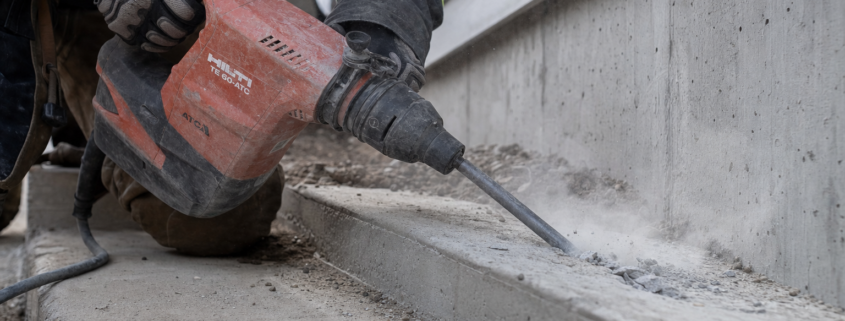
There are several ways to remove concrete, and each one has pros and cons. Hand tools, such as sledgehammers and pry bars, may work for small pads, but they are slow and hard on the body. Jackhammers are faster and useful for tight spaces, yet they create noise, dust, and vibration. Mini excavators with breaker attachments can speed up larger jobs, especially driveways and garage slabs. However, they need enough access and room to work safely. Saw cutting is often used when a clean edge is needed near a garage, foundation, or shared walkway.
Homeowners sometimes compare DIY removal with hiring professionals. DIY may seem cheaper at first, but disposal fees, tool rental, safety gear, and time can add up quickly. Concrete is heavy; one cubic yard can weigh around 4,000 pounds, depending on the mix and moisture. That means even a small patio can create several tons of waste. Professional crews are better prepared for concrete demolition findings like buried steel, roots, and uneven slab thickness. They also know how to protect nearby siding, fences, landscaping, and foundation areas during the work.
Company Highlight
White Knight Contracting has been in business since 2011 and brings broad exterior experience to concrete removal projects. One strength is that they can handle many related needs, such as siding work, without always bringing in a second contractor. This matters because concrete removal can affect nearby exterior features. For example, removing a patio beside a wall may expose damaged siding, poor drainage, or gaps around the foundation. Having a team that understands more than one trade can make the project smoother for the homeowner.
Their strengths also include practical problem solving and experience with hail damage, exterior repairs, and property restoration. Calgary weather can be hard on homes, so it helps to work with a company that understands local conditions. If a slab has shifted because water drains toward the house, the issue is not only the concrete. The bigger question is how to stop the same problem from happening again. A strong contractor does not just remove the old slab; they help set up the next step properly.
Future Prospects and What to Expect
Looking ahead, concrete removal in Calgary will likely become more focused on better base preparation, drainage, and recycling. Homeowners are becoming more aware that the cheapest fix is not always the best long-term choice. With more freeze-thaw cycles and changing weather patterns, slabs need proper support below the surface. Expect more contractors to recommend compacted gravel, geotextile fabric in problem areas, and better water control. Geotextile fabric is a strong fabric placed between soil and gravel to help separate layers and reduce sinking. It is not needed everywhere, but it can help in soft or unstable areas.
If you are planning removal, start with a clear inspection. Look for wide cracks, sinking corners, pooling water, rust stains, and areas lifted by roots. Ask whether the quote includes hauling, disposal, saw cutting, machine access, and cleanup. Also ask what happens if hidden rebar, roots, or poor subgrade are found. A realistic quote should explain possible changes before work begins. To learn more and view our other blogs, click here,
FAQ
For more technical background on why older reinforced concrete can break apart, the Federal Highway Administration explains that rusting reinforcement expands inside concrete and can lead to cracking and spalling.
Q&A
Question
What do contractors actually find when they dig up old concrete in Calgary?
Answer
Calgary crews commonly uncover old rebar, tree roots, buried pipes, cracked subgrade, and deteriorated gravel base hidden under decades-old slabs.
Question
How does what’s found under old Calgary concrete affect the removal cost?
Answer
Hidden rebar, tree roots, or deteriorated subgrade add labour time and disposal costs — often increasing the original quote by 15–30%.
Conclusion
Old concrete can hide more than most homeowners expect. Under the surface, crews may find steel, roots, weak base material, poor drainage, or old repair work that no one remembers. These hidden issues explain why a simple cracked slab can become a more involved project. However, with the right planning, a concrete removal company Calgary homeowners rely on can remove the old material safely and prepare the space for a better result. The best approach is to expect the unexpected, ask clear questions, and focus on fixing the cause, not just the surface. That way, the next driveway, patio, walkway, or pad has a much better chance of lasting.
The photo used in this blog are for demonstration purposes only.