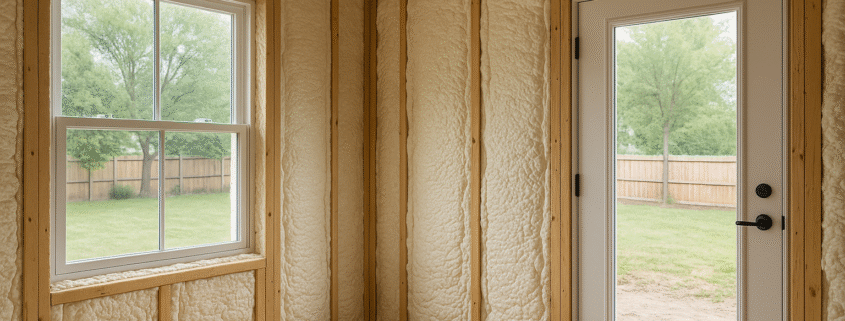
Introduction
If you’ve ever had trouble with drafts creeping in around your rimjoist, it’s time to consider how airtight homes rely on spray foam insulation to keep out air infiltration and maximize energy conservation. Homeowners in Calgary and beyond are learning that traditional options don’t always cut it—especially in areas like the rimjoist, where leaks can undermine your comfort and spike your utility bills. White Knight Contracting understands these challenges and has solutions that go far beyond quick fixes.
Table of Contents
- The Evolution of Airtight Homes and Spray Foam
- How Spray Foam Ensures an Airtight Rimjoist
- Data, Trends, and the Benefits of Proper Air Sealing
- Foam Seal vs. Other Insulation Methods
- Challenges of Achieving True Air Tightness
- Future Outlook: Energy Conservation on the Rise
- Step-by-Step: What to Expect with Rimjoist Spray Foam
- Interesting FAQ
The Evolution of Airtight Homes and Spray Foam
Building methods have come a long way, but for much of the last century, homes were never truly airtight. Small gaps—especially around the rimjoist—let cold air sneak in and heat escape. This air infiltration led to higher energy bills and less comfortable living spaces. As awareness grew, so did technology. Modern spray foam insulation changed the game, offering a true foam seal that blocks leaks, drafts, and moisture better than ever.
Today, airtight homes are the standard builders strive for, ensuring energy conservation starts right at the source—your rimjoist. This new approach isn’t just a trend; it’s an essential shift as codes demand better performance and comfort becomes a priority for homeowners.
How Spray Foam Ensures an Airtight Rimjoist
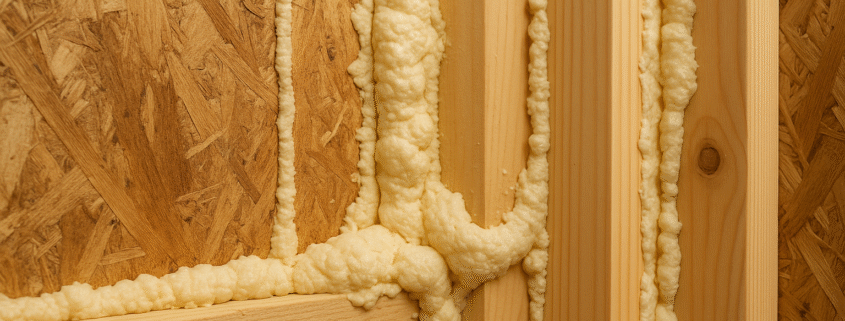
The rimjoist connects your basement ceiling to the exterior walls. Because it’s at the edge of your home and interrupted by joists and pipes, it’s prone to tiny gaps. Spray foam insulation adheres tightly to every surface, expanding to fill cracks and crevices. When it cures, you’re left with an unbeatable foam seal that stops air infiltration cold.
Here’s why that matters:
- Air infiltration at the rimjoist is one of the main sources of heat loss in older homes.
- Moisture creeping in through gaps can cause rot and even mold growth.
- Energy conservation is maximized when the rimjoist is sealed, reducing draftiness and ensuring your home’s temperature stays steady.
Spray foam is the only insulation that truly gets into the nooks and crannies around the rimjoist, making your home airtight from the ground up.
Data, Trends, and the Benefits of Proper Air Sealing
According to Natural Resources Canada, up to 35% of a home’s heat loss may come from air leaks—often focused around the foundation and rimjoist. The latest building codes across Alberta and elsewhere now require increasing attention to airtight homes, not only for comfort, but to meet community energy targets.
Surveys show that houses with a full foam seal can see their heating and cooling costs drop by 15-20% or more, thanks to reduced air infiltration. And, a properly insulated rimjoist significantly boosts indoor air quality by keeping out outdoor pollutants and humidity.
Foam Seal vs. Other Insulation Methods
It’s tempting to ask: Why not just use fiberglass or rigid board instead of spray foam? Here’s how they stack up for the rimjoist:
- Fiberglass batts: Easy to install, but don’t block airflow. Gaps and compression can let cold air sneak by.
- Rigid foam board: Better air sealing if caulked well—but it’s tricky to fit perfectly, especially around wires and pipes.
- Spray foam insulation: Bonds directly to all surfaces, eliminating air gaps and thermal bridges. It provides a lasting, continuous foam seal, which is essential for truly airtight homes.
Customer feedback and industry studies consistently rank spray foam as the most effective option for rimjoist insulation and air tightness.
Challenges of Achieving True Air Tightness
Sealing a home isn’t always a simple weekend project. Diagnosing every point of air infiltration—especially at the rimjoist—takes a practiced eye. Spray foam must be installed precisely to guarantee a complete foam seal without costly gaps or thin spots.
While spray foam costs more upfront than fibreglass or board, the long-term savings on energy conservation and comfort quickly add up. Homeowners also appreciate improved soundproofing and fewer issues with condensation or pests. For a truly airtight home, professional installation is your best bet.
Future Outlook: Energy Conservation on the Rise
Climate goals and building codes will only get stricter. Advances in spray foam technology keep making airtight homes more attainable and affordable—even for challenging rimjoist areas. Expect to see more homes with sophisticated, closed-cell spray foam, which locks out air and moisture, helping Canadians fight rising energy costs and adapt to unpredictable weather.
Trusted companies like White Knight Contracting, in business since 2011, not only tackle insulation but offer total home exterior services—including siding—so you have one contractor for all your upgrade needs.
Step-by-Step: What to Expect with Rimjoist Spray Foam
- Assessment: A pro will inspect your rimjoist for gaps, leaks, and other infiltration risks.
- Prepping: Furniture and items are moved, and the area is protected with plastic sheets.
- Foam Application: Specialist equipment sprays foam evenly into rimjoists, expanding to fill every space.
- Curing: Foam hardens within hours, creating an instant, permanent foam seal.
- Inspection: Experts double-check for airtightness and touch up if required.
- Results: Enjoy more stable temperatures, fewer drafts, and lower energy bills almost immediately.
Interesting FAQ
DAP advises on attic spray foam applications including safety precautions and best practices.
- Can spray foam in the rimjoist pay for itself? Most homeowners see payback on energy bills within five to seven years, thanks to drastic reductions in heat loss and air infiltration.
- Is spray foam safe for people and pets? Yes—once cured, spray foam insulation is inert and safe for daily use.
- Can one contractor handle spray foam plus other exterior needs? Yes, established contractors like White Knight Contracting can also install siding, windows, and more.
- What makes the rimjoist so vulnerable? It’s where different building components meet, creating natural gaps that traditional insulations don’t block effectively.