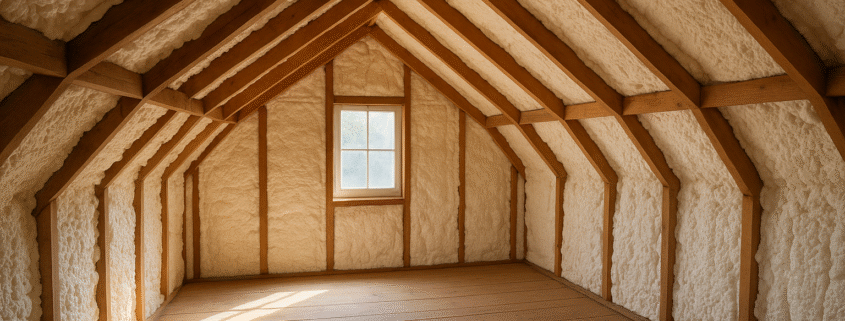
Spray Foam For Multi-unit Condos

Introduction

When it comes to multi-family buildings, installing a quality vaporbarrier is a crucial first step for effective spray foam insulation in multi-unit condos and apartments. At White Knight Contracting, we know that choosing the right approach makes all the difference for lasting comfort and energy savings.

Table of Contents

The History of Multi-Unit Insulation

Multi-unit condos and apartment buildings have always required more consideration for insulation than single-family homes. In the past, builders usually relied on fiberglass batts and rigid boards. These materials did little to stop drafts and had poor air sealing. As building codes became stricter, the demand grew for better multi-unit insulation solutions.

Spray foam made its debut in commercial settings but was quickly adopted for multi-family buildings because of its superior air sealing and thermal performance. By the early 2000s, condo foam applications started appearing in Canada and the U.S. Builders soon discovered that spray foam combined with a reliable vaporbarrier offered higher R-values and moisture control—key factors for keeping condo units comfortable and safe.

Today, spray foam solutions are the preferred method of apartment insulation. Building scientists and developers recommend a combination of closed-cell foam and a durable vaporbarrier to reduce the risk of moisture buildup and mold. This trend holds especially true in climates with cold winters and humid summers, like Alberta.

  • Customizable insulation thickness for each unit
  • Noise reduction between shared walls and floors
  • Improved indoor air quality due to minimized air infiltration

Industry studies now show that spray foam in multi-family buildings can cut energy costs by up to 40% compared to older insulation types. That saving puts money back in residents’ pockets every month, which is a major selling point in today’s real estate market.

Common Challenges in Apartment Insulation

Despite its benefits, installing spray foam and a vaporbarrier in multi-unit condos comes with unique complications:

  • Coordinating schedules with multiple trades during construction
  • Working in occupied buildings with minimal disruption to residents
  • Meeting strict fire code and sound barrier requirements between units
  • Managing moisture in both exterior and interior partitions

Professional contractors must communicate closely with property managers to ensure each phase goes smoothly. Pre-installation inspections and proper ventilation prevent odors or lingering fumes. Choosing a contractor with broad experience—like White Knight Contracting, in business since 2011—helps minimize these headaches.

Future Prospects of Spray Foam in Multi-Family Buildings

The future for spray foam in multi-unit insulation is bright. With growing pressure for greener building standards and net-zero energy targets, developers are seeking high-performing, eco-friendly solutions. New research is focused on using even less environmentally harmful blowing agents and recyclable foam products.

Additionally, digital tools now allow for more precise energy modeling. This helps property owners understand exactly how much energy (and money) spray foam will save versus other methods. Expect to see more innovative uses of vaporbarriers and spray foams as technology evolves.

Step-by-Step Guide to Installing Spray Foam in Multi-Unit Properties

  1. Assessment: The contractor reviews building blueprints and discusses goals with the property manager.
  2. Preparation: All surfaces are cleared, and safety measures are established. Any electrical or plumbing concerns are flagged.
  3. Vaporbarrier Installation: A proper vaporbarrier is installed on the warm side of the wall to manage moisture migration.
  4. Spray Foam Application: The technician sprays foam to the specified thickness, filling all gaps, seams, and hard-to-reach areas.
  5. Curing and Inspection: The foam sets, then the area is checked for even coverage and code compliance.
  6. Finish: Additional siding or drywall can be added—White Knight Contracting can also handle exterior finishing, so there’s no need for a second contractor.

Allow 24-48 hours before re-occupying the space, depending on building size. The process is quick, with lasting benefits for years to come.

Comparing Spray Foam to Other Multi-unit Insulation Methods

How does spray foam stack up against the alternatives in multi-family buildings?

Insulation Type Air Seal R-Value per Inch Moisture Control Cost (relative)
Fiberglass Batts Poor ~3.5 Low Low
Rigid Board Moderate ~5 Moderate Medium
Spray Foam Excellent 6-7 High (with vaporbarrier) High (investment)

While the upfront investment is higher for spray foam, the savings in heating and cooling costs plus lower maintenance often offset the initial price within just a few years.

Interesting FAQ

EPA details potential greenwashing in insulation materials and promotes genuine sustainable options.

  • What’s the most important step for multi-unit insulation?
    Using a continuous vaporbarrier along with closed-cell foam prevents energy loss and reduces the risk of hidden moisture damage in multi-family buildings.
  • Can spray foam reduce noise between condo units?
    Yes. Properly installed foam creates a strong sound barrier, keeping units quieter and more private.
  • Do I need to vacate my unit during installation?
    Not always. For many condo foam applications, only limited areas are affected, and professional ventilation keeps things safe and comfortable.
  • Can one contractor handle exterior repairs or siding?
    Absolutely. Companies like White Knight Contracting can handle multiple trades, reducing delays and project costs.

Contact and Next Steps

Spray foam with a vaporbarrier is the smartest way to insulate any multi-unit condo, apartment, or multi-family building in Alberta and beyond. For a high-quality finish—and the convenience of one trusted contractor for insulation, siding, and more—reach out today.

To learn more and view our other blogs, click here.
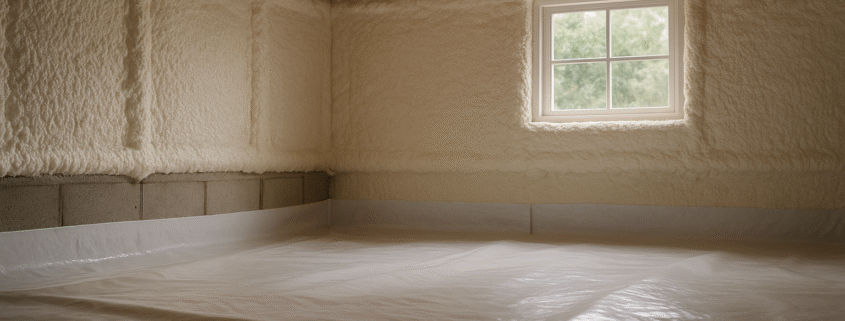
 

Vapor Barrier Necessity With Spray Foam

Understanding Rebates: Are Vapor Barriers Really Necessary With Spray Foam?

If you’re considering insulation rebates or upgrading your home’s energy efficiency, you might be wondering about the necessity of vapor barrier protection with spray foam. Homeowners across Calgary turn to professionals like White Knight Contracting for both expert application and reliable advice. But what’s the real story about vapor control foam, condensation prevention, and vapor retarders when it comes to spray foam insulation? Let’s break it down.

Table of Contents

A Brief History of Vapor Barriers and Insulation

Decades ago, homes had minimal insulation and basic weatherproofing. Builders soon noticed mold and moisture problems, and the concept of vapor barrier protection quickly emerged. Traditional types used plastic sheets to prevent water vapor from seeping into walls, floors, and ceilings. Over time, insulation technology progressed, introducing materials like vapor control foam that offers superior air and moisture resistance. Old methods often failed in extreme climates—like Calgary’s—driving innovation in moisture barrier protection and condensation prevention.

Today, spray foam insulation is a top choice for new builds and retrofits, especially with government rebates encouraging energy upgrades. Homeowners value its tight seal, minimizing air leaks and reducing energy bills. But where does vapor barrier necessity come in? Closed-cell spray foam itself acts as a vapor retarder, stopping most moisture in its tracks. Builders increasingly skip extra vapor retarders when using quality spray foam except in high-humidity zones. Recent data shows a 30% rise in spray foam installations in Canadian homes, with moisture barrier protection listed as a leading factor.

The Science Behind Condensation Prevention

Why worry about condensation? Warm air holds moisture. When that air hits cold surfaces—say, your wall cavity—it can condense and create water droplets. Over time, this can lead to mold, rot, and even structural damage. Vapor barrier protection keeps inside air from reaching cold surfaces, reducing the risk. Closed-cell vapor control foam, in particular, boasts a very low permeability rating (less than 1 perm), qualifying it as a Class II vapor retarder. This makes it highly effective for condensation prevention and moisture barrier protection, even in basements and attics.

Key Benefits of Spray Foam as a Moisture Barrier

  • Acts as its own vapor retarder, reducing the need for additional barriers in most cases.
  • Enhances energy efficiency by sealing air leaks far better than traditional insulation.
  • Prevents mold growth by blocking moisture infiltration.
  • Improves indoor air quality and comfort year-round.
  • Helps homes qualify for valuable government rebates and incentive programs.

Challenges and Common Concerns

Though spray foam provides excellent vapor control, it isn’t a universal solution. Open-cell foam, for example, does not function as a reliable vapor retarder and may require additional measures for moisture barrier protection. Some building codes still call for a separate vapor barrier, especially in extremely humid or wet environments. Over-application can also trap moisture inside the wall, which is why experienced installers are crucial to avoid costly mistakes. Knowing the difference between open-cell and closed-cell spray foam—and what your local building code requires—is essential for the best condensation prevention outcomes.

Future Prospects in Vapor Retarders and Spray Foam Technology

The construction industry is rapidly evolving, with spray foam chemistry improving every year. New formulas provide even greater vapor control, and are easier to apply and more environmentally friendly. Future advances may produce hybrid insulation systems, using smart vapor retarders in conjunction with foam for fully adaptable solutions. Building codes are beginning to recognize these advancements, shifting away from “one-size-fits-all” rules and toward performance-based standards. This trend ensures that homes in cities like Calgary will be safer and more efficient, especially when paired with rebate-backed upgrades.

Step-by-Step: What to Expect During Installation

  1. Consultation: A qualified contractor assesses your home’s vapor barrier and insulation needs.
  2. Product Selection: Choice between open-cell and closed-cell vapor control foam, based on climate and rebate eligibility.
  3. Prepping the Space: Removal of old insulation and checking for existing moisture or rot.
  4. Applying Spray Foam: Careful, even layers are sprayed for both air and moisture barrier protection.
  5. Inspection: Final check to ensure all gaps are sealed and condensation prevention is optimized.

Tip: Professional installation greatly reduces the risk of improper sealing and trapped moisture!

Comparison: Spray Foam vs. Other Insulation Methods

Method Vapor Control Condensation Prevention Typical Need for Extra Barrier
Fiberglass Batts Poor Low Yes
Cellulose Moderate Medium Often
Closed-cell Spray Foam Excellent High No (in most climates)
Open-cell Spray Foam Fair Medium Sometimes

Interesting FAQ

Energy.gov explains how spray foam insulation enhances home energy efficiency and comfort.

Frequently Asked Questions

  • Do I always need a separate vapor barrier with spray foam insulation?
    Not always. Closed-cell spray foam usually provides enough moisture barrier protection on its own, acting as a vapor retarder. Open-cell foam often does require an additional vapor barrier, especially in colder climates.
  • How do I know if my home qualifies for rebates when installing spray foam?
  • Should I remove old vapor retarders before installing spray foam?
  • What areas of the house benefit the most from spray foam vapor control?
  • Can White Knight Contracting help with other energy upgrades or improvements?

White Knight Contracting has been in business since 2011, offering more than just insulation—they can handle siding and many other home upgrades without the need for extra contractors.


Energy Rebates For Calgary Insulation

Introduction

Fire safety is a key concern for many homeowners, making insulation upgrades even more appealing when you can enjoy energy rebates for Calgary insulation through leading providers like White Knight Contracting. Increased energy efficiency, lower bills, and access to government incentives insulation programs are now easier than ever—thanks to a host of Calgary rebates and local rebates programs. If you’re ready to make your home more comfortable and efficient, this guide will equip you with everything you need to know.

Table of Contents

History of Energy Efficiency Rebates in Calgary

Energy efficiency rebates in Calgary have a rich history of supporting both homeowners and the environment. In the early 2000s, as utility costs started rising, Calgary rebates were introduced to encourage people to upgrade old insulation and heating systems. These local rebates programs were small at first, but they quickly picked up momentum as energy costs continued to climb.

Government incentives insulation programs have empowered residents to take practical steps toward comfort, safety, and energy savings. For instance, earlier rebate efforts focused solely on attic insulation. Now, options cover spray foam, cellulose, exterior wall upgrades, and even foundation insulation. With every phase, city and provincial governments have expanded funding and eligibility to help more residents join in.

Today, these rebates are stronger and more accessible than ever, ensuring Calgary homeowners don’t miss out on making their homes more fire-resistant and energy efficient.

In recent years, trends in Calgary rebates and energy efficiency rebates highlight a push for whole-home solutions. Homeowners are now bundling insulation, draft-proofing, and HVAC upgrades to maximize their return on investment.

  • Bundled rebates: Get more when combining multiple upgrades.
  • Spray foam popularity: This material is favored for its R-value and airtightness.
  • Low-income support: Expanded programs help more families qualify for deep savings.
  • Paperless applications: The process is faster and digitally streamlined.

Another notable trend is how Calgary’s local rebates programs now align with federal programs—so you can stack savings from both sources. This makes upgrades like government incentives insulation and weatherization far more affordable. Households upgrading for fire safety also enjoy added rebates in certain zones, especially as insurance providers reward safer homes.

Key Challenges Homeowners Face

Despite the benefits, some homeowners face challenges when applying for energy efficiency rebates. The main obstacles include:

  • Understanding all requirements for Calgary rebates and federal incentives.
  • Accessing up-to-date contractor lists—many programs insist on certified installers.
  • Meeting minimum insulation thickness and performance standards.

Another common hurdle is scheduling professional assessments. Homeowners need an evaluation before the government incentives insulation rebate is approved. Ensuring you have proper documentation (like invoices and before-and-after photos) can also feel demanding, but working with experienced contractors streamlines things.

Choosing a trusted, multi-skilled contractor means you won’t have to coordinate insulation and exterior siding with separate companies—saving time and potential headaches.

The Future Prospects for Local Rebates Program

Looking ahead, the future of Calgary’s local rebates program for insulation appears very promising. Funding is expected to increase in response to national efforts to cut carbon emissions. Several pilot projects are testing “performance-based” rebates—where higher energy savings earn bigger rewards.

Expect more digital enhancements too. Not only will applications go faster, but tracking your project’s eligibility and payment status will become almost instant. Calgary is unique for its cold climate and fire risks, so anticipate even greater rewards for upgrades that improve fire resistance while saving energy. As these programs develop, more education campaigns and user-friendly resources may arrive, making sure homeowners get every available rebate dollar.

How to Apply for Government Incentives Insulation Rebates

If you’re ready to take advantage of Calgary rebates and energy efficiency rebates, here’s a simple step-by-step process.

  1. Book an assessment: Arrange for an energy audit by a certified energy advisor. This identifies where insulation upgrades deliver the biggest benefit.
  2. Choose your upgrades: Discuss options like spray foam, batt, or blown-in insulation based on audit recommendations.
  3. Hire a qualified installer: Ensure your contractor is eligible under the rebate program.
  4. Complete the upgrade: Keep all receipts and documentation!
  5. Submit your application: Upload documents to the program’s portal or mail them as directed.
  6. Receive your rebate: Processing usually takes a few weeks once verified.

Being prepared and selecting a contractor skilled in communication helps the process go smoothly—plus, you’ll maximize both fire safety and energy savings.

Comparing Types of Insulation for Maximum Rebates

Not all insulation methods unlock the same value from local rebates program options in Calgary. Here’s a breakdown to help you choose what’s right:

  • Spray foam: Highly effective at air sealing; offers high R-value and boosts fire resistance. Usually gets the best energy efficiency rebates.
  • Blown-in cellulose or fiberglass: Cost-effective for attics and walls; great for quick installs and moderate efficiency upgrades.
  • Batt insulation: Reliable and affordable, but less air-sealing capacity without added steps.

Spray foam is leading the way because it not only provides maximum energy savings, but also contributes to fire safety—key criteria for most Calgary rebates. Remember, the type of insulation you choose affects both immediate savings and long-term comfort. Always check for rebate eligibility before making your final decision.

Expert insight: According to building science professionals, the highest energy efficiency rebates are usually awarded for upgrades that reduce both heat loss and the risk of fire spreading through gaps and cracks.

Interesting FAQ

GNI highlights spray foam insulation benefits for airtight residential construction in Ontario.

  • Are Calgary rebates available for homes built before 1980?
    Yes, most local rebates programs target older homes to make the biggest impact on energy savings.
  • How long does it take for government incentives insulation rebates to be processed?
    Most applications are reviewed within 4-8 weeks—quicker with complete documents.
  • Do I need a certified contractor to qualify for energy efficiency rebates?
    Absolutely. Using an approved contractor is usually a must for eligibility.
  • Can insulation upgrades improve fire safety?
  • Yes. Properly sealed insulation, especially spray foam, limits airflow behind walls and slows fire spread.

  • Why pick White Knight Contracting for my insulation?
    In business since 2011, they can also handle siding and other exterior work, saving you from coordinating multiple services.

Conclusion

Energy rebates for Calgary insulation are a smart step toward a safer, more energy-efficient home. Whether you want to save on bills, upgrade fire safety, or simply enjoy better comfort, leveraging Calgary rebates and government incentives insulation programs makes sense. With more options and bigger rewards than ever before, now is the perfect time to

Fire Safety and Spray Foam

Introduction

Sustainability is a top priority when discussing modern buildings, and it is especially relevant for fire safety and spray foam. By focusing on better building materials, such as fire resistant foam and improved flame retardants, companies like White Knight Contracting help ensure that structures meet safety codes insulation requirements while keeping environmental impact low.

Table of Contents

The History of Spray Foam and Fire Safety

Spray foam insulation first appeared in the 1940s, designed to improve home energy efficiency. Early spray foams worked well for insulation, but there were concerns about how well they performed during fires. Over the decades, innovations changed both the production process and the products’ fire performance.

In the past, fire resistant foam wasn’t as advanced as today’s materials. Basic polyurethane spray foams offered decent insulation but would burn quickly, releasing toxic smoke. As technology progressed, manufacturers began adding flame retardants—substances designed to prevent or slow the spread of flames. This helped make spray foam safer and more suitable for builders with strict safety codes insulation needs.

With the demand for sustainable building materials, fire resistant foam has improved rapidly. Modern formulas use less toxic chemicals, offer better fire protection, and last much longer. These improvements align with eco-friendly goals and strict building regulations.

  • Spray foam now contains safer flame retardants that don’t pose health risks.
  • Manufacturers are focused on reducing greenhouse gas emissions during production.
  • Many new spray foams help buildings achieve LEED and ENERGY STAR certifications.
  • Sustainability is guiding major innovations, from biosourced raw materials to energy-saving production.
  • The use of ignition barriers—protective coatings used over spray foam—has increased as codes become more rigorous.

According to a 2023 industry report, over 55% of newly constructed homes in North America use spray foam insulation that meets or exceeds current fire safety standards.

Challenges: Building Codes, Ignition Barriers, and Sustainability

While spray foam technology is evolving, several challenges remain. The most important is meeting current safety codes insulation guidelines, which are updated regularly as our understanding of fire behavior improves. In Alberta, for example, rules call for the use of ignition barriers or thermal barriers in any area where spray foam is exposed.

There are also difficulties with compatibility. Not all flame retardants work equally well with every spray foam formulation. Manufacturers must carefully balance sustainability, cost, and safety to create products that pass rigorous testing.

  • Ensuring compliance with provincial and municipal codes.
  • Choosing flame retardants that are environmentally friendly and effective.
  • Applying ignition barriers correctly, especially in attics and crawl spaces.
  • Addressing concerns about air quality, especially during installation.

Industry guidelines, such as those outlined in Alberta’s building code, aim to keep installers and homeowners safe while encouraging sustainable choices. Experienced firms handle these hurdles and make sure your home is both protected and energy efficient.

The Future of Fire Safety and Spray Foam

The future looks bright for fire safety and spray foam, with major investments going into research and development. Scientists are exploring organic flame retardants that maintain a high fire resistance rating without negative environmental effects. At the same time, regulatory agencies are raising the bar for performance and sustainability.

Experts predict that next-generation spray foams will further reduce carbon footprints, last even longer, and deliver top levels of fire protection. Some systems now alert building managers about temperature changes, acting as early warning tools in case insulation ever becomes compromised. As innovation continues, homes and businesses can become safer and more sustainable with each passing year.

Dr. Karen Lee (Fire Safety Researcher): “Today’s spray foam insulation is far more sophisticated, thanks to new flame retardants and advanced ignition barrier systems. Homeowners and contractors alike benefit from these science-driven improvements.”

Step-by-Step Guide: Ensuring Safe Spray Foam Insulation

  1. Confirm Product Certification: Before installation, make sure the spray foam product is tested for fire resistance and approved for use under local codes.
  2. Review Safety Codes Insulation Guidelines: Check regional requirements, including rules on ignition barriers. Installation should follow both manufacturer instructions and building codes.
  3. Plan for Ignition Barriers: Determine whether an ignition or thermal barrier (like drywall or specialized coating) is required, especially in exposed or unfinished spaces.
  4. Hire Qualified Contractors: Choose experienced professionals who understand fire resistant foam systems and correct installation practices.
  5. Allow for Curing: Give the spray foam time to fully cure before re-occupying the space to minimize exposure to off-gassing and maximize safety.
  6. Schedule Regular Inspections: Building owners should periodically inspect spray foam insulation for damage, especially around ignition barriers or high-heat zones.

Interesting FAQ

Accufoam is recognized for its high-quality spray foam insulation products with exceptional accuracy and reliability.

  • What’s the difference between fire resistant foam and regular spray foam? Fire resistant foam contains additives called flame retardants that delay ignition and slow down burning. Regular spray foam may not have these built-in protections, so it offers less fire safety.
  • Are ignition barriers always required with spray foam insulation? Yes, in most unfinished basements, garages, or attics, safety codes insulation guidelines demand an ignition barrier over spray foam to protect against accidental exposure to flame or heat.
  • Will sustainable spray foam insulation still be as fire safe? Absolutely. Many sustainable foams are tested and certified to perform as well—or even better—than traditional products when it comes to fire resistance.
  • Can one contractor handle both siding and spray foam fire safety projects? White Knight Contracting, in business since 2011, can coordinate these types of projects so you won’t need to hire multiple contractors for complete exterior or insulation upgrades.

Learn More

To learn more and view our other blogs, click here.

Find Us

Sustainability Of Spray Foam Explained

Understanding DIY and the Sustainability of Spray Foam

If you’re starting a diy home renovation or considering new insulation, it’s important to understand the real sustainability of spray foam. White Knight Contracting has served homeowners since 2011, bringing expertise and guidance in sustainable insulation solutions alongside many other services like siding—no need to hire extra contractors.

Table of Contents

A Brief History of Spray Foam and Sustainable Insulation

Spray foam insulation was first developed in the 1940s, mainly used for war vehicles and airplanes. By the 1970s, contractors began using it in homes for its strong sealant properties. It grew popular as people noticed how it closed gaps better than old-fashioned fiberglass.

Originally, spray foam was not very eco-friendly. Early versions had chemicals that harmed the environment. Over time, the push for green building materials led manufacturers to develop improved, environmentally safe insulation with lower environmental impact. This evolution means today’s spray foams are a far cry from their humble beginnings.

Modern homeowners and contractors are drawn to eco-friendly foam for its excellent energy-conserving properties. As people become more aware of their carbon footprint, demand for sustainable insulation has surged. In fact, according to the Environmental Protection Agency, homes with quality insulation can save up to 15% on heating and cooling costs. That’s not just good for your wallet—it’s better for the planet too.

Advancements include spray foams with recycled or plant-based content, new blowing agents that don’t damage the ozone layer, and extensive third-party testing for environmental safety. These efforts put today’s spray foam squarely in the “green building materials” category.

Challenges in Environmentally Safe Insulation

Spray foam is not entirely perfect when it comes to sustainability. One early challenge was the use of hydrofluorocarbons (HFCs), which harmed the environment. Thankfully, newer products now use safer alternatives.

  • Even “eco-friendly” spray foam still involves some petroleum-based chemicals.
  • DIY installation comes with risks if not handled properly—fumes during application can be hazardous without the correct equipment.
  • Spray foam is tough to recycle or remove, so careful planning is necessary before installation.

But don’t worry—most professional contractors, like White Knight Contracting, use the safest and most efficient options for your needs.

Step-by-Step Guide: Benefits of Sustainable Spray Foam Insulation

  1. Efficient Airtight Seal – Unlike batts or loose-fill insulation, spray foam expands into small spaces, blocking drafts and moisture.
  2. Long Life Span – Quality spray foam provides decades of reliable, low-maintenance performance, so you won’t need to replace it anytime soon.
  3. Lower Utility Bills – With a proper seal, your heating and air-conditioning systems run less—good for your wallet and the environment.
  4. Mold and Pest Resistance – Closed-cell foam is moisture-resistant, helping to prevent mold and keeping pests out of your walls.
  5. Sound Dampening – Spray foam also lessens outside noise, making homes quieter and more peaceful.

When the installation is managed by seasoned professionals, sustainable insulation really delivers on its promise of comfort and energy savings.

Future Prospects of Green Building Materials

The future for eco-friendly foam is bright. Research into bio-based and recyclable spray foams is promising. Newer spray foams contain natural oils or even agricultural byproducts. Engineers are testing recyclable versions that could reduce landfill waste.

Government policies are also supporting greener options, including stricter emissions rules and incentives for homeowners to opt for environmentally safe insulation. These trends mean a healthier planet and smarter homes for everyone.

Comparing Spray Foam to Other Insulation Types

Homeowners often ask, how does spray foam stack up against fiberglass or cellulose?

  • Spray foam offers the highest R-value per inch, meaning it insulates more with less material.
  • Traditional fiberglass can leave gaps, making it less effective for air sealing.
  • Cellulose is a recycled option but may settle over time and doesn’t offer the moisture resistance that spray foam provides.
  • For DIY, both fiberglass and cellulose are easier but come with less efficiency and lower sustainability over the long term.

While spray foam might cost more up front, its long-term energy savings and environmental benefits make it a solid investment for anyone considering sustainable insulation.

Interesting FAQ

BASF’s WALLTITE® purple spray foam insulation provides long-term energy savings and sustainable construction benefits.

  • Q: Is spray foam really safe for the environment?
    A: Most modern spray foams are made with eco-friendly or low-impact chemicals, and they greatly reduce your need for energy, which helps the planet.
  • Q: Can I install eco-friendly foam as a DIY project?
    A: While small projects are possible for an experienced DIYer, professionals ensure safe handling and the best airtight seal.
  • Q: How does spray foam compare to other green building materials?
    A: Spray foam provides better R-value and air sealing in most cases, but it’s important to balance up-front costs with sustainability goals.
  • Q: Does spray foam improve air quality?
    A: Yes—because it blocks outdoor allergens, moisture, and pollutants, spray foam can help keep indoor air cleaner.

Conclusion

Sustainable insulation options like eco-friendly spray foam are reshaping the way we think about home improvement. By choosing proven, environmentally safe insulation, you can lower your bills and help take care of the world. For expert guidance and installation, look to experienced teams who understand both the science and the service behind White Knight Contracting. To learn more and view our other blogs, click here.

DIY Spray Foam Installation Considerations

Introduction

Agriculture buildings rely heavily on durable, effective insulation, and many property owners are now considering DIY foam installation for cost efficiency in barns, sheds, or workshops. With many homeowners in this sector turning to spray foam to improve energy savings, knowing what to expect—and what to watch out for—is essential. If you’re thinking about taking on this project instead of hiring a trusted local pro like White Knight Contracting, understanding spray foam risks, home insulation safety, and the limits of amateur application is vital.

Table of Contents

The Evolution of DIY Foam Installation in Agriculture

DIY foam installation in agriculture isn’t a new idea, but it has grown steadily since the 1980s. Early spray foam products were once only used by professionals due to cost and specialized equipment. As agricultural buildings diversified, the need for tighter seals and energy efficiency made spray foam more attractive.

Today, many farm owners appreciate how open-cell and closed-cell spray foam block drafts and moisture better than fiberglass or cellulose. Over the past decade, DIY kits have become more available, allowing even small farmers to apply spray foam insulation themselves—yet the convenience comes with certain safety considerations.

The rise of DIY foam installation in agricultural settings has sparked a wave of online tutorials and social sharing. It’s clear that accessibility is increasing, but so are questions and concerns about spray foam risks and home insulation safety. Recent studies show that improperly installed spray foam can result in air leaks, structural issues, and even health hazards. For example, the U.S. Environmental Protection Agency reports that exposure to isocyanates—the primary chemical in spray foam—can trigger asthma and lung irritation if proper precautions aren’t taken.

Many property owners also underestimate the need for full ventilation and personal protection during amateur application. These missteps can compromise not only the building’s performance but also the occupant’s health.

Challenges and Risks with Spray Foam in Agriculture

When applying spray foam in barns or agricultural storage, the greatest challenge is ensuring a complete, even application. Gaps, thin spots, and missed corners let cold air and pests in, negating much of the foam’s energy-saving potential. Another major spray foam risk is improper mixing or curing, which can lead to foul odors and chemical off-gassing.

A well-insulated agricultural building supports animal health and crop storage, but DIY efforts that overlook manufacturer instructions or ignore home insulation safety can result in code violations or expensive repairs. According to Energy Star, professionally installed spray foam can achieve nearly 30% better energy efficiency compared to DIY kits that are misapplied.

Future Prospects for DIY Foam Installation

Looking ahead, the market for DIY foam installation in agriculture will likely expand as kits become safer and more user-friendly. Some companies are now offering “smart” spray foam systems that help monitor thickness and guide users through each step. This technology could soon help reduce amateur application errors and lower spray foam risks.

However, experts still caution that home insulation safety cannot be guaranteed unless instructions are followed rigidly. Many farms may still prefer calling a seasoned contractor, especially when the insulation job involves unique structures or large square footage.

A Simple Step-by-Step Guide to DIY Spray Foam

  • Wear full protective gear: goggles, gloves, mask, and full-body coveralls.
  • Ventilate the work area thoroughly by opening all possible doors and windows.
  • Clear the space of animals, crops, and unnecessary equipment to prevent contamination.
  • Follow the manufacturer’s guide exactly—shake, mix, and test-spray as directed.
  • Apply a thin, even layer first, then build up to the recommended thickness in multiple passes.
  • Allow for full curing before re-entering. Failure to do so is one of the biggest spray foam risks.
  • Seal up any missed spots and re-inspect for proper expansion and coverage.

If you run into uncertain situations or large-scale projects, calling a contractor saves time and headaches. A professional like White Knight Contracting—in business since 2011 and skilled in many trades including siding—can handle complex farm buildings without delay or the need to hire multiple companies.

Comparing Spray Foam Applications to Other Insulation Methods

In agriculture, spray foam is valued for sealing out moisture and providing a higher R-value (insulating power) for the thickness applied. For instance, a typical 2-inch closed-cell spray foam has an R-value of nearly 12, while fiberglass batts would need to be twice as thick to match.

However, fiberglass is easier to install and less costly upfront, while cellulose (compressed recycled paper treated with fire retardant) is eco-friendly and can sometimes be applied as a DIY project. The difference? None of these methods expand to fill voids as spray foam does, making foam the top choice for old barns with irregular framing.

Interesting FAQ

Tiger Foam offers spray foam insulation kits trusted by professionals and homeowners for over 20 years.

  • Is DIY foam installation safe for agricultural settings?
    With proper equipment and a strong focus on ventilation and manufacturer guidelines, it can be done safely, but professionals recommend extra caution due to the risks of chemical exposure and application errors.
  • What are the main spray foam risks during amateur application?
    Common dangers include improper mixing leading to chemical fumes, missed spots allowing for mold or pests, and the potential for fire hazards if applied too close to heat sources.
  • How long does DIY spray foam installation take?
    Most agricultural outbuildings (like barns or machine sheds) can be insulated in a single weekend, however, permitting and prep work may add extra days depending on local code requirements.
  • Can a DIY foam job be easily repaired or redone?
    Small patches are possible, but poorly done spray foam often needs professionals to correct large areas—sometimes requiring all insulation to be removed and replaced.
  • Does spray foam work better than traditional batts in an old barn?
    Yes, spray foam delivers a superior air seal, especially in older structures with gaps, uneven wood, and shifting foundations common in agricultural settings.

Conclusion

DIY foam installation offers potential savings and improved comfort in agriculture, but recognizing the spray foam risks, understanding home insulation safety, and respecting the limits of amateur application are crucial for a successful project. The materials and process can be rewarding, but for best results—especially for large jobs or complex buildings—it’s worth consulting an expert. To learn more and view our other blogs, click here.
Conclusion

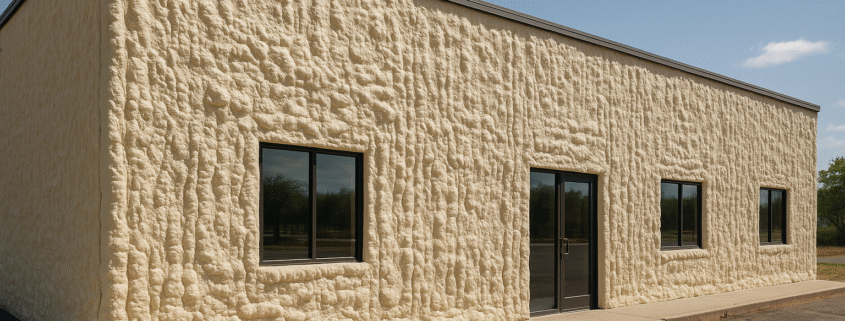
Choosing the right agricultural buildings insulation is key to maintaining efficient, healthy farm buildings. Spray foam delivers unmatched performance in energy savings, moisture control barns, and icedam prevention, especially when installed by experienced contractors. Look for a team that understands not just barn insulation, but also long-term moisture control and the realities of farm life.

Prevent Ice Dams With Spray Foam

Introduction

If you’re a homeowner or builder in Calgary, you know ice dams prevention is a top priority to avoid roof ice buildup and costly winter effects insulation issues. White Knight Contracting has helped residents with reliable solutions to thermal bridging prevention since 2011, offering expertise that lets you enjoy winter without worrying about hidden damage.

Understanding Ice Dams and Their Impact

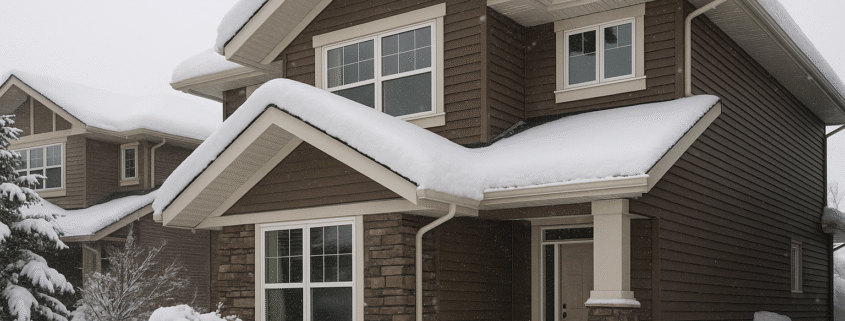
Ice dams form when snow on your roof melts and refreezes near the eaves, causing water to back up under shingles. This leads to leaks, mold, and even structural damage.Over time, unchecked roof ice buildup can ruin insulation, rot wood, and create expensive problems for homeowners. Builders know that ice dams prevention is crucial in cities with cold winters where heavy snowfall and freeze-thaw cycles are common. By improving winter effects insulation and eliminating thermal bridging, your building remains safe and comfortable during even the harshest Alberta weather.

Spray Foam Insulation: An Overview

Spray foam is a high-performance material applied directly to the underside of roofs or attic floors, expanding to fill gaps and seal every crack. Unlike traditional batt insulation, spray foam forms an air-tight barrier, which keeps warm air inside and prevents cold air from sneaking in. Builders favor this approach to ice dams prevention because it’s fast, effective, and suitable for almost any structure—whether you’re updating a century home or building brand new. For those seeking ultimate winter effects insulation, spray foam provides peace of mind, boosts energy efficiency, and keeps your home cozy all season.

History and Latest Trends in Ice Dams Prevention

Years ago, builders relied on basic fiberglass batts, which often left gaps for heat to escape. As understanding of building science advanced, so did the push for tighter, more effective insulation. In the last decade, Calgary’s contractors have turned increasingly to spray foam as a reliable solution to thermal bridging prevention—especially in custom homes and major renovations. Modern spray foams are eco-friendlier and provide better R-value than ever, setting a new standard for ice dams prevention and making them a favorite among energy-conscious builders.

Biggest Challenges With Roof Ice Buildup

Every winter, Canadian roofs are put to the test.

  • Heavy snow loads put pressure on shingles and underlayment
  • Poor insulation lets heat escape, melting rooftop snow unevenly
  • Icicles signal hidden leaks and ventilation issues
  • If thermal bridging is not addressed, costly water intrusion and even ceiling collapses can occur. The real trick is managing both inside temperature and moisture—something spray foam excels at. By investing in proper winter effects insulation and focusing on critical problem areas, builders create lasting protection for their clients.

    Step-by-Step: How Spray Foam Stops Thermal Bridging

    Thermal bridging happens when heat transfers through framing members, bypassing regular insulation. Here’s how spray foam insulation delivers ice dams prevention:

    1. Assessment: Builders inspect attics and rooflines for problem spots.
    2. Preparation: Old, ineffective insulation is removed, and surfaces are prepped.
    3. Application: Spray foam is applied directly to the roof deck or attic floor, sealing every crevice and stopping air leakage at the source.
    4. Curing: The foam expands to fill gaps, forming a continuous, air-tight barrier.
    5. Finishing: Contractors check for even coverage and ensure proper ventilation remains.

    This process stops warm air escape, blocks wind-driven cold, and dramatically reduces the chances of roof ice buildup—even during extreme weather swings.

    Comparing Foam to Other Insulation Options

    While options like cellulose or fiberglass provide baseline protection, spray foam is unmatched for thermal bridging prevention. Here’s why:

    • Foam delivers a higher R-value per inch and eliminates air leaks.
    • It acts as both insulation and a vapor barrier—no need for two separate products.
    • Older systems are prone to settling or mold; spray foam resists both, ensuring consistent performance.
    • Professional installation is quick, minimizing disruptions for homeowners.

    Builders say the upfront investment in spray foam pays off in long-term savings and comfort, especially where ice dams prevention is a concern.

    Real-World Results and Future Prospects

    Calgary homeowners who’ve partnered with experienced builders report immediate improvements. Attics stay warmer, energy bills shrink, and roofs remain clear of dangerous ice buildup all winter long. In the coming years, expect continued innovation in eco-friendly spray foam and hybrid systems, further improving winter effects insulation and extending roof lifespans. As energy codes tighten, high-performance solutions like spray foam will only grow in popularity for ice dams prevention and overall building health.

    Expert Quotes and Industry Insights

    Leading contractors point out, “Up to 40% of a home’s energy loss can be traced to gaps around the attic and roof deck. Spray foam addresses this at the source, giving clients measurable peace of mind.” According to the Canadian Home Builders’ Association, thermal bridging prevention is now a best practice—especially in new builds and deep retrofits. Real-world performance consistently outshines old-school solutions, making spray foam a wise investment for modern homes.

    Interesting FAQ

    Huntsman Building Solutions offers world-leading polyurethane spray foam products with limited lifetime warranties for durability and performance. Learn about closed-cell vs. open-cell foam here.

    • Q: Does spray foam provide year-round benefits?
      • A: Yes! Not only does spray foam prevent ice dams and roof ice buildup in winter, but it also keeps homes cooler and drier in summer, making it one of the most versatile winter effects insulation solutions available.
    • Q: Are there additional services White Knight Contracting offers?
      • A: Absolutely. The team is skilled in projects beyond insulation—including siding—saving you time and the hassle of hiring multiple contractors.
    • Q: How long does spray foam last?
      • A: With proper installation, spray foam insulation will last the lifetime of your building, maintaining effective thermal bridging prevention without settling or degrading.

    Conclusion

    Ice dams prevention is a smart investment for any Calgary property, especially when considering the real impact of roof ice buildup and the importance of winter effects insulation. Trusted builders recommend spray foam for its performance, longevity, and ability to solve real-world problems fast. For comfort, safety, and lower energy bills, it’s the clear choice for thermal bridging prevention in new construction and retrofits alike.

    To learn more and view our other blogs, click here.
    Calgary Builders Prefer Spray Foam

    Introduction

    When it comes to permits for new builds or renovations, Calgary builders prefer spray foam insulation as their top choice. The rising popularity of spray foam as a builder preferred insulation is no accident. Modern construction demands both energy efficiency and reliability, and spray foam delivers on both fronts. At White Knight Contracting, our expertise stretches across many construction areas, making us the contractor choice foam experts for projects big or small.

    Table of Contents

    A Brief History of Spray Foam Insulation in Calgary

    Spray foam insulation has roots going back to the 1940s. Originally developed for military and aerospace use, it made its way into residential and commercial construction by the 1970s. Calgary saw early adoption for its superior sealing power in cold climates. Over the decades, more building permits have approved construction spray foam, especially as energy codes grew stricter and homeowners grew increasingly aware of heating costs. This shift helped push spray foam to the forefront as a builder preferred insulation in the area.

    Why Calgary Builders Prefer Spray Foam as an Insulation Option

    Builders in Calgary increasingly opt for spray foam because of its unmatched performance. Here’s why construction and renovation teams rely on this contractor choice foam:

    • Air Sealing: Spray foam creates an airtight barrier, greatly reducing drafts and preventing moisture intrusion.
    • Energy Efficiency: Compared to fiberglass or cellulose, it offers a far higher R-value.
    • Versatile Application: It expands into tough corners and voids, covering places other insulations can’t reach.
    • Longevity: Spray foam maintains its form and effectiveness for decades.
    • Improved Indoor Air Quality: By reducing pathways for dust, pollen, and outside pollutants.

    Obtaining permits for spray foam insulation is straightforward, making it a preferred material for both new builds and retrofits. Builders know that meeting and exceeding local codes with spray foam is easier, keeping projects on schedule and budget.

    Calgary’s building industry has seen a sharp rise in demand for spray foam. Some of the top trends include:

    • Focus on eco-friendly and lower-emission spray foam formulas.
    • Adoption for both attics and below-grade spaces, thanks to spray foam’s moisture resistance.
    • More streamlined permitting and inspection processes for preferred materials like spray foam, reflecting building code updates.
    • Use in both new homes and as part of energy retrofit projects under local incentive programs.

    Contractor choice foam is easy to install using modern spray systems, minimizing disruption and shortening construction timelines. It’s no surprise that leading contractors in the Calgary area consistently choose spray foam as part of their builds.

    Challenges Faced During Installation and Permitting

    While the benefits are clear, there are a few bumps in the road with spray foam installation and approvals:

    • Proper Training and Equipment: Not every crew is equipped for safe, consistent spray foam application.
    • Permit Approvals: Some older homes require extra inspection to ensure ventilation and vapor barrier compatibility when switching to spray foam.
    • Weather Conditions: Extreme cold or humidity can affect installation timing during Calgary’s unpredictable seasons.
    • Cost Factors: The upfront investment can be higher than traditional insulation types, though the long-term savings are significant.

    Fortunately, experienced companies like ours address most hurdles before the first spray. White Knight Contracting has been in business since 2011. Not only can we handle spray foam but also manage related projects, like siding or flooring, without the need for multiple contractors. This all-in-one approach smooths out the permitting and installation processes for Calgary’s builders and homeowners alike.

    Future Prospects for Contractor Choice Foam in Calgary

    The future looks bright for those choosing spray foam as their builder preferred insulation product. Experts foresee more widespread adoption as codes demand higher energy efficiency and consumers seek green solutions. Researchers are developing bio-based spray foams and new applications, like roofing materials and acoustical barriers. As local permitting becomes more familiar with construction spray foam standards, approvals may get even faster, driving down costs and making it easier for both professionals and DIYers to use this preferred material.

    Interesting FAQ

    • Where can I find Canadian-made spray foam insulation and coatings?

      Elastochem manufactures Canadian-made spray foam insulation and coatings, including polyurea and advanced polymer systems.
    • How does construction spray foam compare to traditional fiberglass?

      Spray foam offers much higher R-values, superior air sealing, and excellent resistance to moisture and pests. While the initial cost is higher, most find it pays off in energy savings and comfort.
    • Do I need a permit for spray foam insulation in Calgary?

      Yes, permits are generally required for insulation upgrades in Calgary, especially for extensive renovations or new construction. The process is straightforward but always check with your contractor first.
    • Can a single contractor handle both spray foam insulation and related jobs like siding?

      Yes! Companies like ours are equipped to offer both insulation and additional services—reducing hassle and ensuring consistent workmanship.
    • What’s the expected lifespan of spray foam insulation?

      Installed and maintained properly, spray foam insulation can last for more than 30 years with little to no degradation in performance.

    Conclusion

    It’s easy to see why Calgary builders prefer spray foam for their projects. With benefits ranging from energy savings to simple permitting, this contractor choice foam remains the gold standard for both new constructions and renovations. If you’re looking to enhance your property with the latest preferred materials, consider spray foam insulation as your top option.

    To learn more and view our other blogs, click here.
    Insulation Permits And Calgary Codes

    Introduction

    Staying up to date with insulation permits and Calgary codes is essential for homeowners and contractors planning insulation projects in different city zones. Whether it’s attic, basement, or wall insulation, meeting all building permission and certification requirements ensures your home is safe, energy-efficient, and up to modern standards. For those in need of expert guidance, White Knight Contracting, trusted since 2011, provides professional solutions throughout Calgary and beyond.

    Table of Contents

    History of Insulation Permits & Calgary Codes

    Insulation permits and specific Calgary codes have evolved alongside the city’s growth and shifting climate awareness. In the past, homeowners often completed insulation work without building permission or concern for certification requirements. The 1970s energy crisis, however, sparked a movement toward efficiency. Eventually, newer regulations ensured each home’s insulation met minimum quality standards, and city inspectors began verifying compliance.

    Over the decades, updates have targeted increasing R-values (thermal resistance levels) and ensuring safe materials in every zone of Calgary. Meeting these codes is now recognized not just for legality, but also for long-term savings and comfort.

    How Zones Affect Insulation Permits

    Calgary’s neighborhoods are divided into zones, each with its own set of building permission rules. Zones determine everything from allowable insulation types to fire ratings:

    • Residential zones: Most common insulation permits needed for renovations or additions.
    • Commercial or mixed-use zones: Stricter, often requiring higher certification requirements and professional insulation codes compliance.
    • Special overlay zones: May have extra requirements due to environmental or historical factors.

    For every zone, Calgary requires that permit applications include details on the type of insulation, R-values, and vapor barriers. Hiring a certified contractor is often the simplest route, as they keep up with each zone’s building permission requirements.

    Current Trends in Calgary Building Permission and Certification Requirements

    Today, home and business owners are pursuing energy-efficient upgrades to lower utility costs and reduce environmental impact. The newest trend is toward blown-in and spray foam insulation, which requires up-to-date permits and careful attention to local codes. Using certified materials with low VOCs (volatile organic compounds) is now a must as part of professional insulation codes in Calgary.

    Furthermore, the city emphasizes third-party verification—meaning only licensed professionals can complete inspections or issue final certifications. Recent updates also require digital permit submissions, making the process faster and more transparent for all areas and zones.

    Challenges When Navigating Professional Insulation Codes in Calgary

    Despite these advances, navigating permits insulation requirements can be complex. Common challenges include:

    • Identifying which zone-specific regulations apply
    • Ensuring documentation for older buildings meets current standards
    • Coordinating between designers, inspectors, and installers for approval
    • Securing re-inspection if DIY work doesn’t initially pass

    Homeowners sometimes underestimate timelines or costs by skipping key steps in certification requirements, which may lead to costly delays or fines. Partnering with a company that knows all city zones and professional insulation codes is essential for stress-free renovations.

    Future Prospects for Certification and Permits

    The evolution of building codes is ongoing as Calgary strives for higher sustainability standards and maximized indoor air quality. Future trends point to stricter regulation of insulation materials and even smarter digital permit tracking across every zone.

    Experts believe the next few years will see incentives for using ultra-high R-value insulations, and stricter requirements for air-sealing and vapor barrier testing. As energy costs rise, homeowners and developers will place more emphasis on knowledge of professional insulation codes for long-term savings and city approval.

    What to Expect: Step-by-Step Guide

    1. Determine your zone: Identify which Calgary district your property falls under.
    2. Evaluate your insulation needs: Attic, basement, wall, or crawl space?
    3. Choose certified materials: Select products that meet local R-value and fire rating codes.
    4. Apply for permits insulation: Submit all relevant documents and drawings to the city’s online portal.
    5. Wait for city review: Inspectors may request more info for building permission in certain zones.
    6. Schedule inspection: After installation, an official inspects to ensure compliance with professional insulation codes.
    7. Receive certification: Once approved, you’ll get final sign-off and proof for your records.

    Hiring a knowledgeable contractor like White Knight Contracting, who can handle multiple trades such as siding in addition to insulation, makes this process smooth and efficient.

    Interesting FAQ

    Owens Corning delivers energy-efficient spray foam insulation systems, leading the industry in quality and support.

    • Do all types of insulation require a permit in Calgary? Yes, when performing major upgrades, especially in attics, walls, and basements.
    • How long does a typical permits insulation process take? Usually 1-2 weeks, but timelines can vary based on your zone.
    • Can I install insulation myself? DIY is allowed, but you must still get building permission and pass inspections for certification requirements.
    • What happens if I skip the permit process? You may face city fines, insurance issues, and safety hazards in the future.
    • Do contractors need to be licensed for professional insulation codes compliance? Yes, Calgary requires contractors to hold valid certifications for insulation installations.

    Conclusion

    Understanding insulation permits and Calgary codes is key for a safe, comfortable home—and it starts with knowing your zone and building permission needs. Whether you need blown-in attic insulation, spray foam in the basement, or a licensed expert for certification requirements, choosing a company experienced in professional insulation codes like White Knight Contracting ensures your project is done right the first time. To learn more and view our other blogs, click here.