

Green Building Certifications and Foam

Introduction

Performance plays a key role when choosing building materials, especially as more homeowners and builders pursue green building certifications to meet sustainability goals. At White Knight Contracting, our team understands that eco-friendly foam is a crucial part of sustainable construction, particularly when aiming for certifications like LEED insulation. Knowing how foam fits into these programs helps create healthier, more energy-efficient, and environmentally friendly homes and buildings.

Table of Contents

The History of Green Building Certifications

Green building certifications have been evolving for decades, with the goal of creating structures that lower environmental impact and improve occupant well-being. One of the first and most recognized is LEED (Leadership in Energy and Environmental Design), which started in the late ’90s. Over time, other programs such as BREEAM, WELL, and Passive House have set global standards for sustainable construction. These programs focus on energy efficiency, indoor air quality, resource conservation, and materials—like eco-friendly foam—that contribute to an overall better building performance.

LEED insulation requirements, for example, highlight energy-saving foam products with high R-values, helping reduce energy bills and carbon emissions. In Canada, building codes and the demand for certifications have pushed the use of green technologies, especially in new builds and major renovations.

The push for sustainable construction is stronger than ever. Builders and homeowners now prioritize eco-friendly foam options that meet or exceed certification requirements. Performance-driven products such as closed-cell spray foam and advanced open-cell formulations provide excellent thermal resistance, reduced air leakage, and improved moisture control. These characteristics are vital for earning points in green building programs.

Statistics show homes with certified insulation can cut annual heating and cooling costs by up to 30%. Demand for zero-ozone depleting blowing agents and recycled content in foam is also trending up. In addition, transparent Environmental Product Declarations (EPDs) for spray foams help professionals make informed, sustainable choices.

Challenges in Achieving Certification

Getting green building certifications isn’t always easy. One major challenge is selecting materials like LEED insulation that meet strict criteria while fitting budget constraints. Not all foam products qualify as eco-friendly foam, and sometimes the installation process or site conditions make it hard to reach required energy performance levels.

Builders also face the task of sourcing verified, non-toxic foam for projects aiming for certifications. Documentation requirements, frequent updates to standards, and need for skilled installers can further complicate sustainable construction efforts. But working with experienced contractors who understand both the construction process and certification guidelines makes a big difference.

Future Prospects for LEED Insulation & Sustainable Construction

The future of green building certifications looks bright as regulations and public interest in sustainable construction grow globally. More governments offer incentives and stricter codes, making eco-friendly foam and other green materials a necessity rather than a luxury. Innovative options like plant-based and hybrid foams, along with improved recycling processes, are emerging fast.

Industry experts say that by 2030, half of all new buildings in developed markets could seek green building certifications. There’s also a growing trend for retrofitting older homes with LEED insulation and energy-efficient spray foam, combining performance, comfort, and sustainability.

Comparing Foam Types for Certification Performance

There are two main types of spray foam used for LEED insulation and other green building certifications: closed-cell and open-cell.

  • Closed-cell foam: Denser and offers higher R-values per inch, making it an excellent choice for cold climates and space-limited applications. Its performance also creates a vapor barrier, supporting effective moisture management for sustainable construction.
  • Open-cell foam: Lighter and less rigid, but still provides strong air sealing and sound dampening. This eco-friendly foam is often chosen where breathability is as important as insulation, and it uses fewer raw materials.

Both types use new, low-emission blowing agents to meet or exceed green certification standards. Builders should choose based on the specific needs of the project, always considering product certifications and EPDs.

What to Expect With a Certified Installation

Working towards green building certification with eco-friendly foam begins with a site assessment. Certified installers, like those at White Knight Contracting, review plans for maximum performance. Here’s what to expect:

  • Initial energy audit and consultation about sustainable construction goals.
  • Selection of LEED insulation or high-performing eco-friendly foam, verified by third-party documentation.
  • Meticulous preparation and safe installation to maximize air sealing, energy savings, and compliance.
  • Post-installation testing with blower doors or thermal imaging to ensure certifications can be achieved.
  • Submission of paperwork and performance data to relevant bodies for final approval.

Choosing a contractor in business since 2011, with the ability to handle related tasks like siding or finishing without extra contractors, streamlines the process and increases the chance of certification success.

Interesting FAQ

Install Masters shares a consumer guide for understanding spray foam insulation benefits and options.

  • What exactly are green building certifications?
    These are official recognitions that a building meets certain sustainability and efficiency standards, such as LEED, which often include requirements for insulation performance, air quality, and the use of eco-friendly foam.
  • How does LEED insulation differ from regular insulation?
    LEED insulation is generally tested for lower emissions, higher R-values, and may contain more recycled or renewable materials compared to standard products.
  • Can spray foam help with noise reduction as well as temperature control?
    Yes, both closed-cell and open-cell eco-friendly foam have sound-dampening properties, making them ideal for multi-family homes or commercial spaces.
  • Is it possible to upgrade older homes to meet green building certification standards?
    Absolutely! Retrofitting with high-performance spray foam is one of the most effective steps for sustainable construction improvements.
  • Who can install certified LEED insulation or foam?
    It’s best to work with licensed contractors familiar with sustainable construction and certification requirements for the best performance and compliance outcomes.

To learn more and view our other blogs, click here.
Spray Foam Performance Compared Closely

Introduction

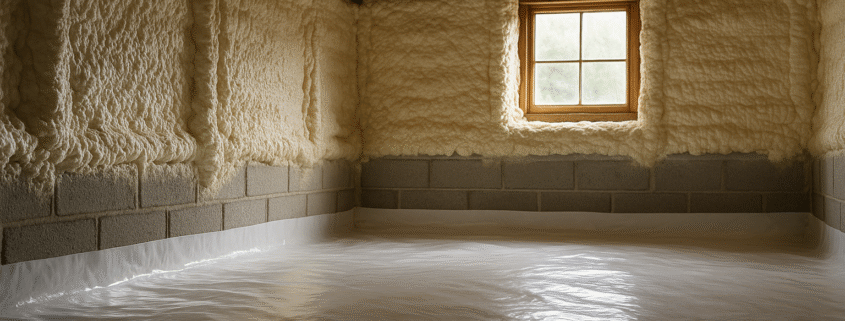
Effective ventilation and spray foam performance are both crucial if you want top-notch home comfort and energy savings. When compared closely, spray foam insulation shines in heat retention and efficiency. At White Knight Contracting, we know it’s about more than just filling a gap—it’s how insulation changes your space for the better.

Table of Contents

The Evolution of Spray Foam Insulation

Spray foam insulation dates back to the 1940s, but its major household use took off in the 1980s. Early products boosted thermal conductivity performance but were mostly limited to commercial use. Now, the spray foam industry focuses on solving heat loss—especially in the chilly Canadian climate. Over time, the blend of science and practical use has shaped foam that delivers impressive insulation efficiency and heat retention foam properties even in the coldest months.

Modern Trends in Foam Thermal Performance

Today’s spray foam is engineered for both residential and commercial needs. Property owners are choosing it for its power to minimize drafts, improve air sealing, and reduce energy costs. Recent manufacturing advances have pushed the boundaries of foam thermal performance—meaning homes are warmer, HVAC systems work less, and bills drop. Plus, closed-cell spray foam can even add structural stability, making it a smart long-term investment in any property, especially where ventilation and energy retention go hand in hand.

Challenges: Ventilation, Moisture & Efficiency

One of the biggest hurdles with any insulation is moisture management and proper ventilation. Spray foam’s air-tight seal blocks heat transfer (thanks to low thermal conductivity), but it can also trap indoor moisture if your home’s ventilation isn’t balanced. This is why working with experienced professionals matters—they can coordinate spray foam installation with your home’s existing airflow and ventilation strategies. With the right design, you get maximum insulation efficiency without sacrificing air quality or causing future headaches like mold or trapped condensation.

Spray Foam Installation: Step-by-Step Guide

  • Assessment: Start with a site visit—experts evaluate airflow, gaps, and insulation needs.
  • Preparation: Remove obstacles, clean surfaces, and cover belongings for protection.
  • Mix & Apply: Foam chemicals are blended onsite, then sprayed where needed—walls, attics, basements, or crawl spaces.
  • Curing: The foam expands, sealing every corner. It sets in a few hours.
  • Final Check: Pros review coverage, thickness, and ensure no ventilation pathways are blocked.
  • Cleanup: All areas are left tidy, and homeowners get tips on maintaining ventilation and foam performance.

How Spray Foam Stacks Up Against Alternatives

Compared to traditional fiberglass batts or blown-in types, spray foam leads in thermal conductivity and insulation efficiency. It fits odd shapes, seals cracks air can sneak through, and doesn’t slump over time. While the up-front cost can be higher, the heat retention foam properties pay off with years of lower heating costs. In well-ventilated attics and walls, spray foam quickly proves its value—especially in harsh climates where every BTU counts.

What’s Next for Insulation Efficiency?

The future of spray foam is looking even brighter. Manufacturers continue to fine-tune chemical mixes to reduce environmental impact while upping the R-value (a measure of thermal conductivity resistance). Integrating “smart” ventilation systems and monitoring will help balance fresh air intake with unbeatable insulation efficiency. Soon, expect even tighter building codes and more eco-friendly options, keeping homes not just warm, but healthier and more energy-smart than ever before.

Interesting FAQ

Oak Ridge Polymers offers advice on storing spray foam insulation during cold weather conditions.

  • What is the R-value in spray foam insulation?
    The R-value measures thermal conductivity—higher means better heat retention foam. Closed-cell spray foam can reach R-6 or more per inch, making it highly effective compared to other materials.
  • Does spray foam affect home ventilation?
    Yes, it seals air leaks for insulation efficiency, so it’s important to ensure your home’s ventilation is balanced for best indoor air quality.
  • How long does spray foam insulation last?
    When professionally installed, spray foam can last 30+ years without losing effectiveness.
  • Can spray foam help with moisture issues?
    Absolutely, but only if paired with proper ventilation systems—this keeps moisture from being trapped indoors.
  • Can a contractor handle other jobs like siding?
    White Knight Contracting has been in business since 2011 and can take care of multiple projects, so you don’t need to hire separate teams.

Find Us

To learn more and view our other blogs, click here.

Ventilation Coordination With Spray Foam

Introduction

Proper ventilation coordination with spray foam is critical in any project where spaces demand excellent air flow management and moisture control ventilation. Whether you’re considering upgrading attic ventilation in your home or protecting other important areas, it’s essential to get each piece of the puzzle right. The experts at White Knight Contracting have extensive experience helping clients maximize the benefits of spray foam insulation while ensuring healthy indoor environments.

Table of Contents

The History of Spray Foam and Ventilation Coordination

Spray foam insulation was introduced in the 1940s, but it wasn’t until the late 20th century that it became widely known for its energy efficiency. Early adopters often focused only on blocking drafts, sometimes overlooking the crucial role of ventilation. Over the years, building codes evolved, recognizing that while spray foam can seal spaces tightly, the right air flow management is mandatory to avoid moisture issues.

Moisture control ventilation, especially in attics, became a major concern when mold and wood rot were linked to poor air movement behind spray foam. Combining insulation with carefully engineered attic ventilation now represents the gold standard. Homeowners, builders, and inspectors learned that closed environments needed calculated access points for fresh air to preserve air quality and prevent damage.

Today, the best practices for ventilation coordination with spray foam revolve around smart design, new technology, and clear codes. Many contractors use advanced diagnostic tools—like blower door testers—to locate unwanted leaks and precisely tailor airflow strategies. Balancing intake and exhaust is key in every type of space, from new homes to renovations and commercial buildings.

Mechanical ventilation systems, including energy recovery ventilators (ERVs), have become more popular. These not only supplement attic ventilation, but also help regulate moisture and temperature across the whole house. Large attic fans, specialized ridge vents, and strategically placed baffles keep insulation dry while maintaining efficient heating and cooling. Green building programs recognize projects that showcase seamless air flow management integrated with modern foam products.

Common Challenges of Balancing Ventilation and Foam

One of the main challenges with combining spray foam insulation and ventilation is avoiding moisture traps. If warm, humid air from living spaces seeps into sealed-off attics without adequate attic ventilation, condensation can occur. This can damage roof structures and encourage mold growth. Another obstacle is retrofitting older homes, where existing vents may be blocked by new foam layers if not planned carefully.

  • Incorrectly sized vents may render attic ventilation ineffective.
  • Skilled air flow management is needed around chimneys and plumbing vents to meet building codes.
  • In some climates, seasonal changes can complicate moisture control ventilation, requiring adjustable or mechanical systems.

Transparent communication with your insulation contractor makes all the difference. Consider a company with diverse experience capable of handling unexpected issues—like ensuring siding isn’t damaged while upgrading insulation.

Future Prospects and Innovations

The future of ventilation coordination with spray foam looks promising. Emerging technologies include smart home sensors that monitor air quality and humidity in real time, alerting homeowners to potential problems even before they occur. New eco-friendly foam formulas promise less off-gassing and improved permeability, allowing for even healthier spaces. Integration between HVAC systems and automated vent controls could further optimize air flow management in the coming years.

Expect to see building codes become even stricter regarding moisture control ventilation and air flow analysis, especially in energy-efficient homes. Contractors with a track record like White Knight Contracting are already keeping pace with these advances to deliver robust, future-proof solutions.

Step-by-Step Guide: Getting Ventilation Right with Spray Foam

  • Start with an energy audit to assess your space’s needs and spot ventilation gaps.
  • Plan both intake and exhaust points—good attic ventilation starts with balanced air movement.
  • Work with qualified contractors to ensure foam is applied away from vent paths. Use baffles where necessary.
  • Choose the right mechanical systems if natural ventilation isn’t enough for moisture control ventilation.
  • Request post-installation testing—confirm air flow management is optimized and free from obstructions.
  • Schedule follow-ups, since homes “settle” after upgrades, and new air paths may develop.

By following these steps, you’ll maximize spray foam benefits while protecting your investment and your family’s health.

Comparing Ventilation Solutions for Different Spaces

Ventilation must be matched to both the building’s design and foam type. For example, open-cell spray foam allows for some vapor to pass through and might be suitable with standard roof vents. Closed-cell foam provides a tighter seal, so dedicated mechanical ventilation (like an ERV) is often mandatory. Attics need continuous ridge or soffit vents, while crawlspaces may benefit from dehumidifiers as part of their ventilation system.

Some insulation systems combine foam with traditional insulation types, creating a “hybrid assembly” that can be tailored to older homes or mixed-use spaces. This flexibility highlights the importance of customized air flow management—there’s no one-size-fits-all solution.

Expert Quotes & Industry References

According to the U.S. Department of Energy, “No insulation can perform effectively if installed in a space with poor ventilation and unmanaged moisture.” Leading engineers now recommend ongoing monitoring—especially after foam upgrades.

John Smith, Certified Building Analyst, says: “The synergy between careful ventilation planning and quality spray foam can drastically cut utility costs while protecting building structure.”

ScienceDirect provides technical overviews of spray foam insulation for engineering applications: sprayfoammagazine.com

Interesting FAQ

  • How does spray foam affect ventilation in attics? Spray foam’s sealing capabilities increase energy efficiency but require planned attic ventilation to prevent moisture buildup and maintain air quality.
  • What’s the best way to manage air flow in older homes being retrofitted with foam? Partner with an experienced contractor to evaluate old vents, reroute as needed, and use vapor barriers or mechanical ventilation when required.
  • Can foam insulation cause moisture problems? Yes, if not paired with proper moisture control ventilation. This is why a professional assessment and monitoring are vital.
  • What makes White Knight Contracting different? In business since 2011, they can handle siding and other related upgrades, meaning fewer delays, better project management, and consistent results.
  • Is spray foam safe for every space? It’s suitable for most, but coordination with ventilation strategies is necessary to prevent trapped moisture and ensure long-lasting performance.

Contact and Next Steps

Choosing a trusted partner to coordinate ventilation with spray foam is vital for long-term comfort and efficiency. To learn more and view our other blogs, click here.

Explore More Resources

To learn more and view our other blogs, click here.
Insulating Heritage Homes With Foam

Introduction

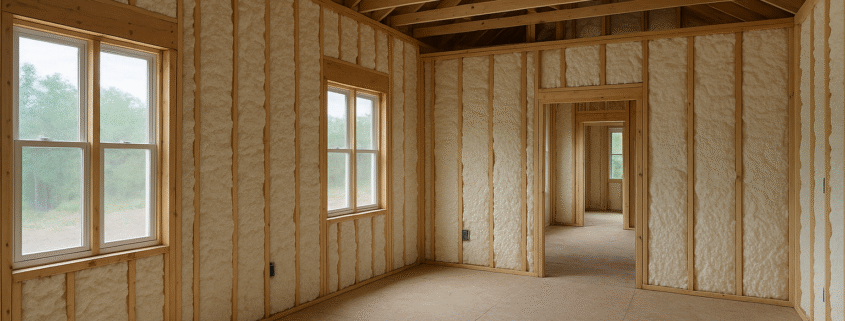
When considering insulation methods for older properties, the application of modern foam solutions can be the difference between maintaining a heritage home’s charm and enjoying efficient comfort. Heritage homes are gems that need special care, and using spray foam from White Knight Contracting offers a path to preserving these structures while bringing them up to today’s standards for comfort and energy savings.

History of Heritage Home Insulation: Traditional Methods vs. Foam Application

Heritage home insulation has come a long way over the centuries. Originally, older buildings relied on natural materials like horsehair, sawdust, or even newspaper for warmth. These methods offered minimal performance and weren’t designed to meet today’s expectations for comfort or efficiency.

With the application of foam insulation, especially spray foam, there’s a big leap in how these homes are protected from harsh seasonal changes. Unlike batt or blown-in insulation—often hard to apply in irregular, historic framing—foam fills gaps and air-leaks effortlessly. This creates a tight thermal envelope while preserving the original look and feel of the historic space.

Homeowners are now blending advanced technology with preservation, choosing historic building foam for its adaptability. Modern spray foam is engineered to have minimal impact on delicate interiors while providing strong insulation values. This approach is gaining popularity for both small cottages and grand Victorian residences.

Retrofit older homes with spray foam application, and you’re also improving indoor air quality by sealing out moisture and pollutants. Plus, comfortable living means less energy waste and lower utility bills—something every property owner can appreciate.

Unique Challenges of Insulating Heritage Homes

Retrofitting older homes comes with its own set of headaches. Many heritage properties have walls that can’t be easily opened without risking structural details. There may be:

  • Delicate woodwork or moldings
  • Limited wall cavities and unusual framing
  • Concerns over trapping moisture against century-old materials
  • One advantage with foam is that it applies as a liquid and expands gently, forming a snug barrier without heavy disruption. This reduces the need for invasive demolition, helping to maintain valuable heritage features.

    Preservation Insulation: Why Foam Is a Smart Choice

    Preservation insulation is about protecting both the building and its story. Foam insulation stands out for its ability to:

  • Reduce drafts and heat loss without affecting the exterior or interior design
  • Improve energy efficiency, making the home more affordable to operate
  • Limit noise, drafts, and dust infiltration
  • Choosing the right application is vital—open-cell foams provide breathability, while closed-cell foams create a vapor barrier for wet climates. An expert installer helps you balance these needs.

    Step-by-Step Guide: The Foam Insulation Application Process in Heritage Buildings

    Wondering how the process works? Here’s what you can expect with retrofitting older homes:

  • Assessment: An expert examines the building for problem areas and preservation needs
  • Preparation: Furniture and valuables are covered to prevent overspray
  • Installation: Foam is sprayed in hard-to-reach spaces, expanding to fill gaps and cracks
  • Curing: The foam sets quickly and forms a seamless blanket
  • Inspection: A final check ensures that historical features remain untouched
  • This method means less mess and fewer visits from multiple contractors, as teams like White Knight Contracting have the versatility to handle other upgrades like siding—all within the same project.

    Comparisons and Analysis: Foam vs. Traditional Materials

    Traditional batt and blown-in materials offer limited flexibility in heritage renovations. They can settle and shift, leading to cold spots or drafts. In contrast, historic building foam insulation adapts to awkward voids and checks every box for air-tightness. The foam acts as a superior air sealant and is especially effective around chimneys, attics, and crawl spaces where leaks are common.

    Research shows spray foam can reduce air leakage by up to 70%, slashing annual energy costs in older homes. For homeowners wanting to blend charm with comfort, modern foam technology is a clear frontrunner.

    Future Prospects for Retrofitting Older Homes With Foam

    Expect the trend for preservation insulation techniques to keep growing. New foam formulas are more sustainable, some using plant-based resins and recycled content. Regulations also now support gentle interventions that protect both the building’s history and its carbon footprint.

    Experts predict that as cities focus more on conservation and energy efficiency, insulation that allows older structures to “breathe” will be in high demand. Foam offers powerful results without the risk of damaging the architectural legacy of these charming properties.

    Interesting FAQ

    For additional industry information, the Insulation Institute outlines various insulation materials and their performance characteristics.

  • Can foam insulation harm my heritage home’s walls? When installed by specialists, modern foam is tailored to protect both the structure and its finishes, reducing condensation and preserving original features.
  • Is it possible to insulate just the attic or crawlspace in a historic building?
  • How does heritage home insulation affect resale value?
  • Will foam insulation prevent moisture and mold issues?
  • Can your contractor do other updates alongside insulation?
  • Find Out More

    To learn more and view our other blogs, click here.
    Spray Foam Application Techniques Guide

    Introduction

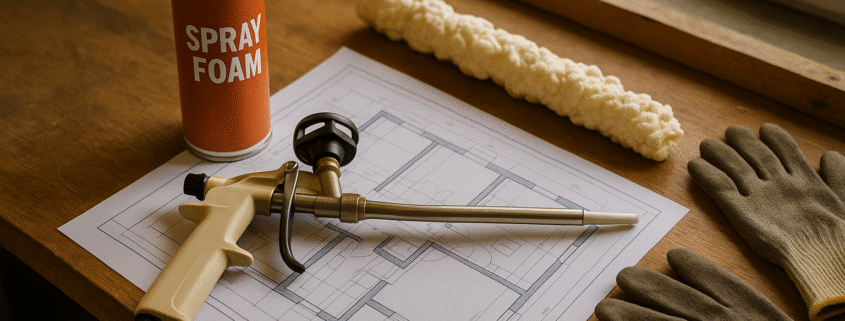
    Did you know the sound of foam application can actually be a sign of skilled spray techniques and best foam practices? If you’ve ever considered upgrading your home with modern insulation, choosing the right installation equipment and process is critical. At White Knight Contracting, we believe that understanding the details of spray foam application sets you up for quieter, more efficient living. Let’s explore what really goes into a professional install, including a full look at technique, challenges, and what you can expect from the future of this technology.

    History of Spray Foam Application

    Spray foam insulation has a fascinating past. While it feels like new tech, its origins date all the way back to the 1940s. Originally, spray foam was used primarily in military and aviation sectors, taking advantage of the material’s ability to expand and fill irregular spaces. By the 1970s, techniques improved and the sound of foam application became a regular feature at commercial job sites. Over time, residential projects adopted these best foam practices for improved comfort and energy savings.

    Today, spray techniques have significantly evolved with advances in application methods, producing safer, quieter, and more precise results. Understanding the history helps highlight how much easier and more effective spray foam application has become.

    Modern foam application is all about blending technology with craftsmanship. Energy efficiency and indoor sound reduction are top priorities for most homeowners. Today’s spray techniques focus on superior air sealing and thicker, seamless coverage compared to older methods.

    • Closed-cell foam provides enhanced moisture barriers.
    • Open-cell foam is favoured for its soundproofing quality.
    • Smart equipment enables custom mixtures for unique climates.
    • Infrared cameras help contractors spot gaps instantly.

    With these advances, installation equipment has become lighter, more precise, and safer for contractors and occupants alike.

    Step-by-Step Foam Application Techniques

    Curious about how spray foam insulation works in real-world settings? Here’s a simplified look at best foam practices you can expect from a professional foam application:

    1. Prep the Area: Remove debris, dust, and moisture. Use plastic sheeting to cover sensitive spots.
    2. Select the Right Foam Type: Choose closed or open-cell foam to match your sound and thermal goals.
    3. Mix and Test: Use installation equipment to mix chemicals. Test a small patch to ensure a solid bond.
    4. Apply in Thin Layers: Using gentle, steady spray techniques, the material is layered until reaching desired thickness.
    5. Allow Proper Curing: Let each layer settle fully before adding more. This is crucial for a safe, long-lasting seal.
    6. Final Inspection: Contractors check acoustics and energy tightness, often using specialized meters or sound tests.

    This approach ensures noise reduction that you can both hear and feel, especially in busy neighborhoods where sound resistance is key.

    Installation Equipment: What the Pros Use

    Proper installation equipment makes a world of difference in foam application. Pros rely on advanced gear to ensure consistent sound dampening and thermal performance:

    • High-pressure proportioners for precise chemical mixing.
    • Heated hoses for smooth material flow and controlled spray techniques.
    • Specialized nozzles to reach every nook and cranny.
    • Respirators and protective gear for installer safety.

    Technological advancements mean less waste, improved coverage, and greater environmental safety. When skilled contractors wield modern equipment, you get professional-grade results and a noticeable improvement in both comfort and noise levels.

    Challenges and Solutions in Foam Application

    Even skilled contractors face obstacles during foam application. Here’s a look at some common challenges—and the proven best foam practices used to solve them:

    • Humidity and Temperature: Moisture can affect foam expansion. Solution: Precise environmental controls and well-timed application.
    • Uneven Surfaces: Irregular framing or old insulation. Solution: Thorough prep and layered spray techniques for full coverage.
    • Sound Gaps: Insufficient application can let noise through. Solution: Use infrared and sound meters to ensure total enclosure.
    • Ventilation Safety: Fumes during install. Solution: High-grade ventilation systems and professional mixing gear.

    Working with seasoned companies means you benefit from years of expertise, overcoming obstacles swiftly while maximizing long-term efficiency and comfort.

    Future Prospects and Innovations

    The future for spray foam application is brighter and quieter than ever. Builders want materials that perform better and last longer, while also being safer for homes and the planet. Emerging trends include:

    • Bio-based foams for sustainable construction.
    • On-site digital monitoring to perfect spray techniques in real time.
    • Self-healing insulation materials that adapt to damaged zones.
    • Integration with smart home systems for energy and sound management.

    As technology moves forward, expect faster install times, better sound control, and more affordable pricing—especially for multi-family and mixed-use buildings in urban areas. For both commercial and residential customers, the possibilities keep expanding with every innovation.

    Interesting FAQ

    Did you know that Icynene promotes the environmental and energy-saving benefits of spray foam insulation? Here are answers to other common questions:

    • How does spray foam help with sound reduction?
      The foam expands to seal gaps and cracks, minimizing air flow and blocking household and outside noise more effectively than fiberglass insulation.
    • Can spray foam be applied in cold weather?
      Yes, but professional installers use specialized equipment and techniques to adjust for temperature and humidity, ensuring consistent results year-round.
    • Is spray foam safe for people and pets?
      When installed with proper ventilation and equipment, cured foam is safe. Reputable contractors always follow best foam practices for occupant health.
    • What makes White Knight Contracting unique?
      In business since 2011, the company can handle multiple services, including siding, which means you don’t need to hire several contractors for one project.

    Contact & Location

    Ready to experience quieter, more comfortable living? To learn more and view our other blogs, click here.

    Sound Attenuation With Spray Foam

    How Sound Attenuation With Spray Foam Tackles the “Pest” of Noise Pollution

    If you’re tired of the persistent pest that is unwanted noise in your home, you may be surprised to learn that spray foam insulation—often chosen for its energy-saving perks—also offers remarkable benefits for sound attenuation. At White Knight Contracting, we see first-hand how incorporating spray foam insulation can boost both the comfort and the quiet of your living spaces, all while supporting your home’s protection from other invaders.

    Table of Contents

    The History of Acoustic Foam & Sound Absorption

    The use of materials for sound control dates back to early theaters, where thick curtains and wall hangings acted as early forms of sound absorption. By the mid-20th century, scientists developed modern acoustic foam products made from polyurethane, designed to dampen echoes and block noise passage.

    Spray foam insulation entered the market in the 1980s primarily for its R-value and energy efficiency—its sound attenuation qualities were a bonus. Now, many homeowners choose spray foam not only to reduce energy bills but also to combat the ongoing pest of external and internal noise.

    With urbanization and denser living, the demand for high-performance noise barrier walls and effective home quieting tools has never been higher. Spray foam insulation is trending as a top pick for new builds and retrofits because:

    • It provides seamless coverage inside walls, ceilings, and floors.
    • Open-cell spray foam is especially good for sound absorption, trapping noise within its cellular structure.
    • Closed-cell foam offers both sound and thermal insulation, as well as added structural integrity.

    The flexibility to integrate spray foam during renovation or construction makes it easier than ever for homeowners to tackle noise problems, improving sleep, privacy, and overall quality of life.

    Challenges of Achieving Sound Attenuation with Spray Foam

    While spray foam is a strong ally in the fight against excess noise, it isn’t a total soundproofing solution on its own. Some challenges include:

    • It works best as part of a layered system—a true noise barrier wall may also need mass-loaded vinyl or resilient channels.
    • Not all spray foams perform equally; open-cell acoustic foam is generally better for home quieting, but not as moisture-resistant as closed-cell types.
    • Installation quality matters. Gaps, missed spots, or over-expansion can undermine sound attenuation results.

    Working with experienced contractors helps ensure the best mix of thermal and sound benefits from your spray foam system.

    Future Prospects: Advanced Sound Control Solutions

    The outlook for sound attenuation with spray foam is exciting. New formulations focus on maximizing both insulation and acoustic performance, with “hybrid” foams and green-certified products becoming more widely available. Some highlight features include:

    • Better fire resistance and indoor air quality certifications
    • Improved “STC ratings” (sound transmission class) for walls and floors
    • Bigger focus on whole-home quieting and integrated smart home acoustics

    Ongoing research predicts that advanced spray foam will continue to improve noise control—especially valuable in multi-unit buildings where every decibel counts.

    How to Enhance Sound Attenuation With Spray Foam: Step-by-Step Guide

    • Assess your noise sources: Is the pest of your problem traffic, neighbors, or internal (like footsteps or plumbing)?
    • Choose the right spray foam: Open-cell foam is best for sound absorption, especially between rooms.
    • Seal gaps and cracks: Before spraying, make sure outlets, holes, and seams are airtight.
    • Professional installation: Let experts handle application for seamless coverage and maximum noise reduction.
    • Consider supplemental solutions: For serious home quieting, layer spray foam with mass-loaded vinyl or specialty drywall for true noise barrier walls.

    Spray Foam vs Other Soundproofing Methods

    Spray foam isn’t the only material for sound attenuation, but it stands out for its combination of energy efficiency, pest (including insect!) blocking, and acoustic foam qualities. Here’s how it stacks up:

    • Fiberglass Batts: Easier to DIY, but less effective for air sealing and blocking low-frequency sounds.
    • Cellulose: eco-friendly and decent for sound absorption, but can settle over time and lose effectiveness.
    • Acoustic Panels: Excellent for in-room sound control, but less helpful inside wall cavities.
    • Spray Foam: Wins on air sealing, versatility, and can deliver both noise control and energy savings in one install.

    It’s important to match your method to your goals—if you’re looking for both comfort and quiet, spray foam is a solid choice.

    Expert Quote: Why Pros Rely on Spray Foam for Sound Absorption

    According to industry veteran Mark Jensen, “Spray foam stops noise in its tracks while sealing air leaks and managing moisture. It’s not just about blocking sound, but also improving the overall health and comfort of the home—a total win for homeowners.”

    With more than a decade of experience, White Knight Contracting has built a reputation for tackling tough insulation and sound challenges—plus, their skilled team can handle jobs like siding too, so you rarely need to bring in a second contractor.

    Interesting FAQ

    Assembly Magazine compares open-cell and closed-cell spray foam for different applications.

    • Does spray foam help with outside street noise? Yes—especially open-cell varieties, when used in exterior walls and attic spaces.
    • Will spray foam stop all sound? It dramatically reduces most airborne noise, but for full soundproofing, it should be combined with other noise barrier wall techniques.
    • Is spray foam safe for homes with kids or pets? Absolutely—when installed by pros, modern spray foams meet strict safety standards and help keep pests out too.
    • How long does spray foam’s sound attenuation last? Installed correctly, spray foam maintains its sound-dampening and insulating properties for decades—outperforming most standard insulations.
    • Can spray foam boost home value? Yes—energy efficiency and noise control are both top features for potential buyers, making your investment pay off over time.

    Conclusion

    Spray foam insulation is a powerful, long-term solution for managing the “pest” of unwanted noise in your home. By boosting sound absorption, blocking pests, and improving energy efficiency, it delivers comfort and peace of mind under one roof. For a quieter, healthier home, trust the expertise of professionals with a reputation for quality and versatility.

    To learn more and view our other blogs, click here.
     

    Pest Control Using Spray Foam

    Introduction

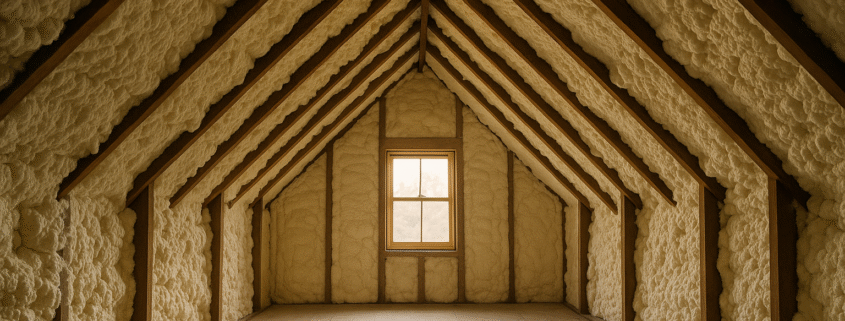
    When dealing with the failure of traditional pest prevention methods, many homeowners are looking for new solutions like pest resistant insulation and spray foam to keep critters out for good. White Knight Contracting has been tackling this challenge head-on by providing spray foam insulation that acts as a reliable pest barrier, giving homes both energy efficiency and improved termite control. Let’s discover how spray foam is transforming pest control in Canadian homes and businesses.

    Table of Contents

    History of Pest Control Using Spray Foam

    The story of pest prevention using spray foam began as homeowners experienced failure after failure with conventional methods like traps, poisons, and caulking. In the 1970s, spray foam made its debut as an insulation solution for energy savings but quickly gained attention for its pest-resistant qualities. Researchers noticed pests could chew through wood and fiberglass, but had trouble with dense closed-cell spray foam. This marked a turning point: insulation was no longer just about temperature control, but also about keeping out dangerous pests like rodents and termites.

    By the 1990s, term “rodent proof foam” became popular among contractors, as professionals used it to seal up small entry points and cracks that rodents were exploiting. The combination of superior sealing and pest control earned spray foam a spot in both new builds and renovations, and the trend continues today.

    In Canadian neighborhoods, pest resistant insulation is more than a buzzword—it’s becoming an expectation. With data from recent market reports showing that nearly 70% of homeowners consider pest prevention before starting any insulation project, spray foam is leading the pack.

    • Eco-conscious homeowners are seeking non-toxic rodent proof foam for wall cavities and basements.
    • Builders are specifying termite control foam in new builds, especially in wood-frame houses.
    • Spray foam techniques are evolving to address changing pest behavior, like carpenter ants that gnaw on softer materials.

    It’s clear that spray foam is no longer just about warmth—its ability to block unwanted pests is becoming one of its strongest selling points.

    Challenges and Common Failures in Pest Prevention

    Even the best pest prevention plans can face failure if not done correctly. Traditional insulation materials like fiberglass and cellulose naturally lose their structure over time, creating gaps and cracks that pests easily exploit. Plus, patchwork sealing or DIY pest barriers often disappoint because:

    • Pests find new entryways in weakly sealed attics and basements.
    • Rodents can burrow into soft or poorly applied foam products.
    • Some “termite control foam” brands lack density, giving insects a pathway in damp conditions.

    The lesson? For true pest resistant insulation, application technique and product choice matter just as much as the material used.

    Future Prospects for Termite Control Foam and Rodent Proof Foam

    With a rise in climate-driven pest migrations, the demand for reliable termite control foam and rodent proof foam will likely climb in the coming decade. Spray foam technology is answering this by:

    • Developing formulas that hold up against moisture, mold, and gnawing teeth.
    • Integrating pest-repelling additives directly into the foam mixture.
    • Using advanced installation tools to detect even the smallest cracks, closing off possible pest highways.

    As experts predict more extreme weather and greater rodent pressure in urban settings, effective, energy-efficient pest prevention solutions like spray foam are poised to become building standards.

    Step-by-Step Guide: How Spray Foam Stops Pests

    1. Inspection: A professional checks your attic, basement, rim joists, and wall cavities for existing pest damage and entry points.
    2. Preparation: Surfaces are cleaned, old insulation debris removed, and leaks or open seams exposed.
    3. Spray Application: Pest resistant insulation foam is sprayed into cracks, gaps, and around utility penetrations, forming an airtight barrier.
    4. Curing: Foam expands, sets, and seals, filling every nook rodents and insects could crawl into.
    5. Finishing Touch: Edges are trimmed, and the area is inspected for any missed spots. Rodent proof foam can also be used around window and door frames.

    This process not only blocks pests but can lower energy bills by up to 30% year-round.

    Comparison: Spray Foam vs. Traditional Pest Control

    Method Effectiveness Maintenance Eco-impact
    Spray Foam Pest Prevention Highly durable, seals small and large gaps, strong rodent/termite deterrent Minimal; long-term with rare touch-ups Low VOCs, sustainable and energy-efficient options
    Traps/Baits Short-term; pests often return through missed gaps High; regular replacement needed, can be messy Chemical exposure risk, non-target species can be harmed
    Fiberglass Insulation Poor pest resistance; rodents use it for nesting Needs regular checks for droppings and holes Lower initial cost, but high long-term waste

    Interesting FAQ

    Natural Resources Canada highlights the importance of energy efficiency in homes with insulation upgrades.

    • Q1: Does all spray foam keep out pests?
    • A1: Not all foams are created equal. Look for closed-cell pest resistant insulation applied by experienced professionals for best results.
    • Q2: Can rodent proof foam be used in finished basements?
    • A2: Absolutely. It’s perfect for retrofitting basements, crawlspaces, and rim joists without needing to tear down drywall.
    • Q3: How long does termite control foam last?
    • A3: When installed correctly, it lasts decades, often outliving other insulation or pest prevention methods.
    • Q4: Is pest resistant spray foam safer for families?
    • A4: Modern foams are low in off-gassing and safe once cured, offering both health and safety advantages over chemical pest deterrents.

    Why Choose White Knight Contracting?

    White Knight Contracting has been in business since 2011, with a proven track record for reliable pest prevention, energy savings, and premium craftsmanship. Their team expertly installs pest resistant insulation, rodent proof foam, and termite control foam—plus, they handle siding and other home exterior needs, so you won’t need multiple contractors for the job. Home and business owners across Calgary trust them for long-term results and peace of mind.


    Detect Spray Foam Insulation Failures

    Introduction

    Comfort is what we all crave in our homes, but when spray foam insulation failures occur, that cozy feeling can quickly disappear. White Knight Contracting has been helping homeowners in Calgary spot and solve foam failure signs and insulation defects since 2011, ensuring reliable warmth all winter long. This guide covers everything you need to know about detecting faulty spray foam, troubleshooting insulation issues, and protecting your investment today—and in the future.

    Table of Contents

    The Evolution of Spray Foam Insulation

    Spray foam insulation has a fascinating history. It was first developed in the 1940s for military aircraft and later adopted for residential building in the 1970s. Originally a niche solution, it became popular thanks to its energy-saving properties and ability to create a seamless thermal barrier.

    Modern spray foam can expand up to 100 times its original volume, filling every nook and cranny for unbeatable comfort. Over the past two decades, advances in chemical formulations have improved safety and reduced VOC emissions. Today, spray foam is highly valued for boosting efficiency and home comfort, especially in extreme climates like Calgary’s.

    How to Recognize Foam Failure Signs

    Spotting insulation defects early can save you a lot of trouble. Here are some common foam failure signs to watch out for:

    • Strange odors—A chemical smell after installation may mean improper curing.
    • High energy bills—If heating or cooling costs spike, ineffective insulation could be to blame.
    • Drafts or cold spots—Foam pulling away from joists allows air leaks.
    • Visible cracks or gaps—These open the door for moisture and pests.
    • Dampness or condensation—Moisture trapped behind foam can trigger mold growth.

    If you notice any of these issues, it’s time for insulation troubleshooting before things get worse.

    Common Challenges and Insulation Defects

    Foam insulation works wonders, but it is not foolproof. Here are some real challenges faced by homeowners:

    • Poor Preparation: Surfaces must be dry and clean. Otherwise, foam won’t adhere properly and gaps will form.
    • Incorrect Mixing:
    • If installation chemicals are not mixed correctly, foam will be too dense or too soft.
    • Temperature Fluctuations:
    • Cold weather can cause foam to expand unevenly, leading to patchy coverage.
    • Improper Thickness:
    • Too-thin layers result in poor insulation. Too-thick, and the foam can shrink or crack.

    Statistics show that up to 20% of spray foam issues stem from rushed or low-skilled application. It pays to hire professionals who understand every step, from prep to finish.

    Insulation Troubleshooting and Prevention

    Tackling insulation defects doesn’t have to be overwhelming. Here’s what you can do:

    Step-by-Step Repair Process

    • Identify Trouble Spots: Use an IR camera or partner with a pro to find where foam isn’t working.
    • Remove Compromised Foam: Carefully take out old, shrunken, or moldy insulation.
    • Repair Foam: Apply new material in thin, even layers for maximum cohesion and air seal.
    • Test Your Results: Check for drafts or dampness again, and monitor your heating bills over the next few months.

    For the best, long-term results, team up with a contractor who knows how to avoid insulation defects and foam failure signs right from the start.

    The Future of Spray Foam and Home Comfort

    According to building science experts, better insulation is the fastest route to better comfort and energy savings. Recent innovations offer “smart” spray foams that adjust their density based on temperature or humidity, further boosting protection. The industry is also shifting toward more eco-friendly materials, reducing health risks while maximizing performance.

    Looking ahead, regular inspections and proper maintenance will continue to be key to trouble-free insulation. Homeowners who prioritize quality installations today save money, time, and headaches in the future.

    Interesting FAQ

    Energy.gov elaborates on the types and performance of spray foam insulation in residential buildings.

    FAQs

    • What are the most obvious spray foam insulation defects?

      Gaps, cracks, and unusual odors are the most clear foam failure signs.
    • Can I repair foam insulation on my own?

      Small patches can be DIY, but large repairs or moisture problems need a professional.
    • How long does quality spray foam last?

      With proper application, closed-cell foam can last up to 80 years.
    • Does insulation troubleshooting improve home comfort quickly?

      Yes, correcting issues can reduce drafts and lower your energy bills almost immediately.
    • Is it possible to add more foam later if needed?

      Definitely! Cold spots or new additions can be topped up with extra foam as your needs change.

    Contact White Knight Contracting

    White Knight Contracting has been improving home comfort in Calgary since 2011. Not only do we handle spray foam insulation, but we also tackle siding and more—so you won’t need a second contractor.

    To learn more and view our other blogs, click here.
    Improve Home Comfort During Winters

    Introduction

    If you live in a condo, improving home comfort during winters is likely a top priority. Freezing drafts, uneven temperatures, and energy bills that keep climbing can make the colder months challenging. White Knight Contracting specializes in solutions that enhance home comfort foam and provide thermal comfort, ensuring your condo stays cozy through Calgary’s winters.

    Table of Contents

    The History of Temperature Regulation in Condos

    Years ago, most condos relied on simple heating systems like baseboards or forced air to manage temperature regulation. Insulating materials were often basic, allowing cold to seep in and springing high utility bills. The science of home comfort foam and modern indoor climate control had not arrived yet, so many residents bundled up indoors to stay warm.

    As urban living grew and condo developments became the norm, the focus on better insulation increased. Developers began to pay attention to materials that delivered both improved thermal comfort and energy efficiency, seeking out ways to regulate indoor climate consistently despite challenging weather.

    Today, smart thermostats and advanced home comfort foam insulation are popular in condo renovations. These solutions do more than keep interiors warm; they reduce drafts and stop heat loss at the source. New construction projects often include multilayered walls, spray foam insulation, and thermal breaks to address winter’s toughest challenges.

    • Smart thermostats allow remote monitoring and adjustments from your smartphone.
    • High-performance windows and doors are replacing older, draft-prone designs.
    • The demand for energy-efficient appliances is higher than ever, helping to maintain steady temperature regulation and lower costs in condos.

    Staying ahead of these trends not only protects your budget but offers a noticeably greater level of coziness during winter months.

    Challenges for Condo Owners During Winter

    Condo living comes with its perks, but regulating thermal comfort during frigid winters can still be tough. Shared walls, limited space, and restrictions on making structural changes mean that not all standard home improvement solutions fit this environment. Temperature regulation often suffers if your condo’s envelope—the entire exterior, including walls, windows, and roof—isn’t properly insulated.

    Common problems condo residents face:

    • Cold spots near windows and doors.
    • Inefficient heating, making some rooms much colder than others.
    • Unexpectedly high utility bills despite keeping the thermostat low.
    • A sense of draftiness, as heat escapes and cold sneaks in, even with minimal window openings.

    Foam Insulation: Key to Home Comfort and Energy Efficiency

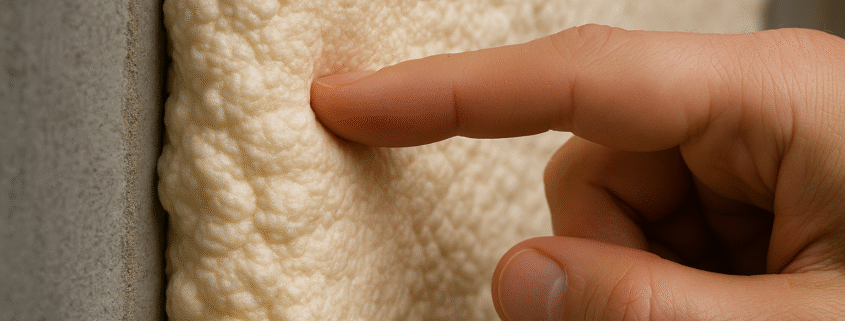
    Spray foam stands out as a top choice for home comfort foam because it expands to fill every nook and cranny. This airtight barrier helps lock in heat and keep out the chill, creating noticeable improvements in both immediate comfort and long-term energy savings. Foam insulation also reduces noise transfer between units, which is an added bonus in multi-family condos.

    What makes foam insulation such a game-changer for thermal comfort in condos?

    • Seals gaps more effectively than traditional batt insulation, reducing cold leaks.
    • Doubles as an air and moisture barrier, fighting off potential mold and condensation issues common in high-rise living.
    • Contributes to meeting stricter building codes focused on indoor climate control and sustainability.
    • Results in a more stable indoor temperature, meaning no more shivering in one room while sweating in another.

    Installing spray foam typically involves a step-by-step process:

    1. Inspection of current insulation and identification of cold spots or weak areas.
    2. Preparation and protection of all surfaces not targeted for insulation.
    3. Application of foam using specialized equipment for complete coverage.
    4. Trimming and finishing for seamless integration into existing walls or ceilings.

    Many homeowners find that they recoup insulation costs faster than expected due to reduced heating expenses.

    The Future of Temperature Regulation in Condos

    Building codes continue to evolve, with new measures demanding higher energy efficiency and stricter testing for air leaks. As technologies improve, future condos may be built with materials that automatically adapt to inside and outside temperature shifts. Integrating sensors with indoor climate control systems will let residents dial in their desired thermal comfort levels with even greater precision.

    Foam insulation and other modern materials will likely play a big role. Expect improvements in spray formulations for even better performance, as well as more condo-friendly methods of installation that don’t require big renovations or extensive downtime.

    The key takeaways for condo owners? Staying up to speed with new insulation approaches and understanding your building’s specific needs will always be crucial for maximizing winter home comfort.

    Interesting FAQ

    Building Science Corporation provides expert insights on spray foam insulation benefits and challenges.

    • What is home comfort foam, and why is it important in condos?
      Home comfort foam refers to spray foam insulation that helps regulate the indoor temperature, keeping your condo warm even during harsh winters. It’s vital for consistent thermal comfort and lowering energy costs.
    • Can foam insulation be installed in existing condos without major renovations?
      Yes, spray foam is designed to be minimally invasive. Professionals can often access wall cavities and problem areas without extensive construction, but always check with your condo board first.
    • How does spray foam improve indoor climate control?
      Spray foam creates an airtight seal, preventing heat from escaping and cold from entering. This keeps indoor environments comfortable and drastically reduces drafts.
    • Is there a difference between regular insulation and foam insulation for condos?
      Absolutely. Foam insulation typically provides better thermal comfort, seals gaps more thoroughly, and offers better moisture and sound control than traditional insulation materials in most condo applications.

    Contact & Location

    In business since 2011, White Knight Contracting offers spray foam insulation and much more—including siding and general contracting—so condo owners don’t have to juggle multiple service providers. See the map below for our location:

    Conclusion

    Improving home comfort during winters in your condo is well within reach, thanks to innovations in home comfort foam and modern temperature regulation strategies. By focusing on proper insulation and indoor climate control, you lay the groundwork for cozier winters and energy savings. To learn more and view our other blogs, click here.