Custom Vinyl Deck Calgary Designs

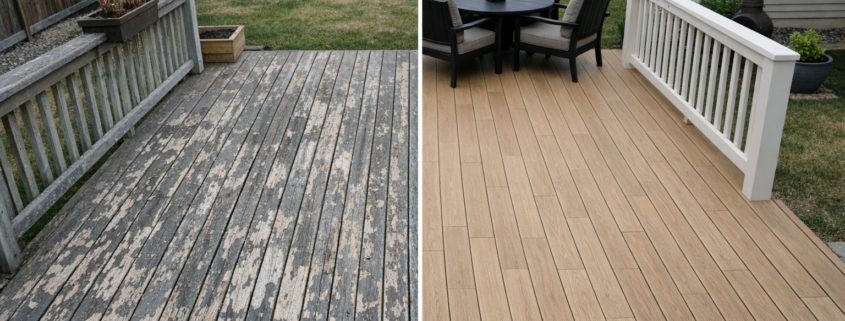
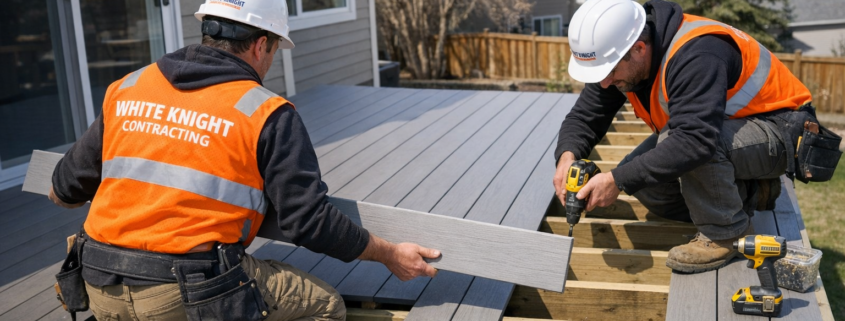
If you’re planning a custom vinyl deck Calgary homeowners can actually use year-round, the design choices matter just as much as the waterproofing. A good deck should fit your lifestyle, match your home, and handle our sudden weather swings without turning into a maintenance project. That’s why it helps to work with a team that understands local building needs and style trends. For example, White Knight Contracting can guide you from first ideas to final installation, so the finished space feels intentional, not “cookie-cutter.” And because every yard and home is different, today’s vinyl options make it easier than ever to create something personal.

Table of Contents

Why Custom Vinyl Decks Are Popular in Calgary

Calgary decks deal with freeze-thaw cycles, strong sun, and surprise storms that can dump a lot of water fast. Vinyl membranes are designed to act like a waterproof roof over the space below, which is a big deal if you have a walkout, storage area, or finished room under your deck. In everyday terms, vinyl helps keep the “bones” of your deck dry so it lasts longer. This is one reason custom vinyl Calgary projects have become a go-to for homeowners who want outdoor space without constant scraping, staining, or repainting. And because vinyl has come a long way in looks, you don’t have to choose between “practical” and “beautiful.”

A Quick History of Vinyl Decking in Alberta

Years ago, many Alberta homeowners leaned heavily on pressure-treated wood or basic composite boards for decks. Those options can still work, but they often require more upkeep and don’t always solve the “water getting into the structure” problem. Vinyl membranes became more common as builders and homeowners started prioritizing waterproofing and lower maintenance. Think of it like choosing a metal roof instead of asphalt shingles for a cabin—you’re paying for long-term protection, not just a surface finish. Over time, manufacturers expanded colors, textures, and installation systems, which opened the door to more deck designs unique enough for modern homes. Now, vinyl is often chosen not only for protection, but also for the finished, clean look it gives a deck surface.

Custom Vinyl Deck Calgary: Design Options That Feel One-of-a-Kind

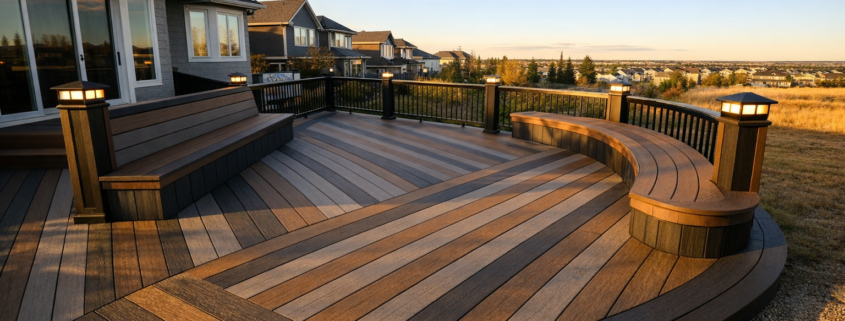
When people hear “vinyl deck,” they sometimes picture a plain, flat sheet. In reality, vinyl deck customization can be surprisingly detailed, and it can be tailored to both small and large footprints. If you want a cozy reading deck off a bedroom, you can keep things simple but still choose a color and texture that matches your siding. If you’re building a full outdoor hangout zone, you can design traffic flow, dining space, and lounging areas so it feels like an outdoor room. The goal is a surface that looks great while quietly doing its main job: waterproofing.

Surface looks: colors, textures, and patterns

  • Choose wood-grain or solid-color finishes depending on whether you want a natural look or a modern style.
  • Use multiple plank widths to change the “scale” of the deck and make small spaces feel larger.
  • Install in diagonal, herringbone, or mixed-color patterns for a more custom feel.
  • Add borders and inlays (through specialty suppliers) to create clear zones, like a dining area outline.

Layout upgrades: making the space work better

  • Multi-level layouts for sloped yards, which is common in many Calgary neighborhoods.
  • Built-in benches or planters (designed around railing placement for comfort and code compliance).
  • Wide stair landings that feel safer and make furniture movement easier.

Railings, lighting, and finishing details

  • Custom railing systems, including aluminum styles that stay crisp-looking and resist rust.
  • Built-in lighting on posts or stair runs for safer evenings.
  • Clean edge trims and thoughtful downspout placement so water moves away from the structure.

Comparing Design Approaches and Build Methods

Not all “custom” decks are custom in the same way. Some homeowners want a quick refresh using the existing frame, while others want a full rebuild with a new shape and features. A simple comparison helps: re-skinning a deck is like repainting a room, while rebuilding is like renovating the whole floor plan. Both can be the right choice, as long as the structure is safe and the plan matches your goals. Experienced custom deck builders will usually check framing, slope, drainage paths, and railing requirements before recommending materials and patterns.

  • Overlay/retrofit approach: faster and often more budget-friendly, but only works if the underlying structure is solid and properly sloped.
  • Full redesign: best for changing layout, adding multi-level zones, or improving how the deck connects to doors and yard space.
  • Under-deck use: if you want dry storage or a patio area below, vinyl membrane systems are especially helpful.

Right now, Calgary backyard decks are being designed more like outdoor living rooms. Homeowners want space for grilling, socializing, and relaxing without feeling squeezed. Color-wise, medium greys and warm neutrals stay popular because they hide dust and pair nicely with both modern and traditional exteriors. Another big trend is mixing function with style—like adding subtle lighting that makes the deck safer without looking “commercial.” Finally, people are planning for longer seasons: wind screens, privacy panels, and smart layouts that catch afternoon sun while avoiding harsh glare. This is where a strong Alberta deck design plan can make the deck feel natural to use, not just nice to look at.

Common Challenges (and How to Avoid Them)

Even with the right material, a deck can fail early if a few basics are missed. One common issue is poor drainage planning—water needs a clear path off the deck, and the surface needs the correct slope. Another problem is ignoring how railings, posts, and stairs affect waterproofing details; every penetration must be handled correctly. Also, choosing a dark surface without considering sun exposure can make the deck uncomfortably hot on peak summer days. A helpful benchmark: according to the National Research Council of Canada, freeze-thaw cycles and moisture are major drivers of exterior material wear, especially when water gets trapped and expands as it freezes. The good news is most of these problems are avoidable with good design review and careful installation.

  • Ask how slope is created and verified before the vinyl goes down.
  • Confirm how edges, corners, and post penetrations will be sealed.
  • Pick colors based on sun exposure and how you actually use the space.
  • Plan stairs and traffic flow early so the final layout feels “easy.”

Future Prospects: What’s Next for Alberta Deck Design

Looking ahead, expect more personalization, more “quiet luxury,” and more focus on long-term durability. Manufacturers continue to expand pattern choices and textures that look closer to real wood, without the sanding and staining routine. We’re also seeing homeowners ask for integrated systems—lighting, privacy, and even drainage planning—so the deck functions like a complete outdoor project. Another likely shift is more intentional planning for extreme weather, including better water management and materials that stay stable through temperature swings. If you’re budgeting for a custom vinyl deck Calgary project, it’s smart to plan not just for today’s look, but for how you’ll use it over the next 10–15 years.

Company Highlight

White Knight Contracting has been in business since 2011, and that experience matters when details like slope, sealing, and finishing have to be done right. One strength homeowners appreciate is that they can handle multiple parts of an exterior project—like siding—without needing a second contractor, which can simplify timelines and communication. That “one team” approach is especially helpful when your deck ties into doors, trim, and the overall exterior look. They also support vinyl deck customization with design consultations, so you’re not guessing your way through colors, railing options, or layouts. For homeowners who want a deck that feels planned and polished, that guidance can be the difference between “fine” and “exactly what we wanted.”

FAQ

A properly installed vinyl deck membrane can help protect the structure underneath because Duradek completely seals the deck substructure ensuring water never reaches the building envelope.

Q&A

Question: What custom design options are available for vinyl decks in Calgary?

Answer: Calgary homeowners can choose from multiple plank widths, wood-grain or solid color finishes, custom railing systems, built-in lighting, and multi-level layouts. White Knight Contracting offers full design consultations.

Question: Can vinyl decking be installed in multiple colors or patterns?

Answer: Yes, modern vinyl decking comes in a wide range of colors and can be installed in herringbone, diagonal, or mixed-color patterns. Custom borders and inlays are also available through specialty suppliers in Calgary.

To learn more and view our other blogs, click here,

Conclusion

A custom vinyl deck should feel like it belongs with your home, not like an add-on you have to babysit every season. With today’s colors, textures, and layout options, you can build something that looks sharp, drains properly, and stays easier to care for. The best results usually come from balancing style choices (patterns, railings, lighting) with the practical details (slope, sealing, and edge work). If you’re comparing ideas, think about how you’ll use the space on a normal weeknight, not just a summer party. That simple mindset leads to smarter vinyl choices, better layouts, and a deck you’ll actually enjoy using.


The photo used in this blog are for demonstration purposes only.

Allergy Reduction Using Spray Foam

Introduction

A leak in your home’s insulation can let unwanted moisture, dust, and allergens inside, making allergy season drag on all year. At White Knight Contracting, understanding the connection between insulation choices and allergy reduction is key. One increasingly popular method for allergy control insulation is spray foam, which can lead to a noticeably reduced allergens home and a much cleaner indoor air environment. The science is simple: better insulation means fewer leaks and fewer triggers for allergies.

Table of Contents

The History of Allergy Control Insulation and Spray Foam

Before allergy control insulation like spray foam was common, homes mostly relied on fiberglass batts, cellulose, and even loose-fill attic insulation. These older options could allow a leak or gap anywhere to admit pollen, dust, and mold spores—common triggers for allergy and asthma symptoms.

Spray foam insulation was introduced in the 1940s, initially for industrial uses. Today, it’s been refined into a foam hypoallergenic material that seals off even the tiniest gaps in walls, attics, and basements. This innovation marked a shift toward not just controlling temperature, but also actively supporting cleaner indoor air for families sensitive to allergies and pollutants.

With more families focused on health and clean living, allergy control insulation is booming. Recent industry surveys show that:

  • 70% of Canadians now consider allergen control when updating or building their homes.
  • Spray foam insulation sales have grown by over 30% in the last five years, especially in areas wet or dusty climates.
  • Professionals and homeowners alike are choosing closed-cell foam for its superior air-sealing abilities and hypoallergenic qualities.

There’s also a push for eco-friendly insulation, with new spray foams using fewer chemicals and having lower emissions, further supporting clean indoor air.

Common Challenges When Reducing Allergens at Home

Chasing that dream of a reduced allergens home can be tricky. The main challenges include:

  • Finding and sealing every tiny leak or crack where dust and pollen enter
  • Keeping up with regular cleaning and filter changes even after updating insulation
  • Choosing a truly foam hypoallergenic product—some types of insulation still trap moisture, which can encourage mold growth if not installed properly
  • Adapting old homes, which may have hidden air pathways, to accept modern spray foam methods

The right installation team can make sure these issues are addressed for lasting clean indoor air—and avoid unexpected headaches down the line.

Future Prospects for Allergy Reduction Using Spray Foam

As technology and science leap forward, the future for allergy control insulation is bright. Trends indicate:

  • Even more advanced foam formulas will come out, promising almost total air and allergen block-out.
  • More builders and contractors will train in hypoallergenic installation techniques, so families can expect consistent low-allergen results.
  • Data-backed solutions: In the future, home sensors may monitor indoor air and suggest insulation improvements.

Studies predict that by 2030, up to 85% of new Canadian homes will use some spray foam to support clean indoor air and health.

Step-by-Step: How Spray Foam Reduces Indoor Allergens

If you’re considering spray foam for a reduced allergens home, here’s what you can expect from a typical installation:

  1. Assessment: Inspect for any leak in walls, ceilings, and basements that might allow allergen entry.
  2. Preparation: Remove old insulation and debris that may trap dust or support mold.
  3. Installation: Professional application of foam hypoallergenic insulation, which expands to fill gaps, cracks, and hidden holes.
  4. Sealing: Spray foam hardens, forming a long-lasting air and moisture barrier—one that supports ongoing clean indoor air by keeping allergens out.
  5. Cleanup: All work areas are left tidy and ready for use, with no leftover insulation dust to worry about.

From start to finish, this process puts your family on the path to fewer allergic reactions at home.

Spray Foam vs. Traditional Insulation for Allergy Reduction

To understand why spray foam is becoming the top allergy control insulation, consider these differences:

  • Traditional insulation (fiberglass & cellulose): Prone to sagging, gaps, and moisture retention—each one a possible leak for allergens and even mold growth.
  • Spray foam insulation: Expands and hardens to create a nearly airtight seal, dramatically limiting allergy-causing particles from outdoors.

In side-by-side lab tests, spray foam showed a 60% improvement in blocking pollen and dust infiltration compared to fiberglass. This means cleaner indoor air and fewer allergy flare-ups year-round.

Real-World Examples: Cleaner Indoor Air Achieved

Consider a Calgary family in a century-old home struggling with spring allergies. After finding multiple small leaks around their attic and basement windows, they installed spray foam. Within a month:

  • Allergy symptoms reduced noticeably—fewer sneezes and stuffy noses at home
  • Lower dust on shelves and linens, supporting cleaner indoor air
  • Utility bills dropped as well, a bonus from improved air retention

White Knight Contracting often sees similar results, especially when clients want allergy control insulation that doesn’t require hiring different contractors for each project—services from siding to spray foam can be handled under one roof.

Interesting FAQ

Carlisle Spray Foam emphasizes environmentally responsible spray foam manufacturing and sustainable building practices.

  • Is spray foam really hypoallergenic?
    Yes—closed-cell foam in particular is designed to be foam hypoallergenic. Once cured, it is inert and does not give off dust or vapors, helping with reduced allergens home wide.
  • How long does spray foam insulation last for allergy reduction?
    With professional installation, spray foam can last 20–30 years or more, maintaining its seal and helping keep indoor air clean throughout its lifespan.
  • Do I need to remove existing insulation first?
    In most cases, yes. Old insulation can trap moisture or contaminants. Removing it ensures spray foam forms a complete air barrier—and no hidden leak remains.
  • Can spray foam help with pests as well as allergens?
    Absolutely. Sealing gaps stops rodents, insects, and other pests from entering and bringing more allergens inside.
  • Is it safe for families and pets?
    After installation and curing, spray foam does not emit harmful chemicals or dust, supporting a healthy, hypoallergenic home for children and pets.

Next Steps & Map

To learn more and view our other blogs, click here.

Conclusion

Rot is frustrating because it often starts small, then spreads quietly in the spots you don’t see every day. The good news is that you have more choices now than “replace boards and re-stain,” especially if moisture is the real issue. When you prevent deck rot vinyl systems can make a big difference by keeping water from reaching the framing in the first place, while smarter drainage and protective details help the entire structure last longer. If you’re dealing with recurring soft spots, peeling coatings, or ongoing moisture problems, think in terms of water control, not just surface appearance. A deck that sheds water predictably is simply easier to own in a climate like Calgary’s.

The photo used in this blog are for demonstration purposes only.

Understanding Insulation Payback Period

Introduction

Having a professional inspection is essential when trying to understand the insulation payback period for your home. At White Knight Contracting, we’ve seen firsthand how quality insulation can impact energy efficiency savings, insulation ROI, and overall home value increase without requiring a second contractor for siding or other upgrades. In this blog, you’ll discover how insulation investment payback works and what to expect as a homeowner.

Table of Contents

What Is the Insulation Payback Period?

The insulation payback period refers to the amount of time it takes for your energy efficiency savings to cover the cost of installating new insulation. In other words, it’s the point at which your insulation ROI becomes positive. A proper inspection can help you estimate this period by assessing your current home insulation and recommending the most effective upgrades.

Understanding the insulation payback period helps homeowners make informed decisions about their investments, predict home value increases, and avoid unnecessary spending.

History and Evolution of Insulation

Insulation has changed dramatically over the years. Early homes relied on simple methods like straw, mud, or sawdust, which offered minimal energy efficiency savings. By the mid-20th century, fiberglass and foam boards became standard, dramatically improving the insulation ROI for homeowners.

More recently, spray foam insulation, mineral wool, and advanced materials have pushed the boundaries further, lowering the investment payback period thanks to superior performance and moisture resistance. Technologies continue to advance, making energy-efficient homes more accessible.

Today’s homeowners are more interested than ever in both immediate and long-term savings associated with insulation. Factors driving this trend include:

  • Rising energy costs
  • Greater emphasis on sustainability
  • Government incentives and rebates
  • The impact of insulation on home value increase

Upgrading insulation is now seen not just as a must-do, but as a smart financial move with quick investment payback and strong energy efficiency savings.

Factors Affecting Insulation Investment Payback

Several key factors influence the insulation payback period for each property:

  • Home size and age
  • Existing insulation type and quality
  • Climate and average local temperatures
  • Energy rates in your area
  • Type of insulation material you select
  • Proper sealing of gaps and air leaks during installation

Getting a professional inspection is vital. Inspectors can identify whether attic, wall, or crawlspace insulation needs upgrading and estimate potential energy efficiency savings, insulation ROI, and payback timeframe.

Energy Efficiency Savings: Step-by-Step Guide

  1. Schedule a thorough home inspection with a qualified contractor
  2. Get a detailed report outlining current insulation and pinpointing trouble spots
  3. Choose the best insulation material for your needs (e.g., spray foam, blown-in, batt)
  4. Seal off air leaks, windows, and doors
  5. Install the new insulation professionally
  6. Monitor your energy bills closely over the next 12-24 months

Homeowners often see a drop of up to 15-30% in energy bills after a full insulation upgrade, delivering rapid investment payback and boosting your home’s market value.

Real-World Examples and Statistics

According to Natural Resources Canada, attic insulation upgrades can pay for themselves in as little as 3-5 years, with an estimated insulation ROI of 80–100% upon home resale. Spray foam, while more expensive upfront, can have an even shorter payback period due to higher efficiency. For example, Calgary homeowners investing $2,500–$5,000 in insulation often realize a full investment payback within 3–6 years based on energy efficiency savings alone.

Challenges to Watch For

While the benefits are compelling, there are challenges worth considering:

  • Choosing the wrong insulation for your climate or home design
  • Poor installation leading to air leaks or moisture problems
  • Overlooking the value of a professional inspection
  • Not factoring in future home renovations that might change insulation needs

By partnering with an experienced, full-service contractor, you greatly reduce these risks and maximize insulation ROI and energy efficiency savings.

Future Prospects for Insulation Investment

As energy costs rise and new policies promote greener homes, the future for insulation investment payback continues to improve. Homebuyers increasingly pay attention to energy ratings and insulation performance, directly linking upgrades to a home value increase. Innovations in materials, such as eco-friendly spray foams and smart insulation systems, will likely further reduce payback periods and raise the bar for energy efficiency savings across Canada.

Interesting FAQ

  • Johns Manville demonstrates how to maximize spray foam performance for energy savings and moisture control.
  • How much does insulation payback vary based on my home’s age and type?
    Older homes with little or no insulation achieve faster payback, while well-insulated new homes may have slower returns.
  • Can insulation upgrades increase the value of my house?
    Yes, because buyers value energy efficiency, and improved insulation is a measurable asset that delivers a home value increase.
  • Does spray foam offer a better ROI compared to traditional materials?
    Usually yes—spray foam often costs more upfront but offers higher energy efficiency savings and a shorter investment payback period.
  • Who should I hire for my insulation project?
    Look for a full-service contractor in business since 2011, who handles insulation, siding, and other upgrades—so you avoid juggling multiple providers.

Conclusion

Understanding your insulation payback period is a practical way to plan home improvement budgets, reduce monthly bills, and enjoy a meaningful home value increase. Every home is unique, but with a timely inspection and the right upgrade, energy efficiency savings and insulation ROI are within easy reach. To learn more and view our other blogs, by

Budget Vinyl Deck Calgary Upgrades

If you’re planning a budget vinyl deck Calgary upgrade, the good news is you can often get a cleaner look, better waterproofing, and easier upkeep without paying for a full rebuild.

Many homeowners start with sticker shock because they picture tearing everything out and starting over. However, in Calgary, a smart plan usually means keeping what still works and only replacing what’s worn out. That’s where real vinyl deck savings can show up. If you choose materials carefully and time the work right, you can get a durable finish while staying within a realistic budget.

Homeowners also like working with White Knight Contracting because they’ve been in business since 2011 and can handle multiple exterior needs (like siding) without bringing in a second contractor, which helps keep projects simpler and more predictable.

Table of Contents

Vinyl decking has been around for decades, but it’s gotten much more popular as products improved and homeowners got tired of constant staining and repairs. In a place like Calgary, you’re dealing with strong sun in summer, big temperature swings, chinooks, and freeze-thaw cycles. Those conditions can be tough on wood because water gets into small cracks, then expands when it freezes.

Vinyl deck membranes work more like a waterproof “skin” over the walking surface. In simple terms, a membrane is a sealed layer designed to stop water from soaking into the structure below. That can make a big difference for second-story decks or any deck over living space, where leaks become expensive fast. The shift toward vinyl also matches what homeowners want now: fewer weekend chores and more time actually using the deck.

Another reason vinyl grew in demand is the move toward realistic budgeting. People want clear, upfront pricing and a finish that won’t demand costly maintenance every year. That’s where budget vinyl Calgary planning comes in—choosing the right scope, not just the cheapest possible material.

budget vinyl deck Calgary: what “budget” really means

A true budget vinyl deck Calgary project usually focuses on keeping the solid parts of your deck and upgrading only what’s needed. In real life, “budget” almost never means “do everything for the lowest price.” Instead, it means spending in the places that prevent future repairs—like waterproofing and proper edge details—while avoiding unnecessary demolition.

Here’s a simple scenario many Calgary homeowners face: the deck boards are worn, maybe a bit soft in spots, but the main structure (joists, beams, posts) is still in good shape. In that case, you may be able to replace the surface and install vinyl without rebuilding the entire frame. That kind of targeted approach is one of the best ways to get deck upgrades affordable without cutting corners.

Also, low-cost doesn’t mean “no planning.” The best low cost decking Calgary results usually come from a clear inspection, a short list of must-fix issues, and choosing finishes that match your actual use (kids, pets, lots of hosting, or mostly quiet mornings with coffee).

Deck upgrades that stay affordable

If you want a smarter Calgary deck renovation, it helps to separate “looks nice” upgrades from “protects the structure” upgrades. Vinyl is often chosen because it does both—if installed correctly. And when you’re trying to keep costs down, the most affordable improvements are the ones that prevent water damage and reduce future maintenance.

1) Resurface instead of rebuilding

This is the classic budget move when the frame is still sound. You replace the deck surface and add the vinyl membrane system while keeping the existing substructure. Labor and disposal costs often drop a lot compared to a full rebuild. It’s one of the most reliable ways to create real vinyl deck savings.

2) Fix drainage and edges first (before cosmetics)

Water management details are where decks either last—or quietly rot underneath. Affordable doesn’t mean skipping these. It means getting them done right so you don’t pay twice. Even a simple improvement like better sloping, properly sealed seams, and clean edge trims can protect your investment.

3) Upgrade railings strategically

Railings can be a big part of the look, but they can also eat the budget fast. If your railing posts are safe and solid, you might only need new infill, caps, or a repaint. If you do need replacement, ask about durable mid-range options that balance cost and longevity—this is where affordable deck options can really vary.

4) Plan work in phases

If you’re trying to keep a tight budget, do the waterproofing and surface now, and delay extras like lighting, privacy screens, or built-in benches. A phased plan can still look finished while keeping cash flow manageable, especially if you’re also budgeting for siding, roofing, or windows.

Comparing affordable deck options in Calgary

Choosing between vinyl, pressure-treated wood, and composite can feel confusing because the price tag is only part of the story. A fair comparison includes maintenance, repair risk, and how long it stays looking good. Here’s a simple, homeowner-friendly view:

  • Vinyl membrane: Great for waterproofing and low routine upkeep. Often a strong fit for second-story decks or decks over living space.
  • Pressure-treated wood: Usually cheaper upfront, but can cost more over time if you’re staining, replacing boards, or dealing with water issues.
  • Composite boards: Can look great and reduce staining work, but costs can rise depending on brand and whether you need extra waterproofing under it.

If you want to dig deeper into side-by-side considerations, timing, and use cases, remember this: To learn more and view our other blogs, click here, and compare vinyl versus composite with Calgary conditions in mind.

Common challenges (and how to avoid surprise costs)

Even a well-planned Calgary deck renovation can run into surprises, especially with older decks. One common issue is hidden rot around ledger boards (where the deck connects to the house) or at corners where water sat for years. Another issue is uneven framing, which can make the surface feel wavy and can complicate membrane installation.

Also, permits and code requirements can affect cost, especially if structural changes are needed. And if your deck is high off the ground, access and safety setup can add labor time. The best way to keep deck upgrades affordable is to do a proper inspection early, then decide whether resurfacing is realistic or whether selective framing repair is needed.

Think of it like replacing flooring inside your home: if the subfloor is damaged, you fix it first. Vinyl works the same way—your finished surface is only as good as what’s underneath it.

Trends and future prospects for Calgary deck renovation

Decking trends are leaning practical. Homeowners want materials that handle weather swings and don’t demand constant work. This is where vinyl continues to grow, especially for people who want consistent waterproofing and easier cleaning. Manufacturers have also improved textures and finishes so decks can look less “flat” and more like a designed outdoor space.

Another growing trend is bundling exterior projects. Instead of hiring separate crews for the deck, siding, fascia, and repairs, homeowners prefer fewer handoffs and fewer scheduling gaps. That shift is pushing more companies to offer broader exterior services, which can reduce delays and help you keep a tighter budget plan.

Company Highlight

White Knight Contracting has been serving homeowners since 2011, and that experience matters when you’re trying to balance price, durability, and good workmanship. A big strength is that they can handle more than just the deck surface—many exterior items, including siding, can be managed without needing a second contractor. That often makes communication easier and can help prevent scheduling problems that drag projects out.

For homeowners aiming for low cost decking Calgary results, having one team coordinate the steps can reduce “stop and start” downtime and help keep decisions clear. It also helps when you’re planning phased upgrades, because the same contractor can guide what to do now and what can safely wait until later.

FAQ

Because vinyl deck membranes are low-maintenance, they typically only need simple cleaning a couple of times per year—which can help keep a budget vinyl deck upgrade looking good without constant upkeep.

Q&A

Question: What is the most affordable way to upgrade to vinyl decking in Calgary?

Answer: The most cost-effective approach is replacing only the deck surface boards with vinyl while keeping an existing sound substructure. This reduces labor and material costs significantly versus a full deck rebuild.

Question: Are there financing options for vinyl deck installations in Calgary?

Answer: Many Calgary contractors including White Knight offer payment plans or work with financing partners. Home equity lines of credit (HELOCs) and Alberta home improvement loans are also popular options for deck upgrades.

Conclusion

A budget vinyl deck Calgary upgrade is usually less about finding a “cheap” option and more about choosing the right scope. If your structure is solid, resurfacing and adding vinyl can be a smart middle path that improves looks, boosts waterproofing, and cuts down on future chores. By comparing materials honestly, planning around Calgary’s weather, and fixing water-control details first, you can avoid the common traps that make costs jump.

When you focus on long-term durability and realistic maintenance, vinyl often stands out among affordable deck options. And with the right plan—whether you pay upfront, phase it, or explore financing—you can move forward with confidence and get a deck that feels like an upgrade every time you step outside.

The photo used in this blog are for demonstration purposes only.

Identifying Air Leaks Using Foam

Introduction

When it comes to boosting savings for your home, identifying air leaks using foam is one of the best investments you can make. Not only does catching these sneaky gaps and cracks save you on your utility bills, but it also keeps your living spaces comfortable year-round. As one of Calgary’s trusted contractors, White Knight Contracting is here to guide you through air leaks detection and proper home sealing, ultimately leading to a warmer, more energy-efficient home.

The History of Air Leaks Detection and Home Sealing

Before spray foam and modern insulation methods, people used rudimentary materials like mud, horsehair, and scrap fabric to stuff obvious gaps in their homes. Over the decades, as homes became larger and more complex, new issues with air leaks appeared—especially in colder climates like Alberta. Early air leak detection relied on feeling for drafts by hand or lighting a candle to observe air movement near windows, doors, and baseboards. Eventually, professionals began using infrared cameras, smoke pens, and advanced pressure tests for more accurate gap identification.

The advent of foam sealant revolutionized the industry. Spray foam proved far superior to traditional caulking or batting because it could expand into tiny crevices, delivering lasting savings. Homeowners quickly noticed lower heating and cooling bills, inspiring more widespread adoption of these techniques.

Current Trends in Gap Identification and Draft Prevention

Today, the demand for efficient air leaks detection has grown, thanks in part to rising energy costs and environmental concerns. Advanced spray foam products can seal both visible cracks and the tiniest, hidden gaps in wall cavities and attics—a must for effective home sealing. Thermal cameras are now commonly used to scan homes for excessive heat loss, pinpointing exact problem spots.

Draft prevention has also become a primary focus in new construction and older home updates alike. Energy audits are more accessible, allowing homeowners to quantify their potential savings before investing in insulation upgrades. Studies show that sealing all detectable air leaks can lower annual energy bills by up to 20%, making gap identification techniques more popular than ever.

Challenges in Detecting Air Leaks and Proven Solutions

While some air leaks are obvious, such as cold breezes near unsealed doors, others remain hidden behind drywall or above ceilings. One of the main challenges is finding leaks in hard-to-reach or out-of-sight areas like basements, attics, or behind electrical outlets. Some homeowners also mistake moisture problems or dust for air leaks, complicating diagnosis.

The solution is a comprehensive air leakage assessment. Professionals start with a walk-through, examining places where materials meet—around chimneys, vents, and windows. Then, technology steps in: blower door tests, smoke pencils, and thermal cameras detect less apparent drafts. Using closed-cell spray foam, these gaps are filled, creating a seamless barrier that blocks outside air and traps warmth inside.

Future Prospects of Using Foam for Home Sealing

The future of air leaks detection and home sealing looks brighter than ever, with continuous advancements in foam technologies and diagnostic tools. As awareness about sustainability and savings continues to rise, homeowners are looking for longer-lasting, eco-friendly solutions. Modern foam products are engineered to be both energy-efficient and safe for indoor air quality.

Expect to see more “smart home” integrations for draft prevention, with sensors that continuously monitor for temperature shifts and recommend action. With governments encouraging greener homes through rebates or tax credits, the trend toward advanced air leaks detection—and using foam for these repairs—will only continue to grow. New products even offer recycled, non-toxic formulas that maintain their rigidity for decades.

Step-by-Step Guide: Identifying Air Leaks Using Foam

Pinpointing and sealing air leaks doesn’t have to be overwhelming. Follow these steps for successful gap identification and draft prevention:

  • Walk through your home looking for tell-tale signs of energy loss: windows that rattle, visible daylight around exterior doors, cold spots near baseboards.
  • Use a smoke pencil or a thin strip of tissue near suspect areas. If smoke or tissue moves, you’ve found a leak.
  • For attic hatches, exterior wall penetrations (like pipes), and sill plates, shine a flashlight from the outside at night; light shining through signals a gap.
  • Hire a professional who can carry out an energy audit with thermal imaging and a blower door test for comprehensive air leaks detection.
  • Apply expanding foam carefully into gaps, cracks, and penetrations. Wear gloves and follow product instructions for safety and best results. For complex jobs or if you want a thorough job done quickly, consider contacting a contractor that does both insulation and other renovations, so there’s no need to coordinate with multiple companies.
  • Check insulation around windows, electrical outlets, and attic hatches—all common draft points—and seal as necessary for maximum savings.

Not only will this process make your home more comfortable, but it can also pay for itself within a few heating seasons thanks to reduced energy bills.

Interesting FAQ

Accufoam showcases specialized closed-cell spray foam products for high-performance insulation.

  • How do I know if my home has air leaks?
    Common signs include uneven room temperatures, high heating/cooling bills, or feeling drafts near windows and doors.
  • Is spray foam safe for indoor use?
    When installed by professionals and after proper curing, modern spray foams are safe, long-lasting, and improve indoor air quality by blocking outdoor pollutants.
  • Can air leakage impact my home’s resale value?
    Absolutely. Energy-efficient homes are more attractive to buyers, and up-to-date insulation is a major selling point.
  • What makes foam different from regular caulk or fiberglass batts?
    Foam expands to fill even irregular-shaped gaps, whereas caulk and batts may not reach every hidden crack.
  • Do contractors like White Knight Contracting handle more than insulation?
    Yes, they have been in business since 2011 and can also take care of siding and general renovations, so you won’t need a second contractor for most home projects.

Conclusion

Air leaks detection and the use of foam for home sealing offer lasting comfort and measurable savings. The shift toward precise gap identification and modern draft prevention makes now the perfect time to upgrade your home. With expert help, quality products, and attention to detail, you can say goodbye to cold drafts and high bills for good.

To learn more and view our other blogs, click here.

Vinyl vs Composite Decking Comparison

Vinyl vs composite decking is one of the biggest decisions homeowners make when planning a new outdoor space in Calgary. With our sudden temperature swings, heavy snow, and freeze-thaw cycles, the surface you choose needs to handle moisture, stay safe underfoot, and keep looking good year after year. Budget matters too, but it’s not just about the sticker price—maintenance and long-term repairs can change the real cost. The good news is that both vinyl and composite beat traditional wood in many ways, especially for durability. Still, they behave differently in cold and wet conditions, so a smart choice depends on how you’ll use your deck. If you want help planning the right build, White Knight Contracting has been building since 2011 and can manage your project end-to-end without bringing in a second contractor for things like siding.

Table of Contents

A quick history of modern decking

For decades, pressure-treated wood was the default choice because it was affordable and easy to install. Over time, homeowners started noticing the downsides: boards can crack, twist, splinter, and need regular staining or sealing. That’s where “low-maintenance decking” came in, mainly composite and PVC-based products. Composite decking typically mixes wood fibers with plastic, aiming to look more like real wood while reducing upkeep. Vinyl (often called PVC decking) is mostly plastic, built to resist moisture and staining. In Canada, these options grew fast as homeowners wanted longer-lasting decks that don’t demand constant weekend work. Today, it’s less about “which is newest” and more about choosing what fits your climate and lifestyle.

Vinyl vs composite decking: what they’re made of

In a simple vinyl vs composite conversation, the biggest difference is what’s inside the board. Vinyl decking is typically PVC, meaning it doesn’t have wood fibers that can soak up water. Composite decking usually blends plastic with wood content, and many brands add a “cap” layer on top to help with stains and fading. Here’s why that matters: when water gets into materials and then freezes, it expands, and that can stress the board over time. This doesn’t mean composite always fails, but it does mean your product quality and installation details matter more in harsher climates. Vinyl tends to be the “moisture-first” choice, while composite is often picked for its wood-like look and wide style range. Either way, understanding what’s in the board is step one in a good decking material comparison.

  • Vinyl (PVC): mostly plastic, highly moisture resistant, very low upkeep.
  • Composite: plastic + wood fibers, often capped, many colors and textures.

Calgary deck choices: climate, safety, and daily use

When people weigh Calgary deck choices, the weather is usually the dealbreaker. Calgary gets snow, melt, refreeze, chinooks, and spring moisture—sometimes all in the same week. In these conditions, water management matters more than almost anything else. Vinyl doesn’t absorb water, which helps it stay stable and less prone to swelling during freeze-thaw cycles. Composite can do very well too, especially higher-end capped boards, but because many composite products contain wood fibers, they may absorb some moisture if the cap is compromised or edges are exposed. Think of it like winter boots: a waterproof boot is forgiving even when conditions get sloppy, while a “water-resistant” boot can still work well if you keep it in good shape.

Safety is another real-world factor. Both materials can provide good traction, but the surface texture and how you maintain it make a difference. A deck that stays cleaner and dries faster tends to feel safer in shoulder seasons. Also, consider comfort: some composite boards can get warmer in direct sun, and darker colors generally heat up more, regardless of material. If your deck faces south and gets intense summer sun, color choice can matter as much as the board type.

Decking material comparison: cost, upkeep, and lifespan

Cost is where homeowners often ask for a straight answer, but it’s best to split it into upfront cost and lifetime cost. In Alberta, vinyl decking is generally slightly cheaper upfront than premium composite at about $30–$60 vs $35–$70 per sq ft installed (exact pricing varies by brand, railing, stairs, and the complexity of your build). Composite can still be a great value, especially if you’re comparing mid-range products or prioritizing a specific look. In a composite deck pros cons discussion, the “pro” is often appearance and style options, while a “con” can be moisture sensitivity in certain product lines if water gets where it shouldn’t. In a vinyl deck advantages list, the big one is water resistance and low maintenance, which can reduce the chance of issues over time.

Maintenance is also a real cost, even if you never write a cheque for it. Wood typically needs regular staining/sealing, and repairs can add up if boards warp or crack. Composite and vinyl usually just need occasional washing with mild soap and water. Over 15–25 years, that difference can be huge—especially if you value your time. For many homeowners trying to find the best decking Alberta can offer, the best “value” is the option that fits the climate, the budget, and how much upkeep you’re willing to do.

Across Alberta, more homeowners are leaning into low-maintenance boards, but the reasons are changing. A few years ago, it was mostly about avoiding staining and splinters. Now, it’s also about long-term durability in unpredictable weather and keeping a clean look with minimal effort. People are also pairing decks with better drainage systems, under-deck storage, and integrated lighting, which pushes them toward materials that handle moisture well. Another trend is choosing lighter colors to reduce heat buildup on sunny days. Finally, homeowners are asking more questions about warranties and real-world performance, not just showroom samples.

Common challenges (and how to avoid them)

Even the best boards can underperform if the build details are wrong. One common issue is poor ventilation under the deck, which can trap moisture and slow drying after snowmelt. Another is improper spacing or fastening, which can cause movement problems over time—especially in climates with big temperature swings. Scratches and scuffs can happen on any deck, so it helps to choose a texture and color that hides wear, especially if you have dogs or move patio furniture often. For vinyl, the key is choosing quality material and correct installation so seams and edges are handled properly. For composite, it’s important to follow the manufacturer’s guidance closely so water doesn’t get into vulnerable areas.

  • Ask about ventilation, drainage, and snowmelt pathways before building.
  • Choose board color and texture based on sun exposure and daily use.
  • Follow the exact fastening and spacing rules for your product line.
  • Plan railings and stairs early because they affect total cost significantly.

Company Highlight

White Knight Contracting has been in business since 2011, and that experience matters when you’re choosing between vinyl vs composite decking for Calgary conditions. One major strength is that they can handle many parts of the exterior project in-house, like siding, without needing a second contractor. That means fewer handoffs, fewer scheduling gaps, and clearer responsibility from start to finish. It also helps homeowners who want their deck to match the rest of the exterior, instead of looking like an add-on. A good deck isn’t just boards—it’s proper structure, correct water management, and clean finishing details. When one team can coordinate those pieces, the final result tends to look better and perform better.

FAQ

According to North American Deck & Patio, vinyl (PVC) decking is made of high-density plastic and “never splinters,” while also being relatively low maintenance—a key advantage for homeowners who want a more comfortable, lower-upkeep deck surface.

Q&A

Question: Is vinyl or composite decking better for Calgary’s climate?

Answer: Vinyl is better for Calgary’s wet and cold conditions as it’s 100% waterproof and won’t absorb moisture. Composite decking contains wood fibers that can absorb water and swell in freeze-thaw cycles.

Question: Which is cheaper — vinyl or composite decking in Alberta?

Answer: Vinyl decking is generally slightly cheaper upfront than premium composite at $30–$60 vs $35–$70 per sq ft installed. Both outperform wood in lifetime cost, but vinyl edges out composite on moisture resistance in Alberta.

What to expect: a simple decision checklist

If you want a practical way to decide, start by thinking about moisture, then style, then budget. If your yard holds water in spring, your deck sits in shade, or you’re tired of dealing with slippery, damp surfaces, vinyl deck advantages may matter most. If your top priority is a wood-like look with lots of color and texture choices, composite may be the better match, as long as you pick a strong product line and install it correctly. Also, consider how long you plan to stay in your home: resale buyers often like the idea of low maintenance, but they also notice appearance. Finally, compare quotes in writing and make sure you’re comparing the same scope—rails, stairs, demo, permits, and disposal can shift totals a lot.

  • If moisture is your biggest concern, lean toward vinyl.
  • If appearance options are your biggest concern, compare composite lines side-by-side.
  • Ask for installed pricing per sq ft that includes railings and stairs.
  • Confirm warranty details and what maintenance is required to keep it valid.

To learn more and view our other blogs, click here,

Conclusion

Choosing between vinyl vs composite decking comes down to how you want your deck to behave in real Calgary weather. Vinyl is often the safer bet for moisture resistance, especially through snowmelt and freeze-thaw cycles, and it can be slightly cheaper upfront in many Alberta quotes. Composite can still be an excellent option if you want a specific style and you select a quality capped board with proper installation. Either way, the best results come from planning drainage, ventilation, and details like stairs and railings early, so your deck feels solid and looks consistent with your home. When you treat it as a full system instead of just boards, you’re far more likely to end up with the best decking Alberta homeowners can rely on for years.

The photo used in this blog are for demonstration purposes only.

Inspecting Your Spray Foam Insulation

Introduction

Making the investment in spray foam insulation is a smart move for maintaining comfort and reducing energy bills in your home. Whether you’re a homeowner or a property manager, keeping that insulation effective is just as important as the initial installation. At White Knight Contracting, we want you to get the best from every inch of your insulation, starting with regular insulation inspection.

A Brief History of Popular Insulation Methods

Over the past century, insulation has gone from straw and sawdust to advanced spray foam and blown-in options. Spray foam insulation first gained popularity in the 1970s, quickly outperforming older materials in both energy loss detection and durability. Unlike fiberglass that can settle over time, spray foam expands to fill every gap, creating a more complete building envelope. This shift has made insulation inspection a much more important part of ensuring your home’s long-term protection and performance.

Why Insulation Inspection Matters

Your spray foam insulation isn’t just a one-time upgrade—it’s an ongoing investment in your home’s efficiency. Over time, even the best foam can develop problems from settling, moisture, or animal activity. Regular insulation inspection helps catch small issues before they become big repairs. During an inspection, professionals look for gaps, cracks, or evidence that your energy bills are starting to creep up because of air leaks. This careful building envelope assessment ensures your spray foam keeps blocking those drafts and holding in heat or cool air when you need it most.

Top Signs Your Spray Foam Needs Inspection

  • Increased energy bills despite no lifestyle changes
  • Uneven room temperatures or constant drafts
  • Musty odors indicating possible trapped moisture
  • Visible cracks, shrinkage, or crumbling foam
  • Noises of rodents or insects within walls

If you notice one or more of these, a detailed insulation inspection combined with thermal imaging can quickly reveal where your thermal barrier has failed.

Steps in a Professional Building Envelope Assessment

Wondering what to expect during an inspection? Here’s a typical step-by-step:

  • Discussion of your comfort concerns and energy bills
  • Visual check of accessible spray foam insulation areas
  • Thermal imaging of walls, ceilings, and floors
  • Identification of any voids, moisture, or weak spots
  • Recommendations for repairs or upgrades

This building envelope assessment process ensures you get targeted advice, not just a general overview. Data from each step guides the recommendations so you can address problems before heat loss, water damage, or air quality issues set in.

Thermal Imaging: Modern Technology for Energy Loss Detection

One of the biggest game changers in insulation inspection has been thermal imaging cameras. These cameras let professionals see cold (or hot) spots invisible to the naked eye. With a quick scan, you’ll have a visual “map” showing where energy is escaping, proving that your investment in quality inspection pays for itself. This method pinpoints leaks—way more accurate than guessing based on where you feel drafts.

Challenges and Solutions in Maintenance

Inspecting spray foam insulation isn’t always straightforward. Some older homes have limited attic or crawlspace access. Sometimes, foam is hidden behind drywall or brick. Professionals now use a combination of strategies including thermal imaging, moisture sensors, and borescopes (tiny cameras) to check even the toughest spots. If an issue is found, solutions might range from injecting new foam to targeted repairs—meaning you don’t have to redo your whole insulation system for a small problem.

Future Trends in Insulation Inspection

Technology is improving fast. Soon, mobile apps may let homeowners run basic checks themselves, with results reviewed by an expert. Drone-based imaging and AI-supported analysis could make comprehensive building envelope assessment possible within minutes. These advances will mean even more reliable detection of energy loss, ensuring your investment in spray foam insulation stands the test of time.

Interesting FAQ

For further reading, the Canadian Urethane Foam Contractors Association publishes detailed installation guides for spray foam.

  • How often should insulation inspection be performed? Typically, every 3-5 years or whenever you notice a change in comfort or energy bills.
  • What’s the difference between a building envelope assessment and a basic check? An envelope assessment reviews your home as a whole, using both visual and technical tools, for a deeper diagnosis.
  • Can thermal imaging detect moisture problems too? Yes—wet spots conduct heat differently, so inspectors can spot leaks or sweat behind the foam.
  • Do I need to open the walls? Usually not; pros can gather most information using imaging, surface readings, or small-access cameras.
  • Can White Knight Contracting help beyond insulation? Absolutely! In business since 2011, they can also handle siding and many home repair services, so you won’t need several different contractors.

Contact & Location

Conclusion

Inspecting your spray foam insulation is the simplest way to protect your comfort and savings. Regular insulation inspection, supported by modern thermal imaging and thorough building envelope assessment, helps catch energy loss before it hits your wallet. As new tools appear, your initial investment in spray foam will keep paying off for years. To learn more and view our other blogs, click here.

Vinyl Deck Installation YYC Experts

Vinyl Deck Installation YYC: What Calgary Homeowners Should Know

Vinyl deck installation YYC is one of the most practical upgrades you can make if you want a deck that stays waterproof, easy to clean, and tough enough for Calgary weather. Between chinooks, deep freezes, and spring melt, outdoor surfaces here take a beating, so the materials and the install both matter. The good news is that vinyl is designed to act like a protective “skin” over your deck, helping keep water out of the wood below. However, results vary a lot based on drainage, seams, flashing (metal edges that direct water away), and how well the deck surface is prepared. That’s why working with White Knight Contracting can make the process feel simpler, especially when you want one crew to manage the details from start to finish. In this guide, you’ll learn how vinyl decks work, what trends are popular in YYC, what challenges show up most often, and what you can expect for timeline, maintenance, and cost factors.

Table of Contents

What a Vinyl Deck Is (And Why It Works in Calgary)

A vinyl deck is a waterproof membrane heat-welded or sealed at seams, then installed over a properly built deck surface. Think of it like a high-performance raincoat for your deck: it protects the structure underneath while giving you a finished walking surface on top. This matters in Calgary because moisture is the real enemy—snow sits for months, meltwater finds tiny cracks, and freeze-thaw cycles widen weak spots. When done correctly, a vinyl membrane helps water run toward drains or edges instead of soaking into plywood and framing. Many Calgary deck specialists also like vinyl because it can be textured for slip resistance, which is helpful when mornings are icy or the deck is shaded. Just keep in mind that “vinyl deck” isn’t magic on its own; the waterproofing only performs as well as the details around doors, posts, rails, and edges.

A Quick History of Vinyl Decking in Canada

Vinyl decking became popular in Canada as homeowners looked for low-maintenance alternatives to paint, stain, and traditional wood boards. Early versions did the job but could be less forgiving if the deck moved or if drainage wasn’t planned well. Over time, manufacturers improved thickness, wear layers, textures, and seam-welding methods, making today’s membranes far more reliable. In the last 10–15 years, you’ve also seen better installation standards and more specialized vinyl deck contractors focusing on waterproof detailing. That shift matters because waterproofing is one of those trades where small mistakes can turn into big repairs later. In Calgary, the growth of attached living spaces—like over-garage decks and walkout patio roofs—also pushed demand for membranes that protect rooms below. As a result, YYC deck installation has become more specialized, with more attention paid to edges, flashings, and how water exits the surface.

How a Professional Deck Install Typically Works

A professional deck install usually starts with a site check to confirm slope, drainage, and the condition of the frame. If the deck isn’t sloped correctly (even slightly), water can pool, and pooled water shortens the life of any surface. Next comes prep: replacing damaged plywood, tightening fasteners, smoothing transitions, and setting up edges so the vinyl can seal cleanly. Then the membrane is laid out, cut to fit, and carefully bonded or welded at seams, corners, and upturns at walls. Rail posts and door thresholds are handled with extra care because those are common leak points if flashing is rushed. Finally, the installer tests drainage and finishes the edges so the surface looks clean and intentional.

If you’re comparing installation experts Calgary homeowners recommend, look for crews that explain their waterproofing steps clearly, not just the color options. A good installer will talk about slope, scuppers or drains (where water exits), and how they protect the “building envelope,” which is the outer shell that keeps moisture out of your home. It’s also smart to ask who handles railings, stairs, and any fascia work, because splitting work between trades can create gaps in responsibility. This is where experienced Calgary deck specialists stand out: they plan the full system instead of treating vinyl like a simple top layer. Done right, a vinyl deck YYC homeowners rely on should look great and shed water reliably season after season.

Style is a big reason vinyl keeps growing in popularity, and trends have moved well beyond the old “flat, shiny” look. Many homeowners now choose wood-look patterns, light modern grays, or warmer tones that match stone and black railing packages. Texture is also trending because it can improve grip without looking overly rough. Another trend is building outdoor living spaces that feel more like indoor rooms, with clean lines, hidden fasteners, and tidy edge details. In Calgary, you’ll also see more covered decks and roof-top style spaces over garages, where waterproof performance is non-negotiable. Lastly, more people are choosing upgrades that reduce yearly work—less sanding, less staining, and fewer spring repair surprises.

  • Neutral, modern colors that pair with black or bronze railings
  • Wood-look patterns for a warmer, “cottage” feel without staining
  • More slip-resistant textures for shaded or north-facing decks
  • Better drainage planning for heavy snow loads and spring melt

Common Challenges (And How Installation Experts Calgary Avoid Them)

The biggest challenge with vinyl is not the material—it’s the details. For example, if a deck is framed without proper slope, you can end up with puddles that stress seams and leave dirt rings. Another common issue is weak edge finishing, where water can sneak underneath if flashing isn’t shaped and sealed correctly. Rail posts are also tricky; if they’re not wrapped and sealed the right way, water can follow the post down into the wood like a straw. Weather timing is a real-world challenge too, since Calgary can swing from warm to freezing quickly, and some adhesives and welding processes need the right conditions. Finally, older decks sometimes hide rot until demolition starts, which can change the scope mid-project.

Seasoned vinyl deck contractors manage these risks by planning for drainage first, then waterproofing second, then looks third. That order matters because a deck can look perfect on day one and still fail if water has nowhere to go. They also build in extra protection at transitions—like walls, door thresholds, and stair landings—because those are the highest-stress spots. If you want fewer surprises, ask your contractor how they handle plywood replacement, flashing, and post detailing before the job begins. Clear answers are usually a sign you’re dealing with true Calgary deck specialists, not just a general crew trying something new.

Comparing Methods and Materials

Homeowners often compare vinyl membranes with composite boards, pressure-treated wood, and tile systems. Composite can look great and resist rot, but it’s not automatically waterproof—water still passes between boards, which matters if you have a living space below. Wood is affordable upfront, but it usually demands regular staining or sealing, and it can crack or splinter with age. Tile over a deck can be beautiful, but it’s heavy and can be risky in freeze-thaw cycles if water gets below the tile layer. Vinyl stands out because it’s designed as a continuous waterproof surface, which is why it’s commonly chosen for over-garage decks and walkouts. The “best” choice depends on your layout, your maintenance tolerance, and whether waterproofing is a must-have or just a nice bonus.

  • Vinyl membrane: strong waterproofing performance when installed correctly
  • Composite boards: low maintenance, but not a sealed surface
  • Pressure-treated wood: lower upfront cost, higher ongoing upkeep
  • Tile systems: attractive, but can be risky if water gets trapped

What to Expect: Timeline, Weather, and Disruption

Most projects move quickly once materials are on site, but Calgary weather can still affect scheduling. If you’re planning vinyl deck installation YYC homeowners often ask about timing first, because they don’t want their main outdoor space unusable for weeks. In general, the noisiest and messiest part is the prep phase—removing old surfaces, fixing plywood, and adjusting edges. After that, installation is more controlled and precise, but it still requires the deck to be dry and properly prepared. If rain or snow hits during the wrong window, experienced crews will pause rather than trap moisture under the membrane. That delay can be annoying, but it’s usually the smarter long-term decision. If your deck has complex railings, stairs, or custom shapes, build in extra time so the crew can finish details without rushing.

Company Highlight

White Knight Contracting has been in business since 2011, and that experience shows up in the planning and the finishing details. One big advantage is that they can handle more of the exterior scope in-house, including siding work, so you don’t have to line up a second contractor when the project touches multiple parts of your home. That “one team” approach can reduce delays, prevent miscommunication, and keep responsibility clear if unexpected repairs pop up. For homeowners booking YYC deck installation, it also means fewer handoffs between trades around flashings, trim, and waterproof transitions. They focus on doing the job in a way that fits Calgary’s weather realities, not just the best-case scenario. If you want the project to feel organized from estimate to cleanup, working with a team that’s built repeatable systems over years can make a noticeable difference.

FAQ

In Calgary’s freeze-thaw cycles, a properly installed vinyl deck membrane can help prevent moisture intrusion because Duradek states its vinyl deck membrane “completely seals the deck substructure,” keeping water from reaching the building envelope.

Q&A

Question: How long does vinyl deck installation take in Calgary?

Answer: A standard 200–400 sq ft vinyl deck installation in Calgary takes 2–4 days for an experienced crew. Complex designs, railings, or custom features can extend the timeline to 5–7 days.

Question: Do I need a permit for vinyl deck installation in Calgary?

Answer: Yes, Calgary requires a building permit for most new decks and major replacements. Your contractor should handle permit applications — White Knight Contracting manages this process for all YYC installations.

To learn more and view our other blogs, click here,

Conclusion

Choosing vinyl deck installation YYC homeowners can rely on comes down to one main thing: the details that keep water moving away from your home. When the deck is sloped correctly, edges are finished properly, and seams and transitions are treated with care, vinyl can be a clean-looking, low-maintenance surface that fits Calgary’s tough seasons. It’s also a smart option if you have living space below the deck and need real waterproofing, not just a nicer walking surface. As you compare options, focus on how the contractor plans drainage, handles posts and railings, and deals with weather delays without cutting corners. Get clear expectations on timeline, permits, and what happens if hidden damage is found during prep. With the right plan and the right crew, your deck can feel like an upgrade you enjoy every day—not a project you keep repairing.

The Photo used in this blog are for demonstration purposes only.

Spray Foam Energy Savings Explained

Introduction

Understanding spray foam energy savings is the first step to making smart decisions about your building’s comfort and utility costs. At White Knight Contracting, we often tell homeowners and businesses that investing in the right insulation doesn’t just mean lower bills—it’s an upgrade for your property’s entire envelope. Let’s explore the real cost benefit analysis, payback insulation timelines, and the long-term insulation value that spray foam provides.

Table of Contents

A Quick Look at Spray Foam Insulation History

Spray foam insulation has been a favorite choice for energy savings foam since it burst onto the scene in the 1940s. Originally designed for military aircraft, its ability to expand and seal every gap quickly made it popular in residential and commercial buildings. Over the years, improvements in chemistry and application methods have pushed the long-term insulation value of spray foam far beyond traditional batts or rolls. It’s this airtight seal and high R-value that set the industry standard for payback insulation today.

Spray Foam Energy Savings: Current Trends

Today’s spray foam energy savings are more impressive than ever due to advances in material science. Closed-cell formulations now offer both insulation and moisture barriers, doubling the benefits. Statistics show that properties using spray foam can see utility bills drop by up to 50% compared to older types of insulation. This is thanks in part to the way energy savings foam prevents drafts, air leaks, and thermal bridging. Additionally, it’s becoming a popular choice for green building certifications, which value the cost benefit analysis of sustainable performance.

Challenges in Energy Savings Foam Performance

Despite its advantages, energy savings foam comes with considerations. Installation quality is crucial—if spray foam is applied incorrectly, gaps can occur, reducing the potential payback insulation. Another challenge is cost: spray foam insulation typically has a higher upfront price. However, the long-term insulation value almost always makes up for the initial investment, as the monthly savings on heating and cooling add up quickly. Addressing ventilation after installation is also important because proper airflow maintains indoor air quality while maximizing your energy savings foam performance.

The Future of Long-Term Insulation Value

The future looks bright for spray foam energy savings. As building codes get stricter on energy use, spray foam’s high R-values and ability to stop air leaks make it increasingly desirable for new builds and renovations. Eco-friendly formulations are hitting the market, focusing on lower VOC emissions and recycled content. Experts predict that the cost benefit analysis for spray foam will improve as manufacturing processes become more efficient, driving down costs and further increasing the value of your investment in long-term insulation.

Comparing Payback Insulation: Spray Foam Versus Alternatives

How does spray foam stack up against fiberglass or cellulose in a real-world cost benefit analysis? While the upfront price for energy savings foam can be double or triple that of batt insulation, spray foam typically pays for itself within three to five years. For example, if your annual heating and cooling bill is $2,000 and spray foam saves you 40%, that’s $800 in yearly savings. Compare that to a lower-priced alternative, which may only save 10-20% or degrade over time. Over a decade, the long-term insulation value and payback insulation benefits clearly belong to foam.

Real-World Spray Foam Cost Benefit Analysis

Take this example: in a Calgary retrofit, a 2,000 sq ft home upgraded from fiberglass to spray foam. Utility bills dropped from $250/month to around $125—providing instant energy savings foam benefits. With an installation cost of $8,000, the homeowner recoups the price difference in just over four years. Across thousands of installations, data consistently shows strong alignment between fast payback insulation and durable, long-term insulation value.

Step-by-Step Guide: Getting the Most Energy Savings Foam for Your Dollar

  1. Contact an experienced contractor to assess your property’s insulation needs and explain the spray foam cost benefit analysis.
  2. Have your building envelope inspected for areas where energy losses are highest.
  3. Discuss whether open-cell or closed-cell energy savings foam is best for your goals.
  4. Request a detailed estimate including projected utility savings and expected payback insulation timeline.
  5. Confirm scheduled installation and ask about any prep work or post-install ventilation needs.
  6. Enjoy lower bills and the peace of mind of long-term insulation value!

Working with business partners like White Knight Contracting means you get expert installation plus the option for siding, drywall, and more—all without having to hire extra trades.

Interesting FAQ

  • Q: Where can I find standards for spray foam quality?
    A: Spray Foam Alliance offers resources on spray foam standards and quality assurance.
  • Q: Is spray foam insulation safe for homes with kids and pets?
    A: Yes, once properly installed and cured, spray foam is safe and helps reduce allergens and dust compared to fiberglass.
  • Q: How long does spray foam insulation last?
    A: Spray foam can last over 30 years, outliving most traditional options. This long-term insulation value is part of its appeal.
  • Q: Can I use spray foam in renovations and not just new builds?
    A: Absolutely—energy savings foam is ideal for upgrading attics, walls, basements, and crawlspaces in older properties.
  • Q: What makes spray foam a smart investment for commercial buildings?
    A: The significant energy savings, ease of application even in tricky spaces, and fast payback insulation make it perfect for large square footage.

Contact & Map

White Knight Contracting has been helping Albertans upgrade their homes and businesses since 2011. As a full-service contractor, we can handle siding, insulation, drywall, and more—making your renovation experience simple and stress-free.

To learn more and view our other blogs, click here.