
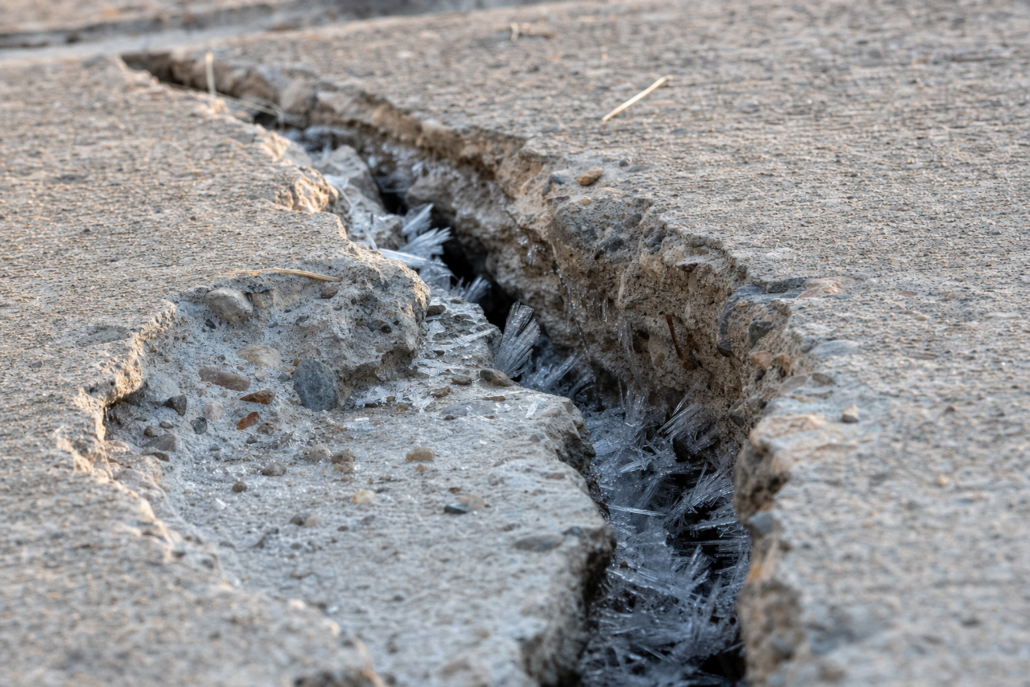
Concrete disposal Calgary may not be the first thing you think about when your eavestrough starts leaking, but in Calgary’s freeze-thaw cycle, bad drainage can damage both gutters and the concrete below them faster than many homeowners expect. When eavestroughs overflow, drip, or pull apart, water can land beside walkways, driveways, patios, and foundation edges. Then winter does the rest. That same water seeps into tiny openings, freezes, expands, melts, and repeats. White Knight Contracting has seen how one small exterior problem can turn into a bigger repair when drainage is ignored.
Table of Contents
- History: Why Calgary Homes Face So Much Freeze-Thaw Stress
- Concrete disposal Calgary and Eavestrough Damage
- Current Trends in Winter Water Damage
- Challenges: What Freeze-Thaw Damage Looks Like
- Company Highlight
- Future Prospects: What Homeowners Should Expect
- FAQ
- Q&A
- Conclusion
History: Why Calgary Homes Face So Much Freeze-Thaw Stress
Calgary’s weather has always been hard on home exteriors because temperatures can swing above and below freezing in a short time. Chinook winds are a big reason for this. One day, snow and ice may melt off a roof; the next night, that water can freeze again inside eavestrough seams, downspouts, soil, or concrete cracks. This back-and-forth movement is called a freeze-thaw cycle. In simple terms, water gets into a small space, freezes, expands, and slowly forces that space open.
Water expands by about 9% when it freezes, which is enough to push apart weak joints, widen cracks, and lift concrete slabs. This is why freeze-thaw concrete damage is so common around homes with poor drainage. If eavestroughs are clogged, sagging, or poorly sloped, water can spill where it should not. Over time, that water can weaken concrete walkways, garage pads, stairs, and driveway edges. What starts as a drip can become a cracked slab.
Concrete disposal Calgary and Eavestrough Damage
Concrete disposal Calgary becomes part of the conversation when damaged concrete is too broken, sunken, or unstable to repair. This often happens after years of water pooling beside the home. Eavestroughs, also called gutters, are meant to collect roof water and move it safely away through downspouts. When they fail, water may pour straight onto concrete or collect at the base of a foundation. In winter, that moisture can freeze under and inside the slab.
There is a clear link between winter concrete Calgary problems and eavestrough performance. For example, imagine a downspout that ends right beside a front step. During a warm afternoon, snow melts from the roof and runs through the trough. At night, the water freezes beside the step and inside small cracks. After weeks of this, the step may shift, flake, or separate from the walkway. At that point, patching may only hide the issue for a short time.
Current Trends in Winter Water Damage
More homeowners are paying attention to drainage because repair costs are rising and weather swings feel less predictable. Many people are also upgrading older sectional eavestrough systems to stronger, better-sloped systems that reduce leaks. Sectional gutters have joints that can open over time, while seamless aluminum eavestroughs have fewer weak points. Both can work, but installation quality and maintenance matter a lot in Calgary’s climate.
Another trend is pairing eavestrough repairs with exterior checks on siding, fascia, soffit, and concrete surfaces. This makes sense because water rarely damages only one part of a home. A leaking corner can stain siding, rot fascia boards, create icy walkways, and lead to concrete cracking cold weather issues below. Homeowners are also becoming more aware of grading, which means the slope of the ground around the house. If the ground slopes toward the home, even perfect eavestroughs may struggle to move water away safely.
Challenges: What Freeze-Thaw Damage Looks Like
One challenge is knowing when damage is minor and when it is a warning sign. Small surface flakes on concrete are called spalling. Hairline cracks are thin cracks that may not go all the way through the slab. These can sometimes be repaired if the base underneath is still stable. However, deep cracks, lifted corners, sinking sections, and hollow-sounding concrete can mean the problem is below the surface.
Homeowners should watch for a few common signs after winter:
- Water spilling over eavestrough edges during snowmelt or rain.
- Ice forming directly under gutter corners or downspouts.
- Concrete slabs that tilt toward the house instead of away from it.
- Cracks that grow wider each season.
- Doors, gates, or steps that no longer line up because nearby concrete has moved.
There are different repair methods, but they solve different problems. A surface patch can improve appearance and protect small cracks. Mudjacking or polyurethane lifting can raise a settled slab if the concrete is still strong. Full removal is usually needed when the slab is badly fractured, heaved, or sitting on a washed-out base. This is where Concrete disposal Calgary services may be needed as part of a proper replacement plan.
Company Highlight
White Knight Contracting has been in business since 2011 and works on many connected exterior parts of the home, including eavestrough, roofing, siding, soffit, and hail damage repairs. This matters because water damage often crosses over between systems. For example, a homeowner may think they only need an eavestrough fix, but the real issue could also include damaged fascia, loose siding, or a poor downspout layout. Having one company that can handle siding and related exterior repairs helps avoid the hassle of calling a second contractor.
The company’s strengths include local Calgary experience, a focus on exterior water control, and the ability to look at the full picture instead of one isolated part. Since Calgary homes deal with hail, wind, snow, ice, and rapid thawing, this full-home view is helpful. A strong eavestrough system is not just about moving rainwater. It is also about protecting concrete, siding, foundations, and walkways through every season.
Future Prospects: What Homeowners Should Expect
In the future, Calgary homeowners should expect water management to become even more important. Freeze-thaw cycles will continue to test older eavestroughs, aging concrete, and poorly sloped yards. More homes will likely use larger downspouts, better extensions, gutter guards, and regular seasonal inspections. These upgrades are not exciting, but they can prevent expensive damage.
A practical plan is simple. Clean eavestroughs before winter, check for sagging sections, make sure downspouts discharge at least several feet away from the home, and inspect nearby concrete each spring. If you see cracks, take photos so you can compare them over time. If a crack doubles in width, a slab sinks, or water keeps pooling in the same area, do not ignore it. Acting early can mean repair instead of replacement.
FAQ
In Calgary’s harsh freeze-thaw cycle, even small amounts of standing water inside your eavestroughs can refreeze, expand, and push gutter seams apart or create cracks, making regular cleaning and proper drainage essential before winter.
Q&A
Question
Why does Calgary’s freeze-thaw cycle destroy concrete and when is removal the only option?
Answer
Calgary’s freeze-thaw cycle causes water to expand inside cracks repeatedly — eventually heaving, breaking, and destabilizing slabs beyond repair. Removal is usually the only option when the concrete is deeply cracked, badly lifted, sinking, or no longer supported by a stable base underneath.
Question
How can Calgary homeowners tell the difference between repairable concrete and concrete that must be removed?
Answer
Surface spalling and hairline cracks can often be repaired, but full heaving, deep fracturing, sinking sections, and undermined subgrade all point to removal. If the concrete keeps moving every winter, the root problem is likely below the surface, not just on top.
To learn more and view our other blogs, click here,
Conclusion
Calgary’s freeze-thaw cycle can destroy eavestroughs and concrete faster than many people expect because water keeps moving, freezing, expanding, and breaking weak spots apart. A small gutter leak can become icy concrete, cracked walkways, or foundation-side drainage trouble. The best approach is to think of your eavestroughs, downspouts, siding, grading, and concrete as one connected system. When each part works together, water moves away from the home instead of into places where it can freeze and cause damage. With regular checks and timely repairs, homeowners can reduce winter damage and avoid bigger replacement projects later.
The photo used in this blog are for demonstration purposes only.

