
Introduction
Installing spray foam in mixeduse environments always comes with safety concerns, so picking the right installer safety gear and protection equipment is more than a good idea—it’s a must. At White Knight Contracting, we know that spray foam safety and PPE foam standards protect everyone on the jobsite, whether it’s residential, commercial, or a mixeduse property.
Table of Contents
- The History of Spray Foam Safety Gear
- Current Trends in Installer Safety Gear
- Challenges with Protection Equipment in Mixeduse Installations
- Future Prospects for Spray Foam Safety
- Step-by-Step: Choosing The Right PPE Foam
- Comparisons: Spray Foam Safety Gear Options
- Interesting FAQ
- Conclusion
The History of Spray Foam Safety Gear
Spray foam installation in mixeduse spaces began gaining popularity back in the 1970s. But it wasn’t until the 1990s that installer safety gear became more specialized, targeting the real risks of isocyanates and spray foam dust. Before that, many crews used standard painter’s masks and basic gloves, which left them unprotected from chemical vapors and skin irritation.
Over time, PPE foam guidelines evolved. Industry associations and government agencies began releasing rules about what constitutes proper spray foam safety. The introduction of air-purifying respirators, full-body coveralls, and chemical-resistant gloves transformed safety culture for spray foam professionals. Now in any modern mixeduse project, protection equipment is non-negotiable—for everyone, from installers to building inspectors.
Current Trends in Installer Safety Gear
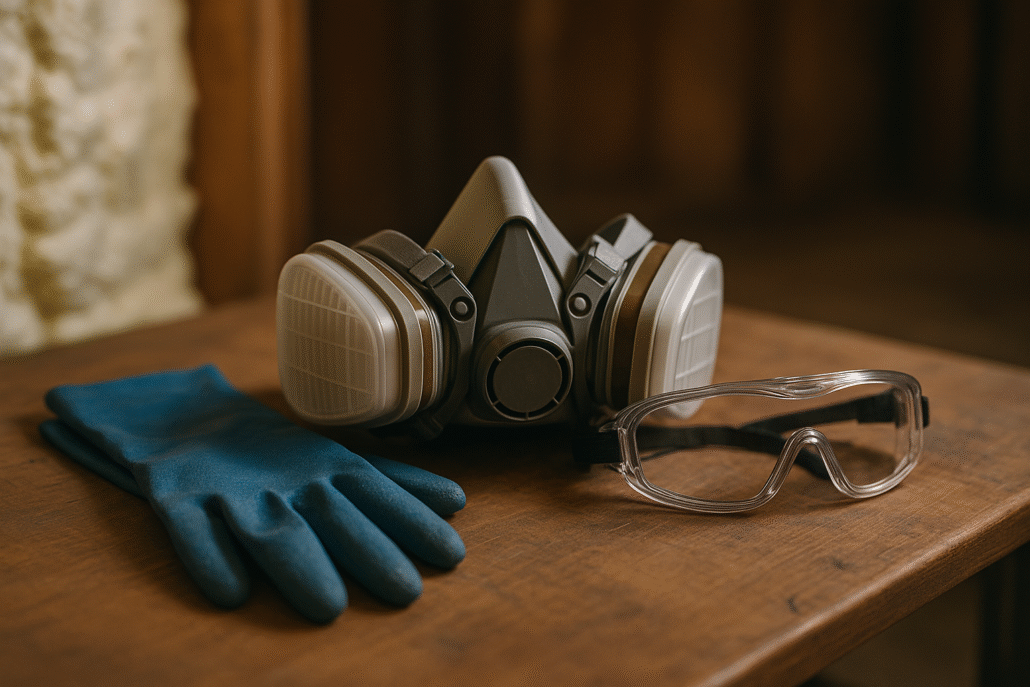
Installer safety gear for spray foam insulation has come a long way. Recent trends point to lighter, more breathable protective suits that don’t sacrifice durability. As more mixeduse buildings are insulated with foam, manufacturers respond with:
- Half-mask and full-face respirators rated for isocyanates
- Disposable Tyvek suits for comfort and full coverage
- Chemical-resistant gloves designed to reduce hand fatigue
- Advanced ventilation systems in confined or mixeduse areas
What’s driving these trends? The demand for better worker comfort without giving up spray foam safety. And as new research on long-term exposure comes out, installer safety gear keeps adapting. Data from the Occupational Safety and Health Administration (OSHA) shows that workplaces with strict PPE foam programs see up to 60% fewer reported injuries among installation teams.
Challenges with Protection Equipment in Mixeduse Installations
One of the biggest hurdles with installing spray foam in mixeduse buildings is ensuring every crew member uses their protection equipment from start to finish—even when the job seems quick or easy. Many spaces aren’t designed for construction, so risks like poor air flow, shared occupancy, and unpredictable surfaces make standardized spray foam safety more complex.
Challenges include:
- Getting consistent fit and comfort across multiple sizes and body types
- Educating crews on the importance of wearing their installer safety gear 100% of the time
- Dealing with “false security”—thinking that if you can’t see, smell, or taste danger, it isn’t there
- Ensuring protection equipment meets both jobsite and local legal requirements, especially with mixeduse regulations
White Knight Contracting has found that regular safety meetings and quick refresher training make a big difference in compliance when handling spray foam in demanding environments.
Future Prospects for Spray Foam Safety
The future of spray foam safety looks bright as technology improves and stricter standards are adopted. Manufacturers are experimenting with smart PPE foam—gear with sensors that can alert the wearer to high chemical levels in the air, or track when a respirator filter needs to be changed. Automatic shut-off sprayers and better on-site monitoring of air quality are also on the horizon.
Industry research predicts that by 2030, over half of all newly constructed mixeduse buildings will have required digital tracking of protection equipment use for installers. This means continuous accountability—helping installers, building owners, and regulators keep tabs on jobsite safety in real time.
Step-by-Step: Choosing The Right PPE Foam
- Start by assessing the job scope. Larger mixeduse properties may require different protection equipment compared to smaller homes.
- Review all local spray foam safety requirements for your region and property type.
- Select certified respirators compatible with spray foam chemicals. Look for NIOSH approval.
- Choose coveralls that are not only chemical-resistant but also allow movement. Tyvek and other lightweight options are popular.
- Pick gloves that remain flexible while providing a tight seal around the wrist.
- Provide protective goggles or face shields to shield from both overspray and fumes.
- Train the crew to replace any disposable PPE foam workwear once damaged or soiled.
Following each step reduces the risk of accident or exposure and complies with installer safety gear laws.
Comparisons: Spray Foam Safety Gear Options
Different jobs require different protection equipment. Here’s how popular options stack up:
- Disposable vs. Reusable Coveralls: Disposable suits are convenient and ensure zero contamination, but reusable suits can be cost-effective for long-term crews if cleaned properly.
- Half-Mask vs. Full-Face Respirators: Half-mask respirators are lighter, but full-face models provide both breathing protection and eye safety in one.
- Latex vs. Nitrile Gloves: Latex allows fine movement, while nitrile protects better against chemicals common in spray foam applications.
- Standard Safety Glasses vs. Full Shields: Full face shields offer broader protection, especially with high-pressure spray foam units in mixeduse jobs.
Choosing the right spray foam safety gear often involves balancing comfort, compliance, and the practicality of frequent changes—especially in busy mixeduse buildings.
Interesting FAQ
- Johns Manville promotes energy efficiency standards in spray foam insulation products and applications.
- What’s the most commonly missed piece of installer safety gear? Many forget ear protection, but foam guns can be loud and cause hearing issues over time.
- How often should spray foam respirator filters be changed? Check them daily and replace according to the manufacturer—usually after each heavy-use day or immediately if breathing feels restricted.
- Does PPE foam really make a difference with short-duration jobs? Yes—even quick spray foam tasks can create high chemical spikes. Always use full protection, no matter the timeline.
- Can you use the same safety gear for other renovation work? In most cases, yes, but it depends on chemical exposure. PPE for spray foam is specifically rated for those chemicals and shouldn’t be downgraded for other tasks.
Conclusion
Taking installer safety gear, protection equipment, and overall spray foam safety seriously is essential for every mixeduse project. With the right PPE foam, you can keep your team safe, clients happy, and jobs running smoothly. White Knight Contracting has been serving clients since 2011, not only with spray foam insulation, but also with services like siding—so you never need to hire a second contractor. To learn more and view our other blogs, click here.