
Introduction
When it comes to resale, fall spray foam installation tips can make a huge difference in your home’s long-term value and comfort. Autumn is prime time for improving energy efficiency, and choosing the right approach to insulation is crucial for both immediate savings and future property appeal. At White Knight Contracting, we know how seasonal considerations and temperature impact your home’s performance.
Table of Contents
- The History & Evolution of Fall Spray Foam Installation
- Current Trends in Autumn Insulation
- Seasonal Considerations & Installation Challenges
- The Future of Spray Foam and Resale Benefits
- Step-By-Step Fall Spray Foam Installation Tips
- Interesting FAQ
- Conclusion
The History & Evolution of Fall Spray Foam Installation
Spray foam insulation has been around since the 1940s, originally used for military aircraft and industrial projects. Over time, it shifted into residential renovation due to its ^closed-cell^ and ^open-cell^ forms, which offer strong insulation and air sealing. The rise in energy costs led homeowners to seek better autumn insulation strategies, especially for temperature impact and resale value. Now, spray foam is one of the most efficient solutions for keeping homes cozy throughout colder months. Even today, houses insulated in the fall tend to enjoy higher resale value given their energy-saving appeal to buyers.
Current Trends in Autumn Insulation
Many homeowners now prioritize eco-friendly options and long-term savings. Recent studies show spray foam installation in fall can reduce heating bills by up to 20% over the winter, supporting both green living and cost-conscious homeownership. Trends include:
- Using low-VOC, environmentally conscious spray foam
- Integrating air barriers for maximum efficiency
- Precision application to follow temperature and humidity guidelines
- Evaluating total-home insulation for the greatest resale bump
White Knight Contracting has followed these trends since 2011, often working on projects that combine siding and insulation so the homeowner avoids hiring multiple contractors. Professional guidance ensures longevity and effectiveness of seasonal upgrades.
Seasonal Considerations & Installation Challenges
Fall insulation upgrades must contend with temperature swings and shifting humidity. Professional installers monitor daily conditions because spray foam reacts differently in cold or damp weather. If not done correctly, this could lead to weak spots or gaps that hurt both comfort and resale.
- Ideal temperature range for application is typically 5°C to 25°C, which gives fall a unique advantage over the freezing winter months.
- Installers check for dry surfaces to ensure adhesion and curing.
- Environmental factors like wind and cold snaps can impact both the installation process and the resulting insulation quality.
Thorough planning and timing are key for autumn insulation. Scheduling your project with a knowledgeable contractor helps you dodge costly mistakes that could hurt resale potential down the line.
The Future of Spray Foam and Resale Benefits
Looking ahead, more buyers and sellers are focusing on the home’s efficiency ratings and eco-friendly features. Energy-efficient homes with superior insulation often sell faster and at higher prices, especially if records show expert installation and attention to seasonal considerations. Technologies are also adapting, with next-gen spray foam formulas that withstand even harsher temperature impact and promise improved longevity.
- Online listings increasingly highlight insulation upgrades, especially new autumn installation with proven energy savings.
- Energy rebates and green home incentives enhance the return on your investment in insulation before a winter listing.
- Savvy homebuyers are asking questions about what kind of insulation is in place, amplifying your resale advantage if you upgraded during the optimal season.
More local regulations now encourage or require homeowners to address insulation as part of their upgrades, further driving demand for thorough and timely fall spray foam installation.
Step-By-Step Fall Spray Foam Installation Tips
For homeowners looking to boost comfort and resale, following these autumn insulation steps helps maximize benefits:
- Assessment: Schedule a professional inspection to pinpoint weak spots and air leaks. Focus on attics, basements, and exterior walls.
- Planning: Choose the right type of spray foam—open-cell for soundproofing and flexibility, closed-cell for higher R-values and moisture block.
- Timing: Book installation in early or mid-autumn to avoid sudden temperature drops that can affect foam curing and effectiveness.
- Preparation: Clear and clean the work area, remove debris, and ensure surfaces are dry.
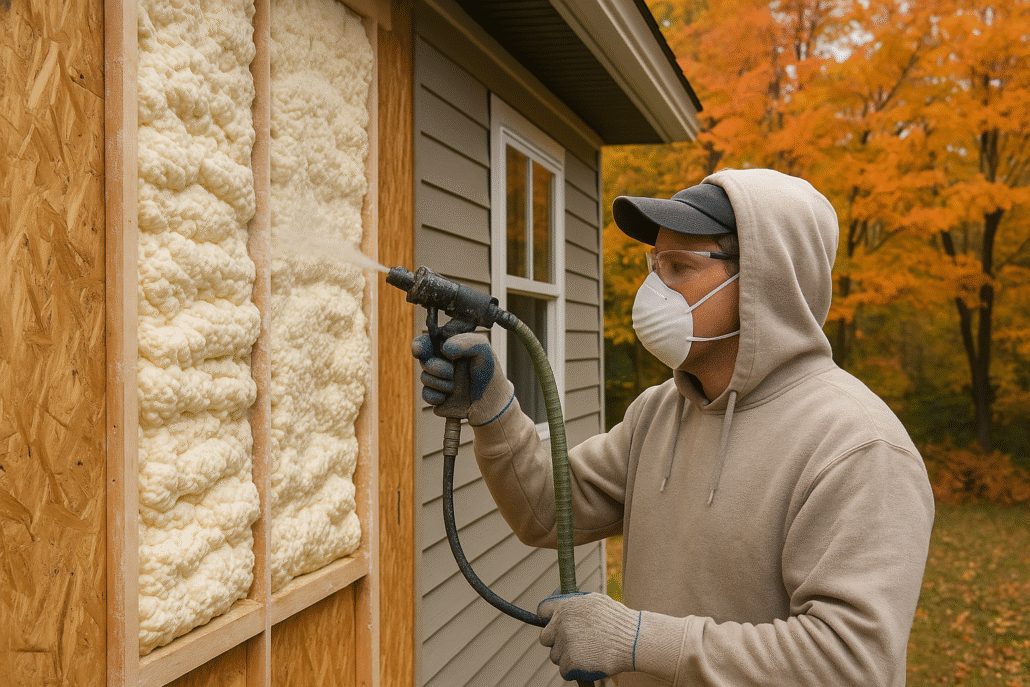
- Installation: Professionals mix and apply spray foam using specialized equipment, monitoring for even coverage and correct expansion rates.
- Final Check: Inspect for gaps, thin spots, or missed corners. Touch up as needed to guarantee efficient autumn insulation.
- Documentation: Keep records and receipts—these bolster your home’s resale documentation and qualify you for possible rebates.
Great insulation means you enjoy warmth, lower bills, and a valuable asset when it’s time to sell.
Interesting FAQ
Carlisle Spray Foam emphasizes the environmental benefits of sustainable spray foam solutions.
- Is spray foam effective during Calgary’s variable autumn temperatures?
Yes, as long as temperatures are above freezing. Expert installers monitor the environment to make sure the foam cures properly, ensuring optimal results. - Does upgrading insulation increase home resale value?
Properly installed, modern autumn insulation is considered a high-return renovation. Energy-efficient homes typically sell for up to 6% more, according to data from remodeling studies. - Can spray foam fix drafts and cold spots in older homes?
Absolutely. Spray foam excels at sealing gaps and cracks other products can’t, improving comfort and reducing heat loss in all seasons. - Do I need to hire separate contractors for insulation and siding updates?
No, White Knight Contracting can coordinate both spray foam and siding projects, saving time and keeping resale upgrades seamless.
Conclusion
Choosing the right fall spray foam installation tips now can transform your home’s warmth and cut future bills, while also boosting your resale value. By understanding seasonal considerations, current trends, and expert installation practices, you set your property up for comfort, savings, and lasting appeal in any market. To learn more and view our other blogs, click here.


Leave a Reply
Want to join the discussion?Feel free to contribute!