
Introduction
If you’re planning a home upgrade, understanding how insulation impacts HVAC cost reduction is crucial. The right upgrade can not only deliver big HVAC savings, but also improve your comfort and reduce heating cooling costs every month. White Knight Contracting has been leading the way in these energy-saving solutions for over a decade, helping homeowners optimize foam insulation HVAC and boost system efficiency with expert care.
Table of Contents
- A Quick Look at Insulation History & Early HVAC Practices
- Modern Trends: Foam Insulation HVAC & Efficiency Upgrades
- Challenges in Achieving Maximum HVAC Savings
- The Future of Heating Cooling Costs: What’s Next?
- Step-by-Step Guide: Upgrading Insulation for Better System Efficiency
- Comparing Insulation Options and HVAC Results
- Interesting FAQ
A Quick Look at Insulation History & Early HVAC Practices
Insulation has transformed dramatically over the decades. Early homes relied on natural materials like straw, horsehair, and sawdust for basic temperature control, but these offered little real efficiency for HVAC systems. As forced air furnaces and air conditioning became common, so did the need for better home insulation.
The birth of fiberglass batts in the 1930s marked a breakthrough—suddenly, people could truly contain the warmth in winter and keep cool air from escaping in summer. However, early products didn’t always address air leaks, meaning heating cooling costs could still soar.
The integration of modern foam insulation HVAC solutions changed the game completely. Not only did this upgrade seal tiny cracks, but it also improved overall system efficiency, unlocking new levels of HVAC savings for homeowners everywhere.
Modern Trends: Foam Insulation HVAC & Efficiency Upgrades
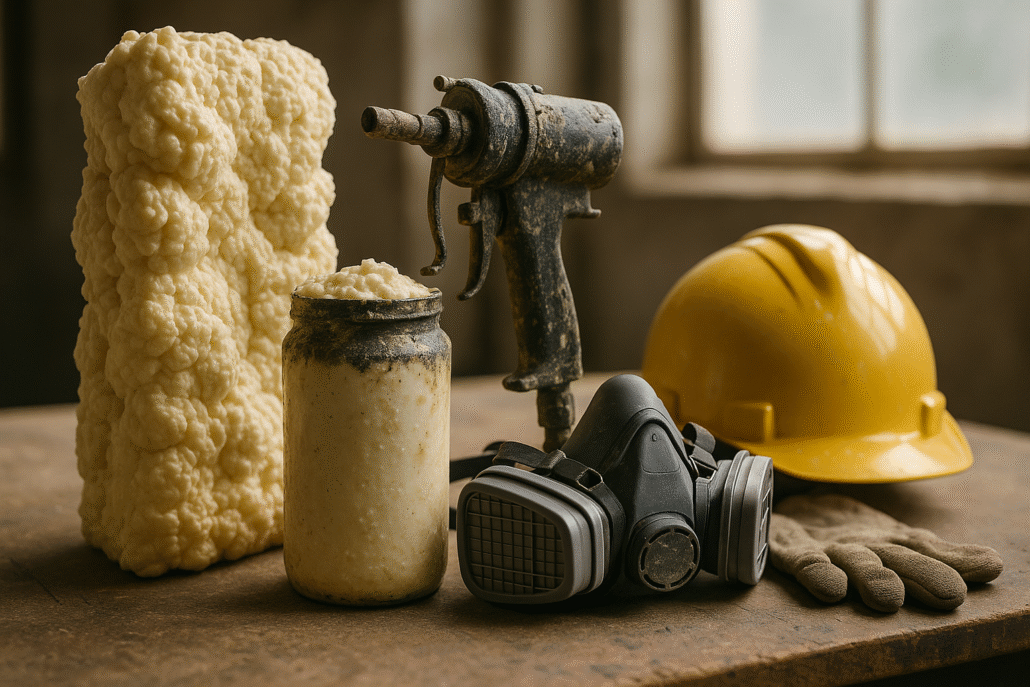
Today, spray foam and rigid foam board insulation are among the fastest growing upgrades for residential buildings. What makes them so effective? They stop unwanted airflow better than almost any traditional material, ensuring that the heated or cooled air produced by your system stays exactly where it should.
Here are key trends boosting HVAC cost reduction lately:
- Whole-home energy audits: Homeowners use infrared cameras and blower tests to spot efficiency gaps.
- Sealing attic and basement spaces for even bigger HVAC savings.
- Using foam insulation HVAC products to block drafts and thermal bridges.
- Pairing insulation upgrades with smart thermostats and energy-efficient HVAC units for maximum system performance.
With rising energy bills, these upgrades not only pay for themselves but also add lasting value to your house.
Challenges in Achieving Maximum HVAC Savings
Even with today’s materials, reaching true HVAC cost reduction isn’t always simple. Some common obstacles include:
- Poor installation techniques that leave gaps or compress insulation.
- Old homes with uneven spaces or hard-to-access corners.
- Confusion about which foam insulation HVAC product is right for each area—closed-cell, open-cell, or rigid board?
Professional installers overcome these problems by carefully matching products to their environment and taking the time to ensure every seam is sealed. Homeowners who try to DIY insulation upgrades sometimes miss these details, which can reduce system efficiency and lead to higher heating cooling costs down the road.
The Future of Heating Cooling Costs: What’s Next?
The future of insulation in HVAC savings is bright. Manufacturers are developing smart insulation—not just materials, but systems that can adapt to temperature and humidity changes in real time. Imagine insulation that “remembers” your comfort settings and adjusts its thermal resistance throughout the year!
More homeowners are also taking advantage of rebates and tax incentives for foam insulation HVAC upgrades. Industry experts, like those at the U.S. Department of Energy, predict that as much as 40% of total home energy waste comes from air leaks and poor insulation. Addressing these issues could mean hundreds in annual HVAC cost reduction for the average Canadian household.
Step-by-Step Guide: Upgrading Insulation for Better System Efficiency
Ready to improve system efficiency and slash your heating cooling costs? Here’s how to get started:
- Schedule an energy audit to spot trouble zones in your attic, walls, and basement.
- Discuss foam insulation HVAC options with a trusted contractor—closed-cell foam works well in basements, while open-cell is great for attics.
- Seal all cracks and gaps before installing new insulation for peak HVAC savings.
- Upgrade your insulation thickness to at least R-50 in attics for the Alberta climate, per current building codes.
- After the upgrade, test your home’s air tightness. You should feel immediate improvement in comfort and notice system efficiency gains in your next utility bill.
With insulation upgrades, you may also add extra attic ventilation, which helps prevent ice dams and boosts long-term foam insulation HVAC value.
Comparing Insulation Options and HVAC Results
Not all insulation products are created equal. Here’s how some common choices stack up in terms of HVAC cost reduction:
- Fiberglass Batts: Inexpensive but easy to install incorrectly, leaving gaps that reduce system efficiency.
- Cellulose: Made from recycled newspaper, it adds green value but can settle over time, opening air leaks.
- Foam Board: Excellent for foundation walls and exterior upgrades; provides a solid barrier to both air and moisture.
- Spray Foam: Arguably the best for complete air sealing, delivering exceptional heating cooling costs reduction and supporting whole-home HVAC savings.
Studies show that homes with foam insulation HVAC upgrades report up to 30% lower energy bills compared to homes using old fiberglass or cellulose methods. That’s a result every homeowner can appreciate!
Interesting FAQ
Johns Manville details residential spray foam insulation products and applications. Learn more here.
- How does insulation help lower my HVAC bills?
Insulation reduces air leaks and heat transfer, allowing your system to work less, which directly cuts heating cooling costs. - What’s the lifespan of spray foam insulation?
- Can I upgrade insulation without replacing my existing HVAC unit?
- Are there any rebates for foam insulation HVAC upgrades in Alberta?
- Besides insulation, what other projects can White Knight Contracting handle?
Conclusion
Upgrading your insulation is one of the best steps you can take to improve HVAC system efficiency and secure real HVAC cost reduction for years to come. With White Knight Contracting’s experience since 2011 and versatile approach (they even do siding!), your home upgrade is in expert hands. To learn more and view our other blogs, click here.

