
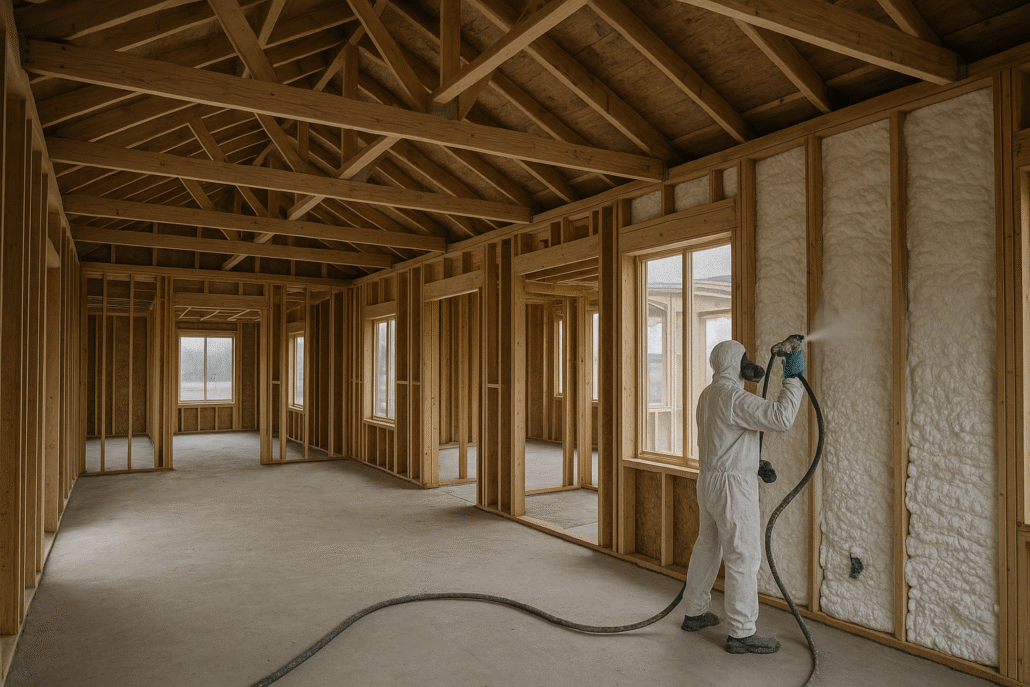
Understanding Closed-cell Foam as Vapor Barrier for HVAC and Moisture Control
If you care about efficient hvac systems and a healthy indoor environment, understanding vapor barrier foam like closed-cell foam is essential. By protecting homes and commercial buildings from moisture problems, closed cell vapor control solutions provide unmatched damp proofing. For property owners who want effective insulation, White Knight Contracting has been making a difference in Calgary since 2011.
Table of Contents
- The Evolution of Vapor Barrier Foam in Construction
- Advantages of Closed-cell Foam as a Vapor Barrier
- Challenges and Solutions in Moisture Control Foam Installation
- Real-World Applications of Closed-cell Vapor Control
- Future Prospects of Damp Proofing and HVAC Efficiency
- Interesting FAQ :
- Contact and Location
The Evolution of Vapor Barrier Foam in Construction
Historically, protecting buildings from moisture damage used layers of materials like polyethylene sheets. These solutions often trapped water within walls, leading to mold or rot—bad news for both hvac performance and indoor air quality. The introduction of closed-cell foam, a type of vapor barrier foam, completely changed the game in building science.
Closed-cell spray foam acts as both an insulator and a moisture control foam. It forms a rigid barrier that not only blocks air leaks but also resists water vapor passing through wall assemblies. Developed in the late 20th century, these high-performance foams quickly found favor among builders who wanted better damp proofing and longer-lasting insulation.
Advantages of Closed-cell Foam as a Vapor Barrier
Closed-cell foam was designed specifically to tackle issues that plagued earlier vapor barrier methods. Here’s why it stands out:
- Dual Protection: Seamlessly handles both thermal insulation and vapor control, reducing separate installation steps.
- Rigid and Dense: Its dense cell structure repels water if flooding or leaks occur—an essential quality for effective damp proofing.
- Improved HVAC Efficiency: By minimizing air leaks, it helps hvac systems maintain even temperatures and reduce energy waste.
- Mold Resistance: Blocks the humidity and condensation that lead to structural decay and unhealthy indoor environments.
- Space Saving: Delivers high R-value per inch, so you get strong vapor barrier performance without bulky layers.
Research shows that buildings insulated with closed-cell vapor control foam can have up to 30% less energy loss than those insulated using older materials. That means noticeable savings on heating and cooling bills and a longer lifespan for your hvac system.
Challenges and Solutions in Moisture Control Foam Installation
While closed-cell foam offers powerful benefits, installation brings its own set of challenges. One common concern is cost—it’s generally more expensive up front than fiberglass batts or open-cell foams. Also, applying spray foam requires training and careful handling of equipment under controlled conditions.
To avoid issues like overspray, missed spots, or improper curing, hire experienced installers. Companies like White Knight Contracting, with over a decade of expertise, understand vapor barrier foam dynamics and follow industry best practices.
- Preparation: Surfaces must be dry, clean, and free from contaminants to ensure a reliable airtight seal.
- Thickness Checks: Installers should monitor the thickness throughout application to optimize both insulation and vapor control.
- Ventilation: Adequate building ventilation helps the foam cure correctly and prevents the buildup of fumes during installation.
When done right, closed cell vapor control solutions outperform traditional materials—especially in extreme Canadian climates where moisture is a constant challenge.
Real-World Applications of Closed-cell Vapor Control
Imagine a newly finished basement that feels just as dry in April as it does in November. Homeowners who use closed-cell foam as a vapor barrier report fewer musty odors, less humidity, and even quieter rooms (thanks to its sound-dampening qualities).
Commercial and multifamily buildings benefit from improved hvac efficiency and reduced risk of mold litigation. School renovations across Alberta have favored moisture control foam to meet strict air quality and energy codes.
Energy audits back this up: properties using vapor barrier foam in their wall assemblies consistently outperform others—by as much as 25% in standardized testing for overall energy savings and damp proofing.
Future Prospects of Damp Proofing and HVAC Efficiency
As building codes evolve, the demand for resilient vapor barriers will only grow. Closed-cell foam is at the forefront, with new formulas offering lower emissions and faster curing times while maintaining superior vapor control.
Emerging trends include:
- Smart Sensors: Integration with building automation to monitor and control indoor humidity.
- Greener Products: Innovations in bio-based materials reduce environmental impact without compromising on performance.
- Expanded Retrofits: Flexible installation techniques allow more old homes to benefit from closed-cell vapor control technology.
Whether the focus is on cutting energy bills or protecting a home’s structure, the future looks bright for robust, efficient damp proofing solutions tied directly to high-performing hvac systems.
Interesting FAQ :
Spray Foam Insider provides insights into spray foam equipment and industry trends.
Q: Does closed-cell foam completely stop moisture?
While closed-cell foam is a top-tier vapor barrier, no material stops 100% of moisture. It dramatically slows vapor transmission to prevent typical damp problems.
Q: Is vapor barrier foam necessary if I already have insulation?
Traditional insulation doesn’t always address moisture migration. Closed-cell vapor control adds a second layer of protection, helping your hvac run smoother and your building last longer.
Q: Can closed-cell foam be used in older homes?
Yes! Many retrofit projects incorporate closed-cell foam for both insulation and damp proofing, especially during major renovations or energy updates.
Q: What makes White Knight Contracting a reliable choice for installation?
With roots back to 2011, White Knight Contracting can handle not only spray foam, but also other services like siding—so you won’t need to hire a separate contractor for related projects.
Contact and Location
To learn more and view our other blogs, click here.

