
Introduction
Finding a waterproof solution for your home or commercial building is essential in cities where unpredictable weather leads to seasonal humidity challenges and moisture issues. Spray foam insulation has become one of the preferred ways to tackle problems like humidity control foam, dampness prevention, and moisture resistance all at once. At White Knight Contracting, experts in insulation since 2011, there’s a strong focus on multi-service solutions so you don’t need several contractors for one job.
Table of Contents
- History of Humidity Challenges in Insulation
- Modern Trends: Humidity Control Foam and Moisture Resistance
- Common Challenges & Solutions for Seasonal Humidity
- Future Prospects: Where Are We Headed With Waterproof Spray Foam?
- What to Expect: Step-By-Step Guide for Spray Foam Waterproofing
- Interesting FAQ
History of Humidity Challenges in Insulation
Insulation has been used for decades to manage indoor temperatures but, historically, controlling humidity was a challenge. In older homes, materials like fiberglass or cellulose were common but often struggled with dampness prevention, trapping moisture, and encouraging mold growth. These traditional barrier methods lacked true waterproof qualities, causing headaches for homeowners during extreme seasonal humidity challenges. Builders soon realized that basic materials couldn’t always keep up with shifting Canadian weather, which can swing from dry to very damp within weeks.
It became clear that there was a need for insulation materials that did more than block heat—they needed moisture resistance and the ability to form airtight seals. The move toward closed-cell spray foam marked a major turning point, offering advantages not just for warmth, but for humidity control foam performance as well.
Modern Trends: Humidity Control Foam and Moisture Resistance
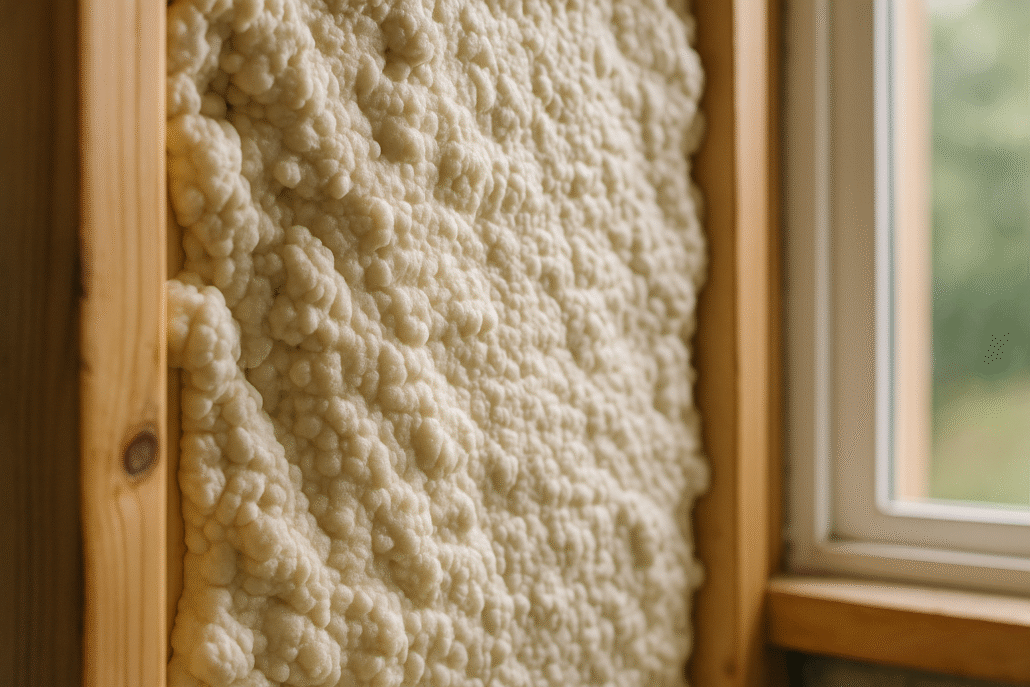
Today, new homes and renovations put a high value on using waterproof solutions, especially where moisture-prone basements, crawl spaces, and attics are concerned. Spray foam stands out by expanding into cracks and sealing every small gap—making it an effective choice for both insulation and moisture resistance.
- Closed-cell spray foam is up to 90% more moisture-resistant than many traditional insulation types (according to industry studies).
- Humidity control foam helps stabilize indoor air by sealing out outdoor seasonal humidity changes, keeping your home drier year-round.
- Property owners benefit from lower energy bills, fewer mold issues, and improved comfort during all seasons.
Beyond performance, spray foam is also a greener option. It often contains recycled content, and its durability cuts down on the need for frequent replacements, reducing both waste and long-term costs.
Common Challenges & Solutions for Seasonal Humidity
Some of the most pressing humidity challenges come during the transition between seasons—spring snowmelts, fall rains, and muggy summer spells. These times can bring unexpected dampness and moisture problems inside homes. When insulation fails here, it can lead to:
- Mold growth beneath walls and floors
- Wood rot and foundation issues
- Unpleasant odours and indoor air quality problems
Spray foam solutions outperform many alternatives by blocking moisture migration and condensation in all weather conditions. However, the installation must be done correctly. It’s crucial to choose seasoned professionals who understand how to adapt the technique depending on surface material, outdoor conditions, and building age.
For Canadian homeowners facing harsh seasonal humidity challenges, a combination of waterproof spray foam and smart design mitigates risk and extends the lifespan of structures.
Future Prospects: Where Are We Headed With Waterproof Spray Foam?
With climate patterns shifting and severe weather events occurring more frequently, the push for reliable dampness prevention continues. We are seeing:
- Advances in spray foam formulas that increase moisture resistance and air-tightness
- Improved application tools for tighter, neater seals in hard-to-reach spaces
- A growing demand for pro installers capable of delivering durable waterproof results
Industry reports predict that spray foam’s popularity for humidity control foam will grow by nearly 7% each year in North America over the next decade. This is partly due to building codes raising standards for energy efficiency and water-resistance in new construction and renovations.
What to Expect: Step-By-Step Guide for Spray Foam Waterproofing
If you’re considering spray foam to conquer your humidity and waterproofing challenges, here’s what you can expect from the process:
- Assessment: A trained contractor will inspect susceptible areas for existing moisture, air leaks, and signs of mold.
- Preparation: Surfaces are cleaned and prepped. This may include temporary removal of wallboard or floor panels.
- Application: Spray foam is applied as a liquid, quickly expanding into an airtight and waterproof barrier.
- Curing: Foam hardens in a matter of hours, locking out water vapor and air movement.
- Reassembly: Finishing panels are reinstalled, and all surfaces are sealed.
Expect clear explanations about the types of spray foam chosen for your unique situation, focusing on improved dampness prevention and year-round moisture resistance.
Interesting FAQ
- Natural Resources Canada offers guidelines for selecting insulation to optimize home energy performance.
- Why choose humidity control foam over traditional insulation? Spray foam insulation offers better moisture resistance, longer durability, and improved air sealing properties compared to materials like fiberglass.
- Can waterproof spray foam help prevent mold and water damage? Yes, when properly installed, it provides a strong barrier against water vapour and condensation, greatly reducing the risk of mold growth.
- Are there spray foam options for older homes? Absolutely! Modern spray foam can be tailored to both new construction and retrofit projects, making it suitable for basements, attics, and wall cavities in older houses.
- How does White Knight Contracting stand out? In business since 2011, White Knight Contracting handles all steps, from assessment to installation. Their team can even handle exterior siding or repairs so you won’t need to hire a second contractor for related work.
Find Us Here
Conclusion
Tackling seasonal humidity challenges and keeping your home dry starts with a smart, waterproof spray foam solution. The right humidity control foam not only saves money on repairs and energy but also ensures a healthier indoor environment. Whether you’re building new or updating old spaces, moisture resistance and dampness prevention should never be overlooked. For expert help and all-in-one solutions, trust a team that handles every step of the process—and more. To learn more and view our other blogs, click here.

