
Introduction
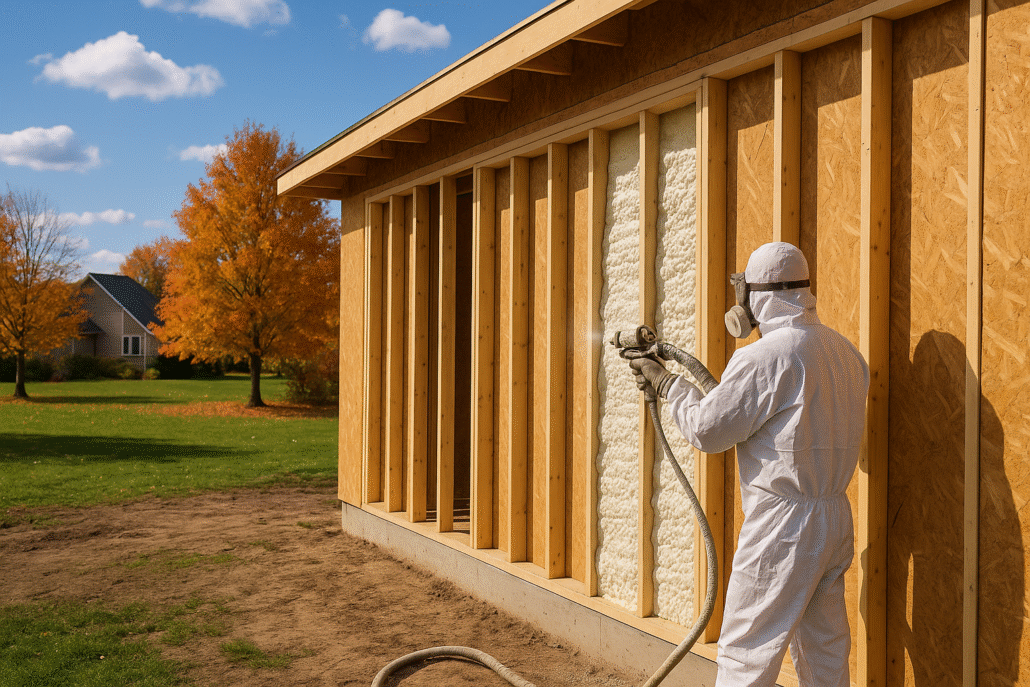
The chemistry behind spray foam installation directly influences its effectiveness, so knowing the best season for spray foam can save homeowners money and maximize comfort. Whether you’re sealing a new build or upgrading an older property, weather friendly foam and proper insulation season timing are crucial parts of a successful project. White Knight Contracting has been helping clients since 2011 to make smart choices in the ever-changing climates of Western Canada.
Table of Contents
- A Quick History of Spray Foam Chemistry
- Why the Installation Season Matters for Spray Foam
- Weather Friendly Foam: Chemistry Meets Climate
- Best Time Insulation: Seasonal Tips for Every Homeowner
- Challenges & New Trends in Spray Foam Application
- Looking Ahead: Future Prospects for Spray Foam Seasons
- Interesting FAQ
A Quick History of Spray Foam Chemistry
Spray foam insulation, once found mostly in factories and refrigerators, has become a mainstream home product. The core chemistry relies on combining isocyanates with polyols—two molecular families that react quickly when sprayed. Once mixed, the chemicals expand rapidly, forming a rigid, air-tight barrier. This foam traps air, reducing energy loss and creating an even temperature across your home.
Initially, early versions in the 1960s and 70s sometimes struggled with moisture or improper expansion. Modern formulas have evolved, allowing installation season flexibility and stronger weather friendly foam performance. Today, pro installers can offer effective insulation nearly year-round, provided certain conditions are met.
Why the Installation Season Matters for Spray Foam
Timing can make or break your spray foam insulation project. Unlike batts or loose-fill, foam must be installed under the right temperature and humidity. Summer and fall are often considered the best season for spray foam because the chemical reaction thrives in warmth—typically between 15°C and 30°C (59°F to 86°F).
- In cold weather, foam may not expand correctly or cure properly, reducing its R-value (insulation power).
- Too much moisture in spring can impact the bond between foam and your wall, attic, or floor.
- Professional installers monitor both air and surface temperature to ensure quality results.
Timing your installation can also speed up construction projects and save on utility bills—helping you stay cozy in winter and cool during summer.
Weather Friendly Foam: Chemistry Meets Climate
The chemical reaction that transforms liquid into foam is temperature-sensitive. When the weather drops below 5°C (41°F), the components may become thick or sluggish, while excessive humidity above 60% can lead to poor adhesion and demolding. This is why pro installers typically recommend late spring, summer, or early fall as the best season for spray foam insulation.
- Warm, dry days allow the chemistry to work quickly and evenly.
- Some special cold-weather formulas now exist, offering more flexibility year-round.
- Ventilation remains crucial—open windows or use fans to help the foam cure, regardless of season.
For Calgary homeowners looking for weather friendly foam solutions, modern spray foam chemistry means jobs can proceed nearly any time, with proper prep and product selection.
Best Time Insulation: Seasonal Tips for Every Homeowner
When should you schedule your spray foam project? Here’s an easy guide for the best time insulation based on common seasonal conditions:
- Spring: Wait until consistent daytime highs above 10°C (50°F) and humidity drops below 60% for best results.
- Summer: Ideal temperatures mean fast curing and strong expansion. Work early or late to avoid peak afternoon heat.
- Fall: Early autumn works well, especially before overnight frost. Monitor forecasts to prevent sudden drops in temperature.
- Winter: Only attempt with cold weather foam and heated workspaces. More challenging and may require more prep.
Smart homeowners compare forecasts with their installer and discuss any concerns about changing weather. For best time insulation, flexibility and a knowledgeable contractor make a big difference.
Challenges & New Trends in Spray Foam Application
Spray foam is changing fast. New chemistry and equipment allow more precise installation every year, but seasonal challenges still exist.
- Climate change is bringing less predictable weather, which requires careful monitoring before and during installation.
- New “quick-cure” or low-temp foams are arriving on the market, offering solutions for tricky installation season challenges.
- Rising energy costs make choosing the best season for spray foam even more important to maximize your investment.
- Professional crews, like those at White Knight Contracting, can adjust plans and products for homes that need more than just insulation—such as siding, decks, or energy retrofits.
Recent industry data shows homes using spray foam properly installed in-season can achieve up to 30% energy savings compared to those insulated with other materials at the wrong time.
Looking Ahead: Future Prospects for Spray Foam Seasons
The future of insulation season timing looks bright as science improves spray foam recipes and installation methods. Nanotechnology and renewable raw materials may someday create all-weather foams that bond no matter what Mother Nature throws at us.
- Expect to see more eco-friendly foams made with bio-based side chains and lower emissions.
- New sensors and smart sprayers help crews ensure the chemistry is perfect, rain or shine.
- Regulations are likely to push for higher building efficiency, making best time insulation knowledge even more valuable for homeowners.
With these advances, even Western Canada’s unpredictable climate won’t stand in the way of a weather friendly foam installation.
Interesting FAQ
Assembly Magazine compares characteristics of open and closed-cell spray foam for various uses.
- Q: What happens if spray foam is applied outside the recommended temperature range?
A: The foam may fail to expand fully or cure unevenly. This can lower its effectiveness and create gaps or weak spots in the insulation. - Q: Can spray foam be installed during winter?
A: Yes, but only with special cold-weather formulations and professional equipment. Extra prep steps and workspace heating may be needed. - Q: How long does it take for spray foam to cure?
A: Typically, foam cures in just a few hours with optimal temperature and humidity. Colder or wetter conditions may extend this to a full day. - Q: How does the chemistry of spray foam make it different from fiberglass or cellulose?
A: Spray foam forms a continuous, air-sealed barrier by expanding into every gap. Its chemistry creates a superior vapor and air barrier compared to traditional batts or loose-fill. - Q: Why choose White Knight Contracting?
A: With experience since 2011, we offer comprehensive home upgrades—foams, siding, and more—without having to hire multiple contractors.
To learn more and view our other blogs, click here.

