
Introduction
If you’re planning to add insulation to your basement, home preparation for spray foam is an essential step to guarantee lasting comfort and energy efficiency. White Knight Contracting has helped Calgary-area homeowners optimize their spaces for over a decade—and the secret always starts with a smart approach to pre-install prep.
Table of Contents
- How Spray Foam Insulation Became a Top Choice
- Modern Trends in Basement Spray Foam Installation
- Key Steps for Home Preparation & Pre-Install Prep
- All About Surface Cleaning for Spray Foam
- Ensuring Insulation Ready Surfaces
- Why Professional Setup Matters
- Step-by-Step Guide: Getting Your Basement Ready
- Interesting FAQ
- Frequently Asked Questions
- Conclusion
How Spray Foam Insulation Became a Top Choice
Spray foam insulation isn’t exactly new—it’s been around in various forms since the 1940s, but recent technology makes it safer, more effective, and more versatile than ever, especially in basement spaces. Homeowners switched from fiberglass batts and rigid board insulation because spray foam creates an airtight seal, stopping drafts and blocking moisture, which is a big issue in Calgary’s climate.
As basements became finished living areas, demand for better insulation solutions grew. Modern spray foam adapts to nooks, crannies, concrete, and wood. The result? Comfort and better indoor air quality, all while lowering energy bills. The transformation from cold storage rooms to cozy family spaces wouldn’t be possible without this innovation.
Modern Trends in Basement Spray Foam Installation
Today, the trend is clear: homeowners want reliable, efficient, and eco-friendly insulation. Open-cell and closed-cell spray foam materials are both common, but closed cell is especially effective for basements due to its powerful moisture barrier. Green chemistry and lower-VOC (volatile organic compound) options are gaining popularity, reducing environmental impact and supporting healthier homes.
Another trend is full-service contractors like White Knight Contracting—trusted since 2011—who can handle everything from prepping walls to finishing touches like siding without juggling multiple companies. This saves time, money, and hassle during basement renovations or new builds.
Key Steps for Home Preparation & Pre-Install Prep
Getting your basement ready for spray foam installation starts with a well-planned pre-install prep process. Here are the essentials:
- Clear the space—basement rooms should be empty or have items relocated away from work areas.
- Seal off doors or vents—masking these prevents spray foam overspray in adjacent areas.
- Communicate concerns—mention plumbing, electrical, or special insulation needs before the crew arrives.
A thorough approach to pre-install prep leads to a cleaner application and ensures you get the most out of your insulation investment.
All About Surface Cleaning for Spray Foam
Surface cleaning is vital before any spray foam hits your basement walls or ceiling. Dust, cobwebs, and even minor debris can prevent spray foam from bonding completely, reducing its insulating power. Professional crews use vacuums, brushes, and sometimes gentle detergents to make sure surfaces are as clean as possible. This step cannot be skipped—surface cleaning truly sets the stage for insulation that lasts.
Ensuring Insulation Ready Surfaces
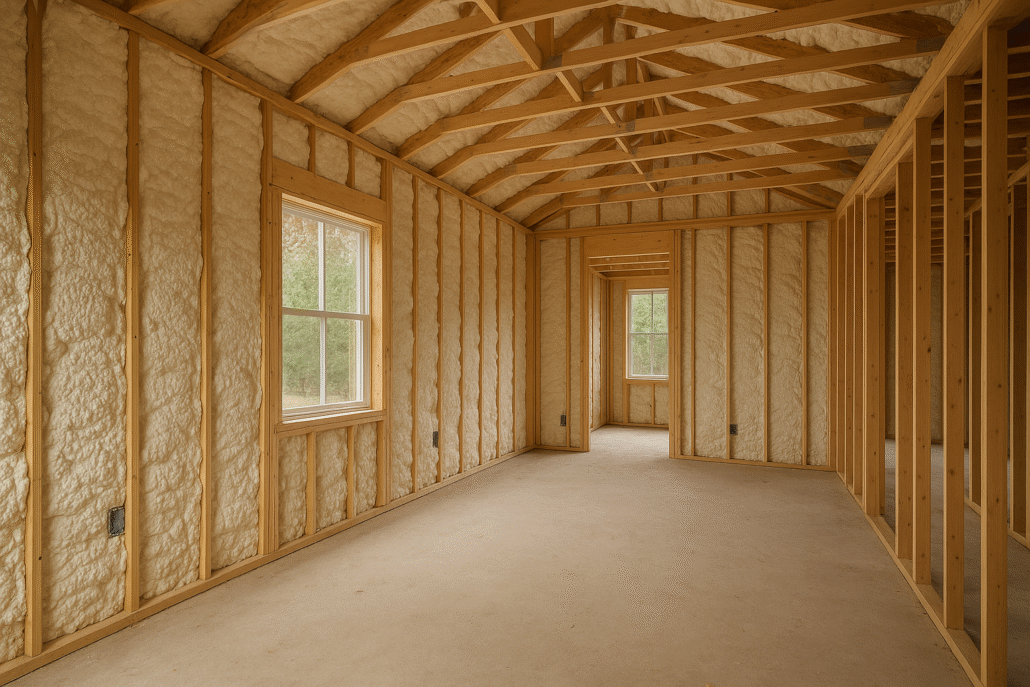
Having an insulation ready surface means every square inch to be sprayed is dry, cleaned, and structurally sound. Professionals check for:
- Dampness or visible mold (which should be addressed before spray foam is added)
- Lose paint or flaking concrete, which can be scraped away
- Exposed wiring—wires need to be secured and up to code
Skipping these steps may mean future repairs, moisture issues, or poor insulation performance. Always insist on an insulation-ready surface for your basement.
Why Professional Setup Matters
Choosing a professional setup team for your basement spray foam isn’t just about speed. It’s about safety and quality. Certified installers use protective gear and industry-grade sprayers, which deliver more even coverage than DIY kits. They also know how to spot tricky problem areas—for instance, hidden cracks or places where pipes and wires intersect the walls. This level of care, combined with years of hands-on experience, gives your project the best chance for energy savings and lasting performance.
Over 90% of spray foam failures trace back to poor prep or installation. That’s why a professional setup always pays off in the long run.
Step-by-Step Guide: Getting Your Basement Ready
- Clear the Room: Move furniture, boxes, and decorations away from spray zones. Cover anything that can’t be moved with plastic sheeting.
- Check for Leaks: Look for wet spots on the floors and walls. Fix leaking pipes or foundation cracks first.
- Surface Cleaning: Sweep, vacuum, and wipe down all surfaces that will get foam—down to the exposed studs and concrete.
- Seal Openings: Mask off doors, windows, and vents to stop overspray from spreading.
- Prep Utilities: Notify your installer about unusual wiring, gas lines, or vents so they can work safely around them.
- Review Safety: Discuss ventilation if you plan to be home during or after installation. Most projects need 24–48 hours to fully cure.
Following these steps makes your basement truly insulation-ready while saving you time and reducing future headaches.
Interesting FAQ :
Frequently Asked Questions
- How long does it take for spray foam insulation to cure in a basement?
Most spray foam products harden within minutes, but good airflow is needed for a safe cure, so most basements are ready to use in 1–2 days. - Does every basement need open cell or closed cell spray foam?
Closed cell is best for Calgary basements because of its moisture barrier, but your contractor may recommend open cell for areas above ground or in less humid conditions. - Can spray foam be installed over existing insulation?
Insulation ready surfaces require all loose or failing insulation to be removed first. Spray foam needs a solid, clean surface to work properly. - Will cracks in my foundation affect spray foam?
Yes—cracks should be repaired as part of pre-install prep before any spray foam is applied to prevent air and moisture issues later on. - Do I need to leave my home during spray foam installation?
For larger basement jobs, it’s safer to avoid the space for 24 hours while the insulation cures.
Conclusion
With thorough home preparation, insulation ready surfaces, and a professional setup, your basement can benefit from spray foam for decades to come. Whether your project is big or small, working with trusted experts makes all the difference. To learn more and view our other blogs, click here.

