Home Envelope Solutions for Calgary

Introduction

When winter hits Calgary, keeping your home warm and energy efficient becomes a top priority. That’s where home envelope solutions, like airtight construction and the right thermal envelope, come in. White Knight Contracting brings years of experience helping Calgarians address the challenges of harsh winters and modern building standards.

Table of Contents

A Brief History of Home Envelope Solutions in Calgary

Building envelope concepts have always played a key role in Calgary’s housing evolution. Decades ago, most homes relied on basic insulation and loose-fitting materials, with little attention paid to energy efficiency or airtight construction. As energy prices climbed and winters continued to challenge homeowners, the focus shifted toward more advanced solutions.

By the 1980s and 90s, builders in Calgary started exploring better air barriers and the concept of a “thermal envelope.” This meant more layers, tighter seals, and specialized products to trap warmth inside homes. The building codes grew stricter, and smart homeowners began prioritizing professional envelope upgrades. Today, home envelope solutions are an essential part of any quality renovation, giving homes the ability to stand up to Calgary’s freezing temperatures and biting winds.

Modern buildings in Calgary are expected to be warmer, drier, and more efficient than ever before. This is largely thanks to ongoing innovations in building envelope and thermal envelope technology. The biggest current trend is airtight construction, which uses advanced sealing techniques to prevent warm air from leaking out and cold air from sneaking in.

Other standout trends include:

  • High-performance insulation materials such as spray foam and rigid foam panels
  • Continuous air barrier systems with seamless application
  • Integrated siding and envelope repairs in one project, handled by expert contractors
  • Bigger focus on energy audits and thermal imaging to find and fix weak spots

Calgary homeowners are also increasingly choosing renovation partners who can handle the entire building envelope—from siding to attic insulation—without hiring multiple subcontractors.

Challenges With Air Barriers and Airtight Construction in Calgary Winters

Applying advanced home envelope solutions in Calgary isn’t without challenges. Our region faces frigid winter temperatures, ice build-up, and quick weather changes, making it a tough testing ground for the latest building envelope systems.

Common hurdles include:

  • Finding and eliminating hidden leaks in older homes
  • Preventing condensation, moisture traps, or mould inside sealed cavities
  • Safeguarding against cold bridging—where heat escapes through studs or joists
  • Choosing the right air barrier for Calgary’s unique freeze-thaw cycles

Professional contractors in Calgary recommend thorough inspections combined with a multi-layered approach, ensuring your building envelope stands up to every winter blast. If your home feels drafty even after upgrades, a specialist can use thermal cameras and pressure tests to pinpoint where your energy is escaping.

Future Prospects for Building Envelope Solutions

The future of home envelopes in Calgary is all about smarter, greener, and more durable materials. Expect to see even tighter airtight construction, clever integrated air barrier membranes, and highly efficient thermal envelope designs that work seamlessly with next-generation heating systems.

Key trends on the horizon:

  • Eco-friendly insulation solutions with recycled content
  • Building envelopes designed for net-zero energy homes
  • Automated sensors monitoring air quality and envelope integrity in real time
  • More options for one-stop upgrades—including siding, insulation, and moisture barriers managed by the same contractor

Staying ahead in Calgary’s market means investing in lasting, resilient envelope solutions that enhance both comfort and resale value. Homeowners and builders are working closely to design homes that meet—and often exceed—tomorrow’s standards.

Step-by-Step: Upgrading Your Calgary Home Envelope

Ready to protect your home against winter? Here’s how Calgary homeowners can approach building envelope improvements:

  1. Schedule a professional energy audit to scan for leaks and cold spots.
  2. Assess current insulation levels, air barrier effectiveness, and vapor control methods.
  3. Work with a contractor experienced in airtight construction—ideally a team that can also repair or replace siding, like White Knight Contracting.
  4. Choose modern thermal envelope materials tailored to Calgary’s winter challenges.
  5. Upgrade doors, windows, and attic insulation for a truly complete envelope.
  6. Re-test and monitor results each season, taking steps to maintain your investment.

Combining these upgrades creates a truly comfortable, energy-smart home built for Calgary winters.

Interesting FAQ

Accufoam showcases high-performance spray foam insulation products.

  • What is a building envelope?
    A building envelope refers to the physical barrier between the interior and exterior of a home—walls, roof, windows, doors, insulation, and air barriers. It prevents heat, air, and moisture transfer, especially important in Calgary’s climate.
  • How does airtight construction save money?
    Airtight construction keeps warm air inside during winter and reduces drafts, lowering your heating bills and making your home more comfortable year-round.
  • Do I need to upgrade both insulation and my air barrier?
    Yes. Insulation alone isn’t enough—an air barrier is also needed to stop leaks and moisture, ensuring your thermal envelope works at its maximum efficiency.
  • Can envelope improvements be done in winter?
    Many upgrades can be done year-round! In fact, cold weather can make leaks more obvious and repairs even more urgent.
  • What makes White Knight Contracting unique?
    They’ve been in business since 2011 and can handle everything from airtight construction to siding—so you won’t need to hire multiple contractors.

Contact White Knight Contracting

To learn more and view our other blogs, click here.

Home Envelope Solutions for Calgary

Introduction

Winter in Calgary brings unique challenges for homeowners looking to improve their building envelope. Your home’s thermal envelope plays a vital role, especially when you want to keep out the cold. Seasoned Calgary homeowners and builders know the demand for airtight construction and reliable air barriers isn’t just a trend — it’s a necessity. At White Knight Contracting, there’s a deep understanding of what a solid home envelope means for year-round comfort and energy savings.

Table of Contents

A Brief History of the Building Envelope in Calgary

The concept of a building envelope has evolved alongside Calgary’s rapid growth and harsh winter conditions. Early homes featured thick brick or wood walls, relying on sheer mass for insulation. Over time, energy prices rose and so did expectations: homeowners began demanding more efficient air barrier solutions to minimize leaks and drafts. The thermal envelope became the line of defense against heat loss, integrating new products and weather-resistant designs to keep up with changing technology and building codes.

Calgary’s winters have long demanded more than just old-fashioned construction. As people became more conscious of energy costs, solutions like vapor barriers, upgraded siding, and airtight construction emerged. It’s about keeping the cold air out and the warmth in, no matter how icy it gets outside.

Recently, there’s been a shift toward complete, multi-layered home envelopes. Homeowners ask for retrofit projects that upgrade insulation and focus on comprehensive air barriers. Advanced house wraps, high-performance spray foams, and precision window installations help create nearly airtight buildings that excel at holding heat through the winter.

Key trends include:

  • Continuous exterior insulation to cut down on thermal bridging
  • Blower door testing for pinpointing where building envelope upgrades are needed
  • Eco-friendly spray foam that doubles as both a thermal envelope and air barrier
  • Integrated siding and envelope upgrades — handled by experienced contractors in one go

Today’s Calgary homeowner wants a solution that doesn’t just meet code, but maximizes indoor comfort, longevity, and small monthly bills.

Common Challenges with Calgary’s Winter

Even the best envelopes face challenges during a Calgary winter. The bitter cold finds its way through small gaps, and temperature swings can cause ice dams or unwanted condensation in attics. Without a proper air barrier, warm indoor air escapes through cracks, quickly raising heating costs.

Humidity levels need managing too. Moisture trapped inside walls leads to mold and reduced insulation value. Finding a sweet spot with airtight construction and managed ventilation prevents this. Often, homes built before strict energy codes are the most vulnerable. An experienced contractor can perform detailed audits, revealing where extra insulation, sealing, or upgraded materials make the biggest difference.

Thermal Envelope Materials and Methods

Several materials are common in a Calgary building envelope:

  • Rigid foam board: High R-value and moisture resistance for walls or basements
  • Spray foam insulation: Expands to seal gaps, forming a continuous air barrier
  • House wrap: Water and air resistance beneath siding
  • Caulks and sealants: Fill joints around windows, doors, and foundations

A quality thermal envelope uses layers — insulation works only if air can’t leak around it. Windows and doors should receive extra attention, with proper flashing and weatherstripping. When adjusting siding, a contractor like White Knight Contracting can handle all upgrades without needing to hire multiple trades.

The combination of these materials, installed in the right order, helps ensure your building envelope is ready for even the coldest Calgary winter.

Step-by-Step: Improving Your Building Envelope

Thinking about a winter project? Here’s what to expect:

  • Audit and assessment: A blower door test and a visual inspection find trouble spots in your thermal envelope.
  • Material selection: Choose spray foam, rigid board, or a hybrid plan based on your home’s design and goals.
  • Sealing up: Install or upgrade all air barriers, including sealing joints, outlets, and penetrations.
  • Insulation upgrades: Add or replace insulation to boost R-values and reduce thermal bridges.
  • Final checks: Contractors ensure that each layer is continuous and all work meets modern airtight construction standards.

In Calgary’s winter, the right team works quickly and safely, keeping your house warm even as upgrades are completed. Since White Knight Contracting has been handling home exteriors and building envelope solutions since 2011, they have the experience to manage complex jobs, including new siding installation if needed.

Future Prospects for Airtight Construction

Calgary is building toward net-zero energy use, and modern airtight construction will play a bigger part in future codes. Expect more emphasis on smart controls, sensors, and membranes that balance airtightness with proper fresh air supply. There’s a shift toward using recycled and renewable materials for future thermal envelope systems.

Energy costs likely won’t drop, so homeowners who invest in high-performance envelopes will see real long-term returns. Contractors keep learning — adopting the best global techniques while keeping it practical for tough prairie winters.

Interesting FAQ

Accufoam showcases high-performance spray foam insulation products.

  • What is a building envelope? It’s everything that separates the inside of your home from Calgary’s winter weather: walls, windows, roof, air barriers, insulation, and more.
  • How does an air barrier differ from a vapor barrier? Air barriers stop drafts and air leaks; vapor barriers stop moisture from passing through walls.
  • Why does airtight construction matter in winter? The more airtight your home, the less warm air escapes — this means lower energy bills and no cold drafts.
  • Can I upgrade my house’s building envelope in winter? Yes! Specialized contractors use techniques and products that work safely year-round.
  • How do I know if I need a new thermal envelope or air barrier? If you notice high bills, cold spots, or ice dams, it’s worth getting a professional assessment.

Contact and Our Location

To learn more and view our other blogs, click here.
Winter Spray Foam Installation Tips

Winter Spray Foam Installation Tips: Navigating the Barrier of Cold Weather with Success

When winter arrives, a reliable barrier is vital for stopping the chill from creeping into your home. For many Albertans, winter insulation tips become a top priority, especially for homeowners considering spray foam insulation. At White Knight Contracting, we’ve seen firsthand how proper preparation and strategy lead to winter energy savings and keep homes comfortable through the frostiest months.

Table of Contents

History of Spray Foam in Cold Climates

Spray foam insulation has evolved into a standard solution for barriers against harsh winters. Decades ago, homeowners often layered fiberglass or cellulose insulation in hopes of staying warm, but these materials struggled when faced with Alberta’s bone-chilling wind. As energy costs climbed and the need for winter energy savings became clear, spray foam—especially closed-cell—gained popularity for its moisture resistance and seamless application.

Cold weather foam use began in the 1980s, but early products sometimes failed when temperatures dropped too low. Today’s formulations, however, can handle challenging installations at temperatures well below freezing. Industry leaders recognized that the barrier created by spray foam isn’t just about heat retention—it’s about preventing ice dams, moisture buildup, and long-term structural damage.

Modern spray foam technology uses chemicals that react rapidly, even in the cold, leading to faster installations and better winter energy savings. Homeowners now choose closed-cell foam for its superior air and vapor barrier, which is especially important during deep freezes. Builders look for winter insulation tips that focus on:

  • Proper substrate temperatures (keeping surfaces above -5°C when possible)
  • Quick application to minimize exposure
  • Sealing critical points like rim joists, attics, and crawlspaces
  • Using heaters or tents around work areas for extreme jobs
  • Innovative spraying rigs with built-in heaters

The barrier against cold is more than just foam—it’s a strategy. By combining correct materials, techniques, and timing, today’s contractors maximize both energy savings and comfort.

Challenging Installations in Cold Weather

Challenging installations are common when spraying foam during Alberta winters. The biggest barrier is temperature. Below -10°C, chemical reactions can slow down or the foam may not adhere properly. Wind and humidity add complications, often demanding special equipment and extra time. Here’s what sets a successful installation apart:

  • Careful weather monitoring before and during the project
  • Pre-heating both chemicals and application equipment to ensure a smooth mixture
  • Staging materials indoors or in heated trailers
  • Allowing sufficient cure time before exposing foam to the elements

Another challenge is safety. Winter insulation tips always include good ventilation and proper protective gear, as fumes are more concentrated in sealed winter spaces. With experience and the right approach, White Knight Contracting can overcome these barriers, providing durable solutions without leaving gaps or cold spots.

Step-by-Step Guide: Cold Weather Foam Application

Applying spray foam in winter involves a careful process to break through the cold barrier and achieve top winter energy savings. Here’s how a professional typically tackles challenging installations:

  1. Inspect the site, checking for moisture, debris, or ice on surfaces to be foamed.
  2. Seal any obvious air leaks with caulking or foam board for an added barrier.
  3. Set up heater or tenting if outside temperatures are dangerously low. Maintain proper temperature for chemicals (ideally 21°C).
  4. Spray a thin “flash coat” to test adhesion and product reaction.
  5. Apply foam in layers, allowing proper expansion and curing between passes.
  6. Inspect finished work for consistency, adhesion, and complete barrier coverage.

After installation, the area should be ventilated well while the foam cures. Challenging installations handled correctly result in tighter, warmer, and safer homes.

Future Prospects for Winter Energy Savings

Looking ahead, new developments in cold weather foam science promise even better results for tough Canadian seasons. Manufacturers are designing products that can handle -18°C applications, improving the reliability of winter insulation tips. Digital monitoring of chemical temperatures and application rates is also making the process more precise. The future of spray foam in challenging installations rests on:

  • More eco-friendly, low-VOC formulations
  • Better portable heating equipment
  • Improved barrier-testing technology to ensure full coverage
  • Automated or robotic sprayers for tight or risky areas

Reliable insulation in winter isn’t just about staying warm—it’s about saving on energy bills and prolonging your home’s life. For over a decade, White Knight Contracting has stayed ahead of trends, offering trustworthy advice and top-quality results.

Interesting FAQ

Pinnacle West specializes in spray foam and protective coatings for building envelopes.

  • What is the best barrier against winter cold in Alberta homes?
    Closed-cell spray foam creates an effective air and vapor barrier, outperforming fiberglass or cellulose insulation in cold climates.
  • Can spray foam insulation be applied below freezing?
    • Yes, but it requires special techniques: pre-heating chemicals, tenting work areas, and monitoring substrate temperature are key winter insulation tips for success.
  • How does cold weather foam improve winter energy savings?
    • By stopping drafts and sealing every crevice, spray foam keeps warm air in and cold air out. This reduces heating bills and makes your home more comfortable.
  • Can spray foam lead to challenging installations?
    • Absolutely. Winter spray foam projects demand experience and planning, but trusted pros like White Knight Contracting have the know-how to manage all aspects, including siding and other upgrades if needed.
  • How soon can you re-enter your home after winter spray foam installation?
    • Typically, it’s safe after 24 hours—ventilation and cure rates may vary with temperature.

Our Location

Explore More on Moisture Barriers

To learn more and view our other blogs, click here.
Closed-cell Foam as Vapor Barrier

Understanding Closed-cell Foam as Vapor Barrier for HVAC and Moisture Control

If you care about efficient hvac systems and a healthy indoor environment, understanding vapor barrier foam like closed-cell foam is essential. By protecting homes and commercial buildings from moisture problems, closed cell vapor control solutions provide unmatched damp proofing. For property owners who want effective insulation, White Knight Contracting has been making a difference in Calgary since 2011.

Table of Contents

The Evolution of Vapor Barrier Foam in Construction

Historically, protecting buildings from moisture damage used layers of materials like polyethylene sheets. These solutions often trapped water within walls, leading to mold or rot—bad news for both hvac performance and indoor air quality. The introduction of closed-cell foam, a type of vapor barrier foam, completely changed the game in building science.

Closed-cell spray foam acts as both an insulator and a moisture control foam. It forms a rigid barrier that not only blocks air leaks but also resists water vapor passing through wall assemblies. Developed in the late 20th century, these high-performance foams quickly found favor among builders who wanted better damp proofing and longer-lasting insulation.

Advantages of Closed-cell Foam as a Vapor Barrier

Closed-cell foam was designed specifically to tackle issues that plagued earlier vapor barrier methods. Here’s why it stands out:

  • Dual Protection: Seamlessly handles both thermal insulation and vapor control, reducing separate installation steps.
  • Rigid and Dense: Its dense cell structure repels water if flooding or leaks occur—an essential quality for effective damp proofing.
  • Improved HVAC Efficiency: By minimizing air leaks, it helps hvac systems maintain even temperatures and reduce energy waste.
  • Mold Resistance: Blocks the humidity and condensation that lead to structural decay and unhealthy indoor environments.
  • Space Saving: Delivers high R-value per inch, so you get strong vapor barrier performance without bulky layers.

Research shows that buildings insulated with closed-cell vapor control foam can have up to 30% less energy loss than those insulated using older materials. That means noticeable savings on heating and cooling bills and a longer lifespan for your hvac system.

Challenges and Solutions in Moisture Control Foam Installation

While closed-cell foam offers powerful benefits, installation brings its own set of challenges. One common concern is cost—it’s generally more expensive up front than fiberglass batts or open-cell foams. Also, applying spray foam requires training and careful handling of equipment under controlled conditions.

To avoid issues like overspray, missed spots, or improper curing, hire experienced installers. Companies like White Knight Contracting, with over a decade of expertise, understand vapor barrier foam dynamics and follow industry best practices.

  • Preparation: Surfaces must be dry, clean, and free from contaminants to ensure a reliable airtight seal.
  • Thickness Checks: Installers should monitor the thickness throughout application to optimize both insulation and vapor control.
  • Ventilation: Adequate building ventilation helps the foam cure correctly and prevents the buildup of fumes during installation.

When done right, closed cell vapor control solutions outperform traditional materials—especially in extreme Canadian climates where moisture is a constant challenge.

Real-World Applications of Closed-cell Vapor Control

Imagine a newly finished basement that feels just as dry in April as it does in November. Homeowners who use closed-cell foam as a vapor barrier report fewer musty odors, less humidity, and even quieter rooms (thanks to its sound-dampening qualities).

Commercial and multifamily buildings benefit from improved hvac efficiency and reduced risk of mold litigation. School renovations across Alberta have favored moisture control foam to meet strict air quality and energy codes.

Energy audits back this up: properties using vapor barrier foam in their wall assemblies consistently outperform others—by as much as 25% in standardized testing for overall energy savings and damp proofing.

Future Prospects of Damp Proofing and HVAC Efficiency

As building codes evolve, the demand for resilient vapor barriers will only grow. Closed-cell foam is at the forefront, with new formulas offering lower emissions and faster curing times while maintaining superior vapor control.

Emerging trends include:

  • Smart Sensors: Integration with building automation to monitor and control indoor humidity.
  • Greener Products: Innovations in bio-based materials reduce environmental impact without compromising on performance.
  • Expanded Retrofits: Flexible installation techniques allow more old homes to benefit from closed-cell vapor control technology.

Whether the focus is on cutting energy bills or protecting a home’s structure, the future looks bright for robust, efficient damp proofing solutions tied directly to high-performing hvac systems.

Interesting FAQ :

Spray Foam Insider provides insights into spray foam equipment and industry trends.

Q: Does closed-cell foam completely stop moisture?
While closed-cell foam is a top-tier vapor barrier, no material stops 100% of moisture. It dramatically slows vapor transmission to prevent typical damp problems.

Q: Is vapor barrier foam necessary if I already have insulation?
Traditional insulation doesn’t always address moisture migration. Closed-cell vapor control adds a second layer of protection, helping your hvac run smoother and your building last longer.

Q: Can closed-cell foam be used in older homes?
Yes! Many retrofit projects incorporate closed-cell foam for both insulation and damp proofing, especially during major renovations or energy updates.

Q: What makes White Knight Contracting a reliable choice for installation?
With roots back to 2011, White Knight Contracting can handle not only spray foam, but also other services like siding—so you won’t need to hire a separate contractor for related projects.

Contact and Location

To learn more and view our other blogs, click here.
HVAC Cost Reduction With Insulation

Introduction

If you’re planning a home upgrade, understanding how insulation impacts HVAC cost reduction is crucial. The right upgrade can not only deliver big HVAC savings, but also improve your comfort and reduce heating cooling costs every month. White Knight Contracting has been leading the way in these energy-saving solutions for over a decade, helping homeowners optimize foam insulation HVAC and boost system efficiency with expert care.

Table of Contents

A Quick Look at Insulation History & Early HVAC Practices

Insulation has transformed dramatically over the decades. Early homes relied on natural materials like straw, horsehair, and sawdust for basic temperature control, but these offered little real efficiency for HVAC systems. As forced air furnaces and air conditioning became common, so did the need for better home insulation.

The birth of fiberglass batts in the 1930s marked a breakthrough—suddenly, people could truly contain the warmth in winter and keep cool air from escaping in summer. However, early products didn’t always address air leaks, meaning heating cooling costs could still soar.

The integration of modern foam insulation HVAC solutions changed the game completely. Not only did this upgrade seal tiny cracks, but it also improved overall system efficiency, unlocking new levels of HVAC savings for homeowners everywhere.

Today, spray foam and rigid foam board insulation are among the fastest growing upgrades for residential buildings. What makes them so effective? They stop unwanted airflow better than almost any traditional material, ensuring that the heated or cooled air produced by your system stays exactly where it should.

Here are key trends boosting HVAC cost reduction lately:

  • Whole-home energy audits: Homeowners use infrared cameras and blower tests to spot efficiency gaps.
  • Sealing attic and basement spaces for even bigger HVAC savings.
  • Using foam insulation HVAC products to block drafts and thermal bridges.
  • Pairing insulation upgrades with smart thermostats and energy-efficient HVAC units for maximum system performance.

With rising energy bills, these upgrades not only pay for themselves but also add lasting value to your house.

Challenges in Achieving Maximum HVAC Savings

Even with today’s materials, reaching true HVAC cost reduction isn’t always simple. Some common obstacles include:

  • Poor installation techniques that leave gaps or compress insulation.
  • Old homes with uneven spaces or hard-to-access corners.
  • Confusion about which foam insulation HVAC product is right for each area—closed-cell, open-cell, or rigid board?

Professional installers overcome these problems by carefully matching products to their environment and taking the time to ensure every seam is sealed. Homeowners who try to DIY insulation upgrades sometimes miss these details, which can reduce system efficiency and lead to higher heating cooling costs down the road.

The Future of Heating Cooling Costs: What’s Next?

The future of insulation in HVAC savings is bright. Manufacturers are developing smart insulation—not just materials, but systems that can adapt to temperature and humidity changes in real time. Imagine insulation that “remembers” your comfort settings and adjusts its thermal resistance throughout the year!

More homeowners are also taking advantage of rebates and tax incentives for foam insulation HVAC upgrades. Industry experts, like those at the U.S. Department of Energy, predict that as much as 40% of total home energy waste comes from air leaks and poor insulation. Addressing these issues could mean hundreds in annual HVAC cost reduction for the average Canadian household.

Step-by-Step Guide: Upgrading Insulation for Better System Efficiency

Ready to improve system efficiency and slash your heating cooling costs? Here’s how to get started:

  1. Schedule an energy audit to spot trouble zones in your attic, walls, and basement.
  2. Discuss foam insulation HVAC options with a trusted contractor—closed-cell foam works well in basements, while open-cell is great for attics.
  3. Seal all cracks and gaps before installing new insulation for peak HVAC savings.
  4. Upgrade your insulation thickness to at least R-50 in attics for the Alberta climate, per current building codes.
  5. After the upgrade, test your home’s air tightness. You should feel immediate improvement in comfort and notice system efficiency gains in your next utility bill.

With insulation upgrades, you may also add extra attic ventilation, which helps prevent ice dams and boosts long-term foam insulation HVAC value.

Comparing Insulation Options and HVAC Results

Not all insulation products are created equal. Here’s how some common choices stack up in terms of HVAC cost reduction:

  • Fiberglass Batts: Inexpensive but easy to install incorrectly, leaving gaps that reduce system efficiency.
  • Cellulose: Made from recycled newspaper, it adds green value but can settle over time, opening air leaks.
  • Foam Board: Excellent for foundation walls and exterior upgrades; provides a solid barrier to both air and moisture.
  • Spray Foam: Arguably the best for complete air sealing, delivering exceptional heating cooling costs reduction and supporting whole-home HVAC savings.

Studies show that homes with foam insulation HVAC upgrades report up to 30% lower energy bills compared to homes using old fiberglass or cellulose methods. That’s a result every homeowner can appreciate!

Interesting FAQ

Johns Manville details residential spray foam insulation products and applications. Learn more here.

  • How does insulation help lower my HVAC bills?
    Insulation reduces air leaks and heat transfer, allowing your system to work less, which directly cuts heating cooling costs.
  • What’s the lifespan of spray foam insulation?
  • Can I upgrade insulation without replacing my existing HVAC unit?
  • Are there any rebates for foam insulation HVAC upgrades in Alberta?
  • Besides insulation, what other projects can White Knight Contracting handle?

Conclusion

Upgrading your insulation is one of the best steps you can take to improve HVAC system efficiency and secure real HVAC cost reduction for years to come. With White Knight Contracting’s experience since 2011 and versatile approach (they even do siding!), your home upgrade is in expert hands. To learn more and view our other blogs, click here.
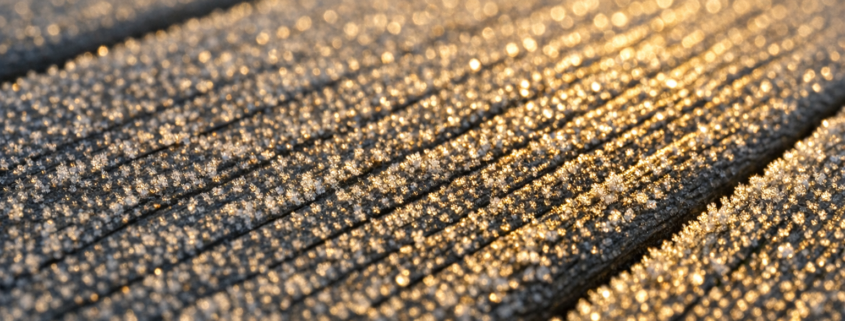
Boost Wall Insulation Using Spray Foam

Introduction

When it comes to upgrading the walls in your home, choosing the right wall insulation is key for comfort and energy efficiency. White Knight Contracting has been helping Canadian homeowners achieve warmth and savings since 2011 and brings both experience and versatility to every project, making sure you get trusted results for your wall insulation needs.

Table of Contents

A Brief History of Wall Insulation

Walls have always served to keep us comfortable, but the idea of wall insulation is only a few generations old. In the past, builders relied on bulky materials like sawdust, straw, or whatever was at hand to fill gaps. This primitive method barely kept the cold out! The concept of cavity insulation—filling that empty space inside walls with something more effective—really took off in the mid-20th century. As energy costs rose, so did the push for enhanced thermal protection walls. Over the years, technology improved. Batt fiberglass and blown-in cellulose became familiar sights. Even though these solutions helped, they often left small gaps and suffered from settling, which meant drafty rooms and wasted heat.

Today, spray foam is at the forefront of wall insulation trends. It’s more than popular hype—there’s real data behind the shift. According to studies, spray foam can reduce home heating and cooling costs by up to 50% due to its air-tight seal and high R-value. Modern building codes now favor products that deliver superior thermal protection walls, addressing both energy waste and comfort gaps.

Many homeowners opt for spray foam because it adds structural strength while acting as a moisture barrier. It expands to fill every nook, unlike batt or blanket insulation that can leave voids. New products also tackle safety and sustainability, with low-VOC formulas making indoor air quality safer than ever before. This means families get warm, cozy spaces with minimal environmental impact.

Overcoming Common Challenges in Wall Insulation

No wall insulation method is perfect—there are always a few hurdles to address. With older homes, accessing wall cavities can mean drilling holes or removing sections of drywall. Existing wiring and plumbing also need expert attention to avoid accidental damage. Homeowners worry about moisture build-up, but quality cavity insulation like spray foam helps keep water out, reducing the risk of mold or rotted studs.

Spray foam in walls requires professional installation to ensure even coverage and proper curing. Trusted contractors use specialized gear, maintain safety protocols, and understand how to apply foam around obstacles. This careful approach means the benefits—total home comfort, long-term savings, and peace of mind—far outweigh the upfront hassle.

A Step-By-Step Look: Boosting Wall Insulation with Spray Foam

If you’re curious about what happens during a spray foam upgrade for your wall insulation, here’s what you can expect:

  • A certified technician arrives to assess your walls and spot any concerns.
  • Small holes are drilled between each wall stud for targeted cavity access.
  • Spray foam is carefully injected, filling gaps, seams, and corners completely.
  • The foam rapidly expands and hardens, providing instant thermal protection to walls and sealing out drafts.
  • Holes are patched, and the work area is cleaned—usually done in just one day.

This process ensures every inch of your wall cavity is filled, maximizing insulation performance and eliminating hidden trouble spots.

Comparing Foam In Walls vs. Traditional Insulation Methods

How does spray foam stack up against the classics for wall insulation? Here’s a side-by-side:

  • Fiberglass batts: Inexpensive, easy to install—but can sag, compress, or leave gaps over time, affecting the overall R-value and allowing thermal bridging.
  • Cellulose: Made from recycled materials, it’s eco-friendly but can settle within the wall cavity, reducing coverage and effectiveness after several years.
  • Spray foam: Superior air and moisture barrier, immediate expansion for custom-fit cavity insulation. Provides the highest R-value per inch (around R-6.5), making it ideal for thermal protection walls and reducing energy waste dramatically.

Spray foam’s performance makes it the preferred choice for boosting comfort, lowering bills, and protecting your home against weather extremes.

Future Prospects: What’s Next for Cavity Insulation and Wall Protection?

As homeowners and builders aim for net-zero energy goals, the future of wall insulation looks even brighter. New bio-based foams and recycled materials are emerging for cavity insulation, making spray foam in walls increasingly sustainable. Smart sensors are now being embedded in thermal protection walls to monitor temperature, humidity, and air leaks, providing real-time efficiency updates.

Regulation is also pushing the industry to new heights. Building codes continue to demand higher R-values and better air sealing. This means spray foam technologies will keep evolving for higher performance, longer life, and even better indoor air quality. The future of wall insulation is smarter, greener, and more cost-effective than ever!

Interesting FAQ

The Spray Polyurethane Foam Alliance (SPFA) website is a hub for industry standards and education.

  • Can spray foam be installed in existing walls without taking down drywall?
    Yes, spray foam can be injected through small holes drilled between the studs, then patched and painted for a seamless finish.
  • How long does spray foam cavity insulation last?
    Spray foam in walls can last as long as the house itself—often 80+ years—without settling or losing its R-value.
  • Does spray foam help with noise reduction?
    Absolutely. Spray foam insulation adds mass and air-tightness, helping dampen sound transmission between rooms and from outside.
  • Is spray foam insulation safe for my family and pets?
    Once cured, spray foam is non-toxic. Expert installation ensures proper ventilation during application for your safety and peace of mind.
  • Can White Knight Contracting handle other improvements along with wall insulation?
    Yes, White Knight Contracting can tackle a range of projects like siding, so you don’t have to hire separate contractors.

Conclusion

Upgrading wall insulation with modern spray foam is one of the best ways to secure energy savings, comfort, and durability for your home. Whether you want full cavity insulation, superior thermal protection walls, or a solution for tricky old structures, expert help makes the difference. To learn more and view our other blogs, click here.
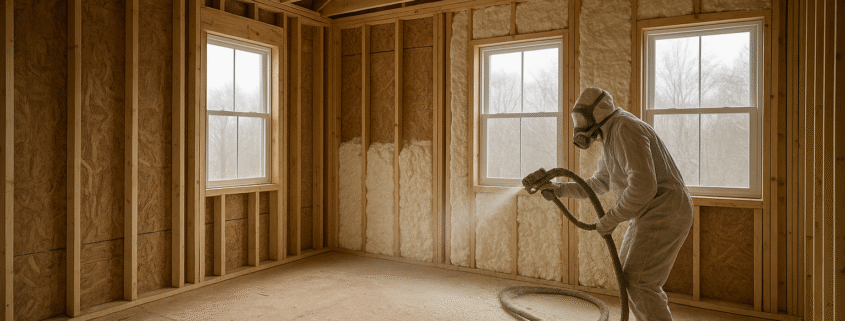
Spray Foam Cost Explained Simply

Introduction

The cost of spray foam insulation is a common question for homeowners looking to improve energy efficiency and comfort. At White Knight Contracting, we know that understanding insulation cost and spray foam pricing helps you make decisions that fit your home and budget. Let’s break down what you really pay for, the long-term benefits, and how your investment pays off with energy savings.

Table of Contents

History of Spray Foam Cost

Spray foam insulation first appeared in the 1970s as a high-performance option for commercial and industrial buildings. Back then, the insulation cost was quite high due to limited access and specialized equipment. Only large projects could justify the investment. Over the decades, as the technology became more popular and materials improved, spray foam pricing dropped. Now, it’s accessible for almost any residential property. Today, more people choose it over traditional insulation because of its superior air sealing, higher R-values, and lower maintenance needs. This history explains why initial spray foam cost was steep but is now a smart choice for modern homeowners.

Recently, the demand for energy efficiency has made spray foam more popular than ever. Most homeowners notice that upfront spray foam pricing seems higher than fiberglass or cellulose. However, the trend shows that long-term energy savings often outweigh the initial payment. Manufacturing advances and more trained installers have also helped to keep insulation cost relatively stable, even with inflation. On average in Canada, you can expect to pay $3 to $7 per square foot for closed-cell spray foam or $2 to $4 for open-cell, depending on project size and application depth.

Factors That Affect Insulation Cost

Several elements influence spray foam pricing for your home. Knowing what impacts your insulation investment can help you budget and plan:

  • Home size and insulation area: Larger zones cost more overall, but cost per square foot may drop with volume.
  • Type of foam: Closed-cell foam is denser, more water-resistant, and pricier, while open-cell is lighter and often used for interiors.
  • Accessibility: Attics, crawl spaces, and walls may have unique installation needs, impacting labor and material rates.
  • Existing insulation removal: Some homes need old insulation out before new spray foam can be applied, adding labor cost.
  • Regional climate: In Alberta, insulation cost might differ from Canada’s average, especially with cold winters and changing building codes.
  • Contractor expertise: Working with an established team, in business since 2011, means accurate spray foam pricing and smooth service.

Spray Foam vs. Other Types of Insulation

It’s important to compare your insulation investment against other choices. Here’s how spray foam stands out from fiberglass and cellulose:

  • Durability: Spray foam lasts for decades without sagging or settling.
  • Airtight seal: Foam conforms to gaps and cracks, while batts can leave air leaks.
  • Moisture resistance: Closed-cell spray foam can even help deter mold growth.
  • Energy savings estimate: The reduction in drafts usually leads to 20–50% lower heating and cooling bills annually.
  • Return on investment: Though the upfront insulation cost is higher, savings stack up much faster with spray foam, especially in colder climates.

How Spray Foam Leads to Energy Savings (Estimate)

Beyond the initial cost, your insulation investment should deliver real value each month. Spray foam’s efficiency is measured in “R-value,” or how well it resists heat flow. Closed-cell spray foam has an R-value of about 6–7 per inch, which is higher than most types of insulation. That superior rating translates to reduced heat loss in winter and less cool air escaping in summer.

Let’s look at a simple example: If you insulate a standard 1,500-square-foot home, you might save $700–$1,200 per year in energy costs. That means your spray foam investment could pay for itself in less than a decade—and last up to 30 years or more.

Step-by-Step: What to Expect for Your Insulation Investment

Wondering what happens during a spray foam project? Here’s what you can expect from start to finish:

  • Consultation and site assessment: An expert inspects your home and discusses insulation cost estimates.
  • Quote and contract: You receive transparent spray foam pricing, including removal of old insulation if needed.
  • Prep and safety: Areas not being sprayed are protected, and proper ventilation is set up.
  • Application: Foam is sprayed to recommended thickness, creating a seamless barrier.
  • Cure and inspection: The foam sets, and technicians confirm proper coverage and safety.
  • Cleanup and walkthrough: Your space is cleaned up and a final review ensures satisfaction.

Future Prospects: Spray Foam Pricing and Value

The future looks strong for spray foam insulation. With building codes tightening and energy costs rising, more households are looking for every advantage. As manufacturing continues to get more efficient and installers become even better trained, it’s likely insulation cost will remain stable, while performance keeps improving. Smart homeowners see spray foam not just as an expense, but as a true investment in property value, comfort, and energy efficiency.

More companies, like White Knight Contracting, are also able to bundle related upgrades, such as siding or attic remodeling, making the process simpler for you and often saving money over hiring separate contractors. The value of a well-sealed, well-insulated home is rising, especially in Alberta’s demanding climate.

Interesting FAQ

Edmonton’s building code guide details insulation requirements for Alberta homes. Following these codes ensures your insulation investment stands up to local weather and delivers energy savings.

FAQs

  • Q: Is spray foam insulation worth the higher cost compared to other kinds?
    A: Yes, because its long-term energy savings and durability typically outweigh upfront insulation cost.
  • Q: How long does spray foam insulation last?
    A: Properly installed spray foam lasts 25-30 years or more—much longer than batt or blown-in insulation.
  • Q: Can spray foam help with moisture and air leaks?
    A: Absolutely. Closed-cell spray foam acts as a moisture barrier and air seal, helping prevent draftiness and mold.
  • Q: Does White Knight Contracting offer other services along with insulation?
    A: Yes, with over a decade of experience, they can handle projects like siding, so you only need one contractor.
  • Q: How quickly can I see energy savings after spray foam insulation?
    A: Many homeowners notice lower bills the very next season, especially in extreme weather months.

Conclusion

Understanding spray foam insulation cost means looking at both short-term prices and long-term value. As energy efficiency rules grow and home comfort matters

Garage Insulation Ideas for Calgary

Introduction

If you’re frustrated with a chilly garage in Calgary, finding the right garage insulation ideas can transform your space into something warmer, more energy-efficient, and comfortable all year long. Many homeowners trust White Knight Contracting for smart, time-tested garage upgrades that keep out the cold and reduce those monthly bills. When it comes to keeping your garage usable, safe, and valuable, insulation is the first big step.

Table of Contents

The Evolution of Garage Insulation in Calgary

Decades ago, most Calgary garages were used only for storage or quick parking, so insulation was rarely a priority. But as homes modernized and families needed extra living space, the push for garage insulation turned into a must-have. Originally, fiberglass batts dominated the market, offering some warmth but not much protection from freezing temperatures. Over the past twenty years, upgraded foam insulation garage products hit the scene, giving homeowners better options for energy savings garage projects and dramatically reducing heat loss. Now, insulating your garage means you can safely use it as a workshop, gym, or hobby room—even in mid-winter.

Today’s biggest trend is spray foam insulation for garages, which provides an airtight seal that blocks out Calgary’s notorious drafts. More families are also finishing their garage interiors for year-round comfort. It’s not uncommon to see garage conversions becoming in-law suites, heated man caves, or productive workspaces. There’s also greater awareness of how uninsulated garages can raise whole-home heating costs. According to recent reports, homeowners can see up to 15% savings on energy bills when they stop heat loss in their garage. Choosing efficient garage insulation is as much a financial decision as a comfort upgrade.

Challenges of Insulating Garages in Calgary

Calgary’s bitterly cold winters present unique obstacles. Ordinary insulation can sag, trap moisture, or entirely miss small corners, leading to cold spots and frozen pipes. Many older garages lack vapor barriers, which lets condensation creep in. Another frequent issue involves garage doors—they’re tough to insulate but remain one of the largest surface areas in the space. Homeowners face the challenge of picking the right material, sealing critical gaps, and working around electrical or gas utilities. Expert installers can customize solutions for each garage, making the cold garage remedy far more effective.

Popular Garage Insulation Options

There’s no one-size-fits-all solution, but several types of garage insulation work well in Calgary:

  • Fiberglass Batt Insulation – Budget-friendly and easy to install, but prone to gaps and less resilient over time.
  • Rigid Foam Panels – Great for walls and doors, these deliver high R-value (insulation power) in a slim profile.
  • Spray Foam Insulation Garage – Expands to fill cracks and creates a moisture barrier, making it ideal for Calgary’s dry, cold climate.
  • Blown-In Cellulose – Useful for attics above the garage, especially in older homes with uneven joists.
  • Insulated Garage Doors – Reduce up to 20% of overall heat loss from the garage!

When comparing these options, spray foam insulation garage systems stand out for their versatility and long-term energy savings garage benefits.

Cold Garage Remedies for Calgary Homes

Living with a freezing garage can be frustrating, but there are easy remedies:

  • Seal around windows and doors with weatherstripping.
  • Add insulated drywall to exterior garage walls.
  • Install a threshold seal under the garage door to block drafts.
  • Consider portable electric heaters once the space is insulated.
  • Upgrade to foam insulation garage panels for maximum effect.

Remember, the best cold garage remedy is addressing insulation first! Even simple upgrades lead to much warmer mornings and can boost property resale value down the road.

A Simple Step-By-Step Guide to Garage Insulation

  • Evaluate your garage: Check for moisture damage, visible cracks, and gaps around your garage space.
  • Pick your product: Choose fiberglass, foam board, or spray foam insulation for optimal coverage.
  • Prep the space: Remove old wall coverings and give surfaces a quick cleaning.
  • Install insulation: Always measure twice, cut once. Seal all gaps with caulking or foam.
  • Finish with drywall or paneling for a clean look (and extra insulation protection).

Professionals like White Knight Contracting are equipped to take on every step, ensuring a reliable, long-lasting garage insulation system.

Future Prospects for Energy Savings Garage Solutions

Tomorrow’s garages in Calgary will likely blend insulation with smart technology. Expect more homes integrating temperature sensors, remote thermostats, and seamless insulation upgrades—sometimes as part of full house retrofits. Builders are exploring new sustainable foam insulation garage materials, including products made from recycled plastics and eco-friendly binders. These advances will further cut costs, provide better cold garage remedies, and support a greener city. With added insulation, garages are growing from simple parking spots to essential living spaces ready for all seasons.

Interesting FAQ

Rogers Insulation highlights top benefits of upgrading home insulation for energy efficiency.

  • Does garage insulation really save energy? Absolutely! An insulated garage stops heat loss, saving up to 15% on household energy bills in Calgary’s coldest months.
  • How long does it take to install insulation in a typical garage? Most projects, if no extensive repairs are needed, can be completed in 1–2 days.
  • Is foam insulation garage safe for homes with children and pets? Yes—modern products are non-toxic once installed and sealed behind drywall.
  • Can I combine a siding upgrade with insulation? Yes, White Knight Contracting has been doing both since 2011, so you only need one contractor for a total exterior facelift.
  • Which insulation method is best for a drafty, detached garage? Spray foam is usually the winner, as it blocks both air and moisture efficiently.

Contact Us

Ready to reclaim your garage and make it work for you year-round? To learn more and view our other blogs, click here.

Crawlspace Solutions With Spray Foam

Introduction

Many homeowners overlook their crawlspace, yet it plays a vital role in overall home health. If your crawlspace isn’t properly insulated, your entire house can suffer—from increased energy costs to mold and pest problems. White Knight Contracting has been delivering expert solutions since 2011, offering everything from spray foam crawlspace insulation to siding services without the hassle of juggling multiple contractors. Let’s explore how spray foam can transform your crawlspace into a dry, energy-efficient space.

Table of Contents

A Brief History of Crawlspace Insulation

For decades, the crawlspace beneath homes was often left to the elements or given minimal attention. Traditionally, fiberglass batts were the go-to for crawlspace insulation, despite their tendency to absorb moisture and invite pests. Homeowners discovered that poor sub-floor insulation led to cold, drafty floors and high heating bills during winter. Over time, experts realized these spaces required a more robust moisture control crawlspace approach. This shift set the stage for innovation with new materials like spray foam.

How Spray Foam Has Changed Crawlspace Solutions

Spray foam insulation has been a real game-changer for crawlspaces. Its ability to expand and fill every nook means improved energy efficiency and fewer air leaks. By creating a tight seal, spray foam offers not just superior sub-floor insulation, but also excellent moisture control in crawlspaces. This helps prevent costly mold, wood rot, and pest infestations. Many modern installations also use spray foam for pest prevention foam, blocking critters like mice and insects from sneaking inside.

Key Benefits of Spray Foam in Crawlspaces

  • Energy Efficiency: Seals gaps that traditional insulation misses, leading to lower energy bills.
  • Improved Home Comfort: Fewer drafts for warmer floors in winter and cooler rooms in summer.
  • Moisture Control Crawlspace: Spray foam acts as a vapor barrier for drier, healthier conditions.
  • Pest Prevention Foam: Hard for pests to chew through or nest in compared to fibrous products.
  • Better Air Quality: Reduces allergens, mold spores, and dust from circulating throughout your home.

Plus, unlike other materials, spray foam’s durability minimizes maintenance and replacement costs over time.

Common Crawlspace Challenges

Crawlspaces deal with unique environmental issues. One of the largest challenges is moisture intrusion, which can lead to mold and rot. Insects and rodents thrive in these dark, damp areas, causing potential health problems. Additionally, old-fashioned crawlspace insulation like fiberglass often sags and collects moisture, making things worse. Temperature swings beneath the house can make floors uncomfortable and HVAC systems work harder, driving up energy costs. Properly sealing the space with spray foam keeps out water vapor and pests, transforming the area into a manageable, dry zone.

Future Trends: What’s Next for Crawlspace Solutions?

With eco-friendly living and energy efficiency gaining momentum, the future of crawlspace solutions looks bright. Smart home technology is on the rise, and with it, innovations in monitoring humidity and air quality directly within the crawlspace. Spray foam formulas themselves are evolving, emphasizing greener, low-emission products that boost insulation value while being safer for your household. Professionals expect crawlspace insulation to soon incorporate sensors and remote controls, allowing for real-time adjustments—a huge leap for homeowners wanting total control over comfort and savings.

Step-by-Step Guide: What to Expect with Spray Foam Crawlspace Insulation

  1. Inspection and Assessment: Certified technicians inspect your crawlspace, noting areas with moisture, pest entry points, and insulation gaps.
  2. Preparation: Old, damaged materials are safely removed. Any standing water or mold problems are addressed first.
  3. Application: Spray foam is expertly installed throughout the crawlspace, covering walls, floor joists, and all exposed sub-floor insulation areas. Professionals may use closed-cell foam for extra moisture control.
  4. Final Inspection: The team checks for a seamless barrier and ensures there are no missed spots or air gaps.
  5. Clean-Up and Review: Your space is left clean, and technicians explain how the new system supports a moisture control crawlspace and protects against pests.

This process usually takes a day or two and offers immediate improvements in comfort and energy savings.

Comparing Spray Foam with Other Crawlspace Insulation Methods

How does spray foam stack up against older crawlspace insulation materials? Fiberglass batts are inexpensive but absorb moisture and lose effectiveness quickly. Rigid foam boards can work, but they’re prone to gaps unless perfectly installed. Meanwhile, spray foam offers a continuous, air-tight layer that resists sagging, mold, and pest infiltration. It also provides both insulation and moisture control—two benefits, one product. If you want a long-term solution and are tired of recurring crawlspace headaches, spray foam checks every box.

Interesting FAQ

USA Insulation explains the significance of R-value in insulation effectiveness. Homeowners should pay attention to R-value when choosing crawlspace insulation–it measures a material’s ability to resist heat flow, which impacts both comfort and cost savings.

FAQs

  • How long does spray foam crawlspace insulation last?
    Most spray foam products last for decades with little to no maintenance, making them a highly cost-effective choice.
  • Is spray foam safe for crawlspaces with moisture issues?
    Yes! Closed-cell spray foam is an ideal solution as it creates a moisture barrier, so mold and mildew struggles become a thing of the past.
  • Can spray foam keep pests out of my crawlspace?
    Absolutely. The dense structure of pest prevention foam blocks rodents and insects far better than soft, fibrous insulation options.
  • Will spray foam help with cold floors in winter?
    Yes, it creates a thermal barrier beneath your home, resulting in warmer, more comfortable floors year-round.

To learn more and view our other blogs, click here.
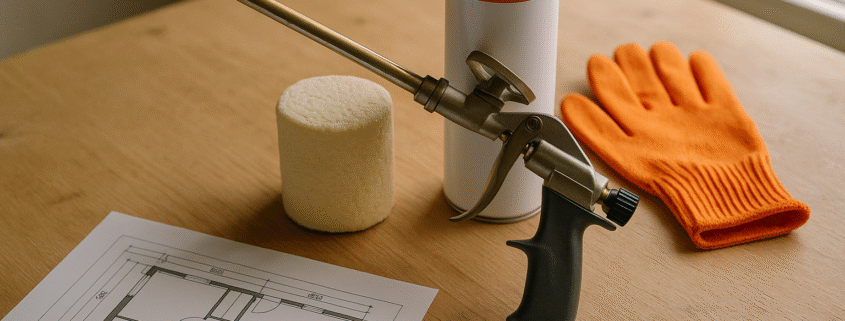
Spray Foam Versus Other Insulations

Spray Foam Versus Other Insulations: A Thorough Comparison

If you’re searching for a comparison between spray foam versus other insulations, you’re in the right place. At White Knight Contracting, we’ve helped Calgarians make informed insulation choices since 2011. In this guide, you’ll get a straightforward breakdown of spray foam, fiber glass insulation, and cellulose insulation, so you can confidently decide what meets your needs.

Table of Contents

A Brief History of Thermal Barrier Types

Thermal barrier types have evolved dramatically over the decades. Early homes used whatever was on-hand—think sawdust, newspapers, and straw—to keep heat inside. Then came fiber glass insulation in the 1930s, which quickly became a popular option thanks to its affordability and modest performance. Cellulose insulation also gained traction, especially because it’s made from recycled materials. More recently, spray foam has entered the scene, bringing a revolutionary air-sealing capability. Today, a spray foam comparison against traditional methods often reveals higher energy efficiency and better long-term savings.

In recent years, energy codes have pushed for better thermal performance. Homeowners now look for materials that not only trap heat but also block air and moisture. Spray foam comparison tests show that it can expand into hard-to-reach areas, forming a tight seal around electrical and plumbing fixtures. Most fiber glass insulation, while still popular, struggles with small gaps and can settle over time. Cellulose insulation is loved for its eco-friendly profile but can be prone to moisture absorption. The latest trends include hybrid systems—pairing spray foam with traditional options for even better results.

Key Challenges: What Sets Each Apart?

  • Spray foam’s installation is specialized. It requires proper safety gear and experienced crews, but the payoff is fewer drafts and lower heating bills.
  • Fiber glass insulation is inexpensive and handles moderate climates, yet it needs a vapor barrier and can lose effectiveness if it gets wet.
  • Cellulose insulation resists pests, thanks to added borates, but may break down if exposed to prolonged moisture.
  • All thermal barrier types must pass fire and safety standards before use in homes, making quality installation vital.

Spray foam comparison studies consistently highlight its resistance to air leakage and ability to support the structural integrity of homes. The upfront cost can be higher, but the long-term energy savings often close the gap quickly.

Future Prospects for Home Insulation

As homeowners demand greener, healthier, and smarter homes, spray foam comparison will keep gaining attention. Upcoming products focus on bio-based resins and even greener blowing agents—making spray foam insulation more environmentally friendly. Fiber glass insulation is seeing innovations too, with the addition of new binding agents for less itch and more recycled content. Meanwhile, cellulose insulation is increasingly treated for mold-resistance, aiming to further boost its sustainability profile. Looking ahead, a mix of these thermal barrier types may become common, each serving a specialized function in the home.

Scenarios: Which Insulation is Best Where?

  • For basements prone to dampness: Closed-cell spray foam often wins because its moisture resistance and high R-value stop mold and drafts in their tracks.
  • For attics in mild climates: Fiber glass insulation is a budget-friendly choice, easy to deploy in open joists.
  • For existing wall cavities: Blown-in cellulose insulation fills cracks and tight spots, so it’s great for retrofits—especially where green building is a priority.
  • For extreme performance upgrades: Many contractors use a hybrid system—spray foam along the rim joist, fiber glass batts for volume, balancing cost and results.

Savvy homeowners ask for a spray foam comparison specific to their space to see which thermal barrier types deliver the best results.

What Should Homeowners Expect?

Choosing your insulation isn’t just about R-values—it’s a decision that impacts comfort, safety, and energy bills for decades. Here’s a quick step-by-step guide:

  1. Get an energy audit to assess where heat escapes.
  2. Compare spray foam, fiber glass insulation, and cellulose insulation for your unique needs and budget.
  3. Ask about fire codes, building permits, and the installation process.
  4. Understand drying times and ventilation needs for each method to avoid future problems.
  5. Ask for references so you can see past work before you decide.
  6. If you need upgrades beyond insulation, like new siding, choose a contractor like White Knight Contracting that can handle multiple jobs—saving you time and money.

Expect cleaner air and more consistent room temperatures no matter which thermal barrier types you pick, as long as they are installed right.

Interesting FAQ

Reddit community discusses spray foam insulation’s impact on humidity and condensation.

Q: Is spray foam insulation safe for people with allergies?
A: Yes, when installed correctly, spray foam insulation doesn’t support mold growth, making it a great option for allergy-prone homes compared to traditional fiber glass insulation or cellulose insulation that may hold dust and moisture.

Q: Does cellulose insulation really help with soundproofing?
A: Absolutely! Cellulose insulation excels at blocking noise transfer, which is why it’s popular in media rooms or bedrooms in busy households.

Q: How long does spray foam comparison take versus installing fiber glass insulation?
A: Spray foam usually takes 1–2 days for a standard home versus a similar timeline for fiber glass, though fiber glass can sometimes be installed by DIYers while spray foam always requires a pro.

Q: Can one contractor handle both spray foam and other renovations?
A: Yes, a company like White Knight Contracting can install spray foam insulation and also help with your siding, so you don’t have to hire multiple companies for one project.

Contact & Learn More

To learn more and view our other blogs, click here.