
Introduction
Finding ways to lower utility costs with insulation is one of the most effective moves homeowners and business owners can make to reduce energy consumption and keep monthly energy costs in check. At White Knight Contracting, we’ve witnessed firsthand how insulation returns start showing up on your utility bill savings almost immediately after installation.
Table of Contents
- History of Insulation and the Push for Energy Consumption Reduction
- Modern Trends: Maximizing Utility Bill Savings with Insulation
- Challenges in Achieving Monthly Energy Cost Reduction
- Future Prospects: The Evolution of Insulation and Savings
- Step-by-Step: What to Expect With Insulation Installation
- Comparing Insulation Types for Best Returns
- Interesting FAQ
- FAQs
History of Insulation and the Push for Energy Consumption Reduction
Insulation has always played a part in making living spaces more comfortable. In the past, people used straw, mud, and even animal skins to keep the cold out and the heat in. The real game changer came during the 1970s energy crisis, when the need to lower utility costs and reduce energy consumption became a national priority. Since then, technology has delivered a wave of breakthroughs—fiberglass, mineral wool, and most recently, spray foam.
With higher fuel prices, regulations, and demand for energy-efficient homes, building codes started requiring better insulation. These advances meant not just warmer houses, but real utility bill savings for millions.
The direct link between insulation improvements and monthly energy cost reduction is now proven in both new construction and renovations.
Modern Trends: Maximizing Utility Bill Savings with Insulation
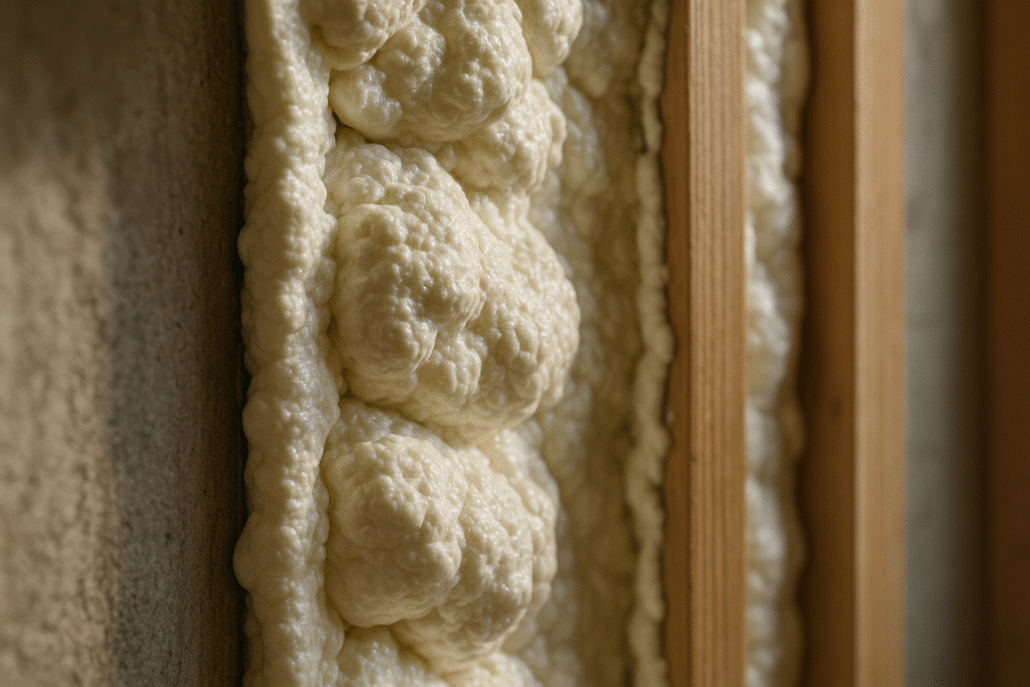
Today’s homeowners are more aware of energy consumption reduction than ever before. Both new builds and retrofits now focus on air sealing, higher R-value materials, and minimizing thermal bridging (the spots where heat escapes most easily). Smart insulation technologies such as spray foam are especially popular because they provide both air sealing and insulation in one application.
- Modern spray foam can slash energy bills by up to 40% compared to homes with little or no insulation.
- Energy audits often point to insulation upgrades as the fastest path to utility bill savings and higher home resale value.
- Popular smart thermostats combined with improved insulation deliver even better results for monthly energy costs.
Challenges in Achieving Monthly Energy Cost Reduction
Adding or upgrading insulation isn’t always straightforward. Every home is different, so optimal materials and approaches vary.
- Older homes may have space constraints in walls or attics, making installation tough.
- Determining which areas leak the most energy can be challenging without a professional energy assessment.
- Some insulation types, like spray foam, need specialist application to maximize insulation returns and avoid problems.
- Poor installation can lead to air leaks, moisture issues, or underperforming materials, limiting your utility bill savings.
Despite these challenges, the benefits often far outweigh the costs, especially as energy prices rise. The right contractor can handle everything efficiently, from assessment to installation, and maximize your monthly energy cost reductions.
Future Prospects: The Evolution of Insulation and Savings
The future of lowering utility costs with insulation looks even brighter. Technological improvements continue to enhance both material performance and installation efficiency.
- Next-generation products, like aerogel and vacuum insulated panels, promise even higher insulation returns per inch.
- Smart home technology is making it easier to monitor energy consumption and address heat loss in real-time.
- Government rebates and efficiency programs often help pay for insulation upgrades—increasing affordability and fast-tracking utility bill savings.
- Contractors like White Knight Contracting, who’ve been in business since 2011, can handle bigger jobs from insulation through to siding, so you only need one contractor.
As codes and standards continue to evolve, investing in insulation means investing in future comfort and lower monthly energy costs for decades ahead.
Step-by-Step: What to Expect With Insulation Installation
Wondering how the process of lowering your utility costs with insulation looks?
- Initial Consultation—A professional visits your home or building, measures key areas, and discusses your goals for energy consumption reduction.
- Energy Evaluation—Thermal cameras or blower door tests identify where insulation improvements will have the biggest impact.
- Material Selection—You’ll review options like spray foam, batt, or blown-in insulation, focusing on the best fit for your property and budget.
- Preparation—Installers move furniture, seal vents, and take steps to protect your interior during installation.
- Installation—Technicians professionally apply the insulation, targeting walls, attics, basements, and other priority spaces.
- Inspection—A final check ensures your insulation is continuous, with no gaps and high insulation returns expected.
- Results—Enjoy immediate comfort improvements and notice lower utility costs on your next bill.
Comparing Insulation Types for Best Returns
Different insulation types suit different needs, so here’s how they compare for maximizing utility bill savings:
- Spray Foam: High R-value and air sealing in one, with possibly higher up-front costs but superior long-term savings. Great for hard-to-reach spaces and full coverage.
- Fiberglass Batts: Affordable and simple for DIY, but not as air-tight. Works best in open wall cavities.
- Blown-In Cellulose: Good at filling odd shapes, made from recycled material, moderate insulation returns.
- Rigid Foam Board: High resistance but can be tricky to fit in existing walls. Popular for basements and exterior walls under siding.
Consult with a professional to see which material will deliver the best monthly energy cost reduction for your property.
Interesting FAQ
FAQs
- How much can insulation actually reduce my monthly energy bill? Most homeowners can expect savings between 10%–40%, depending on the property’s age, existing insulation, and materials used.
- Will insulation make my home more comfortable year-round?
- What is the fastest way to boost insulation returns and lower utility costs?
- Are there any rebates or financial incentives for upgrading insulation?
- What sets White Knight Contracting apart from other insulation contractors?
To learn more and view our other blogs, click here.

