
Introduction
Safety is always a top concern when creating comfortable spaces, especially in cities filled with street noise. That’s why many homeowners are turning to soundproofing foam for noise reduction and enhanced urban home comfort. With urban life getting busier and city noise growing louder, innovative acoustic insulation is becoming a must for a peaceful home. White Knight Contracting specializes in these upgrades to help transform homes into quiet oases.
Table of Contents
- A Brief History of Soundproofing Foam in Urban Homes
- Current Trends in Soundproofing and Acoustic Insulation
- Common Challenges: Why Urban Homes Struggle with Noise
- How Soundproofing Foam Works: Step-by-Step Guide
- Comparison: Foam vs. Traditional Soundproofing Materials
- Future Prospects of Urban Home Comfort
- Interesting FAQ
- Contact and Further Reading
- Our Location
A Brief History of Soundproofing Foam in Urban Homes
City dwellers have long searched for solutions against the buzz and hum of urban life. While early efforts included thick curtains, rugs, or even egg cartons on walls, the introduction of soundproofing foam revolutionized the way people achieve noise reduction. Acoustic insulation made from polyurethane and other materials began appearing in homes during the late 20th century. At first, it was mostly used in music studios and theaters. Today, its effectiveness and safety have made it a favorite in residential settings, providing a dependable shield against city noise and even improving energy efficiency.
Current Trends in Soundproofing and Acoustic Insulation
Modern homeowners are looking for invisible, high-performing solutions. The latest soundproofing foam products are thinner and more effective than ever, blending seamlessly into walls or ceilings. Some important trends in acoustic insulation include:
- Eco-friendly formulas made from recycled materials
- Foam types that can both insulate and dampen sound
- DIY installation kits for small projects
- Integrated safety certification for indoor air quality
- Color or paintable finishes for visual appeal
These developments mean urban home comfort no longer comes at the cost of style or health—today’s products are safe, discrete, and effective.
Common Challenges: Why Urban Homes Struggle with Noise
Urban homes face unique barriers to peaceful living. Shared walls, close neighbors, and persistent street noise are part of city life. Many older buildings were constructed without modern acoustic insulation. Windows and doors often have gaps, letting in even more sound. According to studies, over 60% of urban homeowners complain about traffic or neighbor noise affecting their sleep or relaxation. Without soundproofing foam or similar solutions, ongoing exposure to loud environments can even lead to increased stress and health risks.
How Soundproofing Foam Works: Step-by-Step Guide
Soundproofing foam is designed to absorb or block unwanted sound waves. Here’s what to expect if you choose to install foam for noise reduction in your urban home:
- Assessment: A professional inspects your home to find major noise entry points, like thin walls or attic spaces.
- Preparation: Drop sheets and taping protect surfaces. Gaps and cracks are cleaned and sealed.
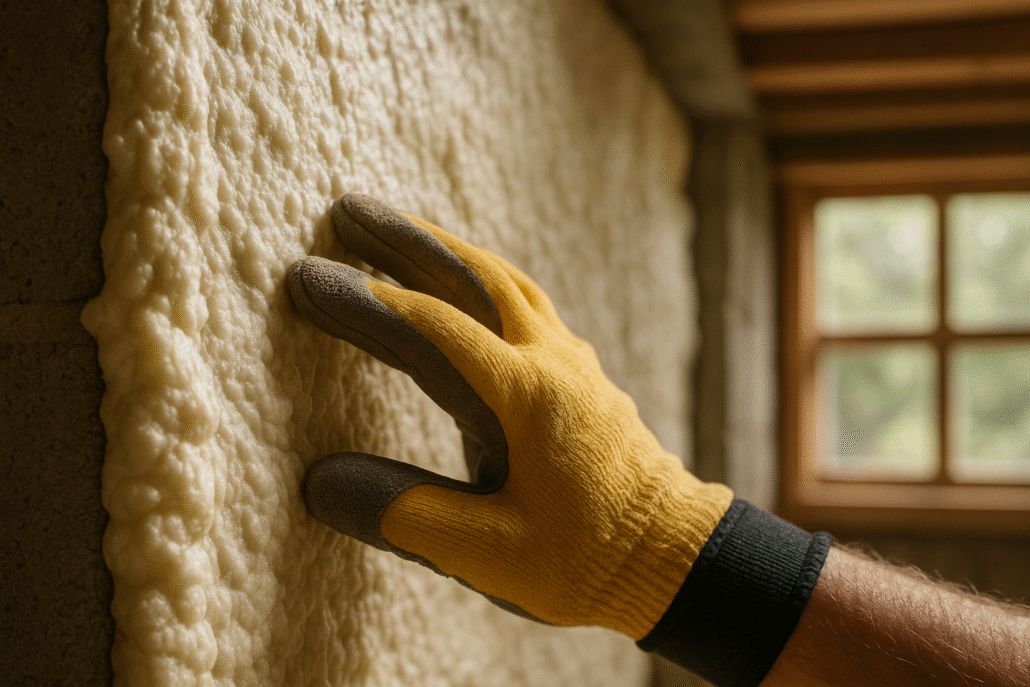
- Application: Foam is sprayed or installed in the identified zones. It quickly expands, filling every nook and cranny for full coverage.
- Finishing Touches: Once set, it can be covered by drywall, painted, or finished to blend with your décor.
- Final Check: Safety and quality are checked—modern foams are non-toxic and meet indoor air standards.
Homeowners usually notice a substantial difference almost immediately. Rooms feel quieter, and temperature control often improves thanks to the same foam acting as a thermal barrier.
Comparison: Foam vs. Traditional Soundproofing Materials
Different soundproofing materials perform in different ways. Here’s how soundproofing foam stacks up against more traditional options:
| Material | Noise Reduction | Installation Ease | Durability | Cost Effectiveness | Insulation Value |
|---|---|---|---|---|---|
| Soundproofing Foam | High | Easy/Professional | Long-lasting | Medium-High | Excellent |
| Fiberglass Batts | Medium | Moderate | Medium | Medium | Good |
| Heavy Curtains | Low-Medium | Easy/DIY | Short-Medium | Low | Poor |
| Double Drywall | High | Difficult | Long-lasting | High | Medium |
Soundproofing foam leads in overall value for both noise reduction and energy savings, especially in crowded urban environments.
Future Prospects of Urban Home Comfort
Urban home comfort is only becoming more important as cities grow. The future looks promising, with acoustic insulation technologies advancing rapidly. Research is being done on “smart” foams that can adapt to noise levels, and greener products that support a healthy indoor environment. Homeowners are also looking for whole-home solutions that combine soundproofing, thermal insulation, and energy efficiency all in one. These innovations ensure the next generation of urban living will be both quiet and eco-friendly.
Interesting FAQ
SprayFoam Magazine News section covers recent developments and innovations in spray foam.
- Q: How long does soundproofing foam last?
A: Most high-quality foam installations last 20+ years, far outpacing temporary options like curtains or panels. - Q: Is soundproofing foam safe for my family?
A: Yes! Modern foams are made with non-toxic materials and certified for indoor air safety. Proper installation ensures maximum protection and comfort. - Q: Where in my home should I use soundproofing foam?
A: Popular spots include shared walls, bedrooms near busy streets, floors in apartments, and even home offices. Licensed contractors like White Knight Contracting can advise on the best locations for acoustic insulation. - Q: Can one contractor handle multiple upgrades?
- A: Yes. Since 2011, White Knight Contracting offers not just soundproofing foam installation, but also siding and other improvements—no need to juggle different providers.
Further Reading
To learn more and view our other blogs, click here.

