
Introduction
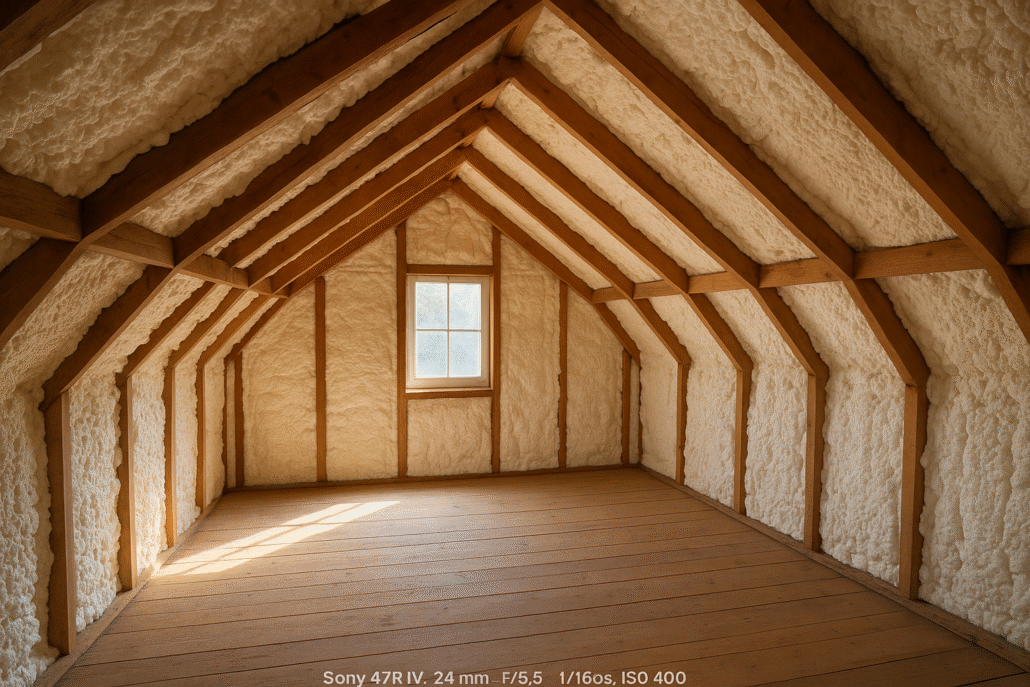
When it comes to permits for new builds or renovations, Calgary builders prefer spray foam insulation as their top choice. The rising popularity of spray foam as a builder preferred insulation is no accident. Modern construction demands both energy efficiency and reliability, and spray foam delivers on both fronts. At White Knight Contracting, our expertise stretches across many construction areas, making us the contractor choice foam experts for projects big or small.
Table of Contents
- A Brief History of Spray Foam Insulation in Calgary
- Why Calgary Builders Prefer Spray Foam as an Insulation Option
- Current Trends: Builder Preferred Construction Spray Foam
- Challenges Faced During Installation and Permitting
- Future Prospects for Contractor Choice Foam
- Interesting FAQ
- Conclusion
A Brief History of Spray Foam Insulation in Calgary
Spray foam insulation has roots going back to the 1940s. Originally developed for military and aerospace use, it made its way into residential and commercial construction by the 1970s. Calgary saw early adoption for its superior sealing power in cold climates. Over the decades, more building permits have approved construction spray foam, especially as energy codes grew stricter and homeowners grew increasingly aware of heating costs. This shift helped push spray foam to the forefront as a builder preferred insulation in the area.
Why Calgary Builders Prefer Spray Foam as an Insulation Option
Builders in Calgary increasingly opt for spray foam because of its unmatched performance. Here’s why construction and renovation teams rely on this contractor choice foam:
- Air Sealing: Spray foam creates an airtight barrier, greatly reducing drafts and preventing moisture intrusion.
- Energy Efficiency: Compared to fiberglass or cellulose, it offers a far higher R-value.
- Versatile Application: It expands into tough corners and voids, covering places other insulations can’t reach.
- Longevity: Spray foam maintains its form and effectiveness for decades.
- Improved Indoor Air Quality: By reducing pathways for dust, pollen, and outside pollutants.
Obtaining permits for spray foam insulation is straightforward, making it a preferred material for both new builds and retrofits. Builders know that meeting and exceeding local codes with spray foam is easier, keeping projects on schedule and budget.
Current Trends: Builder Preferred Construction Spray Foam
Calgary’s building industry has seen a sharp rise in demand for spray foam. Some of the top trends include:
- Focus on eco-friendly and lower-emission spray foam formulas.
- Adoption for both attics and below-grade spaces, thanks to spray foam’s moisture resistance.
- More streamlined permitting and inspection processes for preferred materials like spray foam, reflecting building code updates.
- Use in both new homes and as part of energy retrofit projects under local incentive programs.
Contractor choice foam is easy to install using modern spray systems, minimizing disruption and shortening construction timelines. It’s no surprise that leading contractors in the Calgary area consistently choose spray foam as part of their builds.
Challenges Faced During Installation and Permitting
While the benefits are clear, there are a few bumps in the road with spray foam installation and approvals:
- Proper Training and Equipment: Not every crew is equipped for safe, consistent spray foam application.
- Permit Approvals: Some older homes require extra inspection to ensure ventilation and vapor barrier compatibility when switching to spray foam.
- Weather Conditions: Extreme cold or humidity can affect installation timing during Calgary’s unpredictable seasons.
- Cost Factors: The upfront investment can be higher than traditional insulation types, though the long-term savings are significant.
Fortunately, experienced companies like ours address most hurdles before the first spray. White Knight Contracting has been in business since 2011. Not only can we handle spray foam but also manage related projects, like siding or flooring, without the need for multiple contractors. This all-in-one approach smooths out the permitting and installation processes for Calgary’s builders and homeowners alike.
Future Prospects for Contractor Choice Foam in Calgary
The future looks bright for those choosing spray foam as their builder preferred insulation product. Experts foresee more widespread adoption as codes demand higher energy efficiency and consumers seek green solutions. Researchers are developing bio-based spray foams and new applications, like roofing materials and acoustical barriers. As local permitting becomes more familiar with construction spray foam standards, approvals may get even faster, driving down costs and making it easier for both professionals and DIYers to use this preferred material.
Interesting FAQ
-
Where can I find Canadian-made spray foam insulation and coatings?
Elastochem manufactures Canadian-made spray foam insulation and coatings, including polyurea and advanced polymer systems. -
How does construction spray foam compare to traditional fiberglass?
Spray foam offers much higher R-values, superior air sealing, and excellent resistance to moisture and pests. While the initial cost is higher, most find it pays off in energy savings and comfort. -
Do I need a permit for spray foam insulation in Calgary?
Yes, permits are generally required for insulation upgrades in Calgary, especially for extensive renovations or new construction. The process is straightforward but always check with your contractor first. -
Can a single contractor handle both spray foam insulation and related jobs like siding?
Yes! Companies like ours are equipped to offer both insulation and additional services—reducing hassle and ensuring consistent workmanship. -
What’s the expected lifespan of spray foam insulation?
Installed and maintained properly, spray foam insulation can last for more than 30 years with little to no degradation in performance.
Conclusion
It’s easy to see why Calgary builders prefer spray foam for their projects. With benefits ranging from energy savings to simple permitting, this contractor choice foam remains the gold standard for both new constructions and renovations. If you’re looking to enhance your property with the latest preferred materials, consider spray foam insulation as your top option.
To learn more and view our other blogs, click here.

