Retrofit Homes With Spray Foam

Introduction

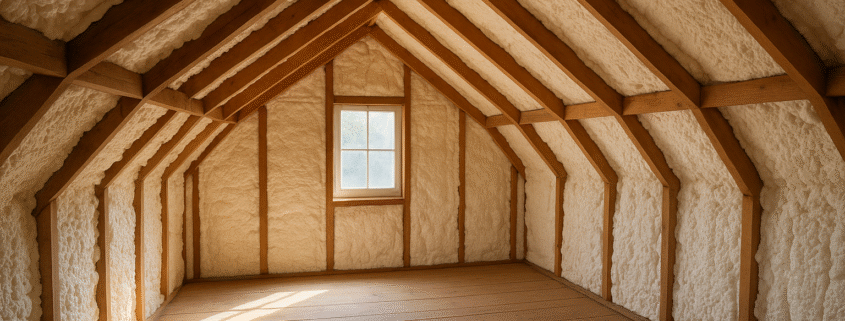
If you’re considering a retrofit to maximize your home’s energy performance, retrofit insulation using spray foam could be your ideal home insulation upgrade. At White Knight Contracting, we’ve seen firsthand how spray foam retrofits are revolutionizing older homes and transforming energy-saving renovations for Calgary homeowners.

Table of Contents

A Brief History of Retrofit Insulation

Retrofit insulation became a focus in the 1970s during the energy crisis, as homeowners began to notice the direct link between their insulation and skyrocketing utility bills. At first, simple materials like fiberglass batts and cellulose were used for basic retrofits. But as energy codes evolved and more research emerged, home insulation upgrades grew more advanced. The spray foam retrofit is a newer solution that has gained major traction in the past decade, allowing for both air sealing and thermal performance in one go. This seamless energy-saving renovation was a game-changer for older homes dealing with drafty walls, attics, or crawlspaces.

Today’s retrofit insulation trends focus on maximizing efficiency and indoor comfort. Many homeowners are choosing spray foam retrofits because they simultaneously insulate and air-seal gaps that let conditioned air escape.

  • Closed-cell spray foam offers the best R-value per inch and resists moisture — key for our Calgary climate.
  • Open-cell spray foam provides soundproofing, which is valuable in busy neighborhoods.
  • Hybrid insulation systems, blending spray foam with traditional materials, can also be used for specific retrofit challenges.

Another popular trend is integrating smart home tech with energy-saving renovations, letting you monitor energy usage and see the real ROI of your retrofit insulation upgrade.

Challenges of Home Insulation Upgrades

Upgrading retrofit insulation in older homes comes with a few obstacles. For starters, existing wall or attic cavities might be irregular, cramped, or even contain outdated materials like vermiculite insulation. Removing these can take time and careful planning. It’s also essential to properly air-seal before injecting spray foam to avoid moisture issues. But when done right, a quality spray foam retrofit not only bypasses these challenges but can also become the cornerstone of an energy-saving renovation in older homes.

How Retrofit Insulation Benefits Homes

Retrofit insulation upgrades provide more than just lower utility bills. With a spray foam retrofit, you’ll notice:

  • Consistent indoor temperatures all year long, with fewer drafts and cold spots.
  • Reduced noise transmission and outside allergens.
  • Significant energy savings, often cutting heating and cooling costs by up to 50% in some cases.
  • Long-term durability as spray foam resists settling, pests, and mold growth.
  • Higher resale value — upgraded insulation is a selling point in Calgary’s competitive market.

This makes spray foam retrofit a smart choice for families wanting comfort, health, and savings from their energy-saving renovation.

Step-by-Step Spray Foam Retrofit Guide

Understanding the process makes tackling a retrofit insulation project less daunting. Here’s what a typical spray foam retrofit involves:

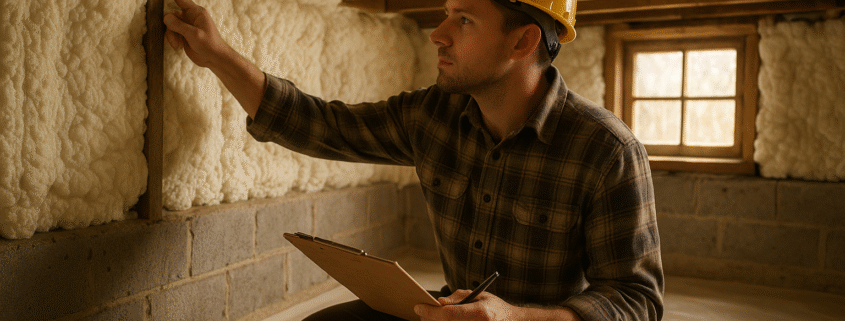
  1. Assessment: An expert reviews your home’s insulation, air leaks, and ventilation.
  2. Preparation: Outdated insulation is safely removed. Surfaces are cleaned and access points are created.
  3. Air Sealing: Gaps and cracks in attic floors, rim joists, or wall cavities are sealed.
  4. Application: Spray foam is applied in layers, expanding to fill every nook, sealing as it insulates.
  5. Finishing: Surfaces are checked for consistency and safety, with any necessary trims completed.

Expect a qualified team to complete a typical home insulation upgrade in one to two days, leaving minimal mess and maximum comfort.

Comparing Retrofit Insulation Methods

Not all retrofit insulation is the same. Traditional options like batting, blown-in cellulose, or rigid foam boards have downsides in older or oddly-shaped homes, often leaving gaps where air leaks persist. Spray foam retrofit, by contrast, adheres directly to every surface and expands to form an airtight, continuous barrier. While the initial cost of spray foam retrofit is higher, its long-term savings and durability usually match or exceed the investment.

  • Blown-in fiberglass: Lower upfront cost, but may settle and leave voids over time.
  • Rigid foam boards: Good for open areas, but difficult in retrofits without opening up walls.
  • Spray foam retrofit: Fills even hidden cracks, boosts structural strength, and delivers unmatched energy efficiency.

The Future of Energy Saving Renovation

As energy prices keep rising and building codes evolve, expert-driven retrofit insulation is only becoming more important for homeowners. Smart materials are arriving, promising even higher R-values and healthier indoor air. The future of energy-saving renovation is likely to see more integration of sensors, automation, and environmentally-friendly spray foam formulas. Homeowners who embrace early retrofit insulation upgrades will enjoy lower bills and greater comfort for years to come. And with a team like White Knight Contracting — in business since 2011 and able to handle siding and other upgrades without the hassle of multiple contractors — a spray foam retrofit is simpler and faster than you think.

Interesting FAQ

Johns Manville provides expert guidance on the proper installation of spray polyurethane foam.

  • What’s the difference between a retrofit insulation upgrade and new construction spray foam?
    Retrofitting means upgrading an existing building rather than installing insulation in a new build. Spray foam retrofit is tailored to work around finished walls, roofs, or crawlspaces without major demolition.
  • How long does it take for a spray foam retrofit to pay for itself?
    Most Calgary homeowners see a payback within 3-7 years, depending on the scope of the insulation upgrade and energy prices.
  • Will spray foam retrofit damage my existing walls?
    No, professional contractors use minimally invasive methods to inject or spray foam into cavities, leaving finished walls mostly untouched.
  • Can spray foam retrofits help with uneven heating and cooling?
    Yes! By sealing leaks and boosting insulation, retrofitting with spray foam leads to more consistent temperatures throughout your home.
  • Is spray foam insulation safe?
    Absolutely. When professionally installed, it is safe, long-lasting, and improves indoor air quality by reducing drafts and pollen entry.

Conclusion

A retrofit insulation project, especially with a spray foam retrofit, can turn an older, drafty property into a modern, energy-efficient home that saves money each year and feels comfortable every season. To

Calgary Climate and Insulation Needs

Introduction

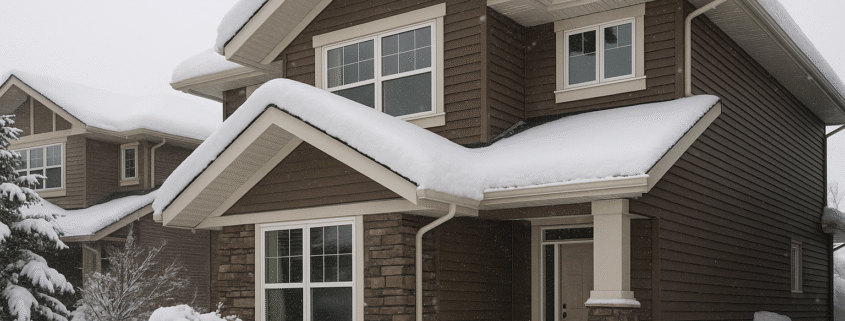
When talking about climate, few places challenge homeowners quite like Calgary. Known for its wild weather shifts and icy winters, this Alberta city demands smart choices in home protection and energy efficiency. White Knight Contracting, in business since 2011, helps property owners address the unique challenges posed by Calgary insulation needs, cold climate insulation, and Alberta weather proofing. Let’s explore what makes Calgary’s environment unique, why the right insulation matters, and how you can make your home cozier all year round.

Table of Contents

A Brief History: Insulation in Calgary’s Harsh Climate

Calgary’s climate has always been extreme, with freezing winters and hot, dry summers. In the early days, homes were kept warm using layers of brick, stone, and wood—materials that didn’t always stand up to the chill. With the city’s rapid growth and advancement in building sciences, insulation technology became central to comfortable living.

Modern insulation began to improve in the 1970s as concerns about energy costs and efficiency grew. Homeowners saw a shift from sawdust and newspapers to fiberglass batts and spray foam. Today, Alberta weather proofing options focus on both warmth and managing dramatic temperature swings caused by Chinook winds, which can raise Calgary’s temperature by over 20°C in just hours.

The need for cold climate insulation drives ongoing innovation in Calgary. The latest trends include:

  • Use of spray foam for seamless air sealing and high R-value (a measure of insulation’s resistance to heat flow).
  • Eco-friendly cellulose products made from recycled materials.
  • Multi-layered systems combining rigid foam, batt, and blown-in options for superior protection.
  • Upgrades to attics and basements, two of the most common spots for heat loss and drafts.

Did you know? The Alberta Building Code now outlines strict standards for insulation to help reduce heat escape, making energy efficiency Calgary more attainable for every homeowner.

Challenges of Cold Climate Insulation & Alberta Weather Proofing

Insulating for Calgary’s climate isn’t just about keeping warm—it’s also about coping with the weather’s unpredictable behavior.

  • Freeze-thaw cycles can wreak havoc on siding and insulation, leading to moisture problems, mold, or even structural damage.
  • Chinook winds bring sudden warmth, causing ice to melt and refreeze later, stressing building envelopes.
  • Choosing the wrong type of insulation for the installation area might trap condensation or limit airflow, making things worse in the long run.

This is why a customized assessment is so valuable. Professionals look at your attic, walls, windows, and even your basement to determine the best mix of materials for energy efficiency Calgary needs.

Future Prospects: Energy Efficiency Calgary

The future looks bright for Calgary insulation as technology continues to advance. Expect to see:

  • Smarter home energy systems that monitor heat loss and HVAC usage in real-time.
  • Even stricter building codes for new construction, favoring advanced insulation and improved Alberta weather proofing.
  • Increased government incentives and rebates for energy-efficient renovations.
  • Development of “net-zero” homes, where energy needs are balanced out by renewable sources and ultra-high insulation.

Homeowners who stay ahead of the curve will enjoy greater comfort, better indoor air quality, and sharp drops in utility bills.

Practical Steps: Boost Your Home’s Comfort and Efficiency

So, what can you do to address Calgary insulation and weather proofing today? Here’s a simple step-by-step guide:

  • Schedule a professional energy audit to pinpoint leaks and heat escapes.
  • Add weather stripping to windows and doors to stop drafts.
  • Upgrade attic insulation—heat rises, and you can lose up to 25% through your roof.
  • Use spray foam or rigid foam panels in basements and crawlspaces for cold climate insulation.
  • Seal up cracks around foundations and siding to stop moisture and protect against freeze-thaw.

Little improvements add up. Over a single winter, you could see up to 30% energy savings—money back in your pocket and a more comfortable home.

Interesting FAQ

The Canadian Urethane Foam Contractors Association offers authoritative standards for spray foam insulation.

  • What R-value is recommended for homes in Calgary?
    Most experts suggest R-40 to R-50 in attics and R-20 to R-24 in walls for proper energy efficiency Calgary wide.
  • How often should insulation be checked or upgraded?
    Every 10–15 years, or after any major weather event or renovation, especially with changing climate in the region.
  • Can siding upgrades be combined with new insulation?
    Absolutely! Teams like White Knight Contracting can handle both jobs, removing the need for multiple contractors.
  • Is Alberta weather proofing worth the investment?
    Yes—curbing drafts and defending against moisture problems often pays for itself within several seasons.

Why Choose White Knight Contracting?

With over a decade in business, White Knight Contracting is trusted for Calgary insulation, siding, and weather proofing—reducing the need for multiple contractors on your project. Their team knows local code and climate, handling projects efficiently so homeowners stay comfortable and protected no matter the season.

Conclusion

Taking the climate into account isn’t just smart practice—it’s essential for comfort and savings in Calgary. Whether you’re upgrading aging insulation, adding new siding, or planning a complete energy efficiency overhaul, choosing the right mix of products and a local expert really pays off. To learn more and view our other blogs, click here.
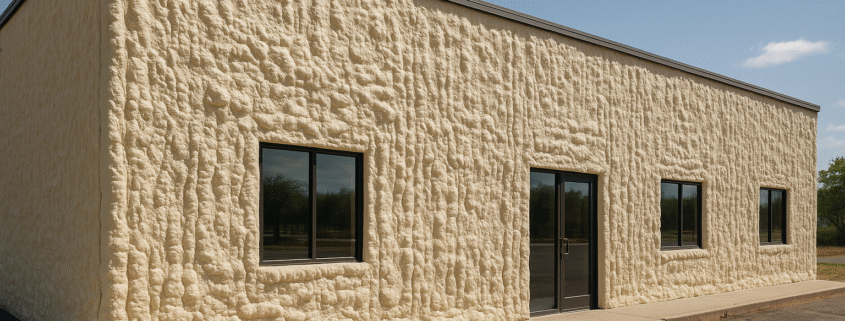
Understanding Spray Foam Insulation Basics

Introduction

When thinking about insulation for your home or business, understanding spray foam basics is essential for making informed choices. Spray foam insulation is one of the most popular and effective options on the market, providing excellent energy efficiency and long-term value. If you’re considering expert installation, White Knight Contracting can help you achieve results that last.

Table of Contents

History of Foam Insulation

Foam insulation has come a long way since it first appeared in the 1940s. Originally devised for military aircraft, the early versions of spray foam basics used resin-based compounds for structure and temperature control. The method gradually made its way into the construction industry in the 1970s, focusing on energy conservation as fuel prices soared. Over time, science refined polyurethane foam for residential and commercial use, which became valued for its durability and performance.

The invention of isocyanate reaction technology marked a turning point, enabling the creation of closed-cell and open-cell foam insulation types still popular today.

With energy costs rising, more homeowners and businesses are turning to spray foam basics for their insulation needs. Eco-friendly materials, reduced greenhouse emissions, and smart home integrations are among the latest trends. Modern polyurethane foam now often includes bio-based ingredients or improved blowing agents to lessen environmental impact. Many companies use advanced equipment to ensure even coverage, improving both energy savings and indoor comfort.

Data from Natural Resources Canada shows that effective insulation can reduce heating and cooling costs by up to 40%. As a result, choosing the right foam insulation type has moved from a nice-to-have to a necessity in modern building design.

Understanding Foam Insulation Types

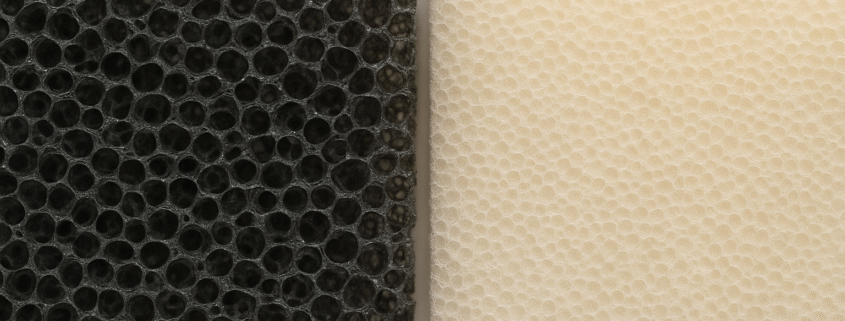
Two main categories dominate the foam insulation market: open-cell and closed-cell. Understanding their features helps you select what’s best for your property:

  • Open-cell spray foam basics: This type is lighter, expands more, and is best for interior walls and soundproofing. It’s slightly less dense but provides excellent air sealing properties.
  • Closed-cell polyurethane foam: With a tighter structure, this insulation resists moisture and provides better R-value per inch. It’s ideal for basements, crawlspaces, and areas prone to dampness.

The right foam insulation type will depend on your project’s needs, budget, and desired level of protection.

The Polyurethane Foam and Isocyanate Reaction

All spray foam basics rely on the isocyanate reaction, a simple chemical process where two liquid components mix and expand. Once sprayed, polyurethane foam quickly forms a rigid, supportive barrier that clings to every surface. This seamless application means fewer air leaks and improved thermal performance compared to traditional insulation products.

A good analogy: Think of baking a cake. You mix ingredients, and it rises in the oven to fill its pan—just like how insulation expands to fill gaps and voids in your building!

Common Challenges with Spray Foam Insulation

While insulation using spray foam offers significant benefits, there are some challenges to keep in mind. One of the biggest hurdles is ensuring proper installation. Poor application can lead to gaps or off-ratio chemicals, which can negatively affect performance.

Moisture sensitivity, choosing the correct foam insulation type, and navigating building codes also require attention. Partnering with a contractor who has experience—like White Knight Contracting, in business since 2011—can make the entire process smoother and more reliable. Homeowners also appreciate the versatility—if your project needs new siding, White Knight Contracting can handle it without a second contractor.

Future Prospects in Insulation

Spray foam basics are evolving rapidly, with R&D focused on improved safety, sustainability, and smart applications. Future polyurethane foams may use more recycled materials or be fully biodegradable, further reducing carbon footprints.

Emerging automation and digital technology are making installs faster and more precise, ensuring each spray achieves optimal insulation. Innovations in isocyanate reaction chemistry are also paving the way for lower emissions and longer-lasting results. For property owners, these advances mean further cost savings, comfort, and peace of mind as energy regulations become even stricter.

Interesting FAQ

Learn best practices for air sealing and insulation retrofits from BC Housing’s comprehensive guide. Having access to expert knowledge ensures every insulation decision is backed by proven strategies and current science.

FAQs

  • What is spray foam insulation, and how does it work?
    Spray foam insulation uses a mixture of chemicals that combine to create foam, expanding to fill gaps and form an airtight seal through an isocyanate reaction process. It offers superior energy savings compared to many other insulation types.
  • How does spray foam compare to traditional fiberglass insulation?
    Spray foam offers better air sealing, higher R-value per inch, and improved moisture resistance. While it might cost more upfront, the savings and benefits typically outweigh the initial investment in the long term.
  • Are there risks or health concerns with spray foam basics?
    When installed by professionals, risks are minimized. Chemicals are safely contained once cured, but proper ventilation and installation practices are always recommended for safe results.
  • Can spray foam insulation be used in older homes?
    Yes, spray foam basics are ideal for retrofits, sealing up drafts and uneven temperatures. It’s important to work with experienced contractors to avoid moisture issues or ventilation problems in heritage properties.

Conclusion

Understanding spray foam insulation basics helps you select the best approach for energy savings and year-round comfort in your home or business. With choices in foam insulation types and advances in polyurethane foam and isocyanate reaction technologies, there’s never been a better time to upgrade your insulation. For professional spray foam solutions that address all your contracting needs—from insulation to siding—trust a proven local team.

To learn more and view our other blogs, click here.