
Introduction
Wearing the right safetygear is essential when installing passive house foam insulation, a game-changer for ultra-efficient insulation that meets the highest green building standards. If you’re looking to create an energy-smart home or commercial building, working with a trusted contractor like White Knight Contracting makes the process smooth and safe. Let’s break down the journey, the benefits, and what you can expect in the world of passive house insulation with foam.
Table of Contents
- What is Passive House Foam Insulation?
- The History of Ultra-Efficient Insulation
- Current Trends in Passive House Insulation
- Challenges Applied to Green Building Standards
- Future Prospects and Energy Conservation
- Step-by-Step Guide to Installing Passive House Foam
- Comparing Insulation Types
- Expert Insights on Foam Insulation
- Interesting FAQ
- Conclusion
What is Passive House Foam Insulation?
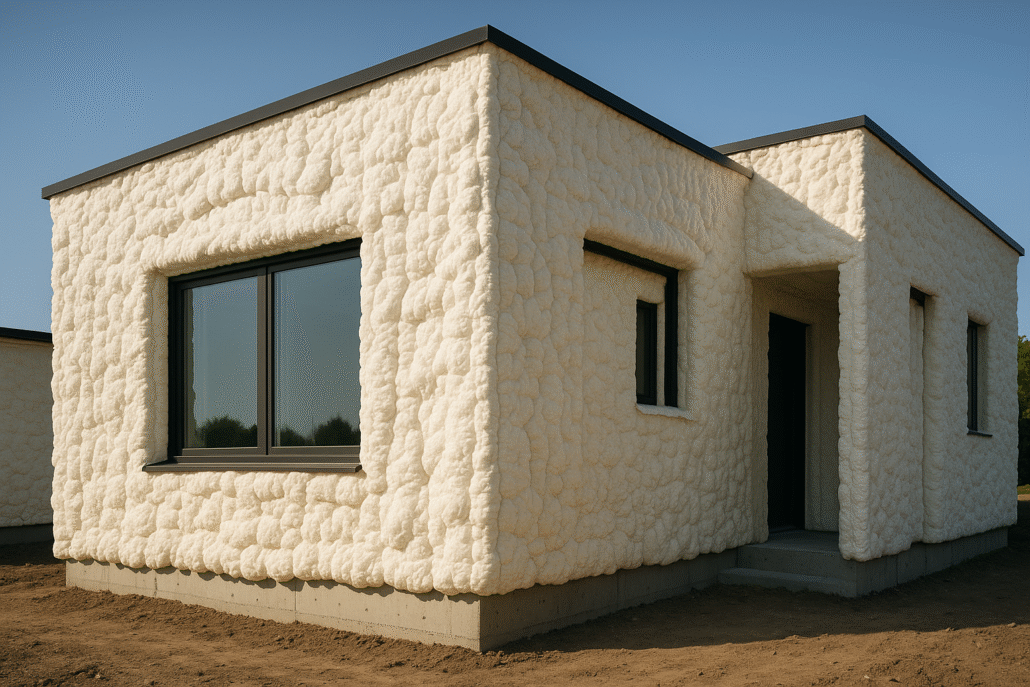
Passive house foam insulation is a modern insulation material used to meet the strict requirements for energy conservation found in passive house standards. The foam, typically spray polyurethane, creates seamless, airtight barriers. This means fewer drafts, less heat loss, and dramatically better energy efficiency compared to older insulation solutions like fiberglass batts or blown-in cellulose. Passive house refers to a building standard focused on reducing a home’s energy needs to a minimum—without compromising comfort.
The History of Ultra-Efficient Insulation
Insulation has taken a long journey to reach its current status. Traditional options such as mineral wool and fiberglass were once considered top choices for green building standards, but as energy conservation demands increased, so did the need for more effective materials. The introduction of passive house foam revolutionized the industry. Over the last couple of decades, builders have made a big shift toward higher R-values, tighter envelopes, and better safetygear protocols to meet ultra-efficient insulation goals. This move helped both homeowners and commercial clients save money and embrace greener practices.
Current Trends in Passive House Insulation
Today’s most exciting trend is the use of spray foam in conjunction with airtight construction practices. In North America, more builders are aiming for passive house or Net Zero certification, which demands materials that do more with less. Passive house foam insulation not only maximizes energy savings but also controls indoor moisture, noise, and even pests. Builders are integrating advanced safetygear to protect installers and meet evolving green building standards. The dedication to ultra-efficient insulation is making a real difference in how buildings perform in all four seasons.
Challenges Applied to Green Building Standards
While passive house foam is powerful, there are hurdles. Not every older home is easy to retrofit with these modern materials. Property owners may need air sealing, upgraded windows, or extra wall thickness to hit passive house targets. Safetygear for installers is crucial, as spray foam chemicals require full skin and lung protection. Additionally, strict green building standards sometimes add paperwork, inspections, and upfront costs, but these are quickly balanced out by lower utility bills thanks to superior energy conservation.
Future Prospects and Energy Conservation
The future of passive house insulation with foam looks promising. Researchers are pushing for even higher R-values, reduced chemical emissions, and easier recycling processes. Emerging products are more user-friendly, especially when installed with proper safetygear and oversight. As governments tighten regulations around green building standards, passive house foam is likely to be at the heart of ultra-efficient insulation and next-level energy conservation. Homeowners, builders, and policymakers are all working together for a more sustainable built environment.
Step-by-Step Guide to Installing Passive House Foam
- Assessment: A contractor evaluates the building’s current envelope and energy needs.
- Preparation: Furniture and belongings are moved, and safetygear such as masks and suits is provided to installers.
- Air Sealing: Cracks and gaps are sealed to ensure total coverage.
- Application: Foam is sprayed into wall cavities, roof spaces, or floors to create a continuous, airtight layer.
- Inspection: Crews verify every area is filled and foam is properly installed.
- Finishing: Once set, foam is trimmed, and walls and ceilings are closed up.
- Cleanup: Workspaces are cleaned, and safetygear is removed safely.
Throughout this process, safetygear keeps installers protected from chemical exposure and ensures a high-quality result for your passive house insulation.
Comparing Insulation Types
- Passive House Foam: Delivers top-tier air sealing, highest R-value per inch, and major energy conservation advantages.
- Fiberglass Batts: Less expensive, but more prone to air leaks and lower performance.
- Cellulose: Good for retrofits, eco-friendly, but not as tight as foam for passive house standards.
- Mineral Wool: Fire-resistant and sound-absorbing, but heavier and typically not as airtight.
In most cases, passive house foam leads the way for projects focused on ultra-efficient insulation and meeting current green building standards.
Expert Insights on Foam Insulation
Energy consultant Jane Barrett, a Passive House Canada member, says, “Spray foam insulation is a cornerstone for energy conservation in both residential and commercial retrofit projects.” According to recent reports, homes with passive house foam can reduce heating and cooling costs by up to 60%. When installed with the proper safetygear, risks are minimized and long-term performance is maximized, translating to more comfortable, cheaper-to-run homes.
White Knight Contracting has been trusted in business since 2011 and has the unique advantage of being able to handle a wide variety of jobs—like siding—meaning you don’t need to hire separate contractors for different energy upgrade projects.
Interesting FAQ
- Elastochem reports on recent advancements in spray foam chemistry improving insulation longevity.
- What is the expected lifespan of passive house foam insulation?
- Is it safe to live in a home right after foam insulation is installed?
- How does spray foam compare to traditional materials in meeting energy conservation goals?
- Can passive house standards be reached in older homes?
Conclusion
Achieving passive house insulation with foam is a smart investment for anyone serious about ultra-efficient insulation, energy conservation, and green building standards. By choosing quality safetygear and working with an experienced team, you ensure comfort, savings, and long-term value. To learn more and view our other blogs, click here.


Leave a Reply
Want to join the discussion?Feel free to contribute!