
Introduction
If you live in a condo, improving home comfort during winters is likely a top priority. Freezing drafts, uneven temperatures, and energy bills that keep climbing can make the colder months challenging. White Knight Contracting specializes in solutions that enhance home comfort foam and provide thermal comfort, ensuring your condo stays cozy through Calgary’s winters.
Table of Contents
- The History of Temperature Regulation in Condos
- Current Trends in Indoor Climate Control
- Challenges for Condo Owners During Winter
- Foam Insulation: Key to Home Comfort and Energy Efficiency
- The Future of Temperature Regulation in Condos
- Interesting FAQ
- Contact & Location
- Conclusion
The History of Temperature Regulation in Condos
Years ago, most condos relied on simple heating systems like baseboards or forced air to manage temperature regulation. Insulating materials were often basic, allowing cold to seep in and springing high utility bills. The science of home comfort foam and modern indoor climate control had not arrived yet, so many residents bundled up indoors to stay warm.
As urban living grew and condo developments became the norm, the focus on better insulation increased. Developers began to pay attention to materials that delivered both improved thermal comfort and energy efficiency, seeking out ways to regulate indoor climate consistently despite challenging weather.
Current Trends in Indoor Climate Control
Today, smart thermostats and advanced home comfort foam insulation are popular in condo renovations. These solutions do more than keep interiors warm; they reduce drafts and stop heat loss at the source. New construction projects often include multilayered walls, spray foam insulation, and thermal breaks to address winter’s toughest challenges.
- Smart thermostats allow remote monitoring and adjustments from your smartphone.
- High-performance windows and doors are replacing older, draft-prone designs.
- The demand for energy-efficient appliances is higher than ever, helping to maintain steady temperature regulation and lower costs in condos.
Staying ahead of these trends not only protects your budget but offers a noticeably greater level of coziness during winter months.
Challenges for Condo Owners During Winter
Condo living comes with its perks, but regulating thermal comfort during frigid winters can still be tough. Shared walls, limited space, and restrictions on making structural changes mean that not all standard home improvement solutions fit this environment. Temperature regulation often suffers if your condo’s envelope—the entire exterior, including walls, windows, and roof—isn’t properly insulated.
Common problems condo residents face:
- Cold spots near windows and doors.
- Inefficient heating, making some rooms much colder than others.
- Unexpectedly high utility bills despite keeping the thermostat low.
- A sense of draftiness, as heat escapes and cold sneaks in, even with minimal window openings.
Foam Insulation: Key to Home Comfort and Energy Efficiency
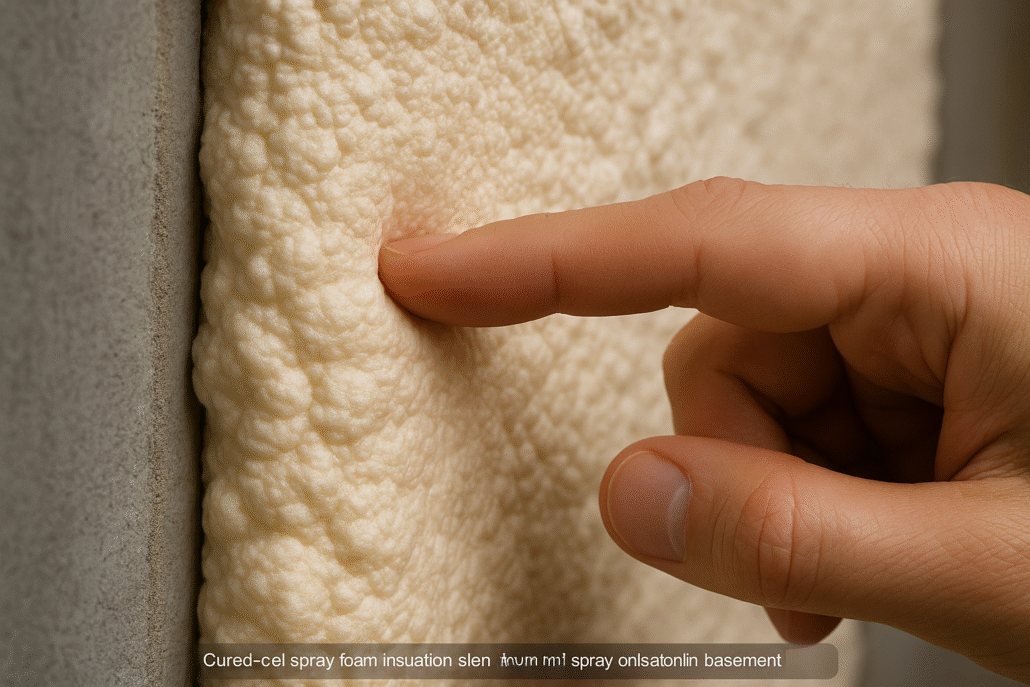
Spray foam stands out as a top choice for home comfort foam because it expands to fill every nook and cranny. This airtight barrier helps lock in heat and keep out the chill, creating noticeable improvements in both immediate comfort and long-term energy savings. Foam insulation also reduces noise transfer between units, which is an added bonus in multi-family condos.
What makes foam insulation such a game-changer for thermal comfort in condos?
- Seals gaps more effectively than traditional batt insulation, reducing cold leaks.
- Doubles as an air and moisture barrier, fighting off potential mold and condensation issues common in high-rise living.
- Contributes to meeting stricter building codes focused on indoor climate control and sustainability.
- Results in a more stable indoor temperature, meaning no more shivering in one room while sweating in another.
Installing spray foam typically involves a step-by-step process:
- Inspection of current insulation and identification of cold spots or weak areas.
- Preparation and protection of all surfaces not targeted for insulation.
- Application of foam using specialized equipment for complete coverage.
- Trimming and finishing for seamless integration into existing walls or ceilings.
Many homeowners find that they recoup insulation costs faster than expected due to reduced heating expenses.
The Future of Temperature Regulation in Condos
Building codes continue to evolve, with new measures demanding higher energy efficiency and stricter testing for air leaks. As technologies improve, future condos may be built with materials that automatically adapt to inside and outside temperature shifts. Integrating sensors with indoor climate control systems will let residents dial in their desired thermal comfort levels with even greater precision.
Foam insulation and other modern materials will likely play a big role. Expect improvements in spray formulations for even better performance, as well as more condo-friendly methods of installation that don’t require big renovations or extensive downtime.
The key takeaways for condo owners? Staying up to speed with new insulation approaches and understanding your building’s specific needs will always be crucial for maximizing winter home comfort.
Interesting FAQ
- What is home comfort foam, and why is it important in condos?
Home comfort foam refers to spray foam insulation that helps regulate the indoor temperature, keeping your condo warm even during harsh winters. It’s vital for consistent thermal comfort and lowering energy costs. - Can foam insulation be installed in existing condos without major renovations?
Yes, spray foam is designed to be minimally invasive. Professionals can often access wall cavities and problem areas without extensive construction, but always check with your condo board first. - How does spray foam improve indoor climate control?
Spray foam creates an airtight seal, preventing heat from escaping and cold from entering. This keeps indoor environments comfortable and drastically reduces drafts. - Is there a difference between regular insulation and foam insulation for condos?
Absolutely. Foam insulation typically provides better thermal comfort, seals gaps more thoroughly, and offers better moisture and sound control than traditional insulation materials in most condo applications.
Contact & Location
In business since 2011, White Knight Contracting offers spray foam insulation and much more—including siding and general contracting—so condo owners don’t have to juggle multiple service providers. See the map below for our location:
Conclusion
Improving home comfort during winters in your condo is well within reach, thanks to innovations in home comfort foam and modern temperature regulation strategies. By focusing on proper insulation and indoor climate control, you lay the groundwork for cozier winters and energy savings. To learn more and view our other blogs, click here.

