
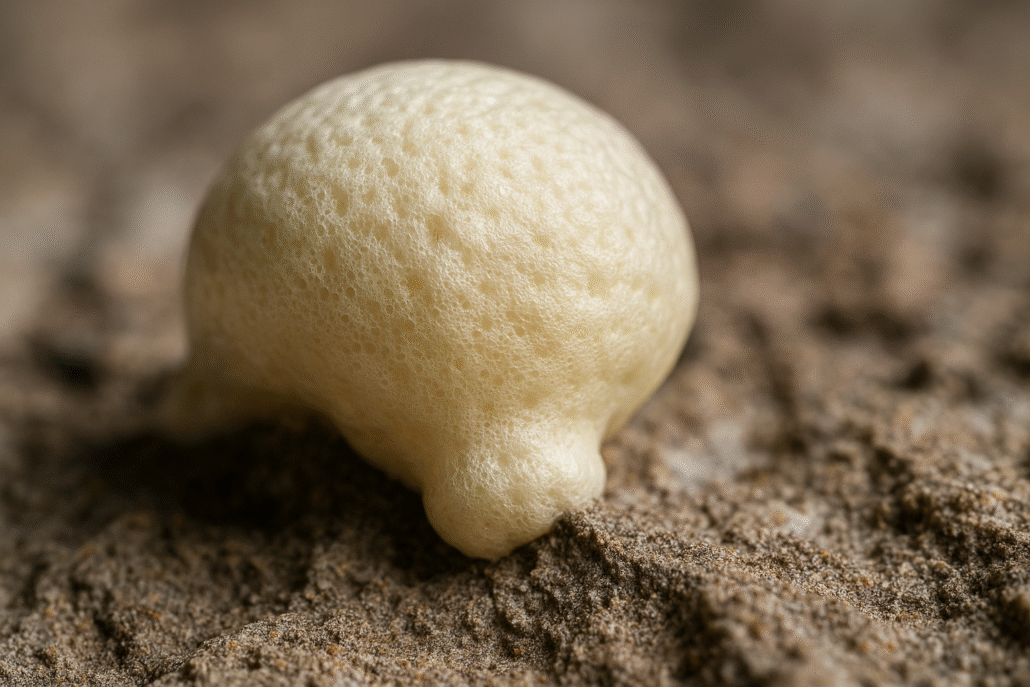
Winter Spray Foam Installation Tips: Navigating the Barrier of Cold Weather with Success
When winter arrives, a reliable barrier is vital for stopping the chill from creeping into your home. For many Albertans, winter insulation tips become a top priority, especially for homeowners considering spray foam insulation. At White Knight Contracting, we’ve seen firsthand how proper preparation and strategy lead to winter energy savings and keep homes comfortable through the frostiest months.
Table of Contents
- History of Spray Foam in Cold Climates
- Current Trends in Winter Insulation Tips
- Challenging Installations in Cold Weather
- Step-by-Step Guide: Cold Weather Foam Application
- Future Prospects for Winter Energy Savings
- Interesting FAQ
- Our Location
- Explore More on Moisture Barriers
History of Spray Foam in Cold Climates
Spray foam insulation has evolved into a standard solution for barriers against harsh winters. Decades ago, homeowners often layered fiberglass or cellulose insulation in hopes of staying warm, but these materials struggled when faced with Alberta’s bone-chilling wind. As energy costs climbed and the need for winter energy savings became clear, spray foam—especially closed-cell—gained popularity for its moisture resistance and seamless application.
Cold weather foam use began in the 1980s, but early products sometimes failed when temperatures dropped too low. Today’s formulations, however, can handle challenging installations at temperatures well below freezing. Industry leaders recognized that the barrier created by spray foam isn’t just about heat retention—it’s about preventing ice dams, moisture buildup, and long-term structural damage.
Current Trends in Winter Insulation Tips
Modern spray foam technology uses chemicals that react rapidly, even in the cold, leading to faster installations and better winter energy savings. Homeowners now choose closed-cell foam for its superior air and vapor barrier, which is especially important during deep freezes. Builders look for winter insulation tips that focus on:
- Proper substrate temperatures (keeping surfaces above -5°C when possible)
- Quick application to minimize exposure
- Sealing critical points like rim joists, attics, and crawlspaces
- Using heaters or tents around work areas for extreme jobs
- Innovative spraying rigs with built-in heaters
The barrier against cold is more than just foam—it’s a strategy. By combining correct materials, techniques, and timing, today’s contractors maximize both energy savings and comfort.
Challenging Installations in Cold Weather
Challenging installations are common when spraying foam during Alberta winters. The biggest barrier is temperature. Below -10°C, chemical reactions can slow down or the foam may not adhere properly. Wind and humidity add complications, often demanding special equipment and extra time. Here’s what sets a successful installation apart:
- Careful weather monitoring before and during the project
- Pre-heating both chemicals and application equipment to ensure a smooth mixture
- Staging materials indoors or in heated trailers
- Allowing sufficient cure time before exposing foam to the elements
Another challenge is safety. Winter insulation tips always include good ventilation and proper protective gear, as fumes are more concentrated in sealed winter spaces. With experience and the right approach, White Knight Contracting can overcome these barriers, providing durable solutions without leaving gaps or cold spots.
Step-by-Step Guide: Cold Weather Foam Application
Applying spray foam in winter involves a careful process to break through the cold barrier and achieve top winter energy savings. Here’s how a professional typically tackles challenging installations:
- Inspect the site, checking for moisture, debris, or ice on surfaces to be foamed.
- Seal any obvious air leaks with caulking or foam board for an added barrier.
- Set up heater or tenting if outside temperatures are dangerously low. Maintain proper temperature for chemicals (ideally 21°C).
- Spray a thin “flash coat” to test adhesion and product reaction.
- Apply foam in layers, allowing proper expansion and curing between passes.
- Inspect finished work for consistency, adhesion, and complete barrier coverage.
After installation, the area should be ventilated well while the foam cures. Challenging installations handled correctly result in tighter, warmer, and safer homes.
Future Prospects for Winter Energy Savings
Looking ahead, new developments in cold weather foam science promise even better results for tough Canadian seasons. Manufacturers are designing products that can handle -18°C applications, improving the reliability of winter insulation tips. Digital monitoring of chemical temperatures and application rates is also making the process more precise. The future of spray foam in challenging installations rests on:
- More eco-friendly, low-VOC formulations
- Better portable heating equipment
- Improved barrier-testing technology to ensure full coverage
- Automated or robotic sprayers for tight or risky areas
Reliable insulation in winter isn’t just about staying warm—it’s about saving on energy bills and prolonging your home’s life. For over a decade, White Knight Contracting has stayed ahead of trends, offering trustworthy advice and top-quality results.
Interesting FAQ
Pinnacle West specializes in spray foam and protective coatings for building envelopes.
- What is the best barrier against winter cold in Alberta homes?
Closed-cell spray foam creates an effective air and vapor barrier, outperforming fiberglass or cellulose insulation in cold climates. - Can spray foam insulation be applied below freezing?
- Yes, but it requires special techniques: pre-heating chemicals, tenting work areas, and monitoring substrate temperature are key winter insulation tips for success.
- How does cold weather foam improve winter energy savings?
- By stopping drafts and sealing every crevice, spray foam keeps warm air in and cold air out. This reduces heating bills and makes your home more comfortable.
- Can spray foam lead to challenging installations?
- Absolutely. Winter spray foam projects demand experience and planning, but trusted pros like White Knight Contracting have the know-how to manage all aspects, including siding and other upgrades if needed.
- How soon can you re-enter your home after winter spray foam installation?
- Typically, it’s safe after 24 hours—ventilation and cure rates may vary with temperature.
Our Location
Explore More on Moisture Barriers
To learn more and view our other blogs, click here.

