
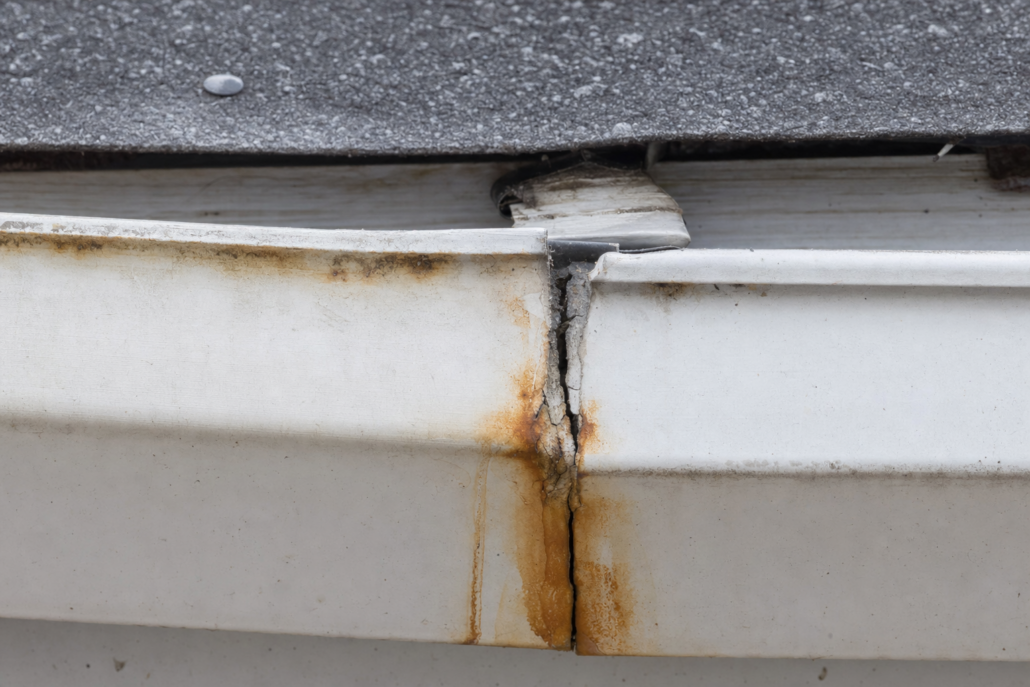
Eavestrough replacement Calgary becomes a bigger concern in winter when ice dams start forming along the roof edge and pushing water where it should never go. In many Calgary homes, the trouble starts with snow, heat loss, and repeated freeze-thaw cycles. White Knight Contracting, a local exterior team you can find through their Calgary eavestrough service page, has worked on roofs, siding, soffit, fascia, and eavestrough systems since 2011. That matters because ice dam damage often affects more than one part of the home. What looks like a gutter problem may also involve insulation, roof edges, downspouts, or siding. So, before you decide between repair vs replace gutters, it helps to understand how ice dams form and what they do to your eavestrough.
Table of Contents
- How Ice Dams Form in Calgary
- A Short History of Eavestroughs and Ice Problems
- What Ice Dams Do to Your Eavestrough
- Eavestrough Replacement Calgary: Repair or Replace?
- Calgary Trends and Homeowner Challenges
- Company Highlight
- Future Prospects and What to Expect
- FAQ
- Q&A
How Ice Dams Form in Calgary
An ice dam is a ridge of ice that forms near the edge of your roof. It happens when snow melts higher up on the roof, runs downward, and then freezes again near the colder eaves. Calgary’s chinooks can make this worse because temperatures may rise above freezing during the day and drop again at night. That back-and-forth creates perfect conditions for ice buildup. Once the ice blocks water from draining, the water can sit behind the dam and work its way under shingles. From there, it can reach the fascia, soffit, attic, insulation, and eavestrough.
Think of it like a traffic jam on your roof. Meltwater is trying to move toward the downspout, but the ice blocks the lane. When water has nowhere to go, it spreads sideways or backward. Your eavestrough is designed to carry rain and meltwater away, not hold heavy frozen ridges for days or weeks. Over time, the extra weight can bend brackets, pull fasteners loose, and cause the trough to slope the wrong way. That is when a simple winter issue can turn into a larger Calgary eavestrough service call.
A Short History of Eavestroughs and Ice Problems
Eavestroughs have been used for centuries in different forms, from stone channels on older buildings to modern aluminum systems on today’s homes. Their job has stayed the same: move water away from the structure. In Calgary, that job is especially important because homes deal with snow, hail, wind, and fast weather swings. Older sectional gutters were common for years, but they had more seams, which meant more chances for leaks. Seamless aluminum eavestroughs became popular because they reduce weak points and handle water more smoothly.
However, even a good eavestrough can struggle when roof heat loss causes ice dams. Many homes built before newer energy standards may have attic air leaks or low insulation levels. When warm indoor air escapes into the attic, it warms the roof deck. Snow melts from underneath, even when the air outside is cold. Then the melted water freezes near the roof edge. This is why ice dam prevention is not only about gutters. It is also about roof ventilation, attic insulation, air sealing, and proper drainage.
What Ice Dams Do to Your Eavestrough
Ice dams can cause several types of eavestrough damage. The most obvious is sagging. Ice is heavy, and when it fills the trough, the hangers may not hold. In some cases, the eavestrough pulls away from the fascia board. That gap lets water run behind the trough instead of into it. If this keeps happening, the wood behind the system can rot, and water may pool close to the foundation.
Leaks are another common issue. If the eavestrough has seams, ice expansion can widen small gaps. When spring arrives, those gaps become dripping points. You may also see cracks, bent corners, crushed downspouts, or peeling paint near the roofline. Pooling water near your foundation is one of the most important warning signs because it can lead to basement moisture, soil movement, and long-term structural concerns. According to many home maintenance experts, keeping roof water away from the foundation is one of the simplest ways to reduce water damage risk.
Eavestrough Replacement Calgary: Repair or Replace?
When homeowners compare repair vs replace gutters, the right choice depends on the age, condition, and extent of the damage. A small leak at one joint may only need sealing. A loose bracket may be re-secured if the fascia is still solid. In that case, the eavestrough repair cost may be much lower than replacement. For minor work, homeowners often see costs in the low hundreds, while larger repairs can climb higher depending on access, materials, height, and damage.
Replacement makes more sense when the system has several failing areas. If the trough is sagging in multiple spots, cracked, rusting, pulling away, or not sloped correctly, patching it may only delay the real fix. Quality aluminum eavestrough on Calgary homes can last 20–30 years with proper installation. Cheaper sectional systems may only last 10–15 years, especially if they face repeated ice buildup. If you are paying for repairs every season, replacement may be the smarter long-term choice. It can also be a good time to improve downspout placement, add better drainage extensions, or upgrade to a seamless system.
Calgary Trends and Homeowner Challenges
One major trend in Calgary is the growing focus on full exterior systems instead of one-off repairs. Homeowners are starting to understand that the roof, attic, siding, soffit, fascia, and eavestrough all work together. If one part fails, the others may suffer. For example, clogged or undersized downspouts can worsen ice buildup. Poor attic ventilation can create uneven roof temperatures. Damaged fascia can make it hard for eavestrough hangers to stay secure.
Another challenge is Calgary’s storm history. Hail can dent eavestroughs, loosen fasteners, and damage shingles. Then winter ice adds another layer of stress. This is why a good inspection looks beyond the trough itself. A contractor should check slope, hanger spacing, fascia condition, downspout flow, roof edge damage, and signs of water backing up. Homeowners should also watch for icicles. While a few icicles are common in winter, large heavy rows may point to trapped water or heat loss.
Company Highlight
White Knight Contracting has been in business since 2011 and brings a broad exterior skill set to Calgary homes. A key strength is that they can handle many connected repairs, including siding, roofing, eavestrough, downspouts, soffit, and fascia, without homeowners needing to hire a second contractor for related work. That is helpful after ice dams because damage rarely stays in one neat area. A pulled eavestrough may expose fascia trouble. A leaking roof edge may affect soffit ventilation. Hail damage may involve siding and gutters at the same time.
The company is also known for exterior repair work tied to storms and hail damage. This matters in Calgary because weather can change fast, and damage can build up over several seasons. Their strengths include communication, practical repair planning, and finding custom solutions for homes with ongoing drainage or soffit issues. For homeowners, that means fewer moving parts and a clearer path from inspection to repair. A single exterior team can often spot linked problems faster than separate contractors working in isolation.
Future Prospects and What to Expect
Looking ahead, Calgary homeowners can expect more attention on prevention. Better attic insulation, improved air sealing, proper ventilation, and well-sized eavestrough systems will become even more important. Newer gutter systems may include stronger hanger designs, seamless runs, larger downspouts, and better drainage planning. These changes do not stop winter, but they help your home handle meltwater more safely.
If you are planning eavestrough replacement Calgary work, expect a contractor to look at more than the visible gutter. They may ask where water pools, whether ice forms in the same spot each year, and if you have seen stains inside the attic or ceiling. They may also recommend redirecting downspouts farther from the foundation. A practical homeowner step is to take photos during winter when ice forms, then share those photos during the inspection. This gives the contractor a real-world view of what is happening during freeze-thaw conditions.
FAQ
In Calgary winters, ice dams can form along the roof edge when melting snow refreezes and blocks water from draining properly, which can force water back under shingles and toward the eavestrough system.
Q&A
Question
How do you know when your Calgary eavestrough needs replacing not just repairing?
Answer
Key replacement signs include sagging sections, visible cracks, pulling away from fascia, persistent leaking, rust, and pooling water near the foundation. If the same problem keeps coming back after repairs, replacement may be more cost-effective than paying repeated service bills. The choice often comes down to age, damage level, and whether the system still moves water away properly.
Question
What is the average lifespan of eavestrough on a Calgary home?
Answer
Quality aluminum eavestrough on Calgary homes lasts 20–30 years with proper installation. Cheaper sectional systems may need replacement in 10–15 years, especially when seams, fasteners, and joints are exposed to repeated ice, snow, and hail. Regular cleaning and quick repairs can help extend the life of the system.
To learn more and view our other blogs, click here,
Conclusion
Ice dams may start as frozen water at the edge of your roof, but the damage can spread into your eavestrough, fascia, soffit, siding, attic, and foundation area. Calgary’s freeze-thaw weather makes this a common problem, especially when roof heat loss and poor drainage work together. The best approach is to look at the full water path, from melting snow on the roof to where the downspout releases water on the ground. Sometimes a simple repair is enough. Other times, eavestrough replacement Calgary service is the better long-term fix, especially when the system is old, sagging, cracked, or leaking in several places. With the right inspection and a plan that treats the whole exterior, your home can handle winter water more safely and avoid bigger repair costs later.
The photo used in this blog are for demonstration purposes only.


Leave a Reply
Want to join the discussion?Feel free to contribute!