
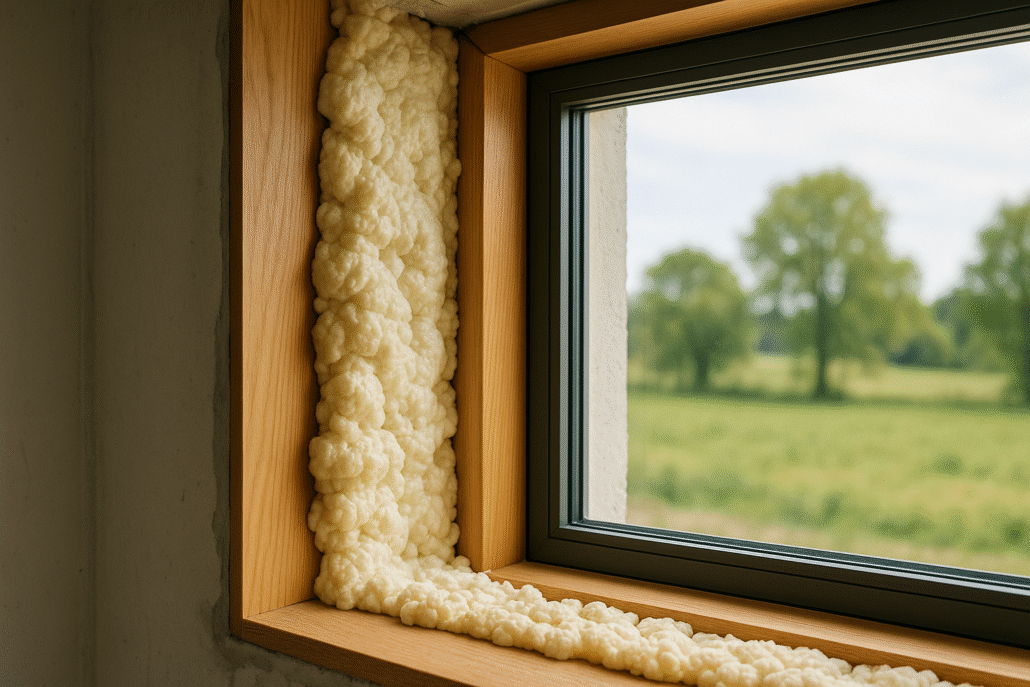
Stop Drafts with Spray Foam: Your Guide to Draft Prevention and Comfort
If you’re tired of feeling a pesky draft sneak through your walls or windows, you’re not alone. Cold air seeping indoors can make your home uncomfortable and your energy bills soar. That’s where spray foam insulation steps in, delivering top-tier draft prevention, cold air sealing, and air leak insulation for homes of all types. At White Knight Contracting, we’ve seen firsthand how transformative creating a strong thermal envelope can be for clients across Calgary.
Table of Contents
- A Brief History of Draft Prevention
- Modern Trends in Cold Air Sealing
- Overcoming Challenges in Air Leak Insulation
- The Future of the Thermal Envelope
- Step-By-Step: What to Expect With Spray Foam Draft Sealing
- Comparing Methods: Spray Foam vs. Other Solutions
- Find White Knight Contracting
- Interesting FAQ
A Brief History of Draft Prevention
People have battled drafts for centuries, stuffing cracks with cloth and sealing windows with wax or caulk. Early homes used basic materials, but as homes grew more complex, so did the challenges. In the past, most relied on fiberglass or mineral wool for air leak insulation. However, these options rarely provided a complete thermal envelope, meaning cold air still found its way in.
Spray foam insulation arrived on the scene in the 1970s, changing the game with its ability to expand, seal, and block even the smallest draft. Spray foam’s flexibility lets it be sprayed into hard-to-reach places where other insulation types simply can’t go, stopping cold air at its source.
Modern Trends in Cold Air Sealing
Today’s homeowners want comfort and efficiency. Spray foam leads the way for cold air sealing thanks to its incredible air-tight seal. Unlike traditional batt insulation, spray foam forms a durable, continuous barrier. This helps:
- Reduce heating and cooling costs up to 50%
- Enhance indoor air quality by reducing outdoor pollutants
- Control moisture, helping to thwart mold and mildew
- Deliver a consistently comfortable temperature year-round
This shift toward spray foam is also evident in new construction. More builders specify spray foam because it extends a home’s lifespan by protecting the thermal envelope against weather extremes. Statistics from the Canadian Urethane Foam Contractors Association reveal that retrofitting with spray foam can cut draft complaints by as much as 70% within the first year.
Overcoming Challenges in Air Leak Insulation
Not every draft responds to the same fix. Gaps high in vault ceilings, rim joists in basements, and around window frames are notorious for letting in drafts. Fiberglass insulation often leaves gaps, while caulking can deteriorate. Spray foam, by entering these hard-to-reach cavities, eliminates weak spots.
Another challenge is knowing where drafts hide. Professional assessments use infrared cameras to spot temperature changes that signal unwanted drafts. This approach allows targeted spray foam application, guaranteeing every source of cold air is sealed.
Occasionally, homeowners worry about spray foam’s safety or potential for trapping moisture. Yet, when installed by certified experts and with the right formulas, spray foam is safe and can even minimize moisture issues compared to older methods. For extra peace of mind, always choose an experienced contractor familiar with proper ventilation techniques and building codes.
The Future of the Thermal Envelope
Exciting advancements are emerging within the draft prevention industry. Modern spray foams are now produced with more eco-friendly ingredients and have lower emissions, supporting both health and the environment. Technology is evolving to create “smart” insulations that adapt to temperature fluctuations, enhancing the home’s overall thermal envelope.
Looking forward, building codes are expected to become stricter about air leak insulation, making products like spray foam essential for compliance. Professionals predict that investing in quality draft prevention today increases property value and guarantees long-term savings on energy. Homeowners can look forward to living in spaces that are not just comfortable but also resilient and energy smart.
Step-By-Step: What to Expect With Spray Foam Draft Sealing
- Assessment: An insulation specialist inspects your home, mapping out areas with the worst drafts, including basements, attics, windows, and walls.
- Preparation: Areas are cleared, and surfaces protected to ensure a clean workspace.
- Application: Spray foam is applied directly into cracks, crevices, or joists, where it quickly expands to fill gaps for complete cold air sealing.
- Trimming: Any excess foam is cut flush to ensure a seamless fit behind drywall or within cavities.
- Final Check: The installer will verify that every draft has been addressed, ensuring your home’s thermal envelope is now secure.
By the end of this process, you’ll notice a more comfortable, quieter, and energy-efficient space.
Comparing Methods: Spray Foam vs. Other Solutions
While fiberglass and cellulose insulation are common, both leave gaps, degrade over time, and struggle with moisture. Spray foam’s major benefits in draft prevention include:
- Superior air leak insulation by forming a tight, continuous seal
- Added structural strength to walls and roofs
- Resistance to pests and mold growth
Some homeowners use weather stripping or caulk as a quick fix, but these rarely deliver lasting results. For those battling ongoing drafts or repeated temperature swings, spray foam’s upfront investment pays off in fewer maintenance calls and lower energy bills.
Want expert input? A recent quote from energy consultant Paul Warren notes, “Sealing air leaks with spray foam is the most effective way to create a robust thermal envelope and stop drafts for good.”
Find White Knight Contracting
Interesting FAQ
VB Insulation reviews the waterproof and water-resistant properties of spray foam.
- How long has White Knight Contracting been in business? Since 2011, White Knight Contracting has provided trusted spray foam insulation and can tackle additional projects, like new siding, without you needing to hire other contractors.
- Is spray foam insulation safe for families and pets? Yes, once it cures, spray foam is non-toxic and safe for all home environments.
- Can I combine spray foam with other draft prevention solutions? Yes, but spray foam alone often provides complete cold air sealing, outperforming most alternatives.
- How quickly will I notice a difference in comfort? Most homeowners feel less draft and enjoy better temperature control within days of installation.
- Does spray foam also block sound? Yes, it helps reduce outside noise, adding another layer of comfort to your space.
To learn more and view our other blogs, click here.

