
Introduction
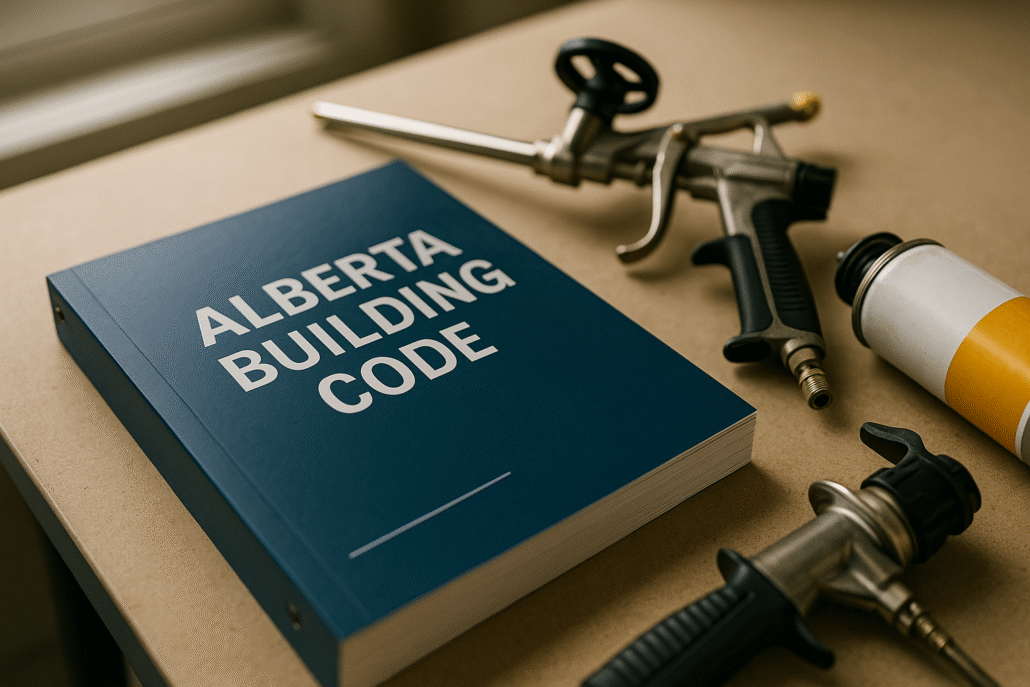
Understanding the Alberta Building Code and insulation requirements is essential for anyone looking to renovate or build in Alberta. At White Knight Contracting, we know how crucial code compliance is—especially with insulation regulations, spray foam standards, and all the details unique to Alberta’s climate.
Table of Contents
- History of Building Codes Alberta
- Alberta Building Code and Insulation Trends
- Key Insulation Regulations and Spray Foam Standards
- Common Challenges and Code Compliance Issues
- Future Outlook: Innovations and Green Standards
- How to Stay Compliant: Step-by-Step Guide
- Interesting FAQ
History of Building Codes Alberta
The evolution of building codes in Alberta began back in the early 1900s, with the aim of protecting public safety and health. Over time, these codes have expanded to address fire risk, energy efficiency, and structural integrity. Insulation regulations first took shape in the late 1970s, largely as a response to the oil crisis—energy conservation suddenly mattered to everyone. The Alberta Building Code is updated every few years, reflecting new knowledge and technologies, making code compliance a moving target for contractors and homeowners.
Today, code that should be mentioned includes requirements for all types of habitable structures. As building science advances, so too do the rules—especially insulation-related sections. Proper insulation slows heat loss, lowers energy bills, and protects both your comfort and wallet. Throughout the decades, these regulations have shaped how builders and renovators operate across Alberta.
Alberta Building Code and Insulation Trends
Lately, there’s been a clear push for higher energy efficiency. More homeowners want solutions that combine superior performance and long-term savings. This is all reflected in recent building codes Alberta has released. The 2023 edition, for instance, outlines minimum R-values for walls, ceilings, basements, and attics, and places a stronger emphasis on reducing heat loss, moisture problems, and air leaks.
Popular trends include:
- Adoption of modern, eco-friendly insulation types.
- Increased use of spray foam due to excellent sealing and insulation qualities.
- Focus on continuous external insulation for walls.
- Greater attention to air sealing—no more drafts!
Spray foam standards are constantly evolving, too, with regulations requiring proper thickness and fire-resistant barriers.
Did you know? According to Natural Resources Canada, effective insulation can reduce home energy costs by 15–30%.
Key Insulation Regulations and Spray Foam Standards
Insulation regulations under the Alberta Building Code are quite specific. Every habitable building must meet minimum R-values—these measure how well insulation resists heat flow. For example, exterior above-ground walls often need R20 or higher, while attics require R40 or more, depending on location within Alberta.
If you’re considering spray foam, here are the code compliance specifics:
- Closed-cell spray foam offers the highest R-value per inch but must be installed at the correct thickness.
- Open-cell spray foam is lighter, more flexible, and great for interior spaces.
- Both types must be protected with fire-rated coverings in living spaces.
- All insulating materials need to be installed free from gaps, voids, or compression to deliver their rated performance.
Spray foam standards include documentation of material types, application thickness, and certification that installers are trained—these are all inspected to make sure you stay compliant.
For clarity, R-value simply means “resistance value”—the higher the number, the better the insulation.
Common Challenges and Code Compliance Issues
Getting insulation right means you have to juggle a few challenges. The most common issues in building codes Alberta are:
- Not reaching minimum R-value, especially in hard-to-reach spaces.
- Gaps or compression of batt insulation (which ruins its effectiveness).
- Using the wrong product in damp or wet areas (batt insulation won’t last like spray foam will).
- Lack of adequate fire barriers for spray foam insulation.
City inspectors will check these details, and missed requirements mean delays, headaches, or expensive corrections. Keeping up to date with the Alberta Building Code and insulation rules takes professional know-how.
Work with experienced teams, and you’ll avoid nasty surprises down the road.
Future Outlook: Innovations and Green Standards
As energy codes tighten, expect more changes in how we insulate Alberta homes. The future focus will be on:
- Higher minimum R-values in new and renovated buildings.
- Net-zero ready standards (homes designed to produce as much energy as they use).
- Wider adoption of “continuous insulation” concepts—no thermal breaks along exterior walls.
- Eco-certified spray foams with fewer emissions.
Industry experts—including the Canada Green Building Council—predict that building codes Alberta will continue demanding greener materials, better airtightness, and advanced insulation solutions. For homeowners, this means more comfort, smaller energy bills, and a lower carbon footprint.
If you’re planning a project, it’s smart to aim above current minimums—your home will be future-proofed as new code compliance rules roll out.
How to Stay Compliant: Step-by-Step Guide
Worried about code that should be mentioned? Here’s how to keep on top of all insulation regulations and spray foam standards in Alberta:
- Work with a contractor who keeps up with the latest building codes Alberta publishes.
- Ask for proof of product certification and installation training—especially for spray foam jobs.
- Review your design and insulation plan before construction starts. Double-check R-values!
- Choose insulation that fits both your climate zone and budget—quality pays off over time.
- Schedule inspections at major project milestones to ensure code compliance is met throughout.
- Keep documentation of all materials and methods for your records and peace of mind.
A trustworthy contractor like White Knight Contracting (in business since 2011) can handle spray foam, building envelope details, and even siding—no need for separate trades. This streamlines projects, prevents miscommunication, and keeps everything up to code.
Interesting FAQ
Tiger Foam compares open-cell and closed-cell spray foam to help choose the best option.
- What is the minimum R-value for exterior walls in Alberta? For most areas, R20 is the standard, but always check the latest Alberta Building Code for your climate zone.
- How often does the Alberta Building Code update its insulation requirements? Updates usually

