
Introduction
Proper ventilation coordination with spray foam is critical in any project where spaces demand excellent air flow management and moisture control ventilation. Whether you’re considering upgrading attic ventilation in your home or protecting other important areas, it’s essential to get each piece of the puzzle right. The experts at White Knight Contracting have extensive experience helping clients maximize the benefits of spray foam insulation while ensuring healthy indoor environments.
Table of Contents
- The History of Spray Foam and Ventilation Coordination
- Current Trends in Air Flow Management for Spray Foam Projects
- Common Challenges of Balancing Ventilation and Foam
- Future Prospects and Innovations
- Step-by-Step Guide: Getting Ventilation Right with Spray Foam
- Comparing Ventilation Solutions for Different Spaces
- Expert Quotes & Industry References
- Interesting FAQ
- Contact and Next Steps
The History of Spray Foam and Ventilation Coordination
Spray foam insulation was introduced in the 1940s, but it wasn’t until the late 20th century that it became widely known for its energy efficiency. Early adopters often focused only on blocking drafts, sometimes overlooking the crucial role of ventilation. Over the years, building codes evolved, recognizing that while spray foam can seal spaces tightly, the right air flow management is mandatory to avoid moisture issues.
Moisture control ventilation, especially in attics, became a major concern when mold and wood rot were linked to poor air movement behind spray foam. Combining insulation with carefully engineered attic ventilation now represents the gold standard. Homeowners, builders, and inspectors learned that closed environments needed calculated access points for fresh air to preserve air quality and prevent damage.
Current Trends in Air Flow Management for Spray Foam Projects
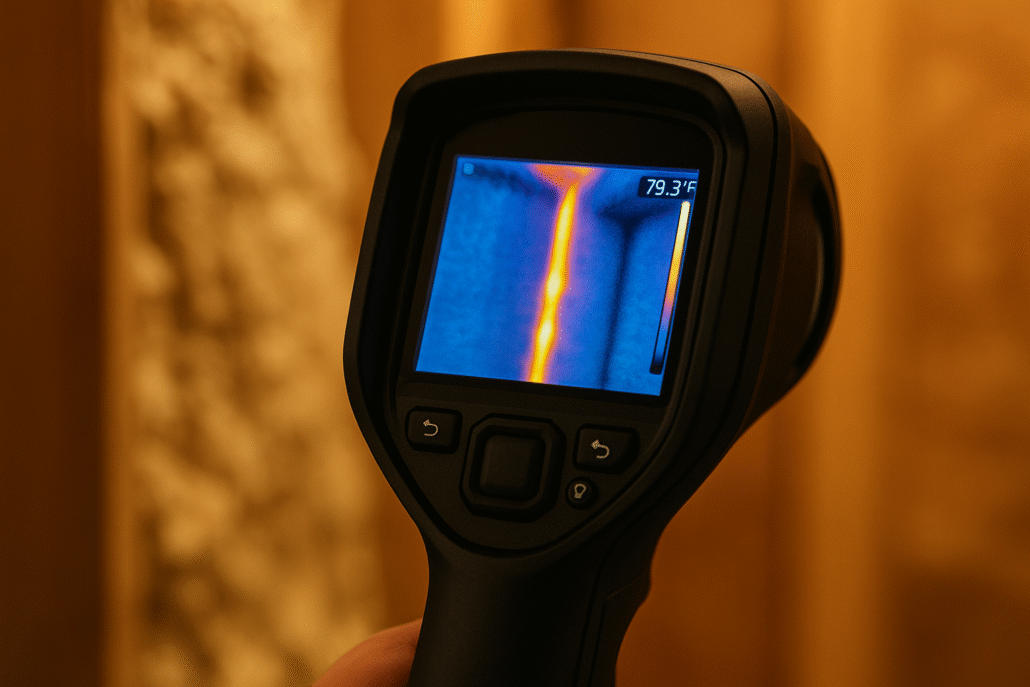
Today, the best practices for ventilation coordination with spray foam revolve around smart design, new technology, and clear codes. Many contractors use advanced diagnostic tools—like blower door testers—to locate unwanted leaks and precisely tailor airflow strategies. Balancing intake and exhaust is key in every type of space, from new homes to renovations and commercial buildings.
Mechanical ventilation systems, including energy recovery ventilators (ERVs), have become more popular. These not only supplement attic ventilation, but also help regulate moisture and temperature across the whole house. Large attic fans, specialized ridge vents, and strategically placed baffles keep insulation dry while maintaining efficient heating and cooling. Green building programs recognize projects that showcase seamless air flow management integrated with modern foam products.
Common Challenges of Balancing Ventilation and Foam
One of the main challenges with combining spray foam insulation and ventilation is avoiding moisture traps. If warm, humid air from living spaces seeps into sealed-off attics without adequate attic ventilation, condensation can occur. This can damage roof structures and encourage mold growth. Another obstacle is retrofitting older homes, where existing vents may be blocked by new foam layers if not planned carefully.
- Incorrectly sized vents may render attic ventilation ineffective.
- Skilled air flow management is needed around chimneys and plumbing vents to meet building codes.
- In some climates, seasonal changes can complicate moisture control ventilation, requiring adjustable or mechanical systems.
Transparent communication with your insulation contractor makes all the difference. Consider a company with diverse experience capable of handling unexpected issues—like ensuring siding isn’t damaged while upgrading insulation.
Future Prospects and Innovations
The future of ventilation coordination with spray foam looks promising. Emerging technologies include smart home sensors that monitor air quality and humidity in real time, alerting homeowners to potential problems even before they occur. New eco-friendly foam formulas promise less off-gassing and improved permeability, allowing for even healthier spaces. Integration between HVAC systems and automated vent controls could further optimize air flow management in the coming years.
Expect to see building codes become even stricter regarding moisture control ventilation and air flow analysis, especially in energy-efficient homes. Contractors with a track record like White Knight Contracting are already keeping pace with these advances to deliver robust, future-proof solutions.
Step-by-Step Guide: Getting Ventilation Right with Spray Foam
- Start with an energy audit to assess your space’s needs and spot ventilation gaps.
- Plan both intake and exhaust points—good attic ventilation starts with balanced air movement.
- Work with qualified contractors to ensure foam is applied away from vent paths. Use baffles where necessary.
- Choose the right mechanical systems if natural ventilation isn’t enough for moisture control ventilation.
- Request post-installation testing—confirm air flow management is optimized and free from obstructions.
- Schedule follow-ups, since homes “settle” after upgrades, and new air paths may develop.
By following these steps, you’ll maximize spray foam benefits while protecting your investment and your family’s health.
Comparing Ventilation Solutions for Different Spaces
Ventilation must be matched to both the building’s design and foam type. For example, open-cell spray foam allows for some vapor to pass through and might be suitable with standard roof vents. Closed-cell foam provides a tighter seal, so dedicated mechanical ventilation (like an ERV) is often mandatory. Attics need continuous ridge or soffit vents, while crawlspaces may benefit from dehumidifiers as part of their ventilation system.
Some insulation systems combine foam with traditional insulation types, creating a “hybrid assembly” that can be tailored to older homes or mixed-use spaces. This flexibility highlights the importance of customized air flow management—there’s no one-size-fits-all solution.
Expert Quotes & Industry References
According to the U.S. Department of Energy, “No insulation can perform effectively if installed in a space with poor ventilation and unmanaged moisture.” Leading engineers now recommend ongoing monitoring—especially after foam upgrades.
John Smith, Certified Building Analyst, says: “The synergy between careful ventilation planning and quality spray foam can drastically cut utility costs while protecting building structure.”
ScienceDirect provides technical overviews of spray foam insulation for engineering applications: sprayfoammagazine.com
Interesting FAQ
- How does spray foam affect ventilation in attics? Spray foam’s sealing capabilities increase energy efficiency but require planned attic ventilation to prevent moisture buildup and maintain air quality.
- What’s the best way to manage air flow in older homes being retrofitted with foam? Partner with an experienced contractor to evaluate old vents, reroute as needed, and use vapor barriers or mechanical ventilation when required.
- Can foam insulation cause moisture problems? Yes, if not paired with proper moisture control ventilation. This is why a professional assessment and monitoring are vital.
- What makes White Knight Contracting different? In business since 2011, they can handle siding and other related upgrades, meaning fewer delays, better project management, and consistent results.
- Is spray foam safe for every space? It’s suitable for most, but coordination with ventilation strategies is necessary to prevent trapped moisture and ensure long-lasting performance.
Contact and Next Steps
Choosing a trusted partner to coordinate ventilation with spray foam is vital for long-term comfort and efficiency. To learn more and view our other blogs, click here.