
Introduction
Heritage homes in Calgary often charm us with their classic architecture, but when it comes to energy savings and comfort, properly insulating rim joists and corners is crucial. Many homeowners are surprised to discover that professional rim joist insulation, band board foam application, and foundation sealing are some of the most impactful upgrades they can make, especially with help from experts like White Knight Contracting.
Table of Contents
- History of Rim Joist Insulation in Heritage Homes
- Modern Trends in Basement and Rim Joist Insulation
- Challenges When Insulating Hidden Spaces
- Step-by-Step Guide: Insulating Rim Joists and Corners
- Comparing Methods: Foam vs. Fibreglass vs. Mineral Wool
- Future Prospects for Foundation Sealing in Historic Homes
- Interesting FAQ
- Why Choose White Knight Contracting?
- Explore More Resources
History of Rim Joist Insulation in Heritage Homes
Heritage homes, especially those built before 1950, often lack modern building science features. Builders commonly used little or no rim joist insulation because energy prices were low and thermal comfort wasn’t a top priority. The rim joist—where your home’s flooring meets its exterior walls—was simply sealed with wood and perhaps a bit of caulk. This results in cold floors, drafty basements, and higher energy bills today. If your home is historic, you can almost guarantee that your band board and corners are either uninsulated or filled with outdated materials that barely block heat loss.
Modern Trends in Basement and Rim Joist Insulation
Basement insulation has rapidly evolved, particularly in older properties. Rim joist insulation using closed-cell spray foam or rigid foam board is now the gold standard. Modern contractors focus not just on thermal resistance, but also on air and moisture barriers. The trend now is toward “continuous insulation,” where both rim joists and basement walls are sealed in one continuous line, maximizing performance and reducing mold risks. Band board foam is popular because it creates a seamless boundary against wind and cold. More homeowners are investing in comprehensive foundation sealing to protect against Calgary’s freeze-thaw cycles.
Challenges When Insulating Hidden Spaces
Insulating rim joists and corners in heritage homes presents unique obstacles:
- Limited access—pipes, wires, and narrow framing make some areas tough to reach
- Moisture issues—old homes might have leaks or dampness near the band board
- Preservation concerns—insulation must not damage woodwork or original features
- Choosing the right product—incorrect materials may trap moisture or shrink with age
Statistics show that up to 30% of a home’s basement heat can leak through uninsulated rim joists, making professional insulation a high-value upgrade. Proper rim joist insulation in heritage homes prevents cold spots and stops pests from sneaking in through tiny gaps.
Step-by-Step Guide: Insulating Rim Joists and Corners
Thinking about upgrading your basement insulation? Here’s what to expect in a professional rim joist insulation job:
- Assessment—Technicians inspect for existing damage, mold, and gaps.
- Preparation—The rim joist area is cleared of debris, nail protrusions, and old insulation.
- Sealing—Gaps and cracks are filled with caulk or specialized foam.
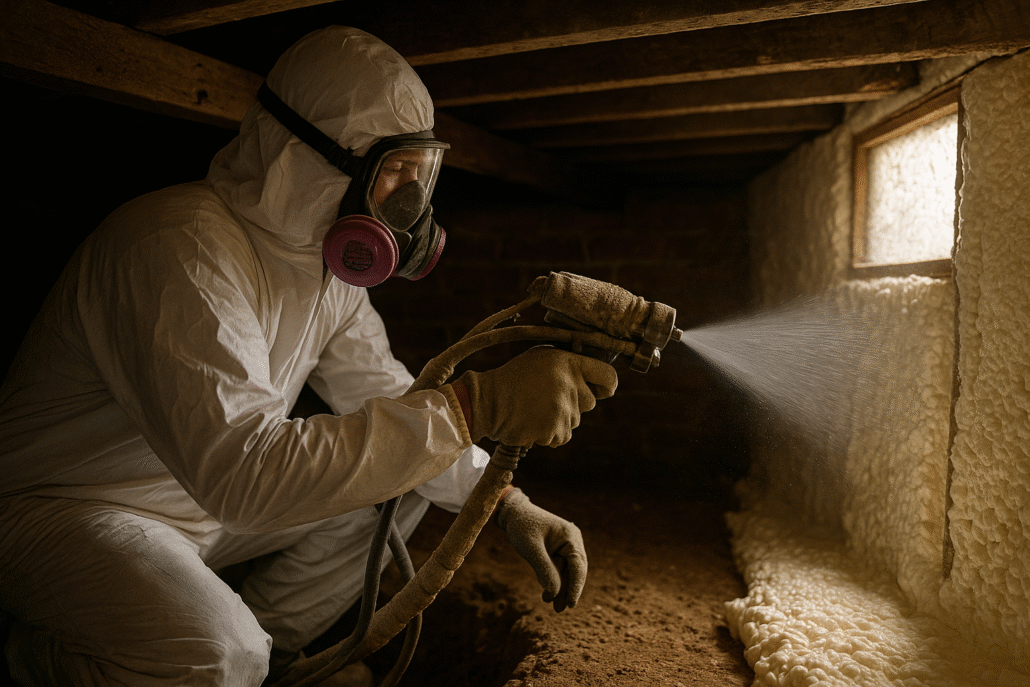
- Insulation—Closed-cell spray foam or rigid foam boards are installed across rim joists and corners. Band board foam is applied to create a solid barrier.
- Foundation sealing—Joints are taped or sealed, and vapor barriers installed if needed to stop moisture migration.
- Clean-up—The area is left tidy, with a final inspection for coverage and fit.
This process typically takes less than a day and causes minimal disruption to the home.
Comparing Methods: Foam vs. Fibreglass vs. Mineral Wool
Not all rim joist insulation options are created equal. Here’s how three common methods stack up:
- Spray Foam: Offers the best air seal and highest R-value per inch. It also serves as a vapor barrier, making it ideal for foundation sealing and troublesome corners.
- Rigid Foam Board: Effective, especially for band board insulation. Must be cut to fit and seams sealed with foam or tape. Slightly less airtight compared to spray foam.
- Fibreglass Batt: Affordable and easy to DIY but doesn’t block air or moisture well. Its performance in basement insulation is poor compared to newer foam products.
Minimizing air leakage is crucial. Closed-cell foam has been shown to reduce energy waste by up to 20% compared to older methods.
Future Prospects for Foundation Sealing in Historic Homes
The next wave of innovation will likely focus on eco-friendly rim joist insulation materials and smarter moisture controls. Aerogel blankets and sustainable rigid foams are emerging as alternatives for sensitive heritage applications. Homeowners will also see more pre-inspection technologies—like thermal imaging—catching hidden cold spots before work starts. Expect contractors to offer bundled services for comprehensive basement insulation, rim joist insulation, and foundation sealing to address the building as a whole, not just as individual parts.
Interesting FAQ
Green Building Advisor offers a detailed guide to spray foam insulation for builders and homeowners.
- How much energy savings can rim joist insulation deliver?
In many Calgary homes, upgrading rim joists and corners can cut heating loss through the basement by up to 30%. - Do spray foam products damage historical woodwork?
No, when applied professionally, spray foam stays clear of your finished trim and remains removable if needed for future restoration. - How do I know if my basement insulation or band board needs upgrading?
You’ll often feel cold floors above, drafty corners, or even see frost on the rim joists in winter. - Is it possible to combine insulation upgrades with other projects?
Yes! White Knight Contracting can also handle exterior siding, minimizing disruptions and saving on labor costs.
Why Choose White Knight Contracting?
Serving Calgary since 2011, White Knight Contracting understands the unique needs of local heritage homes—from period-accurate basement insulation to advanced rim joist insulation techniques. They stand out by managing full exterior and interior renovations, so you don’t have to juggle multiple contractors. Their expertise ensures old homes stay cozy, energy-smart, and maintain their original character while benefiting from modern foundation sealing and band board foam solutions.
Our Location
Explore More Resources
To learn more and view our other blogs, click here.

