
Introduction
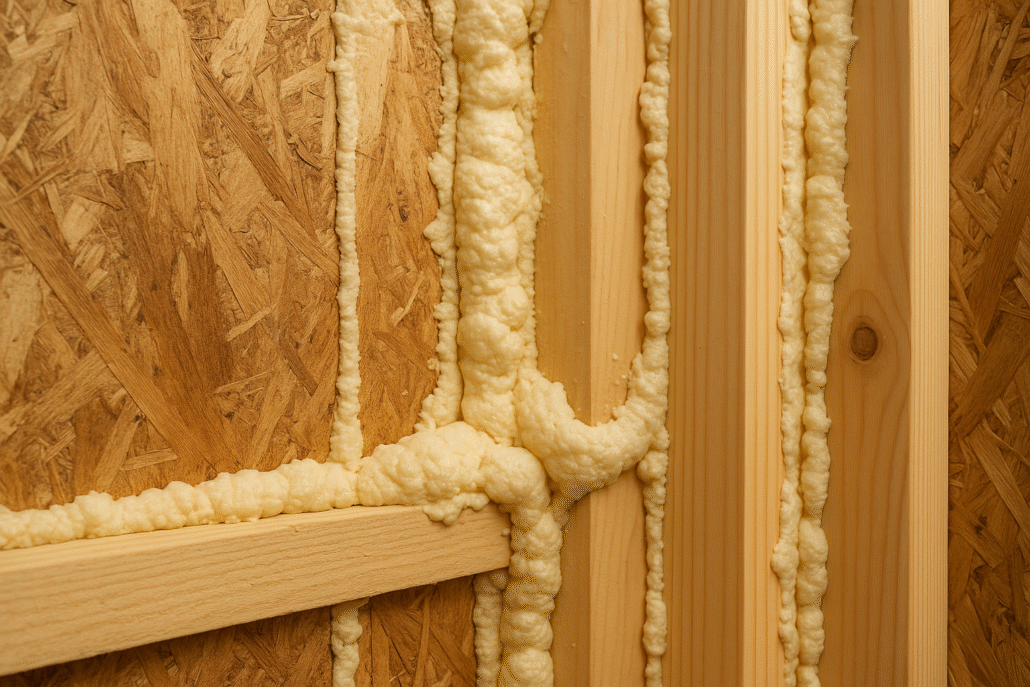
The strength that spray foam insulation offers is transforming the way homeowners approach thermal bridging fixes and energy leaks in their properties. When working with a company like White Knight Contracting, you can access innovative foam insulation solutions that deliver superior heat loss prevention and comfort year-round.
Table of Contents
- History and Latest Trends in Thermal Bridging Solutions
- Understanding Thermal Bridging and Energy Leaks
- Current Challenges with Conventional Insulation
- Why Spray Foam is the Gold Standard for Heat Loss Prevention
- Real-World Examples of Foam Insulation Solutions
- Future Prospects: Where Spray Foam Insulation is Heading
- Interesting FAQ
- Explore More
History and Latest Trends in Thermal Bridging Solutions
Thermal bridging has always been a challenge in construction. Traditionally, builders used batt insulation, fiberglass, and rigid foam boards, which often left cold spots and caused inefficient energy leaks. The need for stronger thermal bridging fixes led researchers to develop innovative approaches, such as continuous insulation systems and advanced spray foam applications.
Now, the building industry is witnessing a trend toward closed-cell spray foam insulation. This solution not only fills small cracks and gaps but also provides an unmatched air-tight seal, reducing heat loss and maximizing energy efficiency. As homes become more airtight, control over indoor climate improves, and utility bills drop noticeably.
Understanding Thermal Bridging and Energy Leaks
Thermal bridging happens when a material—like wood or steel—transfers heat much faster than the surrounding insulation. These “bridges” form weak points in walls, roofs, or floors. Warm air escapes in winter, while summer heat seeps in, forcing your HVAC system to work overtime. This is where effective thermal bridging fixes are essential.
- Thermal bridge: A spot in the building envelope where heat transfers rapidly, causing energy leaks.
- Spray foam insulation: Expands on contact, eliminating gaps and creating a thermal barrier against heat loss.
Modern spray foam insulation solutions directly address these weak spots, ensuring continuous coverage and lasting comfort.
Current Challenges with Conventional Insulation
Traditional methods like fiberglass and batt insulation are prone to compression, gaps, and settling over time. This leads to recurring issues with energy leaks and makes it difficult to guarantee long-term performance. In older homes, contractors often discover cold patches or drafts that indicate missed spots or failing insulation.
The limitations are clear:
- Poor coverage in corners or around penetrations
- Difficulty controlling air and moisture movement
- Reduced R-values as insulation ages
For many property owners, tackling these challenges head-on with advanced foam insulation solutions is the only way to secure year-round heat loss prevention.
Why Spray Foam is the Gold Standard for Heat Loss Prevention
Spray foam insulation is widely recognized for its strength and ability to solve thermal bridging issues more effectively than other products. Here’s why:
- Expands into every nook, eliminating gaps
- Forms a continuous air and moisture barrier
- Superior R-value per inch, boosting thermal resistance
- Prevents mold, dust, and allergen intrusion
- Reduces external noise, improving indoor comfort
The precision with which spray foam addresses energy leaks and thermal bridging fixes is what makes it the top choice for new and retrofit projects.
Real-World Examples of Foam Insulation Solutions
Consider a family living in a 1970s Calgary bungalow. The original batt insulation had deteriorated, and rooms never felt warm in winter. After replacing it with closed-cell spray foam, their utility bills dropped nearly 30%, and cold corners became a thing of the past. In another case, a renovated basement suffered from condensation and moisture buildup until spray foam sealed the rim joists, eliminating drafts and potential mold growth.
White Knight Contracting has helped many clients with these foam insulation solutions, offering more than a decade of experience—including projects combining insulation, siding, and even exterior upgrades—without the need to hire multiple contractors.
Future Prospects: Where Spray Foam Insulation is Heading
As energy codes evolve, the focus on airtight, energy-efficient homes and commercial properties intensifies. Spray foam is positioned to lead as more building owners seek cutting-edge thermal bridging fixes and heat loss prevention methods. New technology in the pipeline includes eco-friendly, low-VOC foams and smart insulation systems that adapt to seasonality and occupancy needs.
Alongside product innovations, expect to see stricter standards and installation protocols, ensuring homeowners receive the full benefits of professionally applied spray foam insulation solutions.
Interesting FAQ
- How does spray foam actually prevent heat loss?
It expands on contact to fill cracks and gaps, creating an unbroken thermal and air barrier that stops energy leaks before they start. - Are there differences between open-cell and closed-cell spray foam?
Yes, closed-cell is denser and better for moisture and heat loss prevention, while open-cell allows for some breathability and sound dampening. - Can spray foam be installed in existing homes?
Absolutely. Retrofits are common, and professional contractors can safely upgrade old insulation with minimal disruption. - What other services can the contractor handle?
Since 2011, White Knight Contracting has taken care of insulation, siding, and more, often completing comprehensive upgrades without needing a second contractor on the job.
Explore More
To learn more and view our other blogs, click here.

