
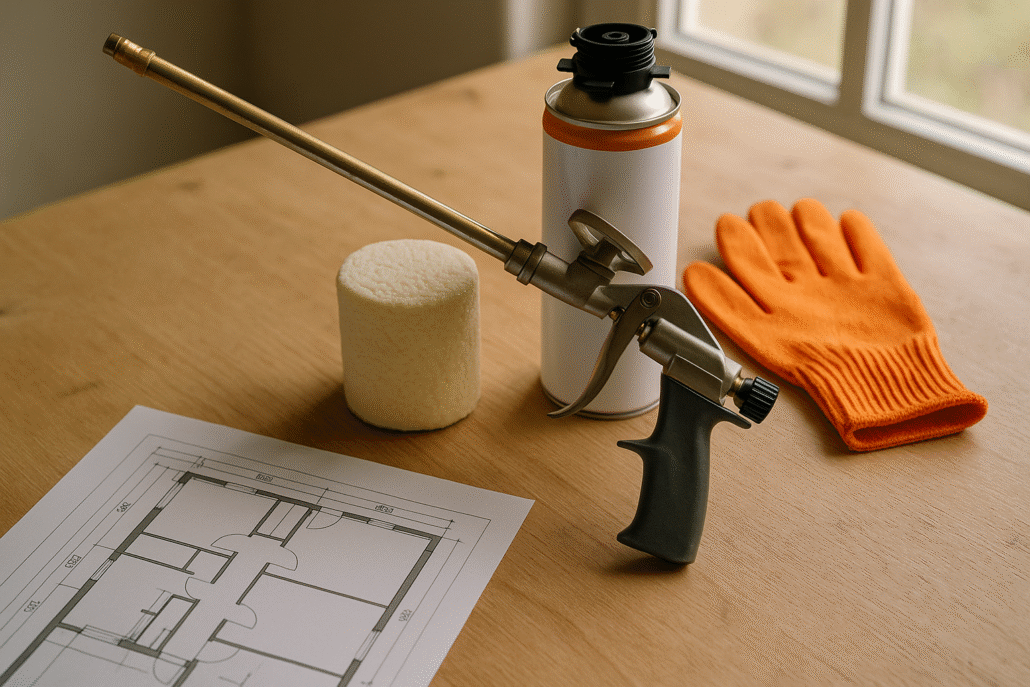
Retrofit Spray Foam for Commercial Properties: Staying Warm Against the Cold
The cold has a way of creeping into every crack and corner of older commercial properties, making heating bills soar and comfort plunge. At White Knight Contracting, commercial retrofit insulation with spray foam offers a smart, effective solution that upgrades insulation—locking out winter chills and locking in energy savings for your business.
- How Old Building Insulation Needed an Upgrade
- Trends in Commercial Retrofit Insulation
- Challenges of Cold-Weather Spray Foam in Commercial Properties
- Future of Insulation and Commercial Efficiency Upgrades
- Step-by-Step: How Commercial Retrofit Spray Foam Works
- Comparisons: Spray Foam vs. Traditional Methods
- Interesting FAQ
- Location Map
- Conclusion & Next Steps
How Old Building Insulation Needed an Upgrade
Decades ago, builders didn’t have commercial retrofit insulation in mind. As a result, many old buildings relied on basic fiberglass batts, cellulose fill, or—sometimes—just air pockets in brick or cinder block walls. Over time, as energy prices rose and the cold kept sneaking in, business owners realized the need for better solutions. Spray foam emerged as a top upgrade insulation material because it fills every gap, seals out drafts, and significantly boosts commercial efficiency.
In Alberta, winters can freeze even the toughest structures. Using state-of-the-art spray foam helps older buildings retrofit their insulation and meet today’s building codes—without major demolition.
Trends in Commercial Retrofit Insulation
Modern property managers and business owners are now focusing on commercial retrofit insulation to cut down on utility costs and shrink their carbon footprints. Spray foam, thanks to its high R-value (a measure of insulation effectiveness), lifetime durability, and air-sealing properties, is the preferred choice.
- Spray foam conforms instantly to uneven or irregular spaces, sealing against air leaks that the cold exploits.
- Upgrading insulation in older buildings can increase property value and appeal to environmentally conscious tenants.
- Recent years have seen nationwide incentives and rebates for commercial efficiency upgrades, making retrofit projects more affordable.
- Advanced formulas now ensure spray foam installation can be done safely, even in challenging winter temperatures.
Energy Star reports that properly installed insulation can improve a building’s energy efficiency by up to 30%.
Challenges of Cold-Weather Spray Foam in Commercial Properties
Applying spray foam in cold, damp, or icy weather takes special care. The foam’s reaction depends on temperature and humidity, making it important to work with professionals who understand product behavior in our region’s harsh winters. Before starting a commercial retrofit insulation project, consider:
- Surface preparation: Remove moisture and frost to help the foam bond tightly.
- Ventilation: Safety first! Good airflow ensures a safe application during and after spraying.
- Timing: Scheduling during milder weather, or using heated enclosures, keeps installations on track even in winter months.
- Material selection: Closed-cell spray foam is ideal for cold climates because it acts as both an insulator and vapor barrier.
Knowledgeable teams understand local codes and building science—saving you costly surprises later.
Future of Insulation and Commercial Efficiency Upgrades
Looking ahead, more businesses will focus on commercial efficiency upgrades. Retrofit spray foam for commercial properties is expected to grow due to:
- Stricter energy codes for commercial buildings.
- Increased demand for sustainable, green certifications.
- Technological improvements in spray foam products for even colder climates.
Researchers at the National Research Council of Canada predict further improvements in insulation materials will continue, helping make retrofit projects easier, faster, and more effective—even as winters stay harsh.
Step-by-Step: How Commercial Retrofit Spray Foam Works
Retrofit spray foam can renew old building insulation without gutting walls. Here’s how the process is typically handled:
- Assessment: Technicians survey your building, checking insulation gaps and cold spots.
- Preparation: Remove old, failing insulation and ensure all areas are dry and accessible.
- Application: Special hoses deliver spray foam into wall cavities, attics, and other hard-to-reach spots.
- Curing: The foam expands, hardens, and seals up cracks—locking out the cold and preventing energy loss.
- Finishing: Once set, walls and ceilings are patched or refinished as needed for a seamless result.
For large commercial buildings, the process can be phased to minimize disruption to ongoing business operations.
Comparisons: Spray Foam vs. Traditional Methods
A quick look at common options for old building insulation reveals why spray foam excels:
- Fiberglass batts: Inexpensive but prone to air leaks and settling; struggles in irregular wall cavities.
- Blown-in cellulose: Fills gaps, but can absorb moisture and lose effectiveness.
- Spray foam: Higher upfront cost, but better R-value, air sealing, and moisture resistance for long-term savings.
Spray foam is both an insulation and barrier, helping lower heating and cooling costs for decades, making it an efficient upgrade choice for commercial property owners.
Interesting FAQ
- How long does a commercial retrofit insulation job usually take? Most projects take a few days to a week, depending on the size and complexity of the building.
- Can I upgrade insulation without shutting down my business? Yes, professionals can complete retrofit spray foam projects in stages to minimize disruption.
- Is spray foam safe for employees and customers? Once cured, spray foam is inert and safe. Installers take precautions to keep areas ventilated and contained during application.
- Will spray foam help with noise in busy commercial properties? Absolutely! Spray foam not only improves thermal performance but also dampens unwanted sound.
- What if I need other work, like siding, done during my retrofit? White Knight Contracting has been in business since 2011 and handles a wide range of commercial improvements—so you won’t need to hire multiple contractors.
Location Map
Conclusion & Next Steps
Upgrading old building insulation is one of the smartest steps you can take to defeat the cold, save on energy bills, and boost your commercial property’s value. Retrofit spray foam insulation is a reliable solution for improved commercial efficiency and lasting comfort. To learn more and view our other blogs, click here.

