
Introduction
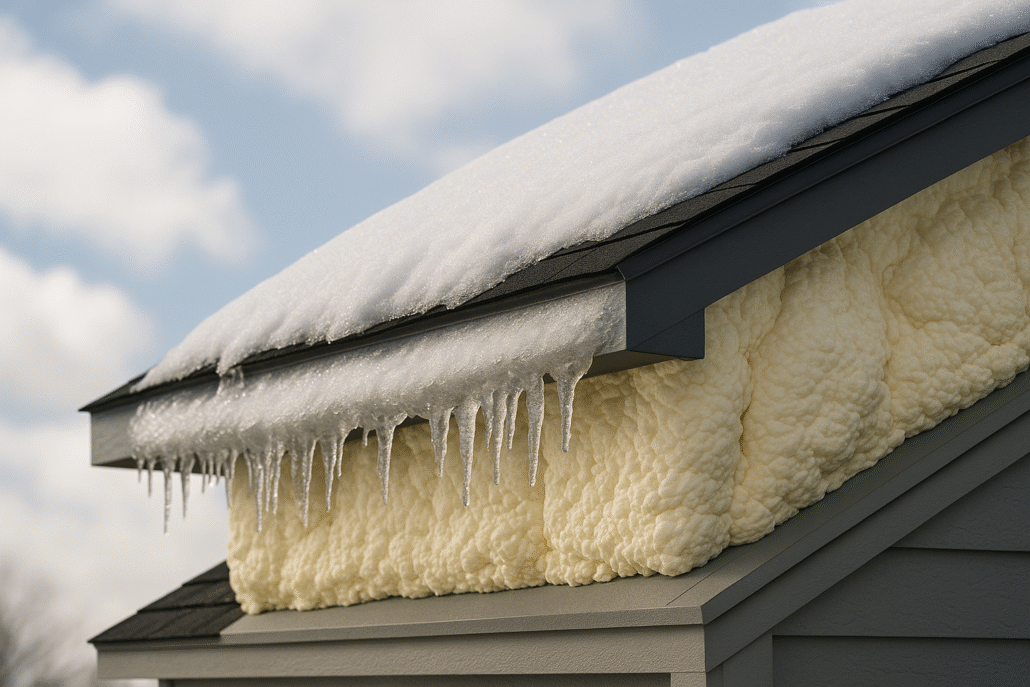
Making the investment in spray foam insulation is a smart move for maintaining comfort and reducing energy bills in your home. Whether you’re a homeowner or a property manager, keeping that insulation effective is just as important as the initial installation. At White Knight Contracting, we want you to get the best from every inch of your insulation, starting with regular insulation inspection.
- A Brief History of Popular Insulation Methods
- Why Insulation Inspection Matters
- Top Signs Your Spray Foam Needs Inspection
- Steps in a Professional Building Envelope Assessment
- Thermal Imaging: Modern Technology for Energy Loss Detection
- Challenges and Solutions in Maintenance
- Future Trends in Insulation Inspection
- Interesting FAQ
- Contact & Location
A Brief History of Popular Insulation Methods
Over the past century, insulation has gone from straw and sawdust to advanced spray foam and blown-in options. Spray foam insulation first gained popularity in the 1970s, quickly outperforming older materials in both energy loss detection and durability. Unlike fiberglass that can settle over time, spray foam expands to fill every gap, creating a more complete building envelope. This shift has made insulation inspection a much more important part of ensuring your home’s long-term protection and performance.
Why Insulation Inspection Matters
Your spray foam insulation isn’t just a one-time upgrade—it’s an ongoing investment in your home’s efficiency. Over time, even the best foam can develop problems from settling, moisture, or animal activity. Regular insulation inspection helps catch small issues before they become big repairs. During an inspection, professionals look for gaps, cracks, or evidence that your energy bills are starting to creep up because of air leaks. This careful building envelope assessment ensures your spray foam keeps blocking those drafts and holding in heat or cool air when you need it most.
Top Signs Your Spray Foam Needs Inspection
- Increased energy bills despite no lifestyle changes
- Uneven room temperatures or constant drafts
- Musty odors indicating possible trapped moisture
- Visible cracks, shrinkage, or crumbling foam
- Noises of rodents or insects within walls
If you notice one or more of these, a detailed insulation inspection combined with thermal imaging can quickly reveal where your thermal barrier has failed.
Steps in a Professional Building Envelope Assessment
Wondering what to expect during an inspection? Here’s a typical step-by-step:
- Discussion of your comfort concerns and energy bills
- Visual check of accessible spray foam insulation areas
- Thermal imaging of walls, ceilings, and floors
- Identification of any voids, moisture, or weak spots
- Recommendations for repairs or upgrades
This building envelope assessment process ensures you get targeted advice, not just a general overview. Data from each step guides the recommendations so you can address problems before heat loss, water damage, or air quality issues set in.
Thermal Imaging: Modern Technology for Energy Loss Detection
One of the biggest game changers in insulation inspection has been thermal imaging cameras. These cameras let professionals see cold (or hot) spots invisible to the naked eye. With a quick scan, you’ll have a visual “map” showing where energy is escaping, proving that your investment in quality inspection pays for itself. This method pinpoints leaks—way more accurate than guessing based on where you feel drafts.
Challenges and Solutions in Maintenance
Inspecting spray foam insulation isn’t always straightforward. Some older homes have limited attic or crawlspace access. Sometimes, foam is hidden behind drywall or brick. Professionals now use a combination of strategies including thermal imaging, moisture sensors, and borescopes (tiny cameras) to check even the toughest spots. If an issue is found, solutions might range from injecting new foam to targeted repairs—meaning you don’t have to redo your whole insulation system for a small problem.
Future Trends in Insulation Inspection
Technology is improving fast. Soon, mobile apps may let homeowners run basic checks themselves, with results reviewed by an expert. Drone-based imaging and AI-supported analysis could make comprehensive building envelope assessment possible within minutes. These advances will mean even more reliable detection of energy loss, ensuring your investment in spray foam insulation stands the test of time.
Interesting FAQ
For further reading, the Canadian Urethane Foam Contractors Association publishes detailed installation guides for spray foam.
- How often should insulation inspection be performed? Typically, every 3-5 years or whenever you notice a change in comfort or energy bills.
- What’s the difference between a building envelope assessment and a basic check? An envelope assessment reviews your home as a whole, using both visual and technical tools, for a deeper diagnosis.
- Can thermal imaging detect moisture problems too? Yes—wet spots conduct heat differently, so inspectors can spot leaks or sweat behind the foam.
- Do I need to open the walls? Usually not; pros can gather most information using imaging, surface readings, or small-access cameras.
- Can White Knight Contracting help beyond insulation? Absolutely! In business since 2011, they can also handle siding and many home repair services, so you won’t need several different contractors.
Contact & Location
Conclusion
Inspecting your spray foam insulation is the simplest way to protect your comfort and savings. Regular insulation inspection, supported by modern thermal imaging and thorough building envelope assessment, helps catch energy loss before it hits your wallet. As new tools appear, your initial investment in spray foam will keep paying off for years. To learn more and view our other blogs, click here.

