
Introduction
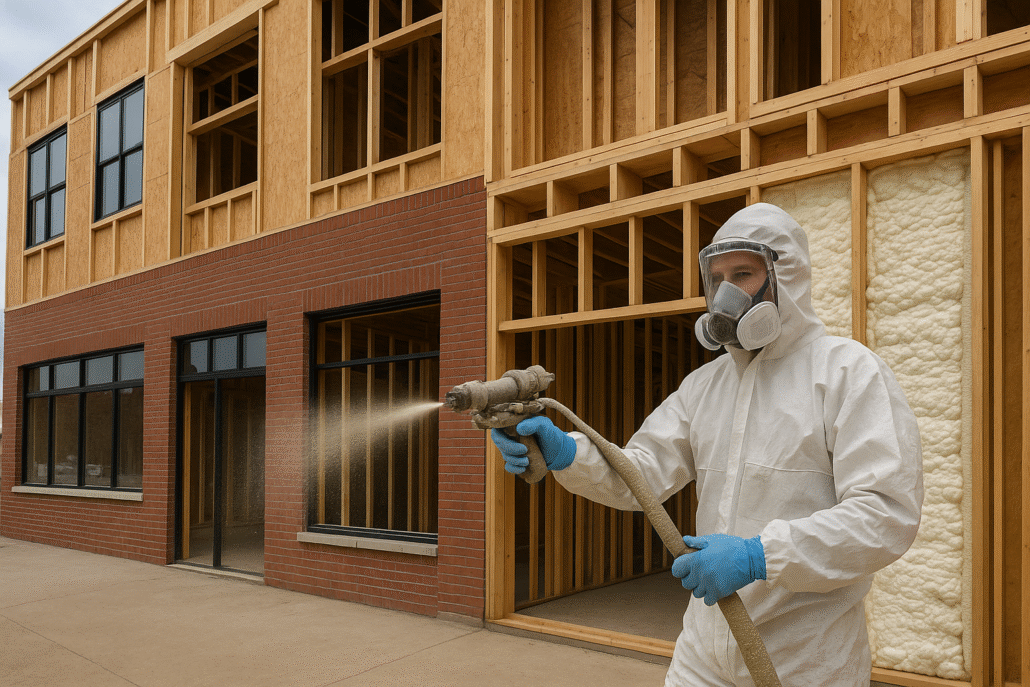
Achieving an airtight environment in mixed-use properties has become a top priority for building owners who want comfort, efficiency, and flexibility. These buildings combine residences with storefronts, offices, or workshops, so their insulation needs are unique. The experts at White Knight Contracting have experience delivering smart mixed-use insulation solutions that adapt to these demands.
Table of Contents
- A Brief History of Mixed-Use Insulation
- Trending Solutions for Multi-Functional Spaces
- Challenges in Insulating Mixed-Use Buildings
- Looking Ahead: Future Prospects in Insulation
- Step-by-Step Guide: Achieving Airtight Mixed-Use Insulation
- Interesting FAQ
- Contact & More Information
- Our Location
A Brief History of Mixed-Use Insulation
Mixed-use buildings have been part of city life for centuries, but modern mixed-use insulation is a recent development. Traditionally, simple materials like wool, straw, or basic fiberglass were used to separate commercial and residential areas. However, these materials often failed to create an airtight barrier or address the demands of multi-functional spaces.
The rise of spray foam and rigid boards in the late 20th century changed the game. These solutions delivered better R-values, tighter seals, and improved sound blocking between living and working areas. Over time, codes and consumer expectations have pushed the industry toward insulation that adapts to shifting floorplans and uses.
Trending Solutions for Multi-Functional Spaces
Today’s property owners demand flexible, energy-efficient, and resilient insulation strategies. Leading trends in insulating these spaces include:
- Commercial residential foam: These spray foam products are engineered to serve both office and home needs, controlling noise and temperature equally well.
- Hybrid systems that combine blown-in cellulose with rigid foam for superior airtight performance.
- Advanced air and vapor barriers that prevent leaks without trapping moisture.
- Insulation that can be applied to unusual layouts and high-traffic zones in multi-functional spaces.
On top of these, many builders now choose products that are both environmentally friendly and long-lasting, reducing costs over time and keeping spaces adaptable as needs change.
Challenges in Insulating Mixed-Use Buildings
Insulating mixed-use properties is rarely straightforward. Building owners must consider:
- Different regulations for business and residential zones within the same property
- Noise transfer between work and living areas
- Keeping systems like HVAC airtight while maintaining fresh air flow
- Space limitations, especially for older or converted buildings
Additionally, improperly installed insulation can lead to moisture problems, mold growth, or high utility bills. This is why mixed-use insulation projects often require an adaptable insulation plan and skilled installation.
Looking Ahead: Future Prospects in Insulation
The future of mixed-use insulation is all about smart technology. Expect more:
- Insulation products with built-in sensors to monitor airtightness and moisture
- Eco-friendly materials that perform as well as (or better than) traditional foam
- Systems that can be easily modified as the function of each space changes
As cities add more multi-story buildings with ground-floor businesses and upper-floor homes, demand for commercial residential foam and other advanced systems will keep increasing. Building science innovations mean customers can expect even higher comfort, energy savings, and safety in the future.
Step-by-Step Guide: Achieving Airtight Mixed-Use Insulation
If you’re planning to insulate your mixed-use building, follow these simple steps:
- Assess each space’s use: Is it residential, commercial, or a blend? Note special needs like sound reduction or moisture control.
- Choose the right products: Commercial residential foam offers flexibility for a variety of spaces and layouts, while hybrid systems can fill oddly shaped areas effectively.
- Seal all leaks and gaps: Use caulk or spray foam around electrical outlets, windows, doors, and penetrations.
- Apply vapor and air barriers where needed, ensuring every zone remains airtight but healthy.
- Hire professionals experienced in mixed-use insulation to guarantee lasting results.
- Test the space after installation. Check for airtightness and make sure temperature and sound transfer meet your needs.
Interesting FAQ
- What is commercial residential foam?
A versatile spray insulation solution that works in both homes and business areas, offering excellent airtightness and noise control in mixed-use settings. - How does adaptable insulation benefit a multi-functional space?
Adaptable products adjust to new layouts, renovations, or changing building codes—ensuring lasting comfort and energy savings. - What makes a mixed-use property harder to insulate?
Multiple uses, high foot traffic, different code requirements, and the need for both quiet and active zones increase complexity. - Can one contractor handle both spray foam insulation and upgrades like siding?
Absolutely—White Knight Contracting has been in business since 2011 and can handle many upgrades, reducing the need for multiple contractors.
Contact & More Information
To learn more and view our other blogs, click here.


Leave a Reply
Want to join the discussion?Feel free to contribute!