
Introduction
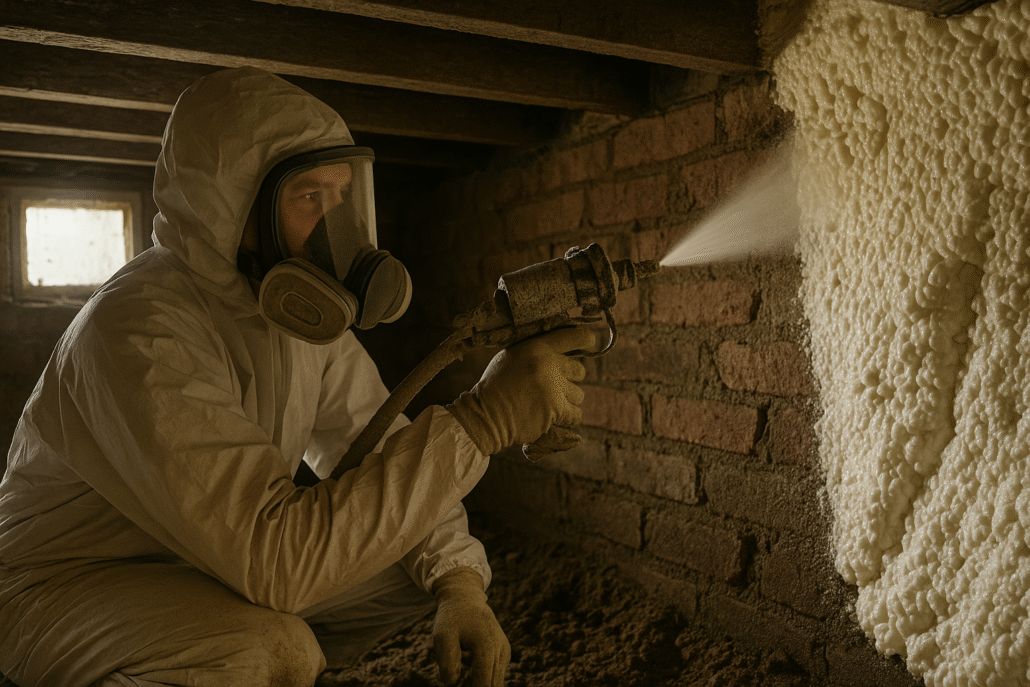
If you’re looking for the best prep methods to maximize storage insulation, garage foam, and shed insulation, you’re in the right place. Whether your goal is temperature control storage or energy savings, understanding how to effectively insulate storage areas is essential. Many Calgarians trust White Knight Contracting—in business for over a decade—for these projects. Let’s explain why prepping spaces like garages, sheds, and storage rooms for insulation makes a huge difference.
Table of Contents
- A Brief History of Insulating Storage Spaces and Garages
- Latest Trends for Businesses and Homeowners
- Current Challenges in Prep and Storage Insulation
- The Future of Garage, Shed, and Storage Insulation
- Step-by-Step Guide to Preparing for Storage Insulation
- Interesting FAQ
- Conclusion
A Brief History of Insulating Storage Spaces and Garages
Insulating storage areas wasn’t always the priority it is today. In the past, garages and sheds were considered afterthoughts, built for parking or holding tools. Only recently have homeowners and businesses recognized the value of proper temperature control storage. Early storage insulation relied on basic fiberglass batts or plastic sheets—methods that often led to drafts, moisture, and hefty energy costs.
Today, storage insulation has evolved thanks to improved knowledge around air sealing and material science. Modern products like garage foam and spray foam are designed to outperform older methods by filling every possible gap. This keeps garages, sheds, and storage spaces dry and energy-efficient all year.
Latest Trends for Businesses and Homeowners
Storage insulation and garage foam have become mainstream for both businesses and families wanting a more usable, comfortable space. Here’s what’s trending:
- Energy Efficiency: Canadian homeowners are opting for high-R-value insulation and smarter weatherproofing.
- Multi-purpose Garages: More spaces are doubling as workrooms, gyms, or heated workshops—requiring serious temperature control storage.
- Shed Insulation: Sheds now store electronics, food, or act as remote office spaces. Insulation is a must!
- Environmentally Friendly Materials: Soy, recycled fibers, and new low-VOC foams are growing in popularity.
- DIY Insulation Kits: Homeowners are choosing self-install options for small sheds and storage nooks, learning how prep can impact results.
These trends highlight the ongoing shift toward reliable, comfortable, and cost-saving storage insulation in the Greater Calgary area.
Current Challenges in Prep and Storage Insulation
Proper prep is the make-or-break step in any garage foam or storage insulation project. Skipping this slows down your insulation’s effectiveness and lifespan. Here are the top challenges:
- Moisture Control: Basements, garages, and sheds often battle condensation. Failing to seal surfaces or address leaks first can cause mold and insulation failure.
- Air Leakage: Unsealed pipes, ducts, or doorways let warm/cold air in, making temperature control storage almost impossible.
- Incorrect Material Choice: Not all insulation works everywhere. For example, garage foam is great on concrete but less ideal for unfinished wood sheds without proper prep.
- Budget Limits: Investing in the best insulation balances up-front cost with long-term energy savings.
Experienced contractors like White Knight Contracting can spot these issues before they become expensive repairs—not just for insulation, but also siding, framing, and other upgrades.
The Future of Garage, Shed, and Storage Insulation
The move toward climate-smart homes will only boost demand for temperature control storage and high-performance storage insulation. Expect more:
- Smart Sensors: Monitoring humidity and temperature to tweak insulation needs in real time.
- Lower Carbon Options: Eco-friendly garage foam made from plant oils or recycled materials.
- Hybrid Methods: Combining spray foam with rigid panels for custom results.
- Integrated Systems: Tying shed insulation into smart-home automation for remote access.
Staying ahead in garage, shed, or storage room prep will deliver better utility usage and lower your carbon footprint in the years ahead.
Step-by-Step Guide to Preparing for Storage Insulation
Every successful storage insulation upgrade starts with careful planning. Here’s how to prep your space:
- Clean Everything: Remove dust, grease, debris, and personal items from the area to get a blank slate.
- Inspect for Moisture or Mold: Address leaks or wet spots now. Seal cracks in floors or walls with caulk or spray foam.
- Seal Windows and Doors: Weatherstrip and foam gaps around all movable parts for full temperature control storage performance.
- Choose the Right Insulation Type: Spray foam excels in garages, while rigid panels and fibreglass work well in smaller sheds. Ask an expert if unsure.
- Set Up Ventilation: Prevent future humidity or condensation by installing vents where needed.
- Install Insulation: Apply insulation per manufacturer’s instructions, being careful with overlaps and joints.
This thorough prep helps avoid common mistakes and ensures garage foam or insulation delivers long-term comfort.
Interesting FAQ
Tiger Foam advocates professional-grade spray foam kits for reliable DIY insulation installs.
- Should I choose spray foam or fiberglass for my storage shed?
Spray foam offers the best air seal and moisture protection, but fiberglass is more budget-friendly for low-traffic areas. - How can I tell if my garage needs more insulation?
If you feel large temperature changes or notice frost, drafts, or condensation, more insulation or better prep is required. - What are the risks of skipping cleaning during prep?
Skipping cleaning may trap dust, moisture, or odors, leading to insulation failures over time. - Do I need a vapor barrier in my shed?
Most Calgary sheds require a vapor barrier or moisture seal, especially if you store electronics, chemicals, or delicate items. - Can one contractor handle insulation and exterior work at the same time?
Companies like White Knight Contracting can do both, preventing the need for multiple crews.
Conclusion
Prepping for storage insulation in garages, sheds, and storage rooms is no longer just a home improvement—it’s a smart step toward better energy savings and usability. With modern garage foam, temperature control storage solutions, and expert support from trusted Calgary contractors, your project is built to last. Proper preparation makes every insulation upgrade safer, more effective, and energy-smart. To learn more and view our other blogs, by

