
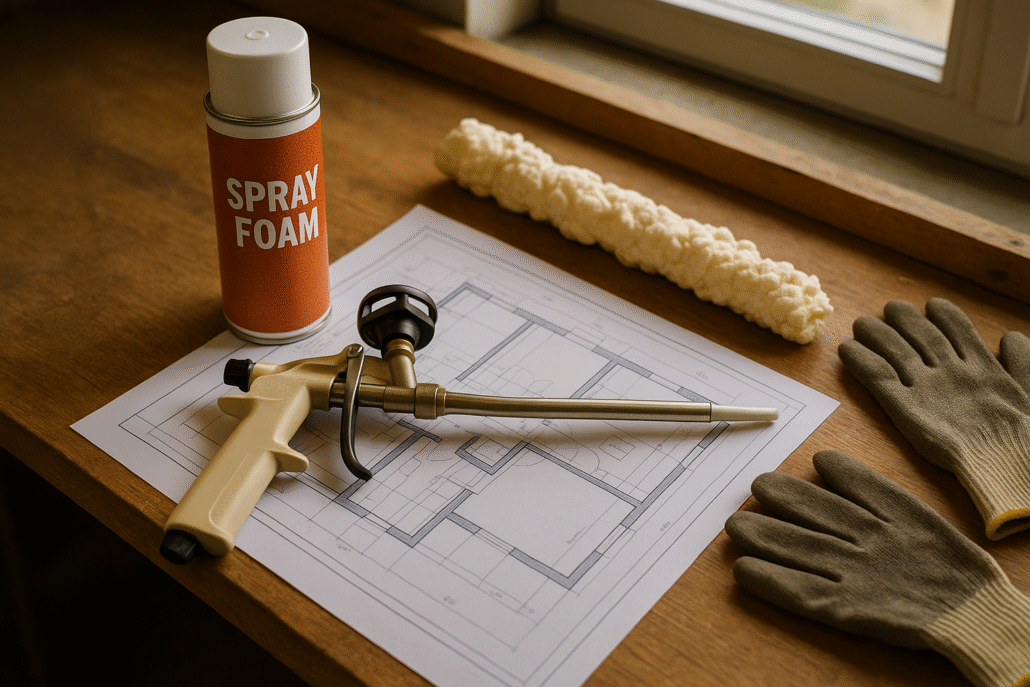
How Sound Attenuation With Spray Foam Tackles the “Pest” of Noise Pollution
If you’re tired of the persistent pest that is unwanted noise in your home, you may be surprised to learn that spray foam insulation—often chosen for its energy-saving perks—also offers remarkable benefits for sound attenuation. At White Knight Contracting, we see first-hand how incorporating spray foam insulation can boost both the comfort and the quiet of your living spaces, all while supporting your home’s protection from other invaders.
Table of Contents
- The History of Acoustic Foam & Sound Absorption
- Current Trends in Noise Barrier Walls & Home Quieting
- Challenges of Achieving Sound Attenuation with Spray Foam
- Future Prospects: Advanced Sound Control Solutions
- How to Enhance Sound Attenuation With Spray Foam: Step-by-Step Guide
- Spray Foam vs Other Soundproofing Methods
- Expert Quote: Why Pros Rely on Spray Foam for Sound Absorption
- Interesting FAQ
- Conclusion
The History of Acoustic Foam & Sound Absorption
The use of materials for sound control dates back to early theaters, where thick curtains and wall hangings acted as early forms of sound absorption. By the mid-20th century, scientists developed modern acoustic foam products made from polyurethane, designed to dampen echoes and block noise passage.
Spray foam insulation entered the market in the 1980s primarily for its R-value and energy efficiency—its sound attenuation qualities were a bonus. Now, many homeowners choose spray foam not only to reduce energy bills but also to combat the ongoing pest of external and internal noise.
Current Trends in Noise Barrier Walls & Home Quieting
With urbanization and denser living, the demand for high-performance noise barrier walls and effective home quieting tools has never been higher. Spray foam insulation is trending as a top pick for new builds and retrofits because:
- It provides seamless coverage inside walls, ceilings, and floors.
- Open-cell spray foam is especially good for sound absorption, trapping noise within its cellular structure.
- Closed-cell foam offers both sound and thermal insulation, as well as added structural integrity.
The flexibility to integrate spray foam during renovation or construction makes it easier than ever for homeowners to tackle noise problems, improving sleep, privacy, and overall quality of life.
Challenges of Achieving Sound Attenuation with Spray Foam
While spray foam is a strong ally in the fight against excess noise, it isn’t a total soundproofing solution on its own. Some challenges include:
- It works best as part of a layered system—a true noise barrier wall may also need mass-loaded vinyl or resilient channels.
- Not all spray foams perform equally; open-cell acoustic foam is generally better for home quieting, but not as moisture-resistant as closed-cell types.
- Installation quality matters. Gaps, missed spots, or over-expansion can undermine sound attenuation results.
Working with experienced contractors helps ensure the best mix of thermal and sound benefits from your spray foam system.
Future Prospects: Advanced Sound Control Solutions
The outlook for sound attenuation with spray foam is exciting. New formulations focus on maximizing both insulation and acoustic performance, with “hybrid” foams and green-certified products becoming more widely available. Some highlight features include:
- Better fire resistance and indoor air quality certifications
- Improved “STC ratings” (sound transmission class) for walls and floors
- Bigger focus on whole-home quieting and integrated smart home acoustics
Ongoing research predicts that advanced spray foam will continue to improve noise control—especially valuable in multi-unit buildings where every decibel counts.
How to Enhance Sound Attenuation With Spray Foam: Step-by-Step Guide
- Assess your noise sources: Is the pest of your problem traffic, neighbors, or internal (like footsteps or plumbing)?
- Choose the right spray foam: Open-cell foam is best for sound absorption, especially between rooms.
- Seal gaps and cracks: Before spraying, make sure outlets, holes, and seams are airtight.
- Professional installation: Let experts handle application for seamless coverage and maximum noise reduction.
- Consider supplemental solutions: For serious home quieting, layer spray foam with mass-loaded vinyl or specialty drywall for true noise barrier walls.
Spray Foam vs Other Soundproofing Methods
Spray foam isn’t the only material for sound attenuation, but it stands out for its combination of energy efficiency, pest (including insect!) blocking, and acoustic foam qualities. Here’s how it stacks up:
- Fiberglass Batts: Easier to DIY, but less effective for air sealing and blocking low-frequency sounds.
- Cellulose: eco-friendly and decent for sound absorption, but can settle over time and lose effectiveness.
- Acoustic Panels: Excellent for in-room sound control, but less helpful inside wall cavities.
- Spray Foam: Wins on air sealing, versatility, and can deliver both noise control and energy savings in one install.
It’s important to match your method to your goals—if you’re looking for both comfort and quiet, spray foam is a solid choice.
Expert Quote: Why Pros Rely on Spray Foam for Sound Absorption
According to industry veteran Mark Jensen, “Spray foam stops noise in its tracks while sealing air leaks and managing moisture. It’s not just about blocking sound, but also improving the overall health and comfort of the home—a total win for homeowners.”
With more than a decade of experience, White Knight Contracting has built a reputation for tackling tough insulation and sound challenges—plus, their skilled team can handle jobs like siding too, so you rarely need to bring in a second contractor.
Interesting FAQ
Assembly Magazine compares open-cell and closed-cell spray foam for different applications.
- Does spray foam help with outside street noise? Yes—especially open-cell varieties, when used in exterior walls and attic spaces.
- Will spray foam stop all sound? It dramatically reduces most airborne noise, but for full soundproofing, it should be combined with other noise barrier wall techniques.
- Is spray foam safe for homes with kids or pets? Absolutely—when installed by pros, modern spray foams meet strict safety standards and help keep pests out too.
- How long does spray foam’s sound attenuation last? Installed correctly, spray foam maintains its sound-dampening and insulating properties for decades—outperforming most standard insulations.
- Can spray foam boost home value? Yes—energy efficiency and noise control are both top features for potential buyers, making your investment pay off over time.
Conclusion
Spray foam insulation is a powerful, long-term solution for managing the “pest” of unwanted noise in your home. By boosting sound absorption, blocking pests, and improving energy efficiency, it delivers comfort and peace of mind under one roof. For a quieter, healthier home, trust the expertise of professionals with a reputation for quality and versatility.
To learn more and view our other blogs, click here.

