
Introduction
Many homeowners overlook their crawlspace, yet it plays a vital role in overall home health. If your crawlspace isn’t properly insulated, your entire house can suffer—from increased energy costs to mold and pest problems. White Knight Contracting has been delivering expert solutions since 2011, offering everything from spray foam crawlspace insulation to siding services without the hassle of juggling multiple contractors. Let’s explore how spray foam can transform your crawlspace into a dry, energy-efficient space.
Table of Contents
- A Brief History of Crawlspace Insulation
- How Spray Foam Has Changed Crawlspace Solutions
- Key Benefits of Spray Foam in Crawlspaces
- Common Crawlspace Challenges
- Future Trends: What’s Next for Crawlspace Solutions?
- Step-by-Step Guide: What to Expect with Spray Foam Crawlspace Insulation
- Comparing Spray Foam with Other Crawlspace Insulation Methods
- Interesting FAQ
- FAQs
A Brief History of Crawlspace Insulation
For decades, the crawlspace beneath homes was often left to the elements or given minimal attention. Traditionally, fiberglass batts were the go-to for crawlspace insulation, despite their tendency to absorb moisture and invite pests. Homeowners discovered that poor sub-floor insulation led to cold, drafty floors and high heating bills during winter. Over time, experts realized these spaces required a more robust moisture control crawlspace approach. This shift set the stage for innovation with new materials like spray foam.
How Spray Foam Has Changed Crawlspace Solutions
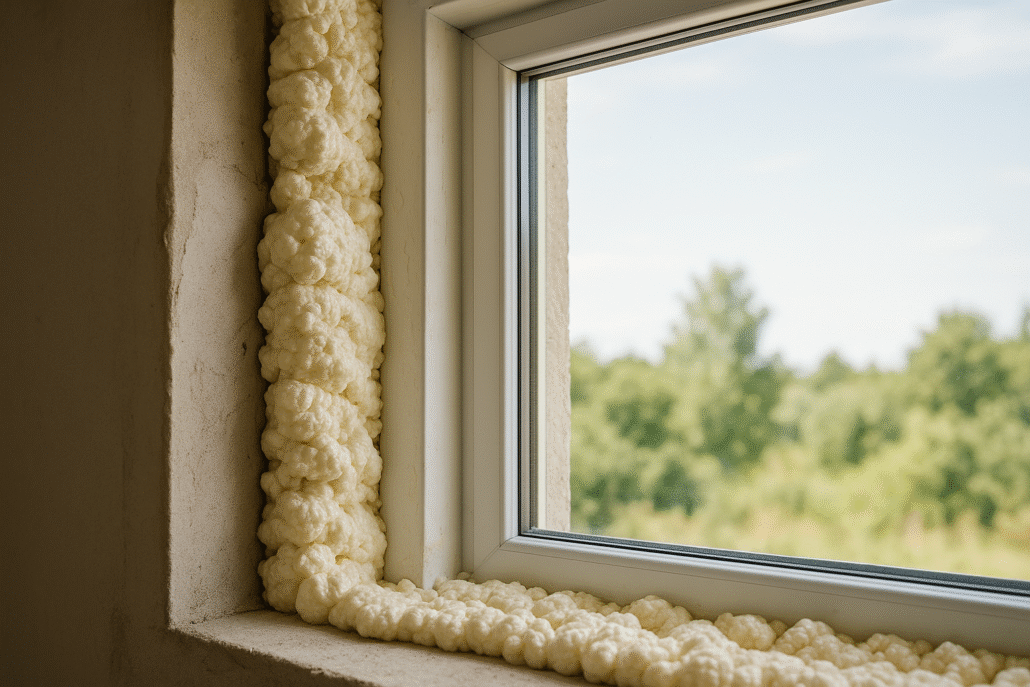
Spray foam insulation has been a real game-changer for crawlspaces. Its ability to expand and fill every nook means improved energy efficiency and fewer air leaks. By creating a tight seal, spray foam offers not just superior sub-floor insulation, but also excellent moisture control in crawlspaces. This helps prevent costly mold, wood rot, and pest infestations. Many modern installations also use spray foam for pest prevention foam, blocking critters like mice and insects from sneaking inside.
Key Benefits of Spray Foam in Crawlspaces
- Energy Efficiency: Seals gaps that traditional insulation misses, leading to lower energy bills.
- Improved Home Comfort: Fewer drafts for warmer floors in winter and cooler rooms in summer.
- Moisture Control Crawlspace: Spray foam acts as a vapor barrier for drier, healthier conditions.
- Pest Prevention Foam: Hard for pests to chew through or nest in compared to fibrous products.
- Better Air Quality: Reduces allergens, mold spores, and dust from circulating throughout your home.
Plus, unlike other materials, spray foam’s durability minimizes maintenance and replacement costs over time.
Common Crawlspace Challenges
Crawlspaces deal with unique environmental issues. One of the largest challenges is moisture intrusion, which can lead to mold and rot. Insects and rodents thrive in these dark, damp areas, causing potential health problems. Additionally, old-fashioned crawlspace insulation like fiberglass often sags and collects moisture, making things worse. Temperature swings beneath the house can make floors uncomfortable and HVAC systems work harder, driving up energy costs. Properly sealing the space with spray foam keeps out water vapor and pests, transforming the area into a manageable, dry zone.
Future Trends: What’s Next for Crawlspace Solutions?
With eco-friendly living and energy efficiency gaining momentum, the future of crawlspace solutions looks bright. Smart home technology is on the rise, and with it, innovations in monitoring humidity and air quality directly within the crawlspace. Spray foam formulas themselves are evolving, emphasizing greener, low-emission products that boost insulation value while being safer for your household. Professionals expect crawlspace insulation to soon incorporate sensors and remote controls, allowing for real-time adjustments—a huge leap for homeowners wanting total control over comfort and savings.
Step-by-Step Guide: What to Expect with Spray Foam Crawlspace Insulation
- Inspection and Assessment: Certified technicians inspect your crawlspace, noting areas with moisture, pest entry points, and insulation gaps.
- Preparation: Old, damaged materials are safely removed. Any standing water or mold problems are addressed first.
- Application: Spray foam is expertly installed throughout the crawlspace, covering walls, floor joists, and all exposed sub-floor insulation areas. Professionals may use closed-cell foam for extra moisture control.
- Final Inspection: The team checks for a seamless barrier and ensures there are no missed spots or air gaps.
- Clean-Up and Review: Your space is left clean, and technicians explain how the new system supports a moisture control crawlspace and protects against pests.
This process usually takes a day or two and offers immediate improvements in comfort and energy savings.
Comparing Spray Foam with Other Crawlspace Insulation Methods
How does spray foam stack up against older crawlspace insulation materials? Fiberglass batts are inexpensive but absorb moisture and lose effectiveness quickly. Rigid foam boards can work, but they’re prone to gaps unless perfectly installed. Meanwhile, spray foam offers a continuous, air-tight layer that resists sagging, mold, and pest infiltration. It also provides both insulation and moisture control—two benefits, one product. If you want a long-term solution and are tired of recurring crawlspace headaches, spray foam checks every box.
Interesting FAQ
USA Insulation explains the significance of R-value in insulation effectiveness. Homeowners should pay attention to R-value when choosing crawlspace insulation–it measures a material’s ability to resist heat flow, which impacts both comfort and cost savings.
FAQs
- How long does spray foam crawlspace insulation last?
Most spray foam products last for decades with little to no maintenance, making them a highly cost-effective choice. - Is spray foam safe for crawlspaces with moisture issues?
Yes! Closed-cell spray foam is an ideal solution as it creates a moisture barrier, so mold and mildew struggles become a thing of the past. - Can spray foam keep pests out of my crawlspace?
Absolutely. The dense structure of pest prevention foam blocks rodents and insects far better than soft, fibrous insulation options. - Will spray foam help with cold floors in winter?
Yes, it creates a thermal barrier beneath your home, resulting in warmer, more comfortable floors year-round.
To learn more and view our other blogs, click here.

