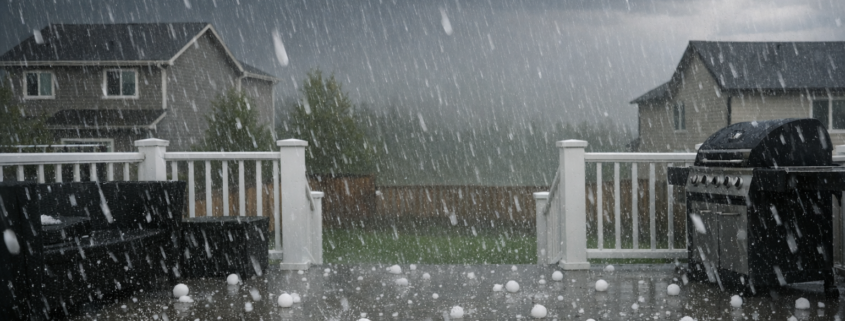
Hail Resistant Vinyl Deck Calgary

Hail resistant vinyl deck choices matter in Calgary because one hard storm can leave dents, tears, and leaks that are expensive to fix. In a city known for fast-changing weather, picking the right surface, thickness, and details can make the difference between a quick rinse and a full replacement. Many homeowners also want a deck that looks good year after year, even after hail and heavy sun. That means thinking about impact resistance, water sealing, and how easy it is to repair small damage before it spreads. It’s also smart to work with a team that understands local conditions and common failure points. If you’re planning an upgrade or need help after a storm, White Knight Contracting is one option Calgary homeowners use to help get durable, watertight results.

Table of Contents

Why Calgary hail is tough on decks

Calgary storms can be short, loud, and surprisingly intense, and hail often shows up with strong wind that drives ice into walls and floor surfaces at an angle. That matters because decks don’t just get hit from above—railings, edges, and door transitions take abuse too. Insurance data across Canada has shown severe weather losses are trending higher over time, and Alberta frequently appears among the provinces with major hail events. Even when hailstones aren’t huge, repeated impacts can scuff finishes and open tiny seams that later become leaks. Once water sneaks under a surface, freeze-thaw cycles can widen the problem and make boards or plywood soft. This is why “weather resistant decks” in Alberta need more than just a tough top layer—they need strong seams, clean drainage paths, and solid edge details.

Hail resistant vinyl deck options (and what “hail-resistant” really means)

When people say “hail resistant vinyl,” they usually mean a surface that can take impacts without cracking, and that still keeps water out even if it gets minor marks. Vinyl decking commonly comes as sheet membranes or plank-style systems, and both can work if they’re installed correctly. The big difference is how thick the wear layer is, how seams are welded or sealed, and how the surface handles dents. For Calgary hail deck protection, thickness and reinforcement are your best friends because they help spread impact energy. In practical terms, many contractors aim for commercial-grade membranes around 60 mil+ when hail risk is a concern, because thicker material tends to be more forgiving. Textured or embossed finishes also help because small surface hits can blend in better than on a smooth, glossy surface.

Quick definition: “mil” thickness

A “mil” is one-thousandth of an inch. So a 60 mil membrane is 0.060 inches thick. It doesn’t sound like much, but in vinyl membranes, that extra thickness can noticeably improve durability, especially at seams and high-traffic spots.

Materials and methods compared

Homeowners often compare “storm proof decking” options like vinyl membranes, composite boards, and other waterproof systems. Each has strengths, but the best fit depends on how your deck is built and how much waterproofing you need. A vinyl membrane system is popular when the space below the deck must stay dry, because it acts like a roof. Composite boards can take hits well, but they typically don’t waterproof the structure beneath unless paired with additional under-deck drainage systems. Also, some surfaces hide dents better than others, which matters after Alberta hail damage decks become a neighborhood-wide issue.

  • Reinforced vinyl sheet membranes (60 mil+): Often a top pick for impact resistance and true waterproofing when properly heat-welded and detailed.
  • Vinyl plank systems (reinforced cores)
  • : Can be very tough and easier to replace in sections, but performance depends on the brand’s seam and edge design.

  • Composite decking boards
  • : Good durability, but not automatically waterproof; you may still need a separate water-shedding layer.

  • Protective coatings and mats
  • : Helpful for extending life, but they’re usually “supporting players,” not the main waterproofing solution.

What research and manufacturers say about hail impacts

Material science matters because not all plastics behave the same way under impact. As noted by Neogard, thermoplastic membranes like PVC can handle impacts from hailstones up to 1 ¾ inches, which is why many homeowners look for tougher, hail-resistant vinyl deck surfaces in storm-prone climates. While vinyl decking products aren’t all identical to roofing membranes, the takeaway is useful: thermoplastic-style materials and reinforced layers can be strong choices when impact is a real concern.

Common challenges and real-world scenarios

One common Calgary story goes like this: a homeowner gets a deck installed, it looks great for two years, then one hailstorm leaves tiny pin marks near the door and along the outer edge. The marks don’t leak right away, so nothing happens—until fall rains and winter freeze-thaw cycles start pushing moisture around. By spring, the plywood under the surface feels soft in one corner, and the repair grows from “small patch” to “partial rebuild.” This is why vinyl deck hail repair should focus on both the visible surface and the hidden layers underneath. A proper inspection checks seams, fastener lines, door thresholds, and any spots where water may sit. The earlier you catch it, the more likely a targeted repair works instead of a full replacement.

Trend: stronger details, not just stronger surfaces

In recent years, more installers have focused on the “weak links” that hail and wind expose: edge metal, upturns, scuppers, and transitions at doors. Homeowners also request better slip resistance and cooler-feel surfaces for summer. These upgrades are part of making truly weather resistant decks, because Calgary conditions are a mix of hail, UV, and temperature swings. Another trend is documenting installs and repairs with photos, which helps if you ever need an insurance claim after a major storm. Even if the surface survives, wind-driven hail can damage siding, fascia, and trim at the same time, so taking a whole-exterior view is important.

Calgary hail deck protection checklist

If you want “storm proof decking,” think of it like a winter jacket system: it’s not only the outer shell, but also the seams and how everything fits together. The goal is to reduce impact damage, avoid water entry, and make future repairs simpler. Here are practical steps that usually pay off.

  • Choose thicker material: aim for 60 mil+ commercial-grade options where possible.
  • Pick a textured finish to help hide minor hail scuffs and reduce slip risk.
  • Ask how seams are sealed (heat-welded vs. adhesive methods) and what warranty backs that seam work.
  • Upgrade edge and door transition details, since these are common leak points after hail.
  • After a storm, rinse grit, photograph all marks, and book an inspection if you see dents near seams.

Company Highlight

White Knight Contracting has been in business since 2011, and that experience matters when you’re dealing with repeated hail seasons and the long-term wear they cause. One of their practical strengths is being able to handle multiple exterior needs in one place—like siding work—without bringing in a second contractor, which can help keep timelines and responsibility clear. That’s helpful because hail rarely damages just one surface; decks, siding, trim, and roof edges can all take hits in the same storm. A coordinated approach can also make it easier to match colors and finishes across your exterior. If you’re trying to prevent problems (not just react to them), it helps to work with a team that understands how water moves and where leaks usually start. That kind of “whole system” thinking is often what separates a deck that lasts from one that becomes a repeat repair.

FAQ

As noted by Neogard, thermoplastic membranes like PVC can handle impacts from hailstones up to 1 ¾ inches, which is why many homeowners look for tougher, hail-resistant vinyl deck surfaces in storm-prone climates.

Q&A

Question: What type of vinyl decking is most resistant to hail damage in Calgary?

Answer: Thicker commercial-grade vinyl membranes (60 mil+) and reinforced vinyl plank systems offer the best hail resistance. Products with embossed textures also hide minor surface impacts better than smooth finishes.

Question: Does home insurance cover hail damage to vinyl decking in Calgary?

Answer: Yes, most Alberta home insurance policies cover hail damage to decking under the dwelling or other structures coverage. Document damage immediately with photos and contact your insurer within 30 days of the storm.

To learn more and view our other blogs, click here,

Conclusion

Choosing a hail resistant vinyl deck in Calgary comes down to smart material thickness, solid reinforcement, and careful detailing at seams and edges. If you’re upgrading, lean toward commercial-grade options, textured finishes, and an install plan that prioritizes waterproofing where it matters most. If you’re repairing after a storm, focus on early inspection and targeted fixes before water has time to work its way into the structure. Calgary hail deck protection isn’t one single product—it’s a system that includes the surface, the transitions, and good drainage. With the right approach, you can get storm proof decking that stays good-looking and functional through Alberta’s roughest weather. The best results usually come from treating the deck like part of the whole exterior, because hail damage rarely stops at just one area.

The photo used in this blog are for demonstration purposes only.

Repair Water Damage With Foam

How Foam Remediation Can Cut Down Allergies and Rescue Water Damaged Homes

If you or your family suffer from allergies, it’s crucial to know how water damage repair—especially using modern foam restoration and flood proof insulation—can make your home safer and more comfortable. White Knight Contracting, specialists in this field, have been helping homeowners stay healthy and dry while offering a one-stop solution to water damage and beyond since 2011. White Knight Contracting handles everything from repair insulation to siding, eliminating the need for multiple contractors.

Table of Contents

A Brief History: Foam and Water Damage Solutions

The journey of foam restoration and water damage repair began decades ago. Older homes commonly relied on fiberglass or cellulose insulation, which easily absorbed moisture and fostered mold—aggravating allergies. Spray foam insulation first appeared in the 1940s, but today’s advanced formulas offer even greater resilience against flood damage and allergens.

According to government studies, homes with outdated insulation are 30% more likely to develop mold and allergen issues. Modern foam insulation repels water, seals air leaks, and doesn’t attract pests, making it a go-to solution for savvy homeowners concerned about allergy triggers and future repair insulation needs.

Foam restoration has moved into the spotlight as Canadians deal with more frequent weather extremes. More homeowners are choosing closed-cell spray foam because it creates a moisture barrier that both repairs water damage and stops future leaks. Builders are demanding products that not only restore but protect—so they use flood proof insulation that adds to property value.

  • Smart foam products with antimicrobial agents fight off allergens before they spread.
  • Contractors are integrating water sensors and early detection systems in tandem with insulation repairs.

Data shows that homes using spray foam insulation can reduce heating and cooling costs by up to 50%. Most importantly for allergy sufferers, these systems keep pollen, dust, and mold spores outside, making living spaces healthier year-round.

Challenges in Flood Proof Insulation and Allergies

Repairing water damage isn’t just about patching up wet areas—it’s about keeping allergens from taking hold. Unfortunately, even the best foam restoration products can’t perform miracles in a badly ventilated or poorly maintained home. Here’s what needs tackling:

  • Foam insulation demands expert installation, or gaps will let moisture and allergens sneak in.
  • Some older houses may require removal of contaminated materials before foam is applied.
  • Insurance coverage for water damage repair varies; not all policies include thorough insulation fixes.

Yet, with the right contractor, these challenges are manageable. Regular checks ensure your foam restoration continues to deliver allergy relief and robust water damage repair far into the future.

Where Foam Restoration Is Heading

The future of water damage repair is looking bright! Researchers are developing foam insulation that adapts to humidity levels and actively repels water, meaning fewer repairs and less time spent worrying about allergies.

  • “Smart foam” will soon change shape or density based on moisture exposure.
  • Environmentally friendly spray foams are hitting the market—made from soy or recycled plastics.
  • Seamless integration with smart home sensors lets homeowners know about leaks before they wreak havoc.

These advancements will give families more control over their home’s health, reducing the impact of water damage and providing a real long-term solution for those sensitive to allergens.

Step-by-Step: How Insulation Repair with Foam Fights Allergens

  • Inspection: Your contractor assesses water damage and allergy risks, checking walls, floors, and attics.
  • Remove Old Insulation: Damaged or moldy insulation is safely taken out, limiting allergen spread.
  • Dry & Clean: Powerful dryers and HEPA vacuums eliminate excess moisture and allergens.
  • Apply Foam: Spray foam fills cracks and cavities, creating both a moisture and allergen barrier.
  • Final Checks: Experts inspect their repair insulation work to confirm everything is sealed tight, ensuring better air quality and lower allergy triggers.

This streamlined process means you can eliminate water damage and allergy worries, often in just a day or two.

Foam vs. Traditional Water Damage Repair

How does modern foam restoration stack up against old-fashioned patch jobs? Here’s a quick look:

  • Fiberglass/Cellulose: Prone to mold, doesn’t block allergens, not watertight.
  • Foam Insulation: Seals out air and water, fights allergens, provides long-term durability.
  • Traditional methods need replacement after every flood—foam restoration offers a permanent upgrade.

With water-resistant and allergy-fighting properties, repair insulation via spray foam is the smart investment that pays off in health and home value.

Interesting FAQ

Elastochem updates on advanced spray foam formulations delivering superior insulation and durability.

  • How does foam insulation reduce allergy symptoms at home? By sealing out dust, pollen, and mold spores—three of the main triggers for indoor allergies.
  • Can foam restoration repair water damage behind walls? Yes, closed-cell foam both insulates and protects against further moisture, even in tight spaces.
  • Will spray foam make my house quieter? Absolutely! Foam blocks both water and noise—giving you a calmer, healthier space.
  • How do I know if my insulation needs to be replaced? Watch for higher energy bills, damp smells, or frequent allergy symptoms. These often indicate old insulation can’t keep out moisture and allergens.
  • What other services can White Knight Contracting handle? In addition to water damage repair and insulation, they can fix siding or other related exterior repairs, so you don’t need to hire extra contractors.

Conclusion

Choosing foam restoration and proper water damage repair is a major step toward a healthier, allergy-free home. With expert help, advanced materials, and a commitment to resilience, you can enjoy comfort and peace of mind—rain or shine. Ready to beat allergies and future-proof your home? To learn more and view our other blogs, click here.
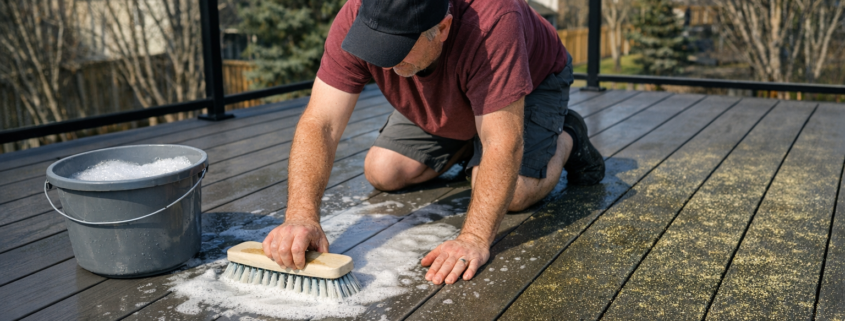
Vinyl Deck Maintenance Alberta Tips

vinyl deck maintenance Alberta is one of those things that feels optional—until a Calgary winter leaves your deck looking dull, gritty, or a little slippery. The good news is that vinyl is a tough, low-fuss surface when you treat it right, and a few simple habits can keep it looking sharp for years. In Alberta, the biggest issues usually come from freeze-thaw cycles, tracked-in grit, heavy snow loads, and spring meltwater that sits in the wrong places. That’s why a realistic plan matters more here than in milder climates. If you want help with materials, repairs, or a fresh install, White Knight Contracting is a local option that understands what Alberta weather does to outdoor surfaces. Let’s walk through what works, what to avoid, and what to expect across the seasons.

Table of Contents

Why Alberta Weather Changes Everything

Vinyl surfaces do well in tough climates, but Alberta adds a few extra twists. First, freeze-thaw cycles can push water into tiny seams and edges, then expand it like a wedge when it freezes. Second, Chinooks can melt snow fast, sending water across the deck and toward drains—then refreezing overnight into slick patches. Third, wind-blown grit acts like sandpaper under shoes, patio chairs, and planters. Over time, that grit can wear the surface texture faster than you’d expect. Finally, shaded decks in Calgary often stay damp longer in spring, which can encourage algae, mold, or mildew. With the right vinyl deck maintenance, you’re mostly managing moisture, abrasion, and buildup before they become “real problems.”

Vinyl Deck Maintenance Alberta: The Core Routine

The best routine is simple: remove grit, wash gently, and make sure water can escape. Start by sweeping often, especially near doors and high-traffic paths, because grit is the slow, silent enemy of finishes. Next, wash using mild soap and water when the surface looks dusty or feels slick. If you keep it clean, you reduce staining and lower the chance of slippery bio-growth. Also, pay attention to transitions—edges, posts, rail bases, and around drains—because that’s where debris piles up and water lingers. Think of it like caring for a car in winter: the goal isn’t perfection, it’s preventing buildup from doing damage over time. If you stick to these basics, most decks won’t need harsh chemicals or heavy scrubbing.

A Simple Deck Care Schedule You’ll Actually Follow

A deck care schedule works best when it matches real life in Alberta. Instead of weekly chores, aim for “quick checks” and two deeper cleanings each year. For most homes, a fast sweep every 1–2 weeks during spring and summer is enough, especially if you have kids, pets, or nearby trees. Then plan a proper wash in spring (after the last heavy snow) and again in fall (before freeze-up). In between, spot-clean spills quickly so they don’t set or attract dirt. If you barbecue a lot, put a mat under the grill and check for grease drips, since oily residue can collect dust and darken the surface. This approach keeps vinyl deck maintenance consistent without turning it into a weekend-stealer.

  • Spring: sweep, wash, inspect drains and edges
  • Summer: sweep as needed, spot-clean, check airflow areas
  • Fall: wash, remove leaf buildup, prep for snow season
  • Winter: remove snow safely, avoid damaging tools and salts

Seasonal Deck Maintenance: What to Do in Each Season

Spring (post-winter reset)

Spring is the best time for seasonal deck maintenance because winter leaves behind grit, pollen, and whatever blew in during storms. Start with a thorough sweep, then wash with mild soap and a soft brush. While you’re cleaning, watch how water moves—if it puddles, that’s a clue you need to clear a drain or adjust something nearby like a mat, planter, or furniture placement. Spring is also a good moment to look closely at seams, edges, and around posts for any gaps or lifting. Small issues are easier to address before the deck gets heavy summer use. If you notice recurring puddles, it’s worth having a pro assess drainage and finishing details.

Summer (keep it easy)

Summer care is mostly about keeping abrasive dirt off the surface and handling spills quickly. If you’re hosting, you’ll usually see a mix of sunscreen, food drips, and drink spills. The faster you wipe them, the less scrubbing later. Also, try not to drag furniture—lift and place instead—because grit under chair legs can scuff finishes over time. If you have potted plants, use trays and move them occasionally so moisture doesn’t sit in one spot all season. These are small Alberta deck tips, but they add up.

Fall (prep for freeze-up)

Fall is your “set yourself up for success” season. Clear leaves and needles regularly because they hold moisture and can stain if they break down on the surface. Do a wash before temperatures drop too much, and make sure drains and downspouts are clear. If you store furniture, clean the deck first so you’re not trapping dirt under covers or legs all winter. This is also the time to choose safe snow tools and set expectations for winter cleanup.

Calgary Deck Upkeep: Snow, Ice, and Grit

Calgary deck upkeep in winter is all about removing snow without damaging the surface. Avoid sharp tools that can gouge or slice the membrane, and don’t chip at ice aggressively. Also, be careful with de-icers: some products can leave residue or make surfaces slippery later when they re-wet. Instead, focus on timely snow removal and safe traction choices. When clearing snow in Alberta, use a plastic shovel (not a metal-edged one) to avoid damaging the vinyl deck membrane. If you regularly get drifting snow or shaded ice, consider adding a winter-safe outdoor mat at entry points to reduce tracked-in grit.

Vinyl Cleaning Tips (Including What Not to Do)

When people get frustrated cleaning, it’s usually because they go too aggressive too fast. Start gentle, because vinyl doesn’t need harsh treatment for normal dirt. Use a mild dish soap mix, a soft-bristle brush, and a thorough rinse. Work in sections so soap doesn’t dry on the surface, especially on warmer, sunny days. For stubborn spots like pollen film or light mildew, repeat the gentle method rather than jumping to strong chemicals immediately. Also, avoid very high-pressure washing because it can rough up the surface texture or push water where you don’t want it. A practical rule: if you must use a pressure washer, keep it under 1500 PSI and use a wide fan tip at a safe distance.

  • Do: sweep first to remove grit before washing
  • Do: rinse thoroughly so soap and dirt don’t re-settle
  • Don’t: use metal-edged shovels or sharp ice tools
  • Don’t: use extreme pressure washing that can damage texture

Company Highlight

White Knight Contracting has been in business since 2011, and that experience matters when you’re building for Alberta’s real weather, not just a brochure climate. One major strength is that they can handle multiple exterior needs without automatically bringing in a second contractor—for example, they can take care of siding along with deck-related work, which helps keep the project simpler and easier to schedule. That also means fewer handoffs and fewer chances for details to get missed around edges, transitions, and water management. In real-world builds, those “small details” are often what decide whether a deck stays trouble-free after years of snow and sun. If you’re comparing options, ask who’s responsible for the full system around the deck, not only the walking surface. That’s where a coordinated team can make a big difference.

FAQ

For winter safety and surface protection, this guide is worth bookmarking: When clearing snow in Alberta, use a plastic shovel (not a metal-edged one) to avoid damaging the vinyl deck membrane.

Q&A

Question: What is the best way to clean a vinyl deck in Calgary after winter?

Answer: Use a mild dish soap solution and a soft-bristle brush to scrub away dirt, mold, and pollen. Rinse thoroughly with a garden hose. Avoid pressure washers above 1500 PSI as they can damage surface texture.

Question: How do I prevent mold and mildew on my vinyl deck in Calgary?

Answer: Ensure proper drainage by keeping drains clear and trimming overhanging vegetation. Clean your deck in spring and fall, apply a vinyl-safe mold inhibitor, and ensure adequate airflow underneath the deck structure.

To learn more and view our other blogs, click here,

Conclusion

Good vinyl deck maintenance Alberta homeowners can rely on isn’t complicated—it’s consistent. Sweep away grit so it doesn’t grind into the surface, wash gently a couple of times a year, and keep drainage paths clear so water doesn’t linger. Then adjust your seasonal deck maintenance to match Calgary’s freeze-thaw reality, especially with safe snow removal tools and a plan for spring cleanup. If you do those things, your deck stays cleaner, safer to walk on, and easier to maintain year after year. And when something feels “off,” like recurring puddles or stubborn slick areas, that’s your cue to troubleshoot early rather than waiting for damage to spread. With a simple routine and a realistic deck care schedule, vinyl stays one of the most practical outdoor surfaces for Alberta homes.

The photo used in this blog are for demonstration purposes only.

Spray Foam For Basements Installation

Introduction

When it comes to payback, both cost savings and home comfort make basement spray foam a leading choice for homeowners considering foundation insulation and basement moisture control projects. At White Knight Contracting, many Calgary homeowners are discovering just how effective foam waterproofing can be as part of a comprehensive energy efficiency plan.

Table of Contents

  1. The History of Basement Spray Foam Insulation
  2. Current Trends in Foundation Insulation
  3. Common Challenges & Solutions in Basement Spray Foam
  4. Future Prospects for Basement Moisture Control and Foam Waterproofing
  5. Step-by-Step Guide to Installing Spray Foam for Basements
  6. Comparison: Basement Spray Foam vs. Other Insulation Types
  7. Interesting FAQ
  8. Conclusion

The History of Basement Spray Foam Insulation

Spray foam started making waves in the 1970s, primarily used in commercial buildings. The technology improved quickly, and by the 1990s, homeowners began choosing spray foam as a reliable solution for basement insulation and moisture control. Traditional basement insulation methods—like fiberglass batts—often left gaps that allowed cold drafts and water vapor to seep indoors.

With spray foam, however, both open-cell and closed-cell options provide a continuous barrier that dramatically reduces energy loss and prevents water from entering through foundation walls. Over the years, advancements in the chemical formulas have reduced off-gassing and improved safety, making modern foam waterproofing highly effective for residential basements.

Today’s basement spray foam installations follow building science best practices. Homeowners are increasingly interested in airtightness and energy efficiency, driving demand for high-performance insulation. For example:

  • Many homeowners now request closed-cell spray foam, which has more structural strength and provides an added moisture barrier.
  • Combination systems are trending—the use of both spray foam and rigid boards to address unique basement layouts.
  • Basement moisture control is front-of-mind, with customers asking for solutions to prevent mold, mildew, and musty odors.
  • Payback periods are getting shorter as energy costs climb. In most retrofits, homeowners see notable savings on heating and cooling in just a few years.

According to Natural Resources Canada, foundation insulation can reduce heat loss by up to 20% in older homes, with spray foam often outperforming alternatives.

Common Challenges & Solutions in Basement Spray Foam

Upgrading a basement with spray foam isn’t always straightforward. Challenges typically include existing moisture problems, irregular wall shapes, and concerns about insulation thickness. Here’s how to tackle these:

  • Moisture Management: It’s vital to address any water leaks or seepage before installing foam waterproofing. A dry surface ensures proper adhesion and performance.
  • Air Sealing Odd Gaps: Spray foam excels at fitting around pipes, wires, and obstructions—areas that are difficult for traditional materials to reach.
  • Building Codes & Safety: Make sure the installer uses products approved for below-grade foundation insulation and adheres to local fire safety codes.
  • Access & Preparation: Some basements have finished walls that must be carefully opened and restored afterward, requiring careful planning to minimize disruption to the home.

Future Prospects for Basement Moisture Control and Foam Waterproofing

The future for basement spray foam insulation looks bright. With higher energy prices and a push toward net-zero homes, demand for high-efficiency products is rising. Innovations in low-VOC (volatile organic compound) spray foams, better application techniques, and integrated moisture barriers will further improve performance.

Industry experts predict next-generation spray foam will allow even lower payback periods, making it a cost-effective and eco-friendly upgrade. As more municipalities offer incentives and rebates for energy retrofits, basement spray foam is likely to become a standard feature in new and renovated homes.
Additionally, multi-skilled contractors like White Knight Contracting, in business since 2011, offer additional value—handling not only spray foam but also related services like exterior siding and home repairs, streamlining projects for homeowners.

Step-by-Step Guide to Installing Spray Foam for Basements

  1. Initial Inspection: Assess basement walls and floors for moisture, cracks, or signs of existing mold.
  2. Surface Prep: Clean and dry surfaces thoroughly. Remove old insulation, and patch any leaks.
  3. Vapor Barrier Install (if specified): In some builds, a dedicated vapor barrier is installed before foam in especially damp foundations.
  4. Spray Foam Application: Technicians use specialized rigs to spray closed or open-cell foam, ensuring full coverage of all walls, rim joists, and awkward corners.
  5. Trimming & Touch-up: Any excess insulation is cut flush, and areas that need additional attention get a second coat.
  6. Finish Work: Walls are re-finished, and any previously removed drywall or panelling is replaced.

This process takes one to three days, depending on the basement’s size and project scope. Clients receive a finished product that provides year-round comfort and effective moisture control.

Comparison: Basement Spray Foam vs. Other Insulation Types

Wondering how foam waterproofing stacks up against more traditional options?

Insulation Type R-Value per Inch Moisture Resistance Air Sealing Capability Average Payback
Closed-cell Spray Foam R-6 to R-7 Excellent; forms vapor barrier Excellent; seamless 3-6 years
Fiberglass Batts R-3 to R-4 Poor; absorbs moisture Poor; relies on fit 6-10 years
Rigid Foam Boards R-4 to R-5 Good; needs sealed seams Good; needs taping 4-8 years

Spray foam’s ability to provide both insulation and waterproofing in one application makes it the leader for basement walls and foundations prone to moisture issues.

Interesting FAQ

Owens Corning provides innovative spray foam insulation products engineered for residential energy efficiency.

  • Q: What is the typical payback period for basement spray foam?
    A: In most homes, the payback is between 3–6 years thanks to the energy savings from better air sealing and reduced heat loss.
  • Q: Does spray foam help with basement moisture control?
    A: Absolutely. Closed-cell spray foam forms a barrier against water vapor and air leaks, reducing the risk of mold.
  • Q: Can spray foam be used on floors and ceilings too?
    A: Yes. It’s common to insulate basement ceilings (the rim joist) and even floors if moisture or cold is a problem.
  • Q: Will spray foam insulation affect basement waterproofing systems already in place?
    A: When installed correctly, spray foam works alongside existing waterproofing and can actually help improve long-term performance by sealing leaks and cracks.
  • Q: Why choose a company like White Knight Contracting for basement projects?
    A: With over a decade of experience and the ability to handle insulation, siding, and other upgrades together, customers save time—and only need one contractor on site.

Find Us Here