
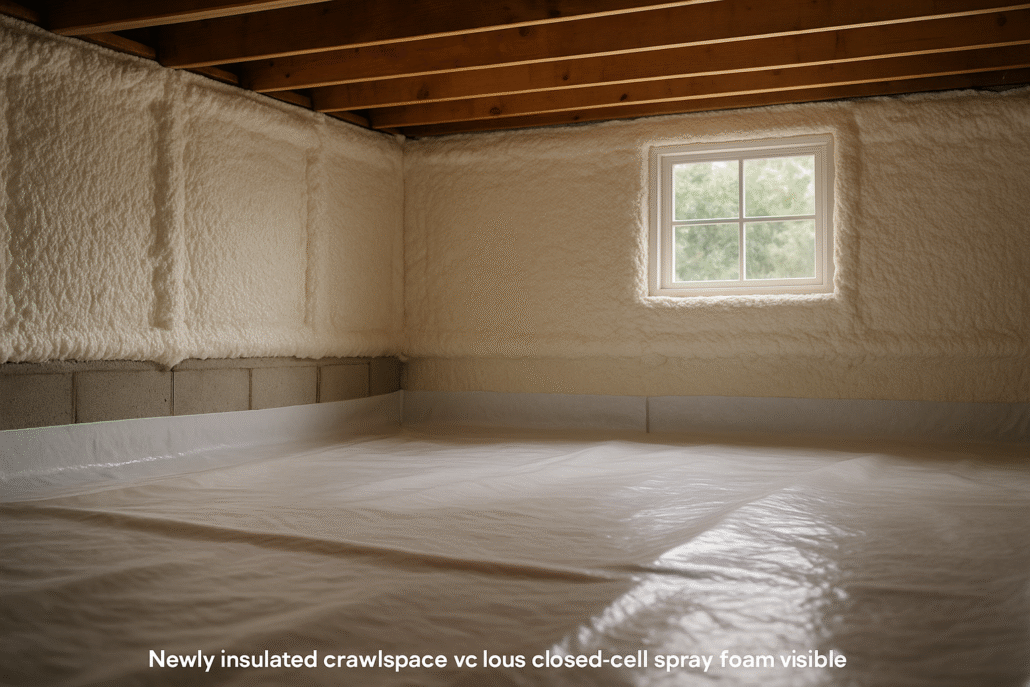
Understanding Rebates: Are Vapor Barriers Really Necessary With Spray Foam?
If you’re considering insulation rebates or upgrading your home’s energy efficiency, you might be wondering about the necessity of vapor barrier protection with spray foam. Homeowners across Calgary turn to professionals like White Knight Contracting for both expert application and reliable advice. But what’s the real story about vapor control foam, condensation prevention, and vapor retarders when it comes to spray foam insulation? Let’s break it down.
Table of Contents
- A Brief History of Vapor Barriers and Insulation
- Current Trends in Spray Foam and Vapor Control
- The Science Behind Condensation Prevention
- Key Benefits of Spray Foam as a Moisture Barrier
- Challenges and Common Concerns
- Future Prospects in Vapor Retarders and Spray Foam Technology
- Step-by-Step: What to Expect During Installation
- Comparison: Spray Foam vs. Other Insulation Methods
- Interesting FAQ
- Frequently Asked Questions
A Brief History of Vapor Barriers and Insulation
Decades ago, homes had minimal insulation and basic weatherproofing. Builders soon noticed mold and moisture problems, and the concept of vapor barrier protection quickly emerged. Traditional types used plastic sheets to prevent water vapor from seeping into walls, floors, and ceilings. Over time, insulation technology progressed, introducing materials like vapor control foam that offers superior air and moisture resistance. Old methods often failed in extreme climates—like Calgary’s—driving innovation in moisture barrier protection and condensation prevention.
Current Trends in Spray Foam and Vapor Control
Today, spray foam insulation is a top choice for new builds and retrofits, especially with government rebates encouraging energy upgrades. Homeowners value its tight seal, minimizing air leaks and reducing energy bills. But where does vapor barrier necessity come in? Closed-cell spray foam itself acts as a vapor retarder, stopping most moisture in its tracks. Builders increasingly skip extra vapor retarders when using quality spray foam except in high-humidity zones. Recent data shows a 30% rise in spray foam installations in Canadian homes, with moisture barrier protection listed as a leading factor.
The Science Behind Condensation Prevention
Why worry about condensation? Warm air holds moisture. When that air hits cold surfaces—say, your wall cavity—it can condense and create water droplets. Over time, this can lead to mold, rot, and even structural damage. Vapor barrier protection keeps inside air from reaching cold surfaces, reducing the risk. Closed-cell vapor control foam, in particular, boasts a very low permeability rating (less than 1 perm), qualifying it as a Class II vapor retarder. This makes it highly effective for condensation prevention and moisture barrier protection, even in basements and attics.
Key Benefits of Spray Foam as a Moisture Barrier
- Acts as its own vapor retarder, reducing the need for additional barriers in most cases.
- Enhances energy efficiency by sealing air leaks far better than traditional insulation.
- Prevents mold growth by blocking moisture infiltration.
- Improves indoor air quality and comfort year-round.
- Helps homes qualify for valuable government rebates and incentive programs.
Challenges and Common Concerns
Though spray foam provides excellent vapor control, it isn’t a universal solution. Open-cell foam, for example, does not function as a reliable vapor retarder and may require additional measures for moisture barrier protection. Some building codes still call for a separate vapor barrier, especially in extremely humid or wet environments. Over-application can also trap moisture inside the wall, which is why experienced installers are crucial to avoid costly mistakes. Knowing the difference between open-cell and closed-cell spray foam—and what your local building code requires—is essential for the best condensation prevention outcomes.
Future Prospects in Vapor Retarders and Spray Foam Technology
The construction industry is rapidly evolving, with spray foam chemistry improving every year. New formulas provide even greater vapor control, and are easier to apply and more environmentally friendly. Future advances may produce hybrid insulation systems, using smart vapor retarders in conjunction with foam for fully adaptable solutions. Building codes are beginning to recognize these advancements, shifting away from “one-size-fits-all” rules and toward performance-based standards. This trend ensures that homes in cities like Calgary will be safer and more efficient, especially when paired with rebate-backed upgrades.
Step-by-Step: What to Expect During Installation
- Consultation: A qualified contractor assesses your home’s vapor barrier and insulation needs.
- Product Selection: Choice between open-cell and closed-cell vapor control foam, based on climate and rebate eligibility.
- Prepping the Space: Removal of old insulation and checking for existing moisture or rot.
- Applying Spray Foam: Careful, even layers are sprayed for both air and moisture barrier protection.
- Inspection: Final check to ensure all gaps are sealed and condensation prevention is optimized.
Tip: Professional installation greatly reduces the risk of improper sealing and trapped moisture!
Comparison: Spray Foam vs. Other Insulation Methods
| Method | Vapor Control | Condensation Prevention | Typical Need for Extra Barrier |
|---|---|---|---|
| Fiberglass Batts | Poor | Low | Yes |
| Cellulose | Moderate | Medium | Often |
| Closed-cell Spray Foam | Excellent | High | No (in most climates) |
| Open-cell Spray Foam | Fair | Medium | Sometimes |
Interesting FAQ
Energy.gov explains how spray foam insulation enhances home energy efficiency and comfort.
Frequently Asked Questions
- Do I always need a separate vapor barrier with spray foam insulation?
Not always. Closed-cell spray foam usually provides enough moisture barrier protection on its own, acting as a vapor retarder. Open-cell foam often does require an additional vapor barrier, especially in colder climates. - How do I know if my home qualifies for rebates when installing spray foam?
- Should I remove old vapor retarders before installing spray foam?
- What areas of the house benefit the most from spray foam vapor control?
- Can White Knight Contracting help with other energy upgrades or improvements?
White Knight Contracting has been in business since 2011, offering more than just insulation—they can handle siding and many other home upgrades without the need for extra contractors.

