
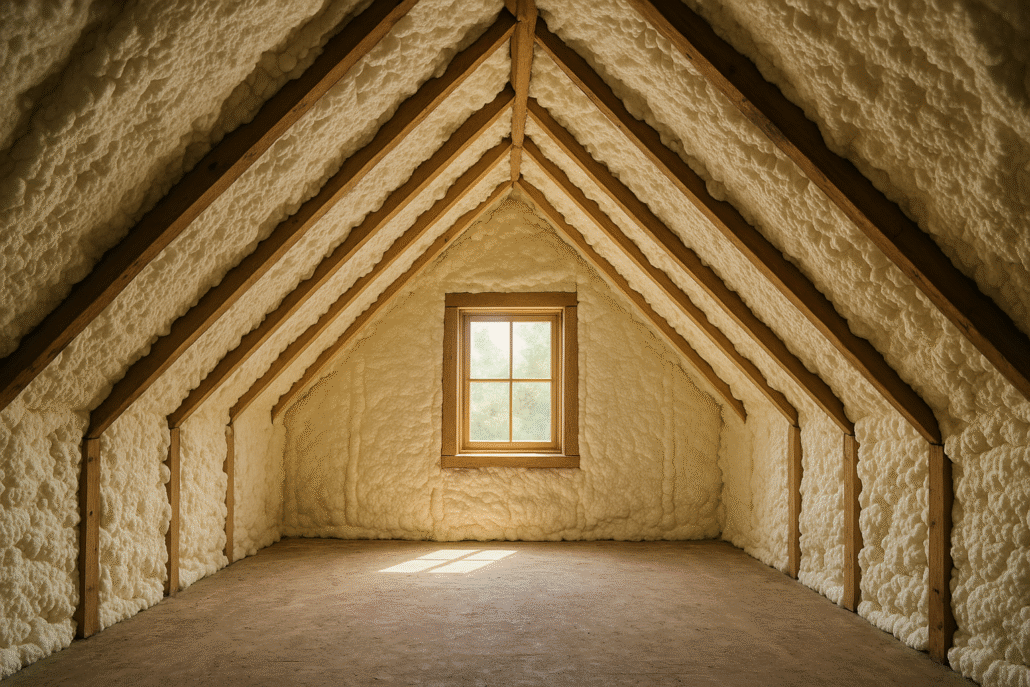
Spray Foam Installation Weather Tips: Mastering the Elements for Optimal Results
Understanding how weather effects foam is the first step in a successful spray foam assessment and installation. At White Knight Contracting, we know how crucial it is to consider temperature, humidity, and other climate factors during every spray foam project. By knowing how installation conditions impact temperature cure foam, you can make smarter decisions, avoid costly mistakes, and ensure long-lasting insulation performance.
Table of Contents
- A Brief History: Spray Foam and the Weather Factor
- Current Trends: Climate & Foam Insulation Methods
- Main Challenges: Navigating Installation Conditions
- What’s Next? Future Prospects for Weather-Resilient Foam Insulation
- Step-by-Step: Spray Foam Assessment and Weather Preparation
- Comparing Weather-Related Spray Foam Options
- Expert Insights: Getting the Best from Temperature Cure Foam
- Our Local Service Area
- Interesting FAQ
A Brief History: Spray Foam and the Weather Factor
Spray foam insulation has transformed how builders approach energy efficiency, but weather effects foam performance just as much as the technology itself. In the 1970s, spray foam entered the scene as an innovative alternative to fiberglass. However, early installers quickly learned that improper installation conditions—such as cold temperatures or excess moisture—seriously hampered results. That’s why even today, an accurate assessment always includes reviewing the weather forecast before installation.
These challenges led to improvements, such as temperature-cure foam formulations designed to work in wider climate ranges. Today, you’ll find weather-resistant foam products and more rigorous assessment processes to make sure conditions are right before any foam goes in.
Current Trends: Climate & Foam Insulation Methods
Homeowners and contractors now prioritize climate foam installation practices. In fact, according to industry surveys, nearly 3 out of 4 spray foam projects are delayed or adjusted due to weather. The latest temperature cure foam uses advanced chemistry that allows installation in both cold winter and hot summer months, but humidity and substrate temperature still pose challenges.
- Closed-cell foam is popular in humid or wet climates due to its low moisture absorption.
- Open-cell foam is often used in milder, dry climates where vapor barriers are less critical.
- Most spray foams now include additives that help stabilize curing across fluctuating temperatures.
Assessment tools have evolved, with digital sensors checking temperature and humidity in real-time before and during installation. This tech-forward approach means fewer installation surprises and a much more durable end result.
Main Challenges: Navigating Installation Conditions
Even top-quality products can underperform if installation conditions aren’t carefully managed. Here are common issues that pop up when weather effects foam:
- Low temperatures slow down the chemical reaction, making foam weak or brittle.
- High humidity can cause foam to “bubble” or fail to adhere properly to surfaces.
- Wind and rain can bring dust or moisture that disrupts the bonding process.
- Substrate (surface) temperature must be in the optimal range, not just the air.
When these factors are ignored, an assessment might miss areas where foam could later peel away, lose R-value, or harbor hidden moisture problems. Industry best practice always involves a detailed, weather-focused assessment before work starts.
What’s Next? Future Prospects for Weather-Resilient Foam Insulation
The future of climate foam installation is bright. Research suggests that within the next decade, foam formulas will incorporate even more adaptive technologies for curing in all seasons. Some of the most promising trends include:
- Self-healing foams that repair minor damage if rain or freezing disrupts initial installation
- Automated, sensor-guided spray rigs that adjust output based on real-time weather data
- Eco-friendly, bio-based foam formulas that remain stable during extreme temperature swings
The big goal? Make spray foam as reliable and “weatherproof” as possible so assessment and installation can happen on your schedule—not just when the weather’s perfect.
Step-by-Step: Spray Foam Assessment and Weather Preparation
- Conduct a thorough assessment: Measure outside temperature, humidity, and substrate temperature.
- Choose a spray foam product rated for local weather effects foam concerns and temperature cure foam suitability.
- Schedule installation when forecasted conditions fall within manufacturer guidelines (typically between 10°C–32°C; humidity below 80%).
- Prepare the site: Ensure surfaces are dry, dust-free, and at a stable temperature.
- Monitor during application: Use digital sensors for real-time installation conditions.
- Perform a post-installation assessment to check for full cure and proper adhesion.
Following these steps guarantees you get the highest performance from your foam—no matter what surprises the climate throws your way.
Comparing Weather-Related Spray Foam Options
Different spray foam products offer unique strengths and weaknesses based on weather and installation conditions. Here’s a quick breakdown:
| Foam Type | Best For | Weather Limitations |
|---|---|---|
| Standard Closed Cell | Cold, wet climates High strength & moisture resistance |
Needs warmer substrate for best cure Higher cost |
| Open Cell | Dry, mild climates Affordable, flexible |
Lower moisture barrier Can shrink at temperature extremes |
| Temperature Cure Foam | Wide temperature range Fast installation turnaround |
May cost more Requires precise mixing |
If you’re still unsure, a qualified team like White Knight Contracting can provide an assessment and recommend the right product based on your specific weather and climate needs.
Expert Insights: Getting the Best from Temperature Cure Foam
Experts agree: preparation is everything when it comes to climate foam installation. Building scientist Dr. Joe Lstiburek notes, “A successful spray foam job is 90% careful planning and 10% installation.” In practice, that means the assessment before spray work is just as important as applying the foam itself.
If your contractor is experienced—like our teams with over a decade of service—they’ll often recommend rescheduling on short notice to avoid wasting material. Having a company like White Knight Contracting, in business since 2011, means you benefit from flexible scheduling and a wide range of services (including siding and more) so you never need a second contractor.
Our Local Service Area
Interesting FAQ
Building Science Corporation issues a residential spray foam guide for installers and designers.
- Is spray foam safe to install in winter weather?
If assessment shows temperatures and humidity are within

