
Introduction
Condensation can be a persistent challenge in modular homes, but with the use of modern foam insulation techniques, both moisture issues and energy costs can be effectively controlled. White Knight Contracting has been providing specialized solutions since 2011, delivering expert services for modular home foam insulation and more. Addressing condensation is crucial for healthy living spaces and maintaining the value of prefab and mobile homes.
Table of Contents
- History and Evolution of Modular Home Foam Insulation
- Current Trends in Prefab Insulation
- Common Challenges: Moisture & Condensation Management
- Comparing Insulation Methods for Modular and Mobile Homes
- Innovation and the Future of Offsite Construction Foam
- Step-by-Step Guide: Upgrading Your Mobile Home Energy Efficiency
- Interesting FAQ
- Contact and Learn More
History and Evolution of Modular Home Foam Insulation
Modular homes, also known as prefab or mobile homes, have gained popularity since the mid-20th century due to their affordability and speed of construction. In earlier decades, traditional fiberglass batts were common. However, as concerns about energy efficiency and condensation grew, builders turned to more advanced options like foam insulation. Foam panels and spray foam started replacing outdated materials to prevent air leaks and moisture buildup, which are major contributors to condensation inside living spaces. The shift to foam-based insulation dramatically improved indoor comfort and decreased utility costs for homeowners.
Current Trends in Prefab Insulation
Today, modular home foam insulation is on the rise, thanks to its ability to conform to unique shapes and tight spaces. Prefab insulation materials, including closed-cell spray foam, create a seamless barrier against drafts and dampness. They’re especially suited for offsite construction foam applications, where precision and quick installation are needed. Recent studies show that homes insulated with foam can experience up to 30% lower energy bills compared to those with older methods. Another hot trend is “hybrid insulation,” combining foam with eco-friendly products to increase both environmental impact and home efficiency.
Common Challenges: Moisture & Condensation Management
One of the top obstacles in mobile home energy efficiency is the ongoing battle with condensation. When warm, humid air meets colder surfaces—like walls or ceilings without proper insulation—condensation forms. Over time, this can lead to mold, rot, and unhealthy indoor air. Modular home foam provides a tightly sealed barrier, keeping moisture out and maintaining stable temperatures. However, installing it incorrectly or using the wrong foam type can trap unwanted dampness. Proper ventilation and expert installation are necessary to ensure success with offsite construction foam products.
Comparing Insulation Methods for Modular and Mobile Homes
Not all insulation is created equal. Below is a quick comparison of popular options used in modular homes:
- Fiberglass Batts: Cheap, but leaves gaps where air and condensation sneak in.
- Blown-in Cellulose: Better at filling odd spaces, but may settle over time, reducing effectiveness.
- Rigid Foam Board: Offers solid thermal performance, but installation can be tricky in complex wall shapes.
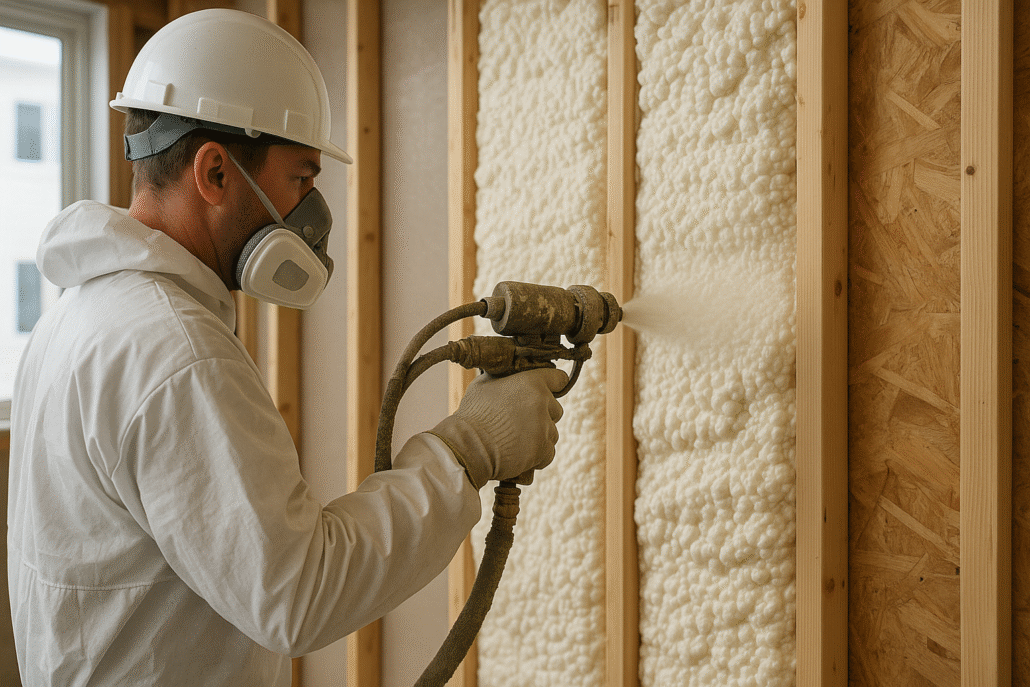
- Spray Foam Insulation: Expands on contact, sealing every nook — excellent for prefab insulation, especially in offsite construction foam projects.
Spray foam insulation stands out for mobile home energy savings because it combats condensation by making a tight, moisture-resistant envelope. It can be used in walls, floors, and even attics for maximum impact.
Innovation and the Future of Offsite Construction Foam
The future for modular home foam is looking bright. Advancements in insulation are making prefab builds more green and efficient. New closed-cell foams are engineered to be even more vapor-resistant, helping owners avoid costly condensation problems. Higher R-values mean better resistance to heat flow – translating to smaller energy bills and less stress on heating/cooling systems. Industry experts predict that smart insulation products—featuring sensors or self-healing properties—could soon be standard in modular homes. As more people seek affordable, high-performance living, offsite construction foam technologies will continue to lead the way.
Step-by-Step Guide: Upgrading Your Mobile Home Energy Efficiency
- Schedule a home assessment to check for air leaks, drafts, and areas of moisture or condensation.
- Partner with insulation professionals familiar with offsite construction foam, like spray foam or rigid foam products.
- Seal all wall, ceiling, and floor cavities thoroughly—don’t skip crawl spaces or attics.
- Install vapor barriers where necessary to further protect against moisture buildup.
- Consider upgrading windows and doors, as insulation works best when paired with energy-efficient glazing.
- Check that ventilation systems are adjusted to balance airtightness and fresh air, reducing risks of trapped condensation.
- After installation, monitor your home for signs of improved comfort and lower mobile home energy bills.
With the right modular home foam system, homeowners notice warmer winters, cooler summers, and far fewer condensation headaches.
Interesting FAQ
Energy.gov showcases the efficiency of spray foam in cutting heating and cooling energy use.
- What is the main cause of condensation in modular homes?
Condensation occurs when moist interior air touches cooler surfaces that aren’t properly insulated, forming water droplets that can cause damage if left unchecked. - Is modular home foam safe and eco-friendly?
Yes, today’s prefab insulation foams are manufactured with high safety standards. Some varieties are made with low-VOC formulas and recyclable materials. - Can existing mobile homes upgrade to offsite construction foam insulation?
Absolutely. Professional installers can retrofit most mobile or modular homes by applying spray foam or rigid boards to improve energy efficiency and comfort quickly. - Does insulation solve all energy problems in mobile homes?
While modular home foam dramatically boosts comfort and lowers bills, pairing it with sealed ductwork, efficient windows, and proper ventilation creates the best outcome.
Contact and Learn More
White Knight Contracting’s expertise goes beyond insulation—they also handle siding and a variety of home upgrades, so you won’t need to hire multiple contractors. Whether you’re tackling condensation issues or planning a full prefab insulation upgrade, experienced help is just a click away. To learn more and view our other blogs, click here.

