
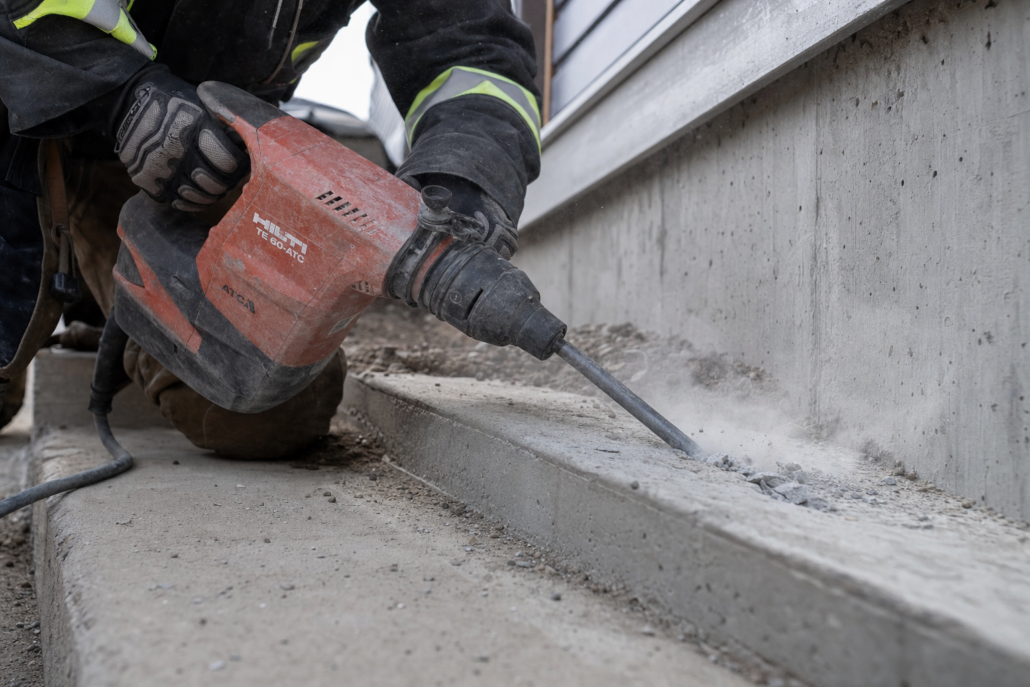
Residential concrete removal Calgary projects often look simple from the outside, but removing steps beside a home takes planning, patience, and the right method. If the concrete is tied too closely to the house, one wrong hit can send vibration into the foundation or chip nearby surfaces. That is why homeowners often choose experienced crews like White Knight Contracting when old entry steps, cracked landings, or unsafe walkways need to come out safely. In Calgary, freeze-thaw cycles, shifting soil, and older construction styles can make concrete step demolition more delicate than expected. The goal is not just to break concrete apart. The goal is to remove it while keeping the home stable, clean, and ready for the next step.
Table of Contents
- Why Residential Concrete Removal Calgary Needs Care
- History of Residential Concrete Steps Calgary Homes Use
- How Foundation Safe Removal Works
- Comparing Removal Methods
- Current Trends in Concrete Step Demolition
- Common Challenges Near the Foundation
- Company Highlight
- Future Prospects for Safer Concrete Removal
- FAQ
- Q&A
- Conclusion
Why Residential Concrete Removal Calgary Needs Care
Concrete steps are heavy, hard, and often connected closely to the house. In some cases, they may sit against the foundation wall, rest on a footing, or be pinned with metal rebar. Rebar is steel reinforcement placed inside concrete to add strength. If a crew pulls too hard without checking for these connections, the force can damage nearby surfaces. This is why foundation safe removal is different from basic concrete breaking.
Calgary homes also deal with strong seasonal changes. Water gets into cracks, freezes, expands, and slowly pushes concrete apart. According to building science research, water expands by about 9% when it freezes, which helps explain why small cracks can turn into major step damage over time. When old residential concrete steps Calgary homeowners rely on become uneven, loose, or unsafe, removal may be safer than patching. However, the removal should be controlled from start to finish.
History of Residential Concrete Steps Calgary Homes Use
Many older Calgary homes were built with poured concrete steps because they were strong, affordable, and easy to shape on site. For decades, concrete was seen as the “set it and forget it” choice for front entries, basement walks, and side doors. In many neighbourhoods, these steps were poured directly beside the home with little room between the concrete and the foundation. At the time, this was common practice.
Today, contractors know more about drainage, soil movement, and foundation protection. A step that looked solid in the 1980s may now be cracked because water drained toward the house for years. In other cases, salt used during winter slowly weakens the surface. The history matters because older steps may hide metal pins, buried edges, or layers of past repairs. Before concrete step demolition begins, a careful crew checks how the steps were built and how they connect to the home.
How Foundation Safe Removal Works
Foundation safe removal starts with inspection. The crew looks for cracks, gaps, slope, drainage problems, and signs that the steps may be attached to the foundation. They may tap the concrete, check edges, and look for old patch lines. This helps them decide where to start and how much force is safe. The goal is to separate the step from the home before breaking the larger sections apart.
Next, the crew often uses controlled cuts. A saw cut creates a clean line where the concrete can break more predictably. Think of it like scoring a chocolate bar before snapping it. The cut helps guide the break and limits random cracking. After that, workers use smaller tools near the home and stronger tools farther away. The closer the crew gets to the foundation, the gentler the method should become.
Comparing Removal Methods
Not every concrete removal method is right for steps near a house. Heavy jackhammers can remove concrete quickly, but they create strong vibration. That may be fine for a detached slab far from the home, but it is risky next to a foundation. For residential concrete removal Calgary projects, the safest approach often combines several methods instead of relying on one tool.
- Hand tools: Chisels, sledgehammers, and pry bars are slower but give better control near the foundation.
- Rotary hammers: These tools chip concrete with less force than large breakers when used on lower settings.
- Concrete saws: These create clean separation lines before the step is broken apart.
- Mini equipment: Small machines may help move broken chunks, but they should not pull against the home.
A real-world example is a front step that has settled toward the house. If a crew starts by yanking the step forward with a machine, it could scrape the foundation wall or disturb the footing. A safer method is to cut the step into sections, remove outside pieces first, and hand-chip the concrete closest to the wall. This takes more time, but it lowers the chance of damage.
Current Trends in Concrete Step Demolition
Modern concrete step demolition is moving toward cleaner, quieter, and more controlled work. Homeowners do not want clouds of dust near windows, gardens, or neighbours. Because of that, wet cutting is often used to reduce dust. Dust control matters because fine silica dust from concrete can be harmful when breathed in. Safety agencies in Canada and the United States both warn that silica exposure should be limited with water, masks, and proper work methods.
Another trend is selective demolition. This means removing only what needs to come out instead of smashing everything nearby. For example, a contractor may remove old steps while saving a good walkway or keeping part of a landing in place. This can reduce cost, waste, and repair time. It also supports better planning if the homeowner wants new precast steps, wood stairs, stone, or a fresh concrete pour after removal.
Common Challenges Near the Foundation
The biggest challenge is hidden attachment. Some steps are pinned into the foundation with steel rods. Others were poured tightly against the wall and have bonded over time. If the connection is not found early, the step may resist removal and transfer force into the house. This is one reason foundation safe removal should never feel rushed.
Drainage is another challenge. Once the steps are removed, the crew may discover soft soil, trapped water, or poor grading. Grading means the slope of the ground around the home. Good grading sends water away from the foundation. Bad grading sends water toward it. After residential concrete steps Calgary homes depend on are removed, homeowners should expect to review the area before installing the replacement.
Access can also be tricky. Tight side yards, fences, decks, and landscaping may limit tool choices. In those cases, crews may carry broken pieces by hand or use smaller carts. This may sound old-fashioned, but it protects the property. Sometimes slower work is the smarter choice.
Company Highlight
White Knight Contracting has been in business since 2011 and brings a practical advantage to homeowners who want fewer moving parts during a project. They can handle many related exterior needs, including siding, without requiring a second contractor. That matters because concrete removal near a home can sometimes expose trim, wall edges, or exterior finishes that need attention. Having one team that understands several parts of the home can make the process smoother.
Their strengths include careful planning, broad repair knowledge, and a focus on completing work with less stress for the homeowner. Instead of treating concrete as an isolated job, they look at how the steps, siding, grading, and entry area work together. For homeowners, this can mean fewer delays, clearer communication, and a better finished result. That full-home awareness is especially useful when the work is close to the foundation.
Future Prospects for Safer Concrete Removal
The future of residential concrete removal Calgary services will likely include better dust control, quieter tools, and more precise cutting. Battery-powered tools are improving and can reduce noise compared with some gas-powered equipment. Smaller demolition robots are also becoming more common in the construction world, though they are not needed for every home project. Over time, these tools may help crews remove concrete in tighter areas with less vibration.
Homeowners should also expect more focus on waste sorting. Concrete can often be hauled away and recycled as crushed aggregate, which may be reused in road base or construction fill. This keeps heavy material out of landfills and supports more responsible building practices. In the future, safe removal will not just mean protecting the foundation. It will also mean protecting air quality, nearby landscaping, and the environment.
FAQ
When concrete steps are close to the home, controlled cutting before removal can help reduce dust, vibration, and impact on surrounding structures, which is why careful planning matters when protecting the foundation.
Q&A
Question
How do pros remove concrete steps without cracking the foundation?
Answer
Pros use controlled demolition techniques, hand tools near the foundation, and careful extraction to avoid cracking or undermining the structural base.
Question
What tools do Calgary pros use to protect foundations during step removal?
Answer
Pros use hand chisels, rotary hammers on low settings, and manual pry bars within 12 inches of the foundation to avoid vibration damage to the footing.
What Homeowners Should Expect
Before work begins, expect the contractor to inspect the steps and explain the plan. You may be asked to clear furniture, planters, mats, or vehicles from the area. During removal, there will still be noise, but the key is controlled noise instead of careless impact. The crew should separate concrete in sections, manage debris, and protect nearby walls, doors, and windows. After removal, the area should be left ready for repair, grading, or replacement.
To learn more and view our other blogs, click here,
Conclusion
Removing concrete steps beside a home is not just about breaking and hauling away old material. It is about understanding how the steps were built, how close they are to the foundation, and how each tool affects the structure around them. With the right plan, concrete step demolition can be done safely, cleanly, and with far less risk to the home. For homeowners, the best results come from asking questions, choosing careful methods, and making sure the replacement area is prepared properly. Residential concrete removal Calgary work should always protect what matters most: the strength, safety, and long-term condition of the home.
The photo used in this blog are for demonstration purposes only.

Leave a Reply
Want to join the discussion?Feel free to contribute!