
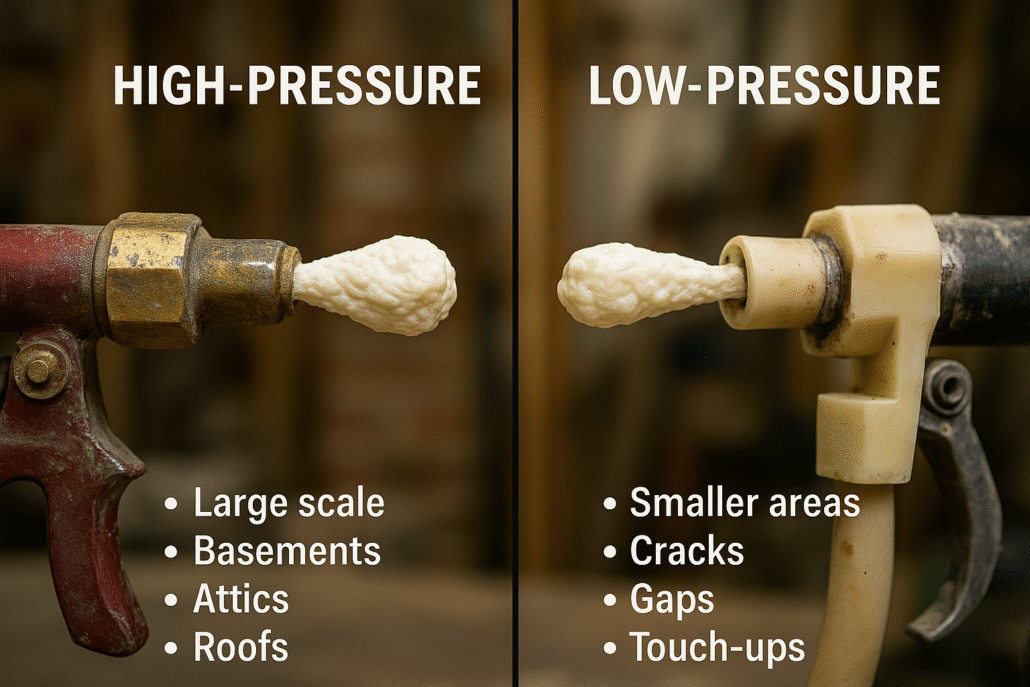
Introduction to High-Pressure vs Low-Pressure Foam for Modular Construction
Choosing between high pressure foam and low pressure foam can make a big difference when insulating modular homes and buildings. Whether you’re aiming for energy savings, noise reduction, or comfort, knowing the right application methods and foam types gives you better results. Many people in Alberta rely on White Knight Contracting for their spray foam insulation needs because of their expertise and reliable service.
Table of Contents
- History of Modular Foam Insulation
- Understanding Foam Types: High-Pressure and Low-Pressure
- Application Methods for Different Foams
- Comparison: High-Pressure vs Low-Pressure Foam
- Current Trends in Modular Foam Insulation
- Challenges in Choosing the Right Foam for Modular Builds
- Future Prospects of Foam Insulation in Modular Construction
- Interesting FAQ
- Company Highlight
- Find Us on the Map
History of Modular Foam Insulation
Foam insulation for modular buildings took off in the 1970s, as efficiency standards grew stricter. Traditional batt insulation couldn’t meet the tight spaces and energy needs of modular builds in places like Alberta. Spray foam—especially high pressure foam—became a game-changer for its air sealing abilities. Over the decades, foam types and application methods have evolved, offering better R-values and addressing issues like moisture and air leaks.
Understanding Foam Types: High-Pressure and Low-Pressure
When people discuss high pressure foam and low pressure foam, they’re referring to how the foam is mixed and applied. Here’s the difference:
- High-Pressure Foam: Mixed and sprayed at the jobsite using specialized equipment, creating a fast-reacting, dense foam. This is often used for large-scale or open-area applications.
- Low-Pressure Foam: Comes in portable kits or cartridges, mixed as it’s dispensed. It reacts slower, making it better for smaller jobs, touch-ups, or repairs.
Both foam types are closed-cell or open-cell, which impacts insulation value and flexibility. Closed-cell foam is moisture-resistant and denser, while open-cell is lighter and more flexible, but both contribute to energy efficiency in modular construction.
Application Methods for Different Foams
Your choice of application methods affects how insulation performs in modular builds. High pressure foam is installed using large rig-mounted spray systems. This allows for quicker coverage, especially in new construction, warehouses, or big modular homes. Tight air sealing in a single pass makes it popular.
Low pressure foam, on the other hand, uses handheld applicators. Contractors prefer these for patching, tricky corners, or repairs—where fine control is needed. In both cases, application must be done at the right temperature and thickness to ensure foam types perform as expected.
Comparison: High-Pressure vs Low-Pressure Foam
Comparing high pressure foam to low pressure foam for modular projects boils down to several factors:
- Speed: High pressure foam covers big areas fast; low pressure is slower but more precise for small spaces.
- Cost: High-pressure systems are more expensive to set up, but efficient for bigger jobs. Low-pressure kits are budget-friendly for spot applications.
- R-Value: High-pressure closed-cell foam offers a higher R-value per inch, meaning better insulation in less space.
- Safety: Both require safety gear, but high-pressure foams need experienced operators due to chemicals and pressure involved.
- Cleanup: Low pressure foam usually means less mess and easier cleanup, ideal for occupied or finished modular homes.
A real-world example: a commercial modular office in Calgary used high pressure foam for the main structure, and low pressure foam to seal gaps after windows were installed—maximizing both coverage and comfort.
Current Trends in Modular Foam Insulation
Today, modular construction is driving a demand for eco-friendly and efficient building materials. Foam types that are lower in VOCs and have renewable components are trending. Some application methods now use smarter rigs with temperature sensors for high pressure foam. Data shows spray foam insulation can deliver up to 50% better energy performance over fiberglass in certain climates. Homeowners and builders in Alberta are choosing modular and sustainable solutions more than ever, with focus on airtightness, quick build times, and long-term savings.
Challenges in Choosing the Right Foam for Modular Builds
The biggest challenge is matching the right foam types and application methods to the project’s needs. Not all modular modules are the same—tiny homes have different air leak concerns than classroom pods. Some issues include:
- Ensuring correct chemical ratios in high pressure foam for proper expansion
- Choosing open-cell or closed-cell foam for moisture control
- Managing project costs with supply chain changes
- Training crew for safe, proper application in small or confined spaces
Careful planning and professional installation make all the difference.
Future Prospects of Foam Insulation in Modular Construction
Foam insulation in modular homes and structures is expected to become smarter and greener. High pressure foam will likely be engineered to cure faster with even fewer emissions, while low pressure foam delivery systems could become more user-friendly. Alberta is seeing more incentives for energy-efficient building, including modular homes with advanced foam types and application methods. Industry experts agree the next step is integrating sensors and smart tech into foam installations for even better quality control and comfort.
Interesting FAQ
Icynene details the formulation, application, and long-term advantages of spray foam insulation.
- What’s the difference between open-cell and closed-cell foam? Open-cell is softer and allows some air flow, making it better for soundproofing. Closed-cell is rigid, moisture-resistant, and has a better R-value.
- How long does spray foam insulation last in modular homes? High quality spray foam can last 20–30 years or longer with proper installation.
- Is high pressure foam safer than low pressure foam? Both are safe when correctly applied, but always require protection. High pressure jobs should be handled by trained pros.
- Can spray foam be added to older modular homes? Yes, with careful prep, both foam types can upgrade older structures’ insulation and comfort.
- How do I know which foam type to choose? Consider your budget, the building use, and whether you need air sealing or moisture resistance. A contractor can help guide your decision.
Company Highlight
In business since 2011, White Knight Contracting is your trusted expert for spray foam insulation in modular, mobile, and traditional buildings. With experience across siding and more, there’s no need for extra contractors—you get high-quality results from a single team.