
Introduction
When considering insulation methods for older properties, the application of modern foam solutions can be the difference between maintaining a heritage home’s charm and enjoying efficient comfort. Heritage homes are gems that need special care, and using spray foam from White Knight Contracting offers a path to preserving these structures while bringing them up to today’s standards for comfort and energy savings.
- History of Heritage Home Insulation: Traditional Methods vs. Foam Application
- Current Trends in Heritage Home Insulation and Historic Building Foam
- Unique Challenges of Insulating Heritage Homes
- Preservation Insulation: Why Foam Is a Smart Choice
- Step-by-Step Guide: The Foam Insulation Application Process in Heritage Buildings
- Comparisons and Analysis: Foam vs. Traditional Materials
- Future Prospects for Retrofitting Older Homes With Foam
- Interesting FAQ
History of Heritage Home Insulation: Traditional Methods vs. Foam Application
Heritage home insulation has come a long way over the centuries. Originally, older buildings relied on natural materials like horsehair, sawdust, or even newspaper for warmth. These methods offered minimal performance and weren’t designed to meet today’s expectations for comfort or efficiency.
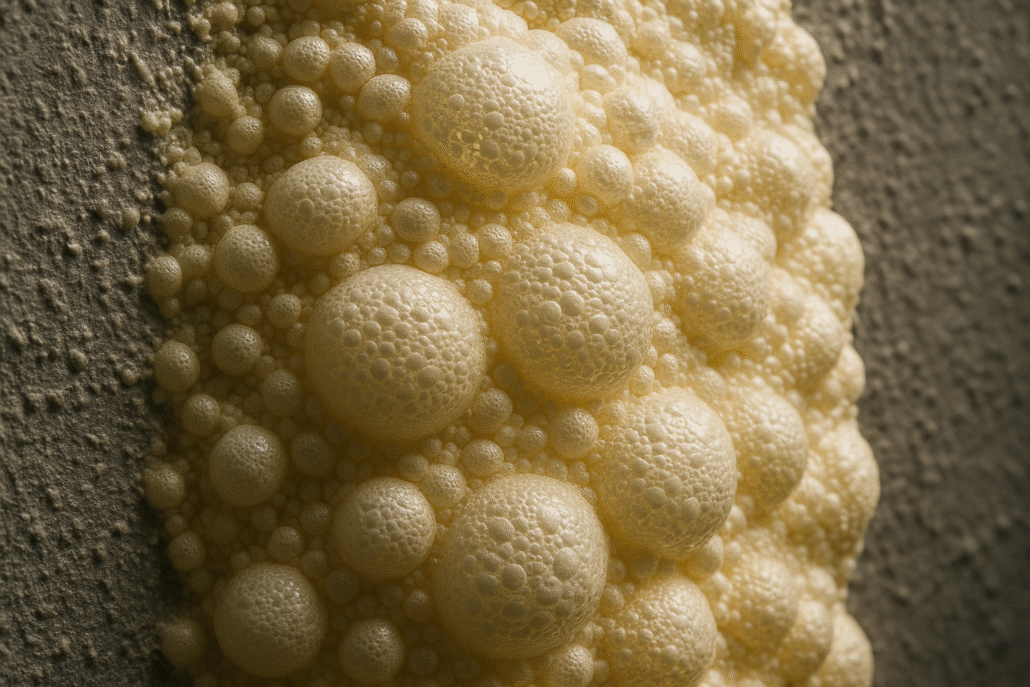
With the application of foam insulation, especially spray foam, there’s a big leap in how these homes are protected from harsh seasonal changes. Unlike batt or blown-in insulation—often hard to apply in irregular, historic framing—foam fills gaps and air-leaks effortlessly. This creates a tight thermal envelope while preserving the original look and feel of the historic space.
Current Trends in Heritage Home Insulation and Historic Building Foam
Homeowners are now blending advanced technology with preservation, choosing historic building foam for its adaptability. Modern spray foam is engineered to have minimal impact on delicate interiors while providing strong insulation values. This approach is gaining popularity for both small cottages and grand Victorian residences.
Retrofit older homes with spray foam application, and you’re also improving indoor air quality by sealing out moisture and pollutants. Plus, comfortable living means less energy waste and lower utility bills—something every property owner can appreciate.
Unique Challenges of Insulating Heritage Homes
Retrofitting older homes comes with its own set of headaches. Many heritage properties have walls that can’t be easily opened without risking structural details. There may be:
One advantage with foam is that it applies as a liquid and expands gently, forming a snug barrier without heavy disruption. This reduces the need for invasive demolition, helping to maintain valuable heritage features.
Preservation Insulation: Why Foam Is a Smart Choice
Preservation insulation is about protecting both the building and its story. Foam insulation stands out for its ability to:
Choosing the right application is vital—open-cell foams provide breathability, while closed-cell foams create a vapor barrier for wet climates. An expert installer helps you balance these needs.
Step-by-Step Guide: The Foam Insulation Application Process in Heritage Buildings
Wondering how the process works? Here’s what you can expect with retrofitting older homes:
This method means less mess and fewer visits from multiple contractors, as teams like White Knight Contracting have the versatility to handle other upgrades like siding—all within the same project.
Comparisons and Analysis: Foam vs. Traditional Materials
Traditional batt and blown-in materials offer limited flexibility in heritage renovations. They can settle and shift, leading to cold spots or drafts. In contrast, historic building foam insulation adapts to awkward voids and checks every box for air-tightness. The foam acts as a superior air sealant and is especially effective around chimneys, attics, and crawl spaces where leaks are common.
Research shows spray foam can reduce air leakage by up to 70%, slashing annual energy costs in older homes. For homeowners wanting to blend charm with comfort, modern foam technology is a clear frontrunner.
Future Prospects for Retrofitting Older Homes With Foam
Expect the trend for preservation insulation techniques to keep growing. New foam formulas are more sustainable, some using plant-based resins and recycled content. Regulations also now support gentle interventions that protect both the building’s history and its carbon footprint.
Experts predict that as cities focus more on conservation and energy efficiency, insulation that allows older structures to “breathe” will be in high demand. Foam offers powerful results without the risk of damaging the architectural legacy of these charming properties.
Interesting FAQ
For additional industry information, the Insulation Institute outlines various insulation materials and their performance characteristics.
Find Out More
To learn more and view our other blogs, click here.

