
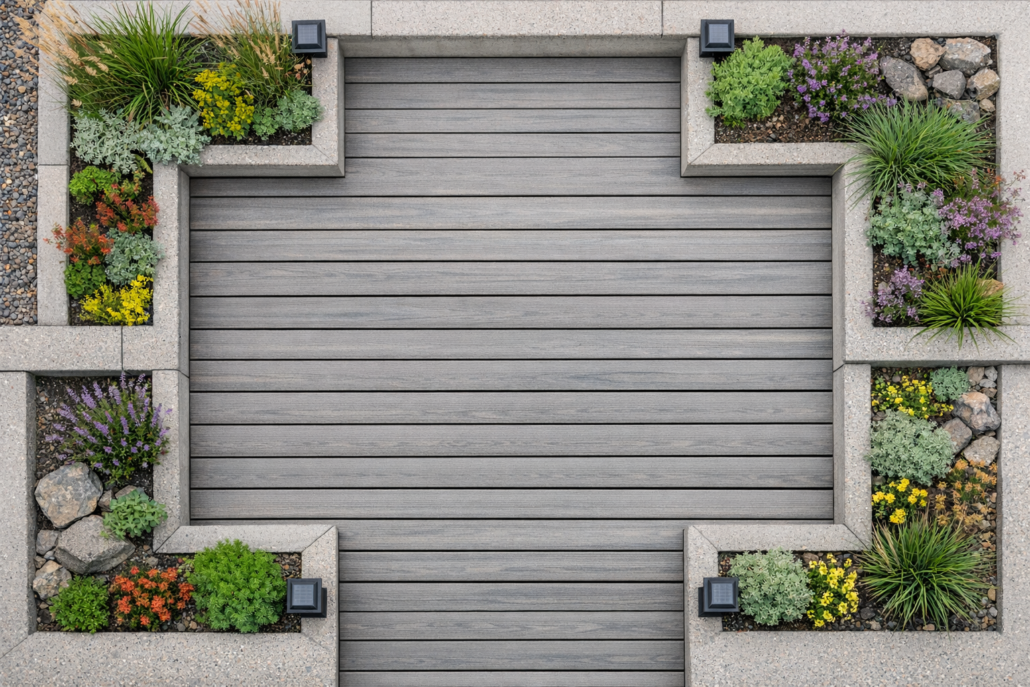
Eco Vinyl Decking Calgary Sustainable: A Smarter Way to Build Outside
If you’re researching eco vinyl decking Calgary options, you’re probably trying to balance comfort, looks, and long-term impact on the environment. In a city where freeze-thaw cycles, chinooks, and hail can be hard on outdoor spaces, the “greenest” choice is often the one that lasts the longest and needs the fewest chemicals to maintain. That’s why more homeowners are looking beyond traditional wood and asking what really counts as environmentally friendly decking. In simple terms, sustainability is about using fewer resources over time, creating less waste, and avoiding harsh products that end up in soil and water. And importantly, it also means picking materials that perform well in Alberta’s weather, so you’re not rebuilding every decade. For homeowners who want a professional install and a clean, finished look, White Knight Contracting has been helping Calgary homeowners since 2011.
Table of Contents
- What “Eco” Really Means for Decking in Calgary
- A Quick History: From Wood to Low-Maintenance Surfaces
- Eco Vinyl Decking Calgary: How It Can Be Sustainable
- Comparing Decking Materials: Vinyl vs Wood vs Composite
- Trends in Sustainable Calgary Decks
- Challenges and Trade-Offs to Know
- What to Expect: Practical Tips for Low Impact Decking
- Company Highlight
- FAQ
- Q&A
- Conclusion
What “Eco” Really Means for Decking in Calgary
People sometimes assume “eco” means one perfect material, but it’s usually about the full lifecycle. That includes how a product is made, how long it lasts, what maintenance it needs, and what happens when it’s finally removed. In Calgary, longevity matters a lot because weather stress can shorten the life of cheaper builds. A long-lasting surface can be a form of low impact decking, because fewer replacements means less material in landfills and fewer delivery trips. Another big piece is maintenance: if a surface needs regular stains, sealers, or harsh cleaners, that can add to its environmental footprint. So when you’re comparing green deck materials, it helps to think beyond the label and focus on real-world use over 20–40 years.
A Quick History: From Wood to Low-Maintenance Surfaces
For decades, wood was the default for Canadian decks because it was easy to cut, affordable, and familiar. The downside was always maintenance. Many homeowners learned the hard way that a wood deck can need sanding, staining, and board replacement far sooner than they expected, especially when snow sits on it for months. Over time, homeowners started shifting toward environmentally friendly decking options that reduce constant upkeep. That’s where vinyl membranes and composite boards gained popularity: they’re designed to resist moisture and reduce the need for repeated chemical treatments. In other words, the “newer” solutions were often created because people were tired of rebuilding and re-coating, not just because of looks.
Eco Vinyl Decking Calgary: How It Can Be Sustainable
It might sound surprising, but vinyl can be part of Alberta eco decks when you look at performance over time. Modern vinyl decking often contains recycled PVC content, and the big advantage is durability. A surface that lasts 25–50 years can reduce overall waste compared to rebuilding wood structures or resurfacing every 10–15 years. Also, vinyl membranes are designed to be water-resistant, which helps protect the framing below; that can prevent rot and extend the life of the entire deck system. Another sustainability angle is reduced maintenance: if you don’t need to stain or seal every couple of years, you’re using fewer chemical products over the deck’s lifetime. The most practical “green” win is often fewer repairs, fewer replacements, and fewer maintenance products stored in your garage.
Comparing Decking Materials: Vinyl vs Wood vs Composite
Choosing between materials is easier when you compare them in everyday terms: time, cost over years, and maintenance habits. Wood feels natural and can be a good choice when it’s responsibly sourced, but it usually needs ongoing care to stay safe and splinter-free. Composite boards often include recycled content and can reduce maintenance, but quality varies by brand and price tier. Vinyl membranes create a sealed surface that’s especially useful over living spaces or where water control matters, and they can support sustainable Calgary decks by helping the sub-structure last longer.
- Wood: Often replaced sooner (commonly 10–15 years depending on care), regular staining/sealing, higher chance of rot if water gets trapped.
- Composite: Can use recycled content, lower maintenance than wood, but may get hotter in sun and still needs cleaning.
- Vinyl decking membrane: Strong water protection, less chemical upkeep, long lifespan when installed correctly.
A simple analogy: wood is like owning a classic car you maintain constantly, while vinyl and composite are like newer vehicles built to run longer with fewer tune-ups. Both can be good, but they fit different lifestyles and expectations.
Trends in Sustainable Calgary Decks
One growing trend is designing decks as “outdoor rooms” that people actually use every day, which pushes homeowners toward durable, comfortable surfaces. Another trend is choosing finishes that reduce harsh maintenance routines—meaning fewer stains, fewer solvents, and fewer trips to buy supplies. You’ll also see more interest in low-VOC (low “volatile organic compounds”) products; VOCs are chemicals that can release fumes into the air during manufacturing or curing. Homeowners are also asking more direct questions about recycled content and end-of-life options, which is a healthy shift. And because Calgary weather is unpredictable, the market is moving toward systems that manage water better, since moisture control can make or break a deck’s lifespan.
Challenges and Trade-Offs to Know
No material is perfect, and environmentally friendly decking choices still come with trade-offs. Vinyl is durable, but it’s still a plastic-based product, so the “eco” value is tied closely to long service life, recycled content, and responsible disposal. Another challenge is installation quality: if seams, edges, or drainage details are done poorly, any system can fail early, which defeats the sustainability goal. Heat can also be a consideration on sunny exposures, so color and layout matter. Finally, homeowners sometimes focus only on the surface and forget the framing; even the best membrane can’t save framing that’s already compromised. If you want truly sustainable Calgary decks, plan the whole system—surface, drainage, railings, and structural protection.
What to Expect: Practical Tips for Low Impact Decking
If you want green deck materials without guesswork, start by asking for product data and long-term expectations, not just a brochure. Look for options with recycled content, and ask how the deck will be maintained year to year. Also ask your contractor how water will move off the deck and away from the house, because good drainage protects the structure and prevents premature rebuilds. For eco vinyl decking, confirm the warranty, the expected lifespan in Alberta conditions, and what cleaning products are recommended. And if you’re comparing bids, don’t just compare price—compare what’s included in the system and how long it’s designed to last.
- Ask about recycled content and low-VOC manufacturing where available.
- Choose a layout that avoids trapping snow and water in corners.
- Use simple cleaning routines that don’t rely on harsh chemicals.
- Plan for durability upgrades (like better drainage and flashing) so the framing lasts as long as the surface.
To learn more and view our other blogs, click here, and you can see how real projects come together.
Company Highlight
Since 2011, White Knight Contracting has focused on building exterior projects that hold up in real Alberta conditions, not just on day one. One practical strength is that they can handle multiple parts of an exterior project—like siding—without bringing in a second contractor, which helps keep timelines simpler and reduces handoff issues. That “one team” approach can also help with sustainability goals, because the deck ties into the home’s exterior details like water control, flashing, and finishing. When one crew can coordinate the full exterior picture, fewer mistakes slip through the cracks, and the build is more likely to last. For homeowners aiming for Alberta eco decks, that durability-first mindset is often what makes the biggest difference over decades.
FAQ
As a lower-maintenance alternative to wood, 100% recyclable PVC decking can support sustainability goals by reducing end-of-life waste through responsible disposal and repurposing.
Q&A
Question: Is vinyl decking an environmentally friendly choice in Calgary?
Answer: Modern vinyl decking contains recycled PVC content and lasts 25–50 years without chemical treatments, reducing environmental impact over its lifespan. Its longevity means less material waste compared to replacing wood every 10–15 years.
Question: What eco-friendly vinyl decking brands are available in Calgary?
Answer: Brands like Duradek and Fiberon offer vinyl and composite products with recycled content and low-VOC manufacturing. Ask your Calgary contractor for products certified by the Forest Stewardship Council or with recycled material content.
Conclusion
Picking eco vinyl decking Calgary homeowners can feel good about comes down to realistic durability, lower maintenance, and smarter system design. Vinyl won’t be the right fit for every project, but when you value long life, fewer chemical treatments, and strong water protection, it can be a solid choice for environmentally friendly decking in Alberta. The best approach is to compare materials based on how they perform in Calgary weather, how often they need upkeep, and how many times you’ll realistically replace them over your time in the home. When you focus on lifespan and waste reduction, sustainable Calgary decks become less about trends and more about common sense.

