
Why Thickness Matters for Winter Ready Insulation
When it comes to thickness, nothing is more essential for winter ready insulation and cold climate preparation. Considering the extreme Canadian winter, the right insulation layer stops precious heat from escaping while keeping frigid drafts where they belong—outside. At White Knight Contracting, experienced teams know that choosing the proper insulation thickness is the foundation for comfortable, energy-efficient homes, even during the longest winters.
Table of Contents
- History of Insulation in Cold Climates
- Modern Trends in Winter Ready Insulation
- Common Challenges Long Winters Bring
- Choosing the Right Thickness for Your Home
- Best Practices for Cold Climate Preparation
- Future of Winter Insulation Thickness
- Interesting FAQ
- FAQs
- Conclusion
History of Insulation in Cold Climates
Centuries ago, people relied on animal hides, straw, and mud to block winter winds. The science of frost protection foam and insulation thickness took great strides in the mid-20th century. In Canada, homes built before the 1970s often had minimal insulation, making winters unbearable for homeowners dealing with skyrocketing heating bills and persistent drafts.
Only as research linked insulation performance to significant winter energy savings did industry standards improve. The development of polyisocyanurate and spray foam addressed many early weaknesses—like moisture infiltration and heat loss at wall seams.
Modern Trends in Winter Ready Insulation
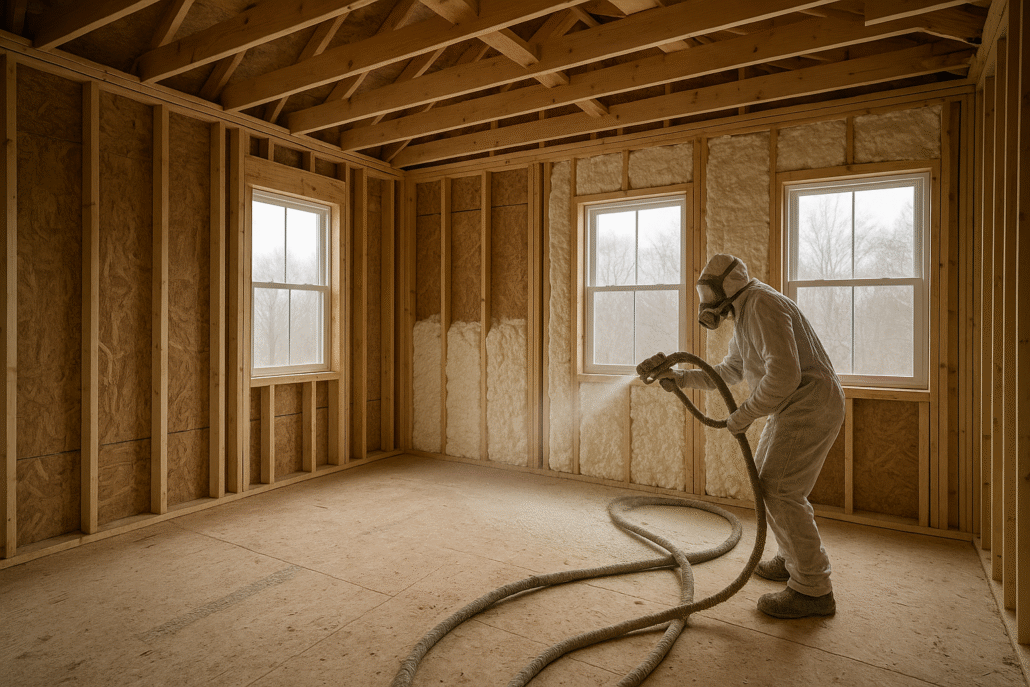
Today, maximizing thickness is a leading trend in winter ready insulation. Many homeowners choose spray foam, which expands to fill every gap and delivers high thermal resistance (R-value) even at moderate thicknesses. Newer materials like rigid foam or “frost protection foam” offer better performance with thinner profiles compared to old fiberglass batts. This means you can achieve high R-values without sacrificing interior space.
- Spray foam: Provides an air-tight and vapor-proof barrier—ideal for extreme cold.
- Rigid board insulation: Delivers increased R-value per inch for exterior walls.
- Blown-in cellulose: Eco-friendly and good for retrofitting attics or wall cavities.
Canada’s National Building Code now calls for higher minimum R-values in exterior walls and roofs, a move that helps homeowners prepare for longer, colder winters while reducing total home energy use.
Common Challenges Long Winters Bring
Long winters in places like Calgary, Edmonton, or Winnipeg test every part of a home’s building envelope. Without proper insulation thickness, you can expect:
- Frozen pipes and uncomfortable drafts in living spaces.
- Rising energy costs—often hundreds per winter season.
- Condensation issues inside walls, leading to possible mold growth.
- Higher carbon emissions and bigger ecological footprints.
By improving cold climate preparation with the right insulation, these headaches are minimized, and your home’s comfort is protected even when temperatures plunge.
Choosing the Right Thickness for Your Home
How thick should insulation be for maximum winter energy savings? The answer depends on your location, home age, and the product chosen. Most modern spray foams and frost protection foams offer R6–R7 per inch, while older fiberglass delivers closer to R3–R4. In Alberta and Saskatchewan, R-values of R40–R60 in attics and R20–R24 in walls are common best practices.
Here’s a simple step-by-step guide:
- Assess your climate—and aim for higher thickness in areas below -10°C regularly.
- Review current insulation type and R-value using a home energy audit.
- Upgrade or add winter ready insulation to meet or exceed code requirements.
- Consider spray foam in hard-to-reach or condensed wall spaces.
- Seal air leaks before adding bulk insulation for maximum performance.
Remember: the right thickness is a balance between cost, available wall space, and achieving the recommended R-value for your climate.
Best Practices for Cold Climate Preparation
Make your house truly winter ready with these insulation tips:
- Check for gaps in basements and attics, notorious for heat loss.
- Install frost protection foam around pipes and foundation walls.
- Upgrade attic insulation—it’s the area with the highest heat loss.
- Work with professionals who understand thickness requirements and installation details.
In addition to insulation, consider air sealing, new weatherstripping, and insulated exterior doors. White Knight Contracting has been in business since 2011, and can also handle siding upgrades at the same time—avoiding the need for multiple contractors on tough jobs.
Future of Winter Insulation Thickness
As energy codes tighten and more homeowners prioritize year-round comfort, insulation will keep advancing. Research focuses on thinner materials that provide even higher R-values, easier installation, and lower environmental impact. Builders are testing advanced aerogels and vacuum-insulated panels, which could revolutionize cold climate preparation by offering greater performance in smaller spaces.
Experts believe that soon, “smart” insulation will adjust its thermal properties based on outside conditions—making custom winter energy savings effortless for every home.
Interesting FAQ
Tiger Foam compares the uses and benefits of different spray foam types for building insulation. Want to learn about closed-cell versus open-cell spray foams, water resistance, and price? This resource breaks down which is best for your project, how thickness plays a role in overall performance, and current options available in the market.
FAQs
- How thick should my attic insulation be for winter energy savings? In most cold Canadian climates, aim for at least R40 (about 12–16 inches of standard batt or blown-in insulation) in attics.
- Does “frost protection foam” actually prevent pipes from freezing? Yes, when applied with sufficient thickness around pipes and foundation walls, this insulation can help avoid freezing during even the harshest winter snaps.
- Can insulation upgrades really lower my heating bill? Absolutely—proper cold climate preparation and increased insulation thickness can cut home heating costs by 10–30% per season, depending on the state of your current insulation.
- Is spray foam better for thin or irregular spaces? Spray foam expands to fill every nook and cranny, making it perfect for tight spaces or areas that traditional batts can’t reach, ensuring even and consistent winter ready insulation.
- Should I upgrade insulation when doing new siding? It’s the perfect time! White Knight Contracting can help you boost both curb appeal and energy efficiency in one seamless upgrade.

