
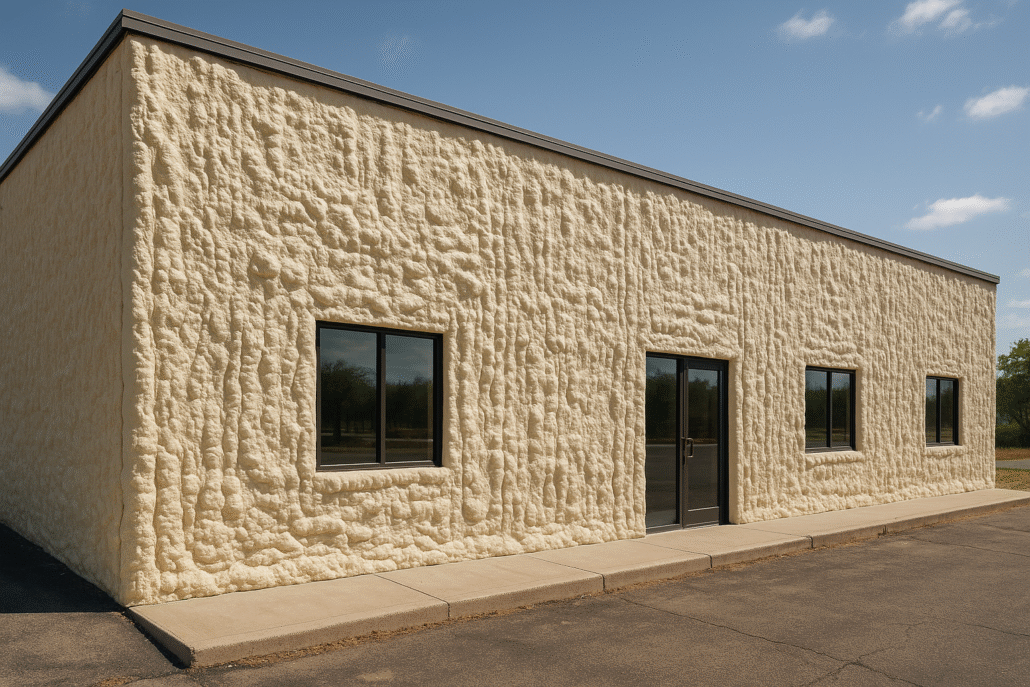
Understanding DIY and the Sustainability of Spray Foam
If you’re starting a diy home renovation or considering new insulation, it’s important to understand the real sustainability of spray foam. White Knight Contracting has served homeowners since 2011, bringing expertise and guidance in sustainable insulation solutions alongside many other services like siding—no need to hire extra contractors.
Table of Contents
- A Brief History of Spray Foam and Sustainable Insulation
- Current Trends in Eco-Friendly Foam and Green Building Materials
- Challenges in Environmentally Safe Insulation
- Step-by-Step Guide: Benefits of Sustainable Spray Foam Insulation
- Future Prospects of Green Building Materials
- Comparing Spray Foam to Other Insulation Types
- Interesting FAQ
- Conclusion
A Brief History of Spray Foam and Sustainable Insulation
Spray foam insulation was first developed in the 1940s, mainly used for war vehicles and airplanes. By the 1970s, contractors began using it in homes for its strong sealant properties. It grew popular as people noticed how it closed gaps better than old-fashioned fiberglass.
Originally, spray foam was not very eco-friendly. Early versions had chemicals that harmed the environment. Over time, the push for green building materials led manufacturers to develop improved, environmentally safe insulation with lower environmental impact. This evolution means today’s spray foams are a far cry from their humble beginnings.
Current Trends in Eco-Friendly Foam and Green Building Materials
Modern homeowners and contractors are drawn to eco-friendly foam for its excellent energy-conserving properties. As people become more aware of their carbon footprint, demand for sustainable insulation has surged. In fact, according to the Environmental Protection Agency, homes with quality insulation can save up to 15% on heating and cooling costs. That’s not just good for your wallet—it’s better for the planet too.
Advancements include spray foams with recycled or plant-based content, new blowing agents that don’t damage the ozone layer, and extensive third-party testing for environmental safety. These efforts put today’s spray foam squarely in the “green building materials” category.
Challenges in Environmentally Safe Insulation
Spray foam is not entirely perfect when it comes to sustainability. One early challenge was the use of hydrofluorocarbons (HFCs), which harmed the environment. Thankfully, newer products now use safer alternatives.
- Even “eco-friendly” spray foam still involves some petroleum-based chemicals.
- DIY installation comes with risks if not handled properly—fumes during application can be hazardous without the correct equipment.
- Spray foam is tough to recycle or remove, so careful planning is necessary before installation.
But don’t worry—most professional contractors, like White Knight Contracting, use the safest and most efficient options for your needs.
Step-by-Step Guide: Benefits of Sustainable Spray Foam Insulation
- Efficient Airtight Seal – Unlike batts or loose-fill insulation, spray foam expands into small spaces, blocking drafts and moisture.
- Long Life Span – Quality spray foam provides decades of reliable, low-maintenance performance, so you won’t need to replace it anytime soon.
- Lower Utility Bills – With a proper seal, your heating and air-conditioning systems run less—good for your wallet and the environment.
- Mold and Pest Resistance – Closed-cell foam is moisture-resistant, helping to prevent mold and keeping pests out of your walls.
- Sound Dampening – Spray foam also lessens outside noise, making homes quieter and more peaceful.
When the installation is managed by seasoned professionals, sustainable insulation really delivers on its promise of comfort and energy savings.
Future Prospects of Green Building Materials
The future for eco-friendly foam is bright. Research into bio-based and recyclable spray foams is promising. Newer spray foams contain natural oils or even agricultural byproducts. Engineers are testing recyclable versions that could reduce landfill waste.
Government policies are also supporting greener options, including stricter emissions rules and incentives for homeowners to opt for environmentally safe insulation. These trends mean a healthier planet and smarter homes for everyone.
Comparing Spray Foam to Other Insulation Types
Homeowners often ask, how does spray foam stack up against fiberglass or cellulose?
- Spray foam offers the highest R-value per inch, meaning it insulates more with less material.
- Traditional fiberglass can leave gaps, making it less effective for air sealing.
- Cellulose is a recycled option but may settle over time and doesn’t offer the moisture resistance that spray foam provides.
- For DIY, both fiberglass and cellulose are easier but come with less efficiency and lower sustainability over the long term.
While spray foam might cost more up front, its long-term energy savings and environmental benefits make it a solid investment for anyone considering sustainable insulation.
Interesting FAQ
- Q: Is spray foam really safe for the environment?
A: Most modern spray foams are made with eco-friendly or low-impact chemicals, and they greatly reduce your need for energy, which helps the planet. - Q: Can I install eco-friendly foam as a DIY project?
A: While small projects are possible for an experienced DIYer, professionals ensure safe handling and the best airtight seal. - Q: How does spray foam compare to other green building materials?
A: Spray foam provides better R-value and air sealing in most cases, but it’s important to balance up-front costs with sustainability goals. - Q: Does spray foam improve air quality?
A: Yes—because it blocks outdoor allergens, moisture, and pollutants, spray foam can help keep indoor air cleaner.
Conclusion
Sustainable insulation options like eco-friendly spray foam are reshaping the way we think about home improvement. By choosing proven, environmentally safe insulation, you can lower your bills and help take care of the world. For expert guidance and installation, look to experienced teams who understand both the science and the service behind White Knight Contracting. To learn more and view our other blogs, click here.

