
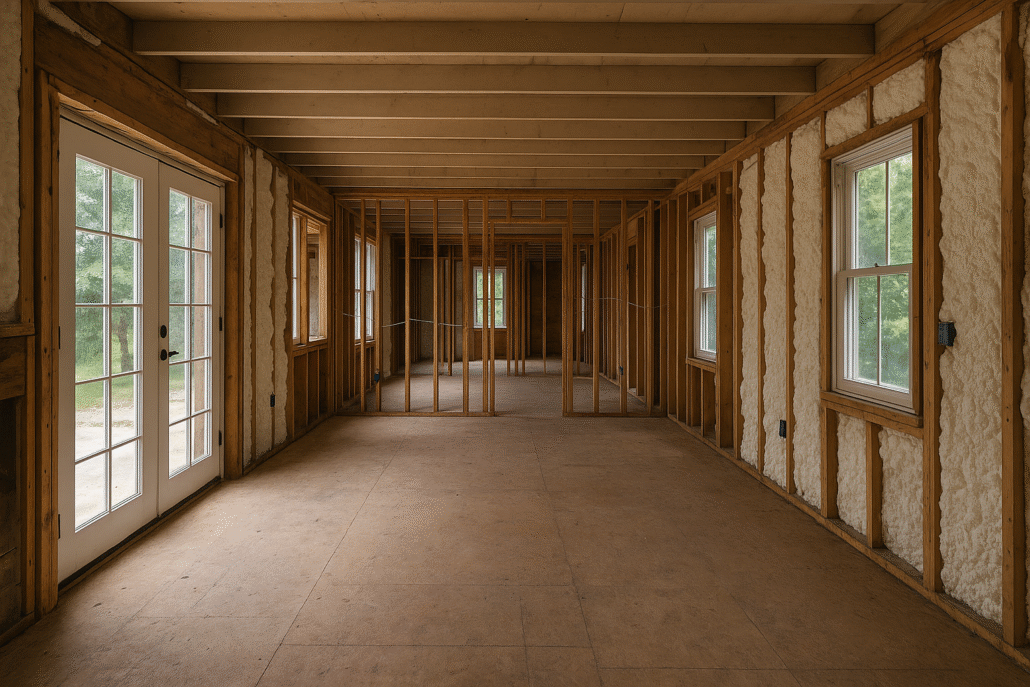
Improve Indoor Air Quality Spray Foam: Transforming Your Home with Modern Insulation
When homeowners seek ways to improve airquality indoors, spray foam emerges as a solution that goes beyond basic insulation. White Knight Contracting has helped Calgary families breathe easier and live healthier with comprehensive spray foam installation services. Learn about their expertise in spray foam insulation here.
Table of Contents
- A Brief History of Spray Foam and Indoor Air Quality
- Current Trends in Airquality Solutions
- Common Challenges in Allergen Reduction and Air Pollutant Control
- Future Prospects: The Evolving Healthy Home Environment
- Real-World Scenarios: The Impact of Quality Insulation
- Step-by-Step: What to Expect with Spray Foam Insulation
- Comparing Airquality Methods: Spray Foam vs. Other Options
- Expert Quotes and Data
- Interesting FAQ
- Frequently Asked Questions
- Contact and Map
A Brief History of Spray Foam and Indoor Air Quality
Spray foam insulation first made its mark in the 1940s, originally developed for military and aircraft uses. As concerns for indoor air quality grew through the late 20th century, builders recognized spray foam as a game-changer. Unlike old methods that let dust and allergens slip indoors, spray foam seals cracks and forms an airtight barrier. This helps stop airborne contaminants before they enter your living spaces—offering a foundation for a truly healthy home environment.
Current Trends in Airquality Solutions
Today’s homeowners and renovation professionals focus more than ever on airquality technologies. Increased allergies, urban air pollution, and health studies have made people prioritize their home’s environment. Trends in modern construction emphasize:
- Ultra-tight building envelopes to trap conditioned air and keep pollutants out
- Eco-friendly and health-conscious materials like spray foam
- Advanced air pollutant control systems (humidifiers, HEPA filters, air exchangers)
- Smart-home ventilation controls
This movement isn’t just about comfort—it’s about well-being. The shift toward all-in-one contractors like White Knight Contracting, who handle everything from spray foam to siding, has also changed how people approach whole-home upgrades.
Common Challenges in Allergen Reduction and Air Pollutant Control
Even as technology improves, several hurdles persist when aiming to reduce allergens and control indoor air pollutants:
- Poorly sealed homes allow dust, pollen, and exhaust fumes to enter freely
- Traditional insulation (like fiberglass batts) can trap mold and dust mites
- Improper installation creates gaps, defeating the purpose of insulation
- Many solutions focus on one source of contamination, overlooking big-picture airquality
Spray foam addresses these issues by expanding to fill every gap, blocking both visible and invisible intrusions. It works well with modern air exchange systems to keep fresh air circulating without introducing unfiltered outdoor particles.
Future Prospects: The Evolving Healthy Home Environment
Looking ahead, spray foam insulation is set to play an even bigger role in indoor air quality. As building codes become stricter and awareness of healthy home environments rises, leaders in the field are exploring:
- Even greener spray foam formulations with ultra-low emissions
- Integration with “smart” home monitoring (tracking particles, humidity, CO2)
- Expansion of whole-home remediation beyond insulation, like coordinated siding and HVAC upgrades
- Government rebates and health insurance incentives for homes proven to have improved airquality
Real-World Scenarios: The Impact of Quality Insulation
Imagine a Calgary family suffering from seasonal allergies. Even with frequent cleaning and good habits, the home’s older fiberglass insulation lets pollen and dust sneak in through cracks. After switching to spray foam, the airtight seal significantly reduces indoor allergens. According to a 2022 study by Home Innovation Research Labs, homes with upgraded insulation and sealed envelopes can see up to 40% fewer airborne particulates than those with traditional insulation. For families with asthma or chemical sensitivities, this kind of improvement is life-changing.
Step-by-Step: What to Expect with Spray Foam Insulation
If you’re considering an upgrade to improve airquality, here’s a general outline of the spray foam installation process:
- Assessment: Professionals walk through your home to identify problem spots and evaluate existing air pollutant control measures.
- Preparation: Furniture and personal items are covered or moved, and ventilation is secured.
- Installation: Spray foam is applied directly to walls, attics, and crawlspaces, expanding to fill every crack.
- Curing: The foam needs about 24 hours to fully cure and become inert and safe.
- Finishing Touches: Once complete, contractors inspect for proper sealing and restore your living spaces.
Throughout the process, the aim is to prioritize airflow without sacrificing comfort or accessibility.
Comparing Airquality Methods: Spray Foam vs. Other Options
How does spray foam measure up to other solutions?
| Method | Allergen Reduction | Durability | Installation |
|---|---|---|---|
| Spray Foam | Excellent — forms continuous barrier | 30+ years | Professional, quick |
| Fiberglass Batts | Fair — gaps allow particles | 10-15 years | Manual, can be DIY |
| Cellulose | Good — fills most gaps | 10-20 years | Blown in, messy |
| Air Purifiers | Good — reduces airborne dust but doesn’t seal home | Device lifespan | Plug and play |
While air purifiers handle dust already inside, spray foam blocks most infiltration at its source for a healthier overall result.
Expert Quotes and Data
According to Dr. John McGregor, a certified building scientist, “Spray foam’s ability to fully seal the building envelope is one of the most significant advances in allergen reduction of the past fifty years.” The U.S. Environmental Protection Agency (EPA) notes that poor indoor air quality is among the top five environmental health risks today.
Interesting FAQ
- What is the difference between closed-cell and open-cell spray foam?
- Does spray foam contain harmful chemicals once cured?
- Does spray foam improve both energy efficiency and indoor airquality?
Frequently Asked Questions
-
- How long does spray foam last? Spray foam insulation can last more than 30 years when professionally installed, maintaining its seal and insulation value.
- Will spray foam help with mold and mildew? Yes, spray foam resists mold growth by sealing out moisture and limiting sources for spores to spread, supporting allergen reduction.

