
Lifespan of Spray Foam Insulation: What Homeowners Need to Know
If you’re curious about the lifespan of spray foam insulation, you’re in the right place. At White Knight Contracting, we know insulation is a long-term investment, and understanding how long spray foam lasts—and why it’s so durable—helps you make informed choices for your property. White Knight Contracting has provided quality services since 2011 and tackles everything from spray foam to siding, so you only need one reliable team.
- History of Spray Foam Insulation
- Spray Foam Durability Compared to Traditional Insulation
- Factors That Impact Insulation Lifespan
- Maintenance-Free Insulation: Myth or Reality?
- Real-World Examples of Spray Foam Longevity
- Future Trends in Insulation Technology
- Step-by-Step Guide: Getting the Most Out of Your Insulation
- Interesting FAQ
- FAQs
- Conclusion
History of Spray Foam Insulation
Spray foam insulation has roots in the 1940s, when it was first developed using polyurethane for military aircraft. By the 1970s, it found its way into the building industry. Homeowners soon realized the long-term performance of spray foam—less drafts, lower energy bills, and a much longer insulation lifespan compared to traditional methods. Over the last fifty years, spray foam insulation has evolved to become a top choice for those seeking durability and energy efficiency. Advancements have made it safer, greener, and easier to apply.
Spray Foam Durability Compared to Traditional Insulation
When stacked against classic insulation types—like fiberglass or cellulose—spray foam durability stands out. Here’s how the options compare:
- Spray foam insulation: Lasts 30–80 years, sometimes longer. Doesn’t sag, compress, or fall out of place.
- Fiberglass batts: Usually need replacement every 15–20 years, can lose shape and absorb moisture.
- Cellulose insulation: Tends to settle and degrade after 15–30 years, especially if exposed to moisture.
Spray foam’s structure bonds to surfaces and blocks out air, providing a maintenance-free insulation experience over decades.
Factors That Impact Insulation Lifespan
The overall lifespan of spray foam insulation depends on several key factors:
- Installation quality: Proper application is crucial. Certified professionals prevent gaps and ensure an airtight seal.
- Moisture exposure: Although closed-cell spray foam is resistant, any leaks in the building structure can impact longevity.
- Type of spray foam: Closed-cell provides superior spray foam durability, while open-cell is slightly less robust but still long-lasting.
- Environmental conditions: High humidity, persistent leaks, or pest infestations can influence insulation lifespan.
With expert installation and regular inspections, most homeowners enjoy a worry-free lifespan of 30–80 years for spray foam insulation.
Maintenance-Free Insulation: Myth or Reality?
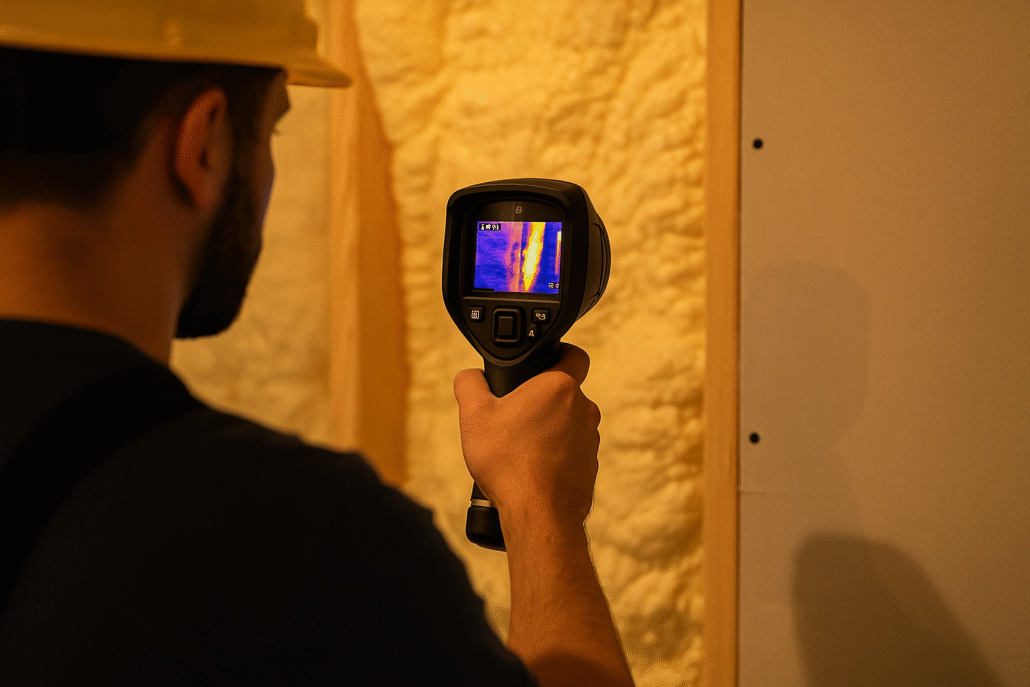
The promise of maintenance-free insulation is attractive, and spray foam comes very close to delivering on that claim. Most installations require little to no upkeep. You won’t need to fluff, replace, or reset it as with batt insulation. However, no insulation is 100% maintenance-free if unexpected issues like roof leaks or major renovations occur. The best approach is an annual check to ensure there’s no water intrusion or pest damage.
Real-World Examples of Spray Foam Longevity
Here are some scenarios from communities across Canada:
- A Calgary homeowner’s retrofit, installed in 2005, still performs at peak levels with consistent indoor temperatures year-round.
- Commercial warehouses built in the early 2000s continue to report significant energy savings and zero deterioration.
- Spray foam used in below-grade basements remains unaffected by extreme cold, showing no signs of shrinking or cracking after decades.
These examples highlight both the insulation lifespan and the reliable, long-term performance of modern spray foam products.
Future Trends in Insulation Technology
Insulation technology keeps advancing. New eco-friendly spray foams with lower chemical content and improved fire resistance are now available. Smart home systems can even monitor air-tightness and insulation performance—helping prevent unexpected issues. Expect future spray foam durability to be even higher, and product warranties may extend as quality improves. Choosing a contractor who stays up-to-date with these innovations is a smart move. Most experts agree that investing in quality spray foam now can save significant money on repairs and energy down the road.
Step-by-Step Guide: Getting the Most Out of Your Insulation
- Research types of spray foam—closed-cell lasts longer and offers better moisture resistance.
- Hire experienced professionals. White Knight Contracting has a proven track record in quality installations and can manage related work (like siding) at the same time.
- Ensure the space is ready for application—clear debris and seal leaks first.
- Schedule annual inspections to maintain maintenance-free insulation benefits.
- Monitor your utility bills for signs of insulation issues; a sudden spike may signal a problem.
Interesting FAQ
SprayFoam Magazine forum provides advice on the best methods for retrofitting insulation.
FAQs
- How long does spray foam insulation really last?
Spray foam insulation can last 30–80 years or more, depending on the type used and installation quality. - Is spray foam insulation safe for homes with children and pets?
Once cured, spray foam is safe. During and shortly after application, it’s best to leave the area until it’s fully set. - Will I ever need to replace spray foam insulation?
In most cases, only if there is physical damage, renovations, or persistent moisture problems. - How is spray foam better than other types of insulation?
It’s more durable, energy efficient, and less likely to shift or break down over time. - Can White Knight Contracting handle more than just insulation?
Yes! The team can manage siding and other related construction tasks, so you only need one contractor for your project.
Conclusion
Understanding spray foam durability and the overall lifespan of spray foam insulation ensures a smarter, more confident investment in your property. With the right installation and occasional inspections, you’ll benefit from maintenance-free insulation and long-term performance that stands the test of time. To learn more and view our other blogs, click here.

